

We may earn a commission when you buy through links on this page, at no extra cost to you. Learn more.
Cabernet sauvignon vs shiraz comes down to flavor, weight and structure: cabernet usually tastes of black currant and tobacco with firm tannins, while shiraz leans toward blackberry and black pepper with a fuller, often warmer feel. Both are dark red wines, but the same grape can taste very different depending on climate and winemaking. Shiraz and syrah are also the same grape, which is why labels can be confusing. This guide compares them side by side so you can choose with confidence.
If you have ever stood in a wine shop trying to pick between two dark reds, this comparison will help. You will see where each grape comes from, how the flavors differ, how body and tannin feel in the mouth, and which foods suit each style. The goal is simple: match the bottle to the meal and to your own taste.
Where the Two Grapes Come From
Cabernet sauvignon and shiraz are both famous red grapes, but their names and home regions do not line up in a simple way. Knowing where each one grows explains a lot about why the wines taste different on the glass.
Cabernet sauvignon is one of the most widely planted red grapes in the world. Wine Folly describes it as a grape with black currant flavor, green bell pepper and black pepper notes, big tannins, and tobacco aromas. Its fruit shifts with climate. The same guide notes raspberry character in cooler regions such as Washington State, and blackberry character from hotter places such as California.
Shiraz and syrah are the same grape under two names. Syrah is the name used in France, while Australia calls it shiraz. According to Wine Folly, French syrah can take on a black olive character, while Australian shiraz tends to taste more of blackberry. Shoppers will see both names on labels, so check the bottle if you are unsure what you are buying. For a closer look at that naming question, read our cabernet sauvignon vs syrah comparison.
Key Differences in Flavor
Both wines can be dark and fruity, so the difference is often one of emphasis rather than a clear divide. Cabernet sauvignon leans toward dark currant-like fruit with a savory, green edge. Shiraz tends toward ripe blackberry, blueberry and peppery spice.

Cabernet sauvignon has a savory side that many drinkers notice first. Tobacco and green bell pepper sit alongside the dark fruit, which gives the wine a structured, serious character. That savory edge is one reason many people describe it as a classic red for a formal dinner.
Shiraz usually shows riper, juicier fruit. Blackberry and blueberry are common, and the spice often reads as black pepper. In Margaret River, Western Australia, a winemaker describes the local style as elegant and peppery, with red fruit and a hint of spice. That shows how a single grape can move from bold and fruity to lifted and savory depending on the site.
| Aspect | Cabernet Sauvignon | Shiraz |
|---|---|---|
| Typical fruit | Black currant, blackberry, plum | Blackberry, blueberry |
| Savory notes | Green bell pepper, tobacco | Black pepper, black olive in some French styles |
| Spice | Black pepper | Black pepper, sometimes more pronounced |
| Cooler-climate style | Raspberry notes | Red fruit with subtle spice |
| Warmer-climate style | Blackberry and richer fruit | Riper blackberry and generous fruit |
Use the table as a starting point rather than a strict rule. Winemaking choices, including how long a wine spends in oak, can shift these notes. When you are unsure, read the back label or the producer’s tasting notes before you buy.
Body, Tannin, and Acidity Compared
Cabernet sauvignon usually feels firmer and more tannic, while shiraz often reads as fuller and warmer on the palate. Acidity depends more on climate and winemaking than on the grape name alone, so treat it as a variable rather than a fixed trait.
Alcohol is one clue to body. The Wine Folly alcohol content guide lists most cabernet sauvignon at about 13.5 to 14.5 percent alcohol, and most shiraz at about 14 to 15 percent. That small gap can add a sense of warmth and weight to shiraz. Higher alcohol can also hit faster, so pace yourself and drink responsibly.
Tannin is the drying grip you feel on your gums and cheeks. Wine Folly describes cabernet sauvignon as carrying big tannins, which many drinkers find firm when the wine is young. Shiraz can have plenty of structure as well. Margaret River shiraz is described as medium bodied rather than heavy, which shows that shiraz does not have to be a big, chewy wine.
Acidity gives a wine its freshness and its mouthwatering edge. Cooler sites usually keep acidity brighter, so a cool-climate shiraz can feel lighter on its feet than a warm-climate bottle of either grape. Check the label for the region before you judge the balance.
Regions Where Each Wine Grows Best
Cabernet sauvignon grows in many climates, from cool to hot, and its flavor changes with each one. Shiraz is especially associated with Australia, while French syrah has its own more savory reputation. Region is often the fastest clue on a label.
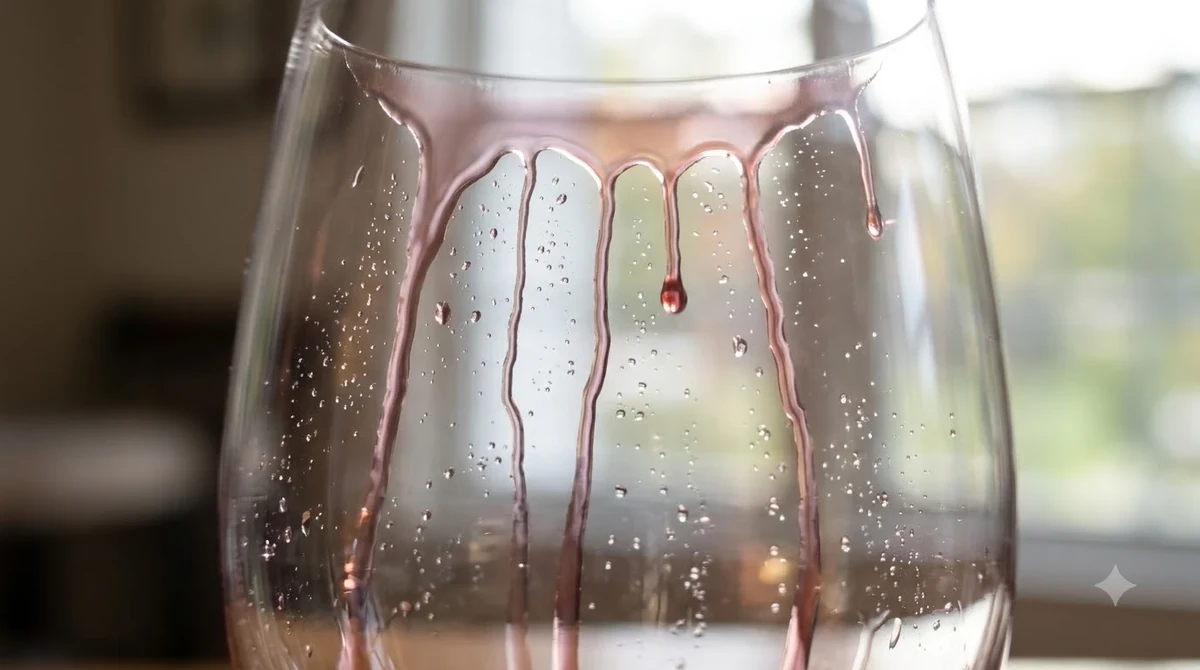
Cabernet sauvignon is planted across the world, and Wine Folly points to its shifting profile as the key lesson. Cooler regions tend to produce more red fruit, while warmer regions push the wine toward blackberry and riper fruit. Margaret River in Western Australia is a good example of a cabernet region, where the flagship style is praised for cassis, blackberry, mint and tobacco aromas.
Shiraz finds its strongest identity in Australia, where it is often the bold, fruit-forward style. Margaret River is different. Winemakers there describe a more elegant and peppery shiraz, shaped by cooler southern conditions and free-draining gravelly soils. French syrah, by contrast, often shows a black olive character.
- Cooler climates: cabernet sauvignon leans to raspberry, and shiraz leans to red fruit and spice.
- Warmer climates: cabernet sauvignon tastes of blackberry, and shiraz turns riper and more generous.
- France: the syrah name often signals savory, olive-like character.
If you enjoy comparing reds from different regions, our cabernet sauvignon vs zinfandel guide looks at another pairing that shows how climate shapes a single grape.
Best Food Pairings for Each Wine
Both reds work with hearty food, but they suit slightly different dishes. Cabernet sauvignon’s firm tannins pair well with rich, fatty proteins. Shiraz’s peppery fruit suits grilled, smoky and spiced dishes.
Cabernet sauvignon is a natural match for roast beef, a well-marbled steak, lamb, and aged hard cheeses. The fat and protein soften the tannins, so the wine tastes smoother with food. Earthy mushrooms and roasted root vegetables also suit its savory edge.
Shiraz works well with barbecue, grilled sausages, burgers with smoky char, and spiced stews. Black pepper in the wine echoes pepper in the food, which helps the match feel balanced. Peppery dishes and bold tomato-based sauces also suit its ripe fruit.
Tip: Match the sauce as well as the meat. Tomato and smoky barbecue sauces often suit shiraz, while mushroom and herb sauces often suit cabernet sauvignon.
Which Wine Should You Buy?
Choose cabernet sauvignon if you want firm structure, dark currant notes and a savory finish. Choose shiraz if you prefer ripe blackberry, pepper and a fuller, warmer feel. Both are good choices, so the right pick depends on your meal and your taste.
- Decide whether you want firm tannin and savory notes, or riper fruit and pepper.
- Check the region on the label, since climate changes the flavor more than the grape name does.
- Look for the syrah or shiraz name to understand the style you are buying.
- Read the producer’s tasting notes and pick a medium-bodied bottle if you are new to either wine.
If you prefer a white for lighter meals, the sancerre vs sauvignon blanc comparison covers another pair that shows how one style can differ by region.
Frequently Asked Questions
Is shiraz the same as cabernet sauvignon?
No. Cabernet sauvignon and shiraz are different grapes with different flavor profiles. Shiraz is the same grape as syrah, so the confusion often comes from label names rather than the wines themselves.
Which wine has more alcohol, cabernet sauvignon or shiraz?
According to Wine Folly’s typical ranges, most shiraz falls around 14 to 15 percent alcohol, while most cabernet sauvignon falls around 13.5 to 14.5 percent. Individual bottles vary, so check the label for the exact figure.
Which is better with steak, cabernet sauvignon or shiraz?
Cabernet sauvignon is a classic choice with steak because its firm tannins soften against the fat and protein. Shiraz also works well, especially with grilled or smoky cuts. Your best match depends on how you season the meat.
If I like cabernet sauvignon, will I enjoy shiraz?
You may, especially if you try a medium-bodied bottle from a cooler region. Look for a peppery, red-fruited style rather than a very big, jammy one. Starting with a moderate bottle makes the shift easier to judge.
Cabernet sauvignon and shiraz share a dark red character, but they differ in savory notes, tannin feel and food matches. Use region, label names and tasting notes to choose well. For a broader framework on comparing styles, visit our Wine vs Wine guide.
More in Wine vs Wine
 Nero d’Avola vs Pinot Noir: Taste, Body, and Pairing DifferencesUpdated Nov 21, 2026
 Chenin Blanc vs Pinot Blanc: Key Differences in Taste, Acidity, and PairingsUpdated Nov 21, 2026
 Chardonnay vs Shiraz: Key Differences in Taste, Serving, and PairingUpdated Nov 21, 2026
 Chardonnay vs Verdejo: How Spain’s Crisp White Compares to the World’s ChameleonUpdated Nov 21, 2026
 Chardonnay vs Sancerre: Key Differences in Taste, Grapes, and PairingUpdated Nov 21, 2026
 Chardonnay vs Malbec: Key Differences in Taste, Body, and PairingUpdated Nov 21, 2026