


We may earn a commission when you buy through links on this page, at no extra cost to you. Learn more.
The core difference in carmenere vs pinot noir comes down to body, herbal spice, and acidity: Carménère is a medium- to full-bodied red from Chile prized for plush dark fruit, velvety tannins, and signature green bell pepper notes, whereas Pinot Noir is a light- to medium-bodied red defined by bright red berries, earthy mushroom aromatics, and brisk acidity. While both grapes produce dry red wines with approachable tannins, Carménère thrives in warm, sun-drenched valleys and delivers higher alcohol (often 13.5 to 15 percent ABV), while Pinot Noir flourishes in cool climates with moderate alcohol (typically 12 to 14 percent ABV) and a silkier, fresher profile.
Comparing these two classic French-born varieties highlights how climate and grape genetics shape everything in the glass. Both grapes trace their heritage to historic French wine regions—Bordeaux for Carménère and Burgundy for Pinot Noir—yet they occupy opposite ends of the red wine spectrum in weight, aroma, and table versatility. Understanding how each grape behaves in the vineyard and on the palate makes it easy to pick the right bottle for dinner or cellar aging. For more side-by-side grape breakdowns, explore our Wine vs Wine archive.
What Is the Difference Between Carménère and Pinot Noir?
Carménère and Pinot Noir are distinct Vitis vinifera red wine grapes with separate genetic lineages, ripening timelines, and structural profiles. Carménère belongs to the Cabernet family and delivers darker color, fuller body, and herbal pyrazine notes, whereas Pinot Noir is an ancient Burgundian variety prized for translucent ruby color, low tannins, and high natural acidity.
According to Wine Folly, Carménère is a half-sibling to both Cabernet Sauvignon and Merlot, sharing Cabernet Franc as a parent. Before the phylloxera louse devastated European vineyards in the late nineteenth century, Carménère was widely planted in Bordeaux, particularly in Graves and Pessac-Léognan. Because the grape is notoriously slow to ripen—often harvested four to five weeks after Merlot—and prone to poor fruit set in cool, damp springs, French growers largely abandoned it during replanting. Cuttings carried to Chile in the mid-1800s survived unnoticed among Merlot vines until DNA testing in 1994 confirmed their true identity, launching Carménère’s modern resurgence as Chile’s flagship grape.
Pinot Noir follows a completely different botanical path. Over a thousand years older than Cabernet Sauvignon, Pinot Noir traces its roots back to Roman-era Burgundy and has mutated into more than 1,000 registered clones, giving rise to color mutations such as Pinot Gris and Pinot Blanc. Its name derives from the French words for pine and black, describing its tight, pine-cone-shaped clusters of thin-skinned berries. Those thin skins explain why Pinot Noir yields lighter-colored wines with gentle tannins and vibrant acidity, contrasting sharply with Carménère’s deep blue-black berries and plush, medium-plus texture. Readers comparing other thin-skinned reds can see how Pinot Noir stacks up in our grenache vs pinot noir guide.
| Attribute | Carménère | Pinot Noir |
|---|---|---|
| Origin & Flagship Home | Bordeaux, France (now flagship of Chile) | Burgundy, France (global cool climates) |
| Body | Medium to full-bodied | Light to medium-bodied |
| Tannins | Medium, velvety, and supple | Low to medium, fine-grained |
| Acidity | Medium (moderate) | Medium-high to high |
| Typical ABV | 13.5% to 15% | 12% to 14% |
| Primary Fruit Notes | Black cherry, blackberry, black plum, raspberry | Red cherry, raspberry, cranberry, strawberry |
| Non-Fruit Aromatics | Green bell pepper, green peppercorn, cocoa, vanilla | Forest floor, mushroom, hibiscus, baking spice |
| Serving Temperature | 60°F to 68°F (15°C to 20°C) | 55°F to 65°F (13°C to 18°C) |
Flavor Profiles and Styles
The clearest sensory contrast between these two wines lies in their aromatic signatures: Carménère leans into ripe black fruits layered with savory green pepper and cocoa, while Pinot Noir emphasizes tart red berries, floral lift, and earthy forest-floor complexity. Both wines are almost always vinified dry, though ripe fruit and oak aging can create an impression of richness.
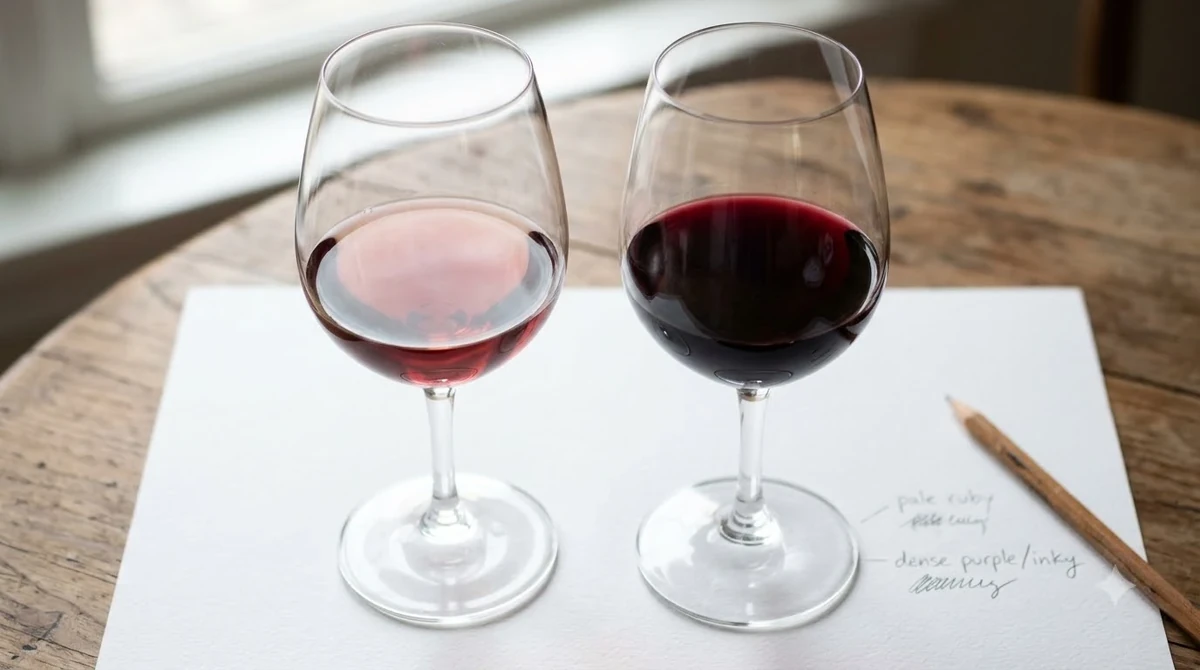
Carménère owes its signature savory streak to methoxypyrazines, the same aromatic compounds present in Cabernet Franc and Cabernet Sauvignon. In cooler sites or earlier harvests, these compounds express themselves as distinct green bell pepper, eucalyptus, and crushed blackcurrant leaf. When grown in warm, sunny vineyards with long hang-time, those green edges soften into green peppercorn, paprika, and dark chocolate alongside juicy black cherry, blackberry, and plum. Winemakers frequently age Carménère in French oak barrels, adding notes of vanilla, roasted espresso, and clove while polishing its medium-firm tannins into a velvety finish. In Chile, regulations allow up to 15 percent of other varieties—such as Syrah or Petit Verdot—to be blended into a varietal Carménère to deepen color and structure.
Pinot Noir trades herbaceous spice for transparency and aromatic nuance. Cool-climate examples, such as those from Burgundy, Germany (where it is labeled Spätburgunder), or Oregon’s Willamette Valley, highlight bright sour cherry, wild strawberry, and hibiscus over savory undertones of damp earth, mushroom, and wet stone. Warmer-climate expressions from California’s Sonoma Coast or Russian River Valley offer riper dark cherry, raspberry, and cola notes framed by sweet baking spice from modest oak aging. As Wine Enthusiast notes, winemakers typically restrain new oak on Pinot Noir so barrel flavors never overpower its delicate fruit. For another look at high-acid, aromatic reds, compare nebbiolo vs pinot noir.
Where They Grow Best
Climate separates the vineyard geography of these two varieties almost completely: Carménère requires long, dry, sun-soaked summers to ripen its late-harvest berries, whereas Pinot Noir demands cool to moderate growing seasons to preserve acidity and prevent baked fruit flavors.
Chile dominates global Carménère production, with plantings expanding from fewer than 900 registered acres in 1997 to more than 26,000 acres across the country’s Central Valley. Within Chile, microclimates shape distinct styles. The Colchagua Valley—especially the warm, protected Apalta sub-zone—yields opulent, full-bodied bottles packed with sweet raspberry, black plum, and structured tannins with minimal green character. Nearby Cachapoal Valley, particularly around Peumo, balances sweet and sour cherry fruit with classic green peppercorn spice and 10- to 15-year aging potential. Higher-elevation vineyards near the Andes foothills, such as those in Maipo Valley, produce slightly lighter, more floral Carménère with brisker acidity. Outside South America, China cultivates substantial acreage under the historic synonym Cabernet Gernischt, while small pockets persist in northeastern Italy.
Pinot Noir is famously finicky—often called the “heartbreak grape” by growers—because early budbreak exposes it to spring frost and tight, thin-skinned clusters make it vulnerable to rot in humid weather. It thrives in marginal, cool regions moderated by oceans, rivers, or elevation. Burgundy’s Côte d’Or remains the spiritual benchmark, prized for limestone and clay soils that impart unmistakable minerality. In the United States, Oregon’s Willamette Valley, California’s Carneros, Anderson Valley, and Santa Rita Hills produce benchmark expressions. New Zealand’s Central Otago and Martinborough, Australia’s Yarra Valley, and Chile’s own coastal Casablanca and San Antonio valleys also craft standout cool-climate Pinot Noir.
How to Serve Carménère and Pinot Noir
Serving both wines slightly below standard room temperature keeps their alcohol balanced and brings their primary aromatics into focus, with Pinot Noir benefiting from a slightly cooler chill than Carménère. Proper glassware and brief aeration further sharpen each wine’s natural strengths.
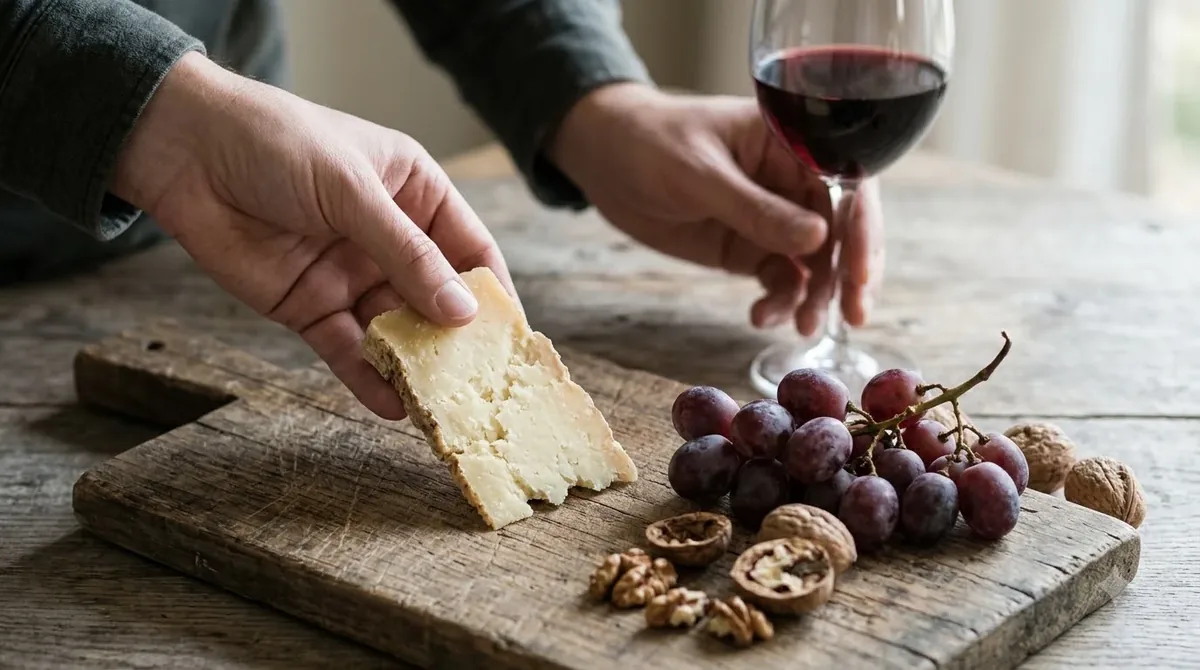
Serve Pinot Noir between 55°F and 65°F (13°C to 18°C), placing lighter, earthier bottles at the cooler end of that range and richer New World examples closer to 65°F. Serving Pinot Noir too warm flattens its high acidity and makes the alcohol taste sharp. A large-bowled Burgundy glass with a wide surface area and slightly tapered rim captures the wine’s delicate floral and red-berry aromatics. Young Pinot Noir rarely needs extended decanting; 15 to 20 minutes in the glass is usually enough for tightly wound bottles to open up.
Carménère shows best between 60°F and 68°F (15°C to 20°C). Because its alcohol often reaches 14 to 15 percent ABV, serving it above 70°F can cause heat to mask its subtle peppercorn and cocoa layers. A standard universal red wine glass or Bordeaux-style glass works well to channel its darker fruit and herbal notes. Younger, oak-aged Carménère benefits from 30 to 45 minutes in a decanter to soften its tannins and integrate any pronounced green pyrazine aromas. Once opened, both wines should be recorked and stored in the refrigerator, where they will stay fresh for one to three days.
Tip: Put your bottle of Pinot Noir in the refrigerator for 20 minutes before pouring, and give Carménère a 10-minute chill—most dining rooms sit around 70°F to 72°F, which is too warm for either grape.
Food Pairing Guide
Both grapes are exceptionally food-friendly reds, but their contrasting body weights and flavor bridges point them toward different plates: Carménère excels alongside smoky, herb-rubbed, and spiced meats, while Pinot Noir shines with earthy, delicate, and umami-rich dishes.
Carménère’s medium-plus body, supple tannins, and natural green-herb character make it a natural partner for grilled and roasted meats seasoned with fresh herbs, garlic, and pepper. Classic matches include flank steak or skirt steak topped with chimichurri, slow-roasted pork shoulder, lamb chops with mint sauce, and barbecue ribs. Its savory peppercorn streak also bridges effortlessly to Mexican and South American dishes featuring roasted poblanos, cumin, or mild chili heat, as well as hearty vegetarian fare like pinto bean chili, lentil stews, and charred bell peppers.
Pinot Noir’s bright acidity and low tannin allow it to pair with proteins that heavier reds would overwhelm. It is one of the few red wines that pairs well with rich fish such as cedar-plank salmon or seared tuna, since low tannins prevent any metallic clash with fish oils. Roast duck, herb-roasted chicken, pork tenderloin, and braised veal all match Pinot Noir’s silky weight. On the vegetable side, Pinot Noir’s earthy forest-floor aromatics echo wild mushrooms, truffle risotto, roasted beets, and thyme-infused dishes. If you are planning a lighter warm-weather menu and weighing white versus red options, check out our pinot noir vs sauvignon blanc comparison.
How to Choose Between Carménère and Pinot Noir
Choosing between Carménère and Pinot Noir depends on the richness of your meal, your tolerance for herbal spice versus brisk acidity, and the overall mood of the pour. Neither grape is inherently better; each solves a different culinary and sensory craving.
Reach for Carménère when you want a plush, warming red with dark berry depth and a savory, peppery edge that feels fuller on the palate without the gripping astringency of Cabernet Sauvignon. It is an ideal choice for backyard grilling, braised meats, spiced dishes, or cool-weather evenings when you want generous body and velvety texture. Look for Chilean labels listing Colchagua Valley, Apalta, or Peumo for riper, concentrated expressions, or Maipo Valley for a slightly brighter, more aromatic style.
Choose Pinot Noir when you want freshness, aromatic complexity, and lively acidity that cleanses the palate between bites. It fits lighter meats, salmon, mushroom-driven dishes, and multi-course dinners where a heavier red would cause palate fatigue. Look to Oregon’s Willamette Valley or Burgundy for earth-driven, high-acid elegance, or California’s Sonoma Coast and Russian River Valley for riper red-cherry plushness.
Frequently Asked Questions
Is Carménère sweeter than Pinot Noir?
No, both Carménère and Pinot Noir are almost always made as dry wines with negligible residual sugar. Carménère can sometimes taste slightly sweeter on the mid-palate because of its riper dark fruit, higher alcohol, and vanilla notes from French oak aging, whereas Pinot Noir’s higher acidity makes it taste crisper and more tart.
Which wine has more tannins, Carménère or Pinot Noir?
Carménère has slightly higher tannins than Pinot Noir, typically falling in the medium range with a soft, velvety texture rather than aggressive astringency. Pinot Noir has thin grape skins and naturally low to medium tannins, giving it a lighter, silkier mouthfeel.
Does Carménère taste like Merlot or Pinot Noir?
Carménère tastes much closer to Merlot and Cabernet Franc than to Pinot Noir. In fact, Carménère was misidentified as Merlot in Chilean vineyards for over a century before DNA testing separated them in 1994, as both share plush dark fruit and supple tannins, though Carménère carries a distinct green bell pepper and peppercorn note.
Which is better for aging, Carménère or Pinot Noir?
Both grapes can age beautifully at the top quality tiers, though fine Pinot Noir from Burgundy or top New World sites often offers longer cellar longevity of 10 to 20 years or more. Well-structured, single-vineyard Carménère from Chilean zones like Peumo and Apalta typically ages for 10 to 15 years, developing complex leather, tobacco, and cocoa notes, while everyday bottles of either grape are best enjoyed within two to four years of vintage.
Ultimately, the matchup of Carménère versus Pinot Noir offers two distinct paths to smooth, food-friendly red wine without heavy tannic grip. Keep Carménère on hand for smoky grilled meats, spiced dishes, and plush dark-berry warmth, and reach for Pinot Noir when bright acidity, earthy nuance, and lighter table pairings take center stage.
More in Wine vs Wine
 Nero d’Avola vs Pinot Noir: Taste, Body, and Pairing DifferencesUpdated Nov 21, 2026
 Chenin Blanc vs Pinot Blanc: Key Differences in Taste, Acidity, and PairingsUpdated Nov 21, 2026
 Chardonnay vs Shiraz: Key Differences in Taste, Serving, and PairingUpdated Nov 21, 2026
 Chardonnay vs Verdejo: How Spain’s Crisp White Compares to the World’s ChameleonUpdated Nov 21, 2026
 Chardonnay vs Sancerre: Key Differences in Taste, Grapes, and PairingUpdated Nov 21, 2026
 Chardonnay vs Malbec: Key Differences in Taste, Body, and PairingUpdated Nov 21, 2026