

We may earn a commission when you buy through links on this page, at no extra cost to you. Learn more.
When comparing burgundy vs chianti, the fundamental difference comes down to grape variety, origin, and structure: Red Burgundy is made exclusively from Pinot Noir in eastern France, while Chianti is a Sangiovese-dominant red wine from Tuscany, Italy. Red Burgundy delivers silky tannins, delicate red-berry fruit, and earthy forest-floor complexity, whereas Chianti brings punchy sour cherry, dried herbs, and sharper, more gripping tannins. Both styles rely on brisk natural acidity, making them among the most food-friendly red wines in the world.
Although both wines sit at the top of European wine traditions and share a translucent ruby appearance in the glass, their personalities at the dinner table could hardly be more distinct. Understanding how soil, climate, and winemaking rules separate these two classics makes choosing the right bottle for your meal much easier.
What it is
Burgundy and Chianti are place-based European wine appellations rather than single grape names, though each is anchored by one signature red variety. In Burgundy, red wines are crafted from 100% Pinot Noir, while in Chianti, Sangiovese forms the backbone of the blend.
Burgundy (known locally as Bourgogne) sits in east-central France and follows strict single-varietal traditions. While the region is also famous for white wines made from Chardonnay and minor plantings of Aligoté and Gamay, red Burgundy refers specifically to dry Pinot Noir. Winemakers rarely blend varieties here; instead, the region divides its vineyards into a four-tier hierarchy—Regional, Village, Premier Cru, and Grand Cru—based on individual vineyard plots called climats.
Chianti originates in central Tuscany, Italy, and operates under Denominazione di Origine Controllata e Garantita (DOCG) regulations. According to Wine Enthusiast’s guide to Chianti, the historic heartland of Chianti Classico DOCG requires at least 80% Sangiovese, allowing up to 20% of other red grapes such as Colorino, Canaiolo Nero, Cabernet Sauvignon, or Merlot. White grapes were officially banned from Chianti Classico blends in 2006, cementing its identity as a structured, savory red wine.
| Feature | Red Burgundy | Chianti / Chianti Classico |
|---|---|---|
| Country and Region | Burgundy (Bourgogne), Eastern France | Tuscany, Central Italy |
| Primary Grape | 100% Pinot Noir | Sangiovese (minimum 80% in Chianti Classico) |
| Body | Light to medium-bodied | Medium-bodied |
| Tannins | Low to medium, fine and silky | Moderate to firm, dry and powdery |
| Acidity | Medium-high to high | High, mouthwatering |
| Core Flavor Notes | Red cherry, raspberry, cranberry, mushroom, wet leaves | Sour cherry, red plum, dried oregano, violet, leather |
Flavor and styles
Both wines prioritize freshness and savory nuance over heavy oak or jammy fruit, yet their aromatic profiles pull in noticeably different directions. Red Burgundy leans floral, earthy, and silky, while Chianti tastes brighter, more herbal, and noticeably grippier on the gums.
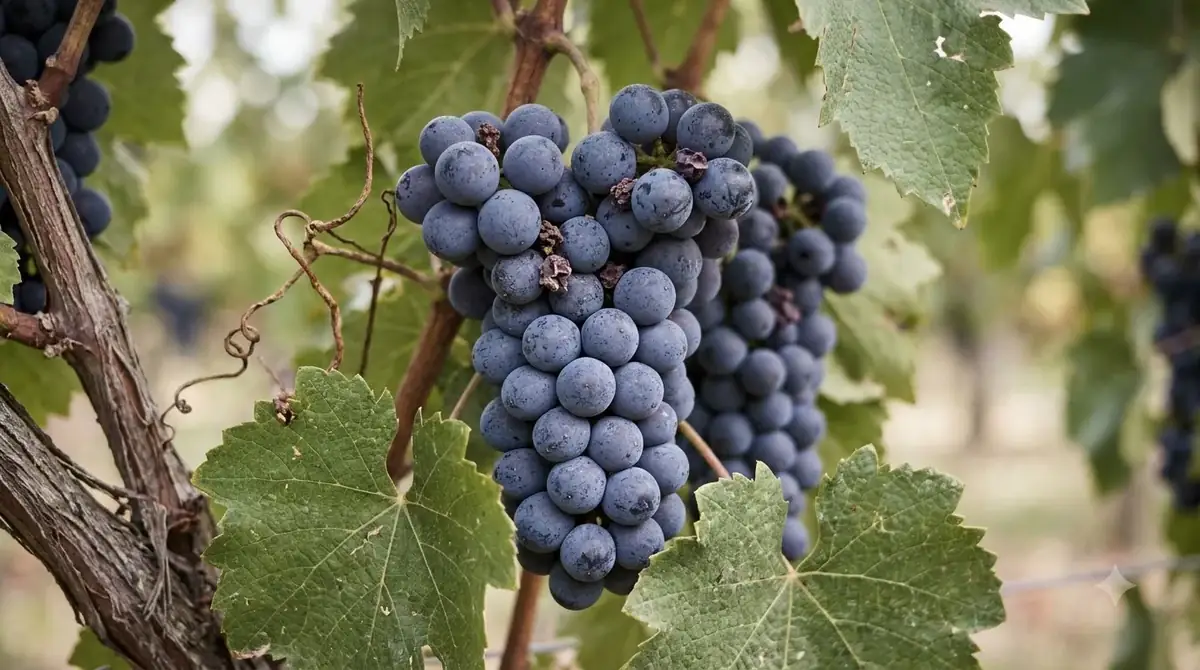
Red Burgundy pours a pale to medium ruby color and opens with delicate red-fruit aromas of cranberry, wild strawberry, raspberry, and fresh red cherry. Because Pinot Noir has thin skins, its tannins feel fine and lacy rather than astringent. With bottle age—or in cooler northern sites—red Burgundy develops complex secondary notes of damp forest floor, mushroom, clove, and sweet spice. Styles range from light, brisk regional Bourgogne Rouge to deeper, structured Côte de Nuits bottlings showing black currant and subtle French oak spice.
Chianti also displays a transparent ruby hue, yet Sangiovese delivers a distinctly tart, savory punch. Reviewers at Decanter frequently highlight notes of sour cherry, red plum, dried rose petal, oregano, sage, and woodsmoke across top-scoring bottlings. Young, entry-level Chianti aged for six months tastes zesty, bright, and straightforward. Stepping up to Chianti Classico Riserva (aged at least 24 months) or Gran Selezione (aged at least 30 months) introduces firmer, powdery tannins alongside balsamic, tobacco, and leather nuances.
If you enjoy exploring Italian reds alongside French benchmarks, comparing Chianti with neighboring regional styles offers useful perspective. Looking at chianti vs montepulciano reveals how Sangiovese’s sharp acidity differs from Montepulciano’s plush dark fruit, while barolo vs chianti contrasts Tuscan cherry brightness against Piedmont’s Nebbiolo power.
Where it grows
Geography and climate explain much of the stylistic gap between these two regions. Burgundy sits in a cool continental zone shaped by ancient Jurassic limestone, whereas Chianti spans sun-drenched rolling hills in central Italy.
Stretching roughly 75 miles from near Dijon down toward Mâcon, Burgundy is divided into five main winegrowing areas: Chablis, Côte de Nuits, Côte de Beaune, Côte Chalonnaise, and Mâconnais. As Wine Folly notes in its Burgundy overview, the region rested beneath a tropical sea roughly 200 million years ago, leaving behind limestone and marl soils rich in marine fossils. Pinot Noir thrives particularly well on marl—a blend of clay and limestone—across the Côte de Nuits and Côte de Beaune, where hillside slopes capture sunlight and drain excess moisture.
Chianti covers a broad swath of Tuscany between Florence and Siena, divided between the larger Chianti DOCG (with seven sub-zones, including respected higher-elevation pockets like Chianti Rufina and Chianti Colli Senesi) and the independent Chianti Classico DOCG at its center. Established in 1996 as a separate DOCG, Chianti Classico sits on rocky hillsides composed largely of galestro (friable schistous clay) and alberese (hard limestone). Warm Mediterranean afternoons ripen Sangiovese’s sugars—pushing alcohol levels in top Gran Selezione bottlings up to 14% to 15% ABV—while cool hillside nights lock in the grape’s signature acidity.
How to serve
Serving temperature, glassware, and aeration make a dramatic difference with both wines because neither relies on heavy fruit sweetness to mask flaws. Treating them slightly cooler than standard room temperature preserves their aromatic lift and keeps alcohol in check.
Red Burgundy performs best slightly chilled at 55°F to 60°F (12°C to 15°C). At warmer room temperatures around 70°F, delicate berry and floral notes turn muted and alcoholic. Serve red Burgundy in a large, wide-bowled Burgundy balloon glass with a tapered rim; this shape collects volatile aromatics like violet and forest floor while directing the wine onto the tip of the palate. Decanting requires caution: young red Burgundy benefits from 20 to 30 minutes of gentle aeration, while mature bottles should be opened shortly before pouring so fragile fruit aromas do not dissipate.
Chianti shines slightly warmer than Pinot Noir, ideally served between 58°F and 65°F (14°C to 18°C), depending on its age and weight. A medium-sized universal or standard red wine glass works well, concentrating its savory herbal notes without exaggerating its brisk acidity. Unlike delicate Pinot Noir, structured Chianti Classico—especially Riserva and Gran Selezione tiers—welcomes 30 to 60 minutes in a decanter to soften its firm tannins and release deeper cherry and spice aromas.
Tip: Put both bottles in the refrigerator for 20 to 30 minutes before dinner if they have been sitting on a kitchen counter; dropping a red wine from 70°F into the upper 50s sharpens its fruit and refreshes the finish.
Food pairing
Both Burgundy and Chianti are classic culinary wines built around high natural acidity, yet their differing tannin levels dictate which dishes they handle best. Match Burgundy with earthy, delicate, or lightly rich proteins, and save Chianti for acidic tomato sauces, olive oil, and charred meats.
Red Burgundy’s low-to-medium tannins and savory mushroom undertones make it exceptionally versatile across seafood, poultry, and game. Classic regional matches include coq au vin, roast duck, mushroom risotto, grilled salmon, and aged cow’s-milk cheeses such as Comté or Époisses. Because Pinot Noir lacks aggressive tannins, it never clashes with delicate fish oils or subtle herb sauces in the way a heavier red would.
Chianti is practically engineered for Italian cooking. Sangiovese’s mouthwatering acidity cuts cleanly through rich olive oil and matches the tartness of cooked tomatoes in pasta al pomodoro, lasagne, and wood-fired pizza. Meanwhile, its dry, powdery tannins bind with proteins and fat in cured salami, roast pork, aged pecorino cheese, and Bistecca alla Fiorentina (thick-cut grilled porterhouse steak). If you want another Italian red with bright acidity for tomato dishes, exploring barbera vs chianti shows how Barbera offers softer tannins with even higher fruit juiciness.
How to choose a bottle
Reading the label is the fastest way to predict what is inside either bottle, because both regions encode quality tiers and style directly into their naming conventions. Focusing on sub-region and aging terms helps you avoid generic entry-level bottlings.
When shopping for red Burgundy, remember that place matters more than grape. Labels labeled simply “Bourgogne Rouge” represent regional blends—52% of Burgundy’s total output—and offer approachable, everyday fruit. Stepping up to a Village appellation (such as Gevrey-Chambertin, Volnay, Pommard, or Mercurey) narrows the fruit to a single commune with clearer site character. Look for Premier Cru vineyards on the label when you want greater concentration and aging potential without tracking down ultra-rare Grand Cru sites, which make up just 1% of production.
When buying Chianti, pay attention to the distinction between standard Chianti DOCG and Chianti Classico DOCG, recognizable by the black rooster (Gallo Nero) emblem on the bottle neck. Within Chianti DOCG, sub-zones like Chianti Rufina and Chianti Colli Senesi deliver superior structure and aging capacity compared to generic bottlings. Within Chianti Classico, choose Annata for vibrant, everyday cherry fruit, Riserva for deeper oak complexity and smoother tannins, or Gran Selezione for single-estate or top-selection wines built to cellar for a decade or more. For more head-to-head style breakdowns, browse our Wine vs Wine guides.
Frequently Asked Questions
Is Burgundy sweeter than Chianti?
No, both red Burgundy and Chianti are fermented completely dry with virtually no residual sugar. Red Burgundy can occasionally seem slightly sweeter on the palate because Pinot Noir has softer tannins and plush red-berry flavors, whereas Chianti’s tart sour cherry and firmer tannins create a sharper, more savory impression.
Which wine has higher tannins, Burgundy or Chianti?
Chianti has noticeably higher and firmer tannins than red Burgundy. Sangiovese naturally produces moderate-to-high, dry tannins that grip the gums, while thin-skinned Pinot Noir yields low-to-medium tannins with a silky, delicate texture.
Can you age both red Burgundy and Chianti?
Yes, though ageability depends heavily on the classification tier on the label. Entry-level Bourgogne Rouge and basic Chianti drink best within two to five years of the vintage, while Premier Cru Burgundy, Grand Cru Burgundy, Chianti Classico Riserva, and Gran Selezione can evolve gracefully for 10 to 20 years in proper cellar conditions.
Is white Burgundy made from the same grape as Chianti?
No, white Burgundy is made from Chardonnay, whereas Chianti is a red wine made primarily from Sangiovese. In fact, white grapes were banned from Chianti Classico blends in 2006, and white Chianti does not exist under DOCG rules.
Choosing between Burgundy and Chianti ultimately comes down to the texture and flavors on your plate. Reach for red Burgundy when you want silky Pinot Noir finesse alongside mushrooms, salmon, or roast poultry, and pour Chianti when your meal calls for Sangiovese’s bright cherry acidity and savory Tuscan grip.
More in Wine vs Wine
 Nero d’Avola vs Pinot Noir: Taste, Body, and Pairing DifferencesUpdated Nov 21, 2026
 Chenin Blanc vs Pinot Blanc: Key Differences in Taste, Acidity, and PairingsUpdated Nov 21, 2026
 Chardonnay vs Shiraz: Key Differences in Taste, Serving, and PairingUpdated Nov 21, 2026
 Chardonnay vs Verdejo: How Spain’s Crisp White Compares to the World’s ChameleonUpdated Nov 21, 2026
 Chardonnay vs Sancerre: Key Differences in Taste, Grapes, and PairingUpdated Nov 21, 2026
 Chardonnay vs Malbec: Key Differences in Taste, Body, and PairingUpdated Nov 21, 2026