

We may earn a commission when you buy through links on this page, at no extra cost to you. Learn more.
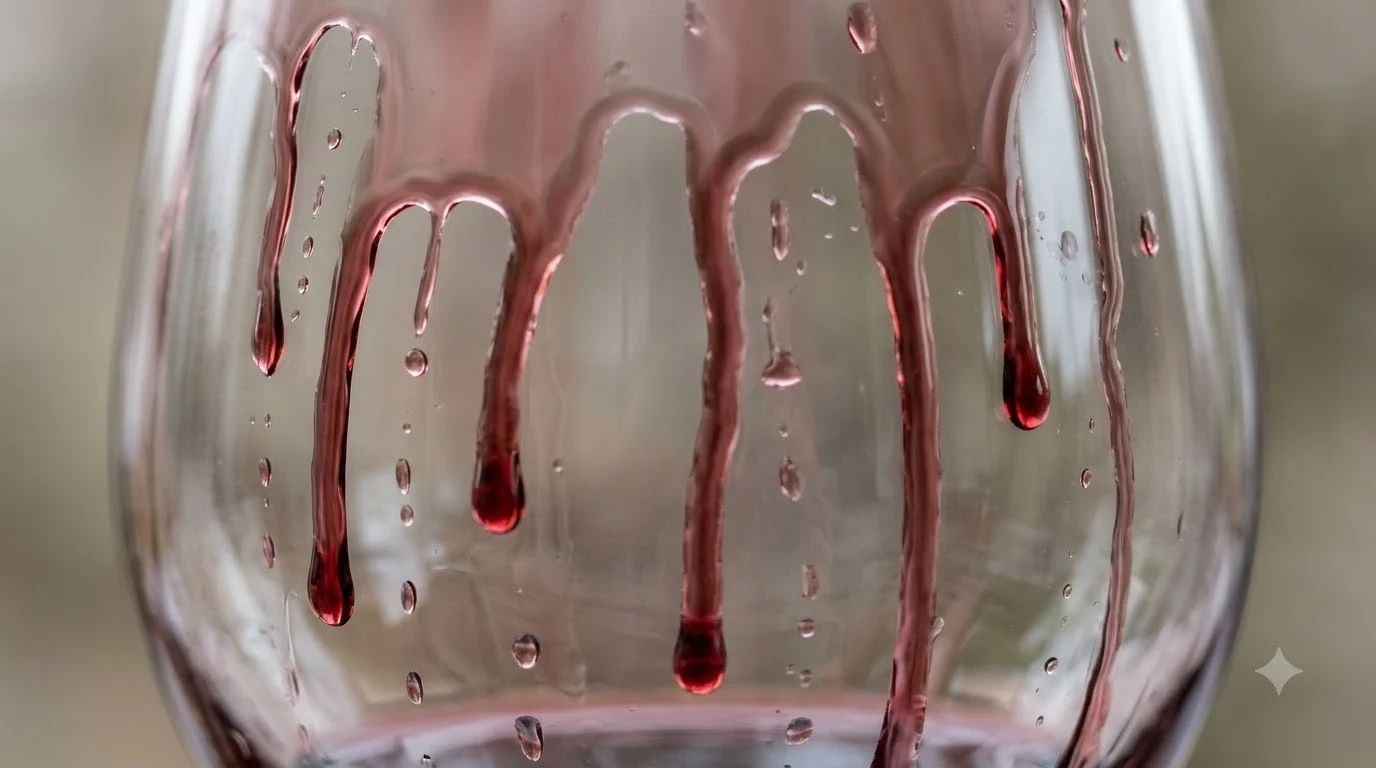
When comparing bordeaux vs shiraz, the core difference comes down to a structured, Old World French red blend versus a bold, sun-ripened single-varietal wine most famous in Australia. Bordeaux wines rely primarily on Cabernet Sauvignon and Merlot to deliver firm tannins, brisk acidity, and earthy, savory layers, whereas Shiraz—the New World name for the Syrah grape—typically brings plush dark fruit, cracked black pepper, and higher alcohol around 14 to 15.5 percent ABV. Choosing between them depends on whether you prefer mineral-driven restraint or rich, fruit-forward intensity.
Walking down the red wine aisle, both bottles command serious presence at the dinner table, yet they offer completely different sensory experiences. Understanding how geography, grape genetics, and winemaking traditions separate a classic French blend from an Australian powerhouse makes picking the right bottle for any meal far easier.
What It Is: French Blend vs. Australian Varietal
Bordeaux is not a single grape variety, but rather a historic wine region on the west coast of central France where winemakers craft structured red blends. Shiraz, by contrast, is the name used predominantly in Australia and other warm New World regions for the single dark-skinned grape known in France as Syrah.
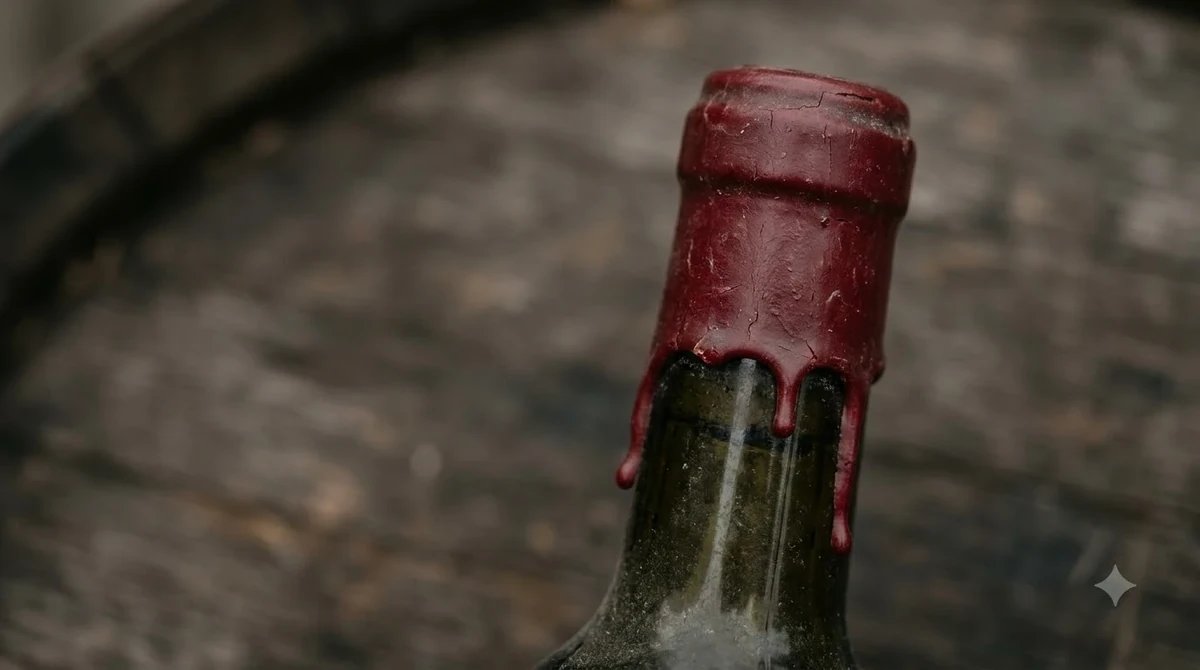
Over 90 percent of all wine produced in Bordeaux is red, built around a core partnership of Cabernet Sauvignon and Merlot. Winemakers also weave in smaller amounts of Cabernet Franc, Petit Verdot, and Malbec—along with tiny quantities of Carménère—to fine-tune color, aromatics, and structure. Because Bordeaux sits close to the Atlantic Ocean, the weather can shift dramatically from year to year. Blending multiple grapes with different ripening schedules gives growers an agricultural safety net while creating multi-layered complexity in the finished bottle.
Shiraz tells a much more direct varietal story. Genetically identical to the Syrah grape that originated in southeastern France’s Rhône Valley, the vine thrives in warm, sunny climates where it develops thick, deeply pigmented skins. As Wine Enthusiast notes in its guide to Syrah and Shiraz, producers in warm Australian regions adopted the Shiraz moniker to signal a riper, lusher, and more fruit-driven style than traditional European Syrah. While a small percentage of producers occasionally blend in a splash of Viognier or Cabernet Sauvignon, most Shiraz bottles showcase the pure, unadulterated power of that single grape.
Flavor Profile and Style Comparison
On the palate, Bordeaux leans toward savory restraint, grippy tannins, and medium-to-high acidity, while Shiraz delivers an opaque, full-bodied wave of ripe dark berries, sweet spice, and smoky richness. Even within Bordeaux, however, flavor shifts noticeably depending on which side of the Gironde estuary the grapes grow.
Left Bank Bordeaux wines—from famous communes like Médoc, Pauillac, and Margaux—are dominated by Cabernet Sauvignon. They bring pronounced flavors of blackcurrant, cedar, graphite, and dried herbs backed by firm tannins built for long cellar aging. Across the water on the Right Bank, in areas like Pomerol and Saint-Émilion, Merlot takes the lead. If you have ever explored the nuances of bordeaux vs merlot, you already know that Right Bank blends feel plush and approachable earlier, highlighting black cherry, plum, milk chocolate, and subtle baking spice with softer tannins.
Shiraz paints with much bolder, darker brushstrokes. When poured into a glass, youthful Shiraz looks almost inky purple—generally darker in color concentration than Cabernet Sauvignon. Reviewers at Wine Folly point out primary tasting notes of blueberry, black plum, milk chocolate, tobacco, and green or black peppercorn. Extended hang time on the vine in sunny climates produces riper sugars and higher alcohol levels, typically landing between 14 and 15.5 percent ABV for Australian Shiraz. Oak aging frequently adds layers of vanilla, mocha, and smoked meat, creating a velvety texture that feels much plusher than a young, structured Bordeaux.
| Attribute | Red Bordeaux | Shiraz |
|---|---|---|
| Grape Composition | Blend (Cabernet Sauvignon, Merlot, Cabernet Franc, Petit Verdot, Malbec) | Single varietal (Syrah grape) |
| Primary Regions | Bordeaux, France (Left Bank and Right Bank) | South Australia (Barossa Valley, McLaren Vale, Adelaide Hills) |
| Typical ABV | Moderate (generally 12.5% to 14% depending on bank and vintage) | Higher (13.5% to 15.5%) |
| Tannin & Acidity | Medium-high to high tannins; brisk acidity | Medium-high, plush tannins; medium acidity |
| Core Flavor Notes | Blackcurrant, plum, cedar, graphite, dried herbs, tobacco | Blackberry, blueberry, black plum, black pepper, smoked meat, vanilla |
Where They Grow and How Climate Shapes the Glass
Climate is the single biggest driver behind the stylistic divide between these two wines. Bordeaux benefits from a moderate maritime climate cooled by the Atlantic Ocean, whereas benchmark Shiraz regions enjoy intense sunshine and warm, dry growing seasons.
In southwestern France, the Bay of Biscay feeds into the Gironde estuary, splitting Bordeaux into distinct microclimates. The Gulf Stream brings enough warmth to extend the growing season through autumn, yet Atlantic rainfall and humidity keep daytime summer temperatures relatively moderate. Gravel-rich soils on the Left Bank drain excess water and retain heat to help late-ripening Cabernet Sauvignon reach maturity, while cooler clay and limestone soils on the Right Bank suit earlier-ripening Merlot. Because weather fluctuates every year, vintage variation plays a massive role in Bordeaux.
Australia’s signature Shiraz heartlands—most notably South Australia’s Barossa Valley, McLaren Vale, and Adelaide Hills—experience far more consistent heat and sunlight. Long, dry summers allow grapes to ripen fully without the constant threat of autumn rain. That reliable sunshine pushes sugar accumulation higher, yielding wines with denser fruit concentration, lower perceived acidity, and fuller body than Old World reds. Even when comparing shiraz vs zinfandel—two famously jammy, sun-soaked reds—Shiraz stands apart for its signature savory streak of black pepper and cured meat underneath the dark berry fruit.
How to Serve Both Wines
Both Bordeaux and Shiraz show their best when served slightly below room temperature and given adequate aeration before pouring. Serving either wine too warm exaggerates alcohol heat and dulls delicate aromatics, while serving them too cold clamps down on flavor.
According to serving guidelines from VINIV Bordeaux, lighter, Merlot-dominant Right Bank Bordeaux wines shine at 57 to 61°F (14 to 16°C), preserving their bright fruit and freshness. More powerful, Cabernet-heavy Left Bank bottles benefit from slightly warmer service between 63 and 64°F (17 to 18°C) so their firm tannins feel supple rather than astringent. For Shiraz, experts recommend an ideal serving window of 60 to 65°F. Because Shiraz often carries 14 to 15.5 percent alcohol, giving the bottle a quick 15-minute chill in the refrigerator before opening keeps the palate balanced and refreshing.
Decanting is equally important for both styles, especially with younger bottles. Pouring a young red Bordeaux into a decanter for at least 30 to 60 minutes introduces oxygen that softens chewy tannins and lets layered notes of cedar and dark fruit open up. Wine Folly similarly recommends decanting bold Syrah or Shiraz for about an hour before serving. Use a large-bowled Bordeaux or universal red wine glass for either bottle so the swirling aromas have room to collect.
Tip: Never store either wine at kitchen room temperature before dinner; put the bottle in the fridge for 15 to 20 minutes prior to uncorking so it hits that sweet spot around 60–64°F.
Food Pairing: Matching Structure to the Plate
Pairing food with Bordeaux or Shiraz comes down to matching the weight, fat, and spice level of your dish to the structure of the wine. Bordeaux’s higher acidity and firm tannins crave rich proteins and fats, while Shiraz’s sweet spice and plush fruit thrive alongside smoky, heavily seasoned, or char-grilled foods.
As Wine Folly explains in its Bordeaux wine primer, pairing red Bordeaux with classic steak frites works because the umami and fat in seared beef bind to the wine’s tannins, making the fruit taste sweeter and smoother in the mouth. Roast lamb, duck breast, beef Wellington, mushroom risotto, and aged hard cheeses like Comté or Gruyère also harmonize naturally with Bordeaux’s earthy, mineral backbone. If you want something significantly lighter on tannins for delicate poultry or salmon, browsing a pinot noir vs shiraz comparison highlights just how much structural muscle both Bordeaux and Shiraz bring to meaty dishes.
Shiraz is tailor-made for bold, smoky, and spiced flavors that might overwhelm a subtle French wine. Easy-drinking, fruit-forward styles pair effortlessly with backyard cheeseburgers, slow-smoked barbecue ribs, and braised short ribs. Meanwhile, Shiraz’s natural notes of black pepper and clove make it a standout partner for dishes seasoned with warming spices—think lamb shawarma, gyros, Chinese five-spice pork, or charred Indian tandoori meats.
How to Choose the Right Bottle for Your Table
Selecting between Bordeaux and Shiraz starts with checking the label for regional cues and thinking about the occasion. Both regions produce everything from approachable everyday bottles to age-worthy collector icons, so reading the fine print ensures you get the style you actually want.
When shopping for Bordeaux, remember that the grape varieties rarely appear on the front label; instead, look for the appellation name. Bottles labeled simply “Bordeaux” or “Bordeaux Supérieur” are typically Merlot-forward, fruitier, and ready to drink right away. If you want structured, cellar-worthy Cabernet power, look for Left Bank commune names like Pauillac, Saint-Estèphe, Saint-Julien, or Margaux. If you prefer velvety, plush texture right out of the gate, choose Right Bank appellations like Saint-Émilion or Pomerol.
Shopping for Shiraz is much more straightforward because the grape name sits front and center on the label. For big, opulent, chocolate-and-blackberry richness, look toward South Australia’s Barossa Valley or McLaren Vale. If you want a slightly cooler, brighter expression with livelier acidity and white-pepper lift, seek out bottles from Adelaide Hills or look for wines labeled “Syrah” from France’s Northern Rhône Valley, Washington State, or coastal California. For more side-by-side style breakdowns, explore our complete Wine vs Wine library.
Frequently Asked Questions
Are Shiraz and Syrah the exact same grape?
Yes, Shiraz and Syrah are genetically the exact same dark-skinned grape variety. Winemakers in France and cooler New World regions use the traditional name Syrah for leaner, more savory wines, while producers in Australia and warmer climates use Shiraz to signal a riper, bolder, and more fruit-forward style.
Which wine is sweeter: Bordeaux or Shiraz?
Both red Bordeaux and Shiraz are fermented dry, meaning they contain virtually zero residual sugar. However, Shiraz often tastes sweeter on the palate because warm-climate ripening produces riper dark berry flavors, vanilla oak notes, and higher alcohol.
Does Bordeaux or Shiraz age longer in the cellar?
Top-tier Left Bank Bordeaux wines are famous for aging effortlessly for decades thanks to their high tannins, brisk acidity, and Cabernet Sauvignon backbone. Benchmark Shiraz from regions like Barossa Valley can also age gracefully for 10 to 20 years, gradually trading primary berry jamminess for savory leather, earth, and dried spice.
Which wine has higher alcohol content?
Shiraz typically has higher alcohol content, commonly ranging between 14 and 15.5 percent ABV due to warm, sunny growing conditions. Red Bordeaux grows in a cooler maritime climate and generally finishes with more moderate alcohol levels.
Ultimately, the choice between Bordeaux and Shiraz comes down to contrast: classic French blend versus bold New World varietal. Keep Bordeaux on hand when dinner calls for structured tannins, earthy complexity, and bright acidity, and reach for Shiraz whenever you want plush dark fruit, peppery spice, and full-bodied warmth.
More in Wine vs Wine
 Nero d’Avola vs Pinot Noir: Taste, Body, and Pairing DifferencesUpdated Nov 21, 2026
 Chenin Blanc vs Pinot Blanc: Key Differences in Taste, Acidity, and PairingsUpdated Nov 21, 2026
 Chardonnay vs Shiraz: Key Differences in Taste, Serving, and PairingUpdated Nov 21, 2026
 Chardonnay vs Verdejo: How Spain’s Crisp White Compares to the World’s ChameleonUpdated Nov 21, 2026
 Chardonnay vs Sancerre: Key Differences in Taste, Grapes, and PairingUpdated Nov 21, 2026
 Chardonnay vs Malbec: Key Differences in Taste, Body, and PairingUpdated Nov 21, 2026