
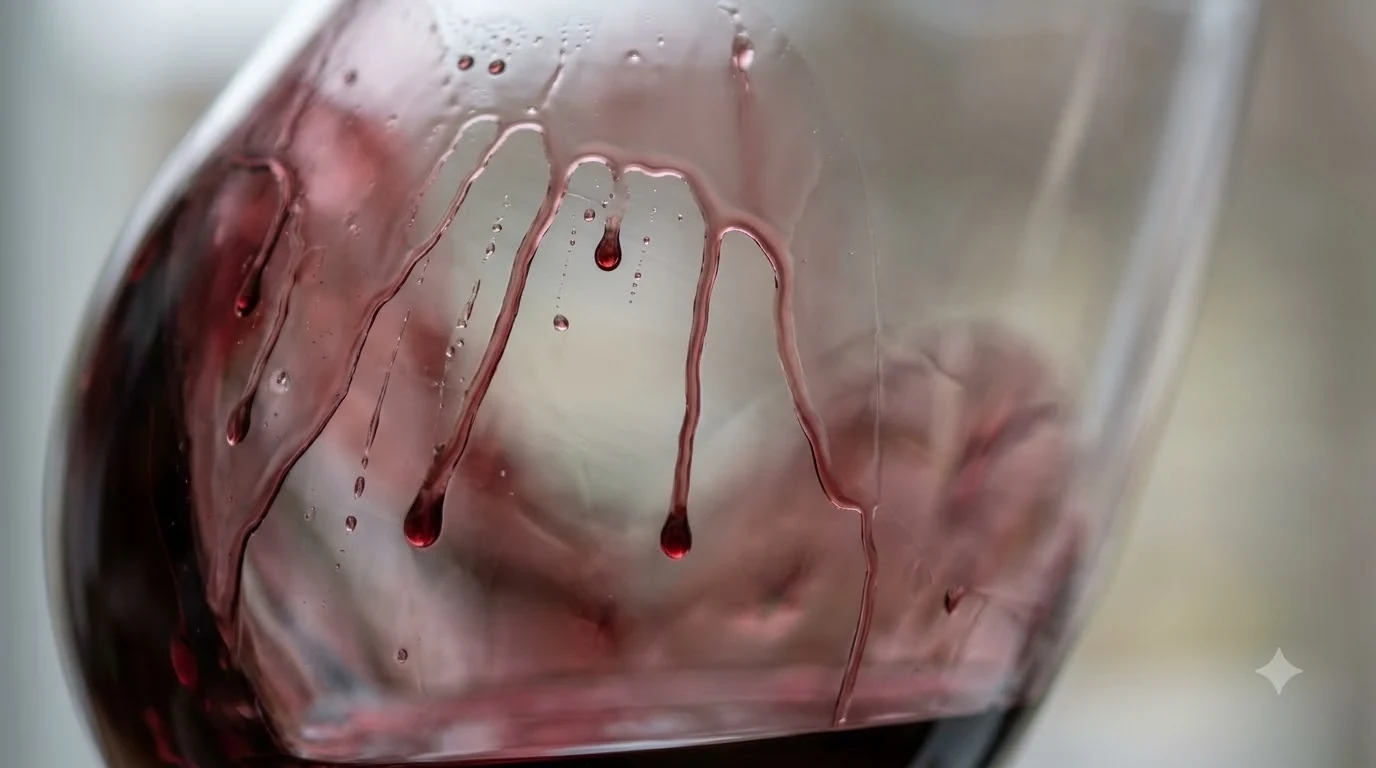

We may earn a commission when you buy through links on this page, at no extra cost to you. Learn more.
Comparing barolo vs sangiovese is a matchup between a prestigious Piedmont wine appellation made from 100 percent Nebbiolo and Italy’s most widely planted red grape variety, which anchors Tuscan icons like Chianti Classico and Brunello di Montalcino. Barolo wines are famous for pale brick-red color, rose petal aromatics, and intense, grippy tannins that require years of bottle age. Sangiovese wines span from bright, cherry-driven everyday bottles to cellar-worthy Tuscan reds defined by sour cherry, dried oregano, and vibrant, mouthwatering acidity.
Italian wine labels often name a geographical place rather than a grape variety, which makes comparing a regional appellation like Barolo to a grape variety like Sangiovese a common point of confusion for shoppers. Understanding how Nebbiolo-based Barolo stacks up against the many faces of Sangiovese clarifies what to expect in the glass, how long to cellar each bottle, and which dishes belong alongside them. For broader context on how famous bottles compare across regions, explore our Wine vs Wine archive.
What Is Barolo vs Sangiovese?
Barolo is a strictly regulated Denominazione di Origine Controllata e Garantita (DOCG) red wine from Piedmont in northwest Italy crafted exclusively from the Nebbiolo grape, whereas Sangiovese is a versatile red grape variety grown across central Italy and beyond.
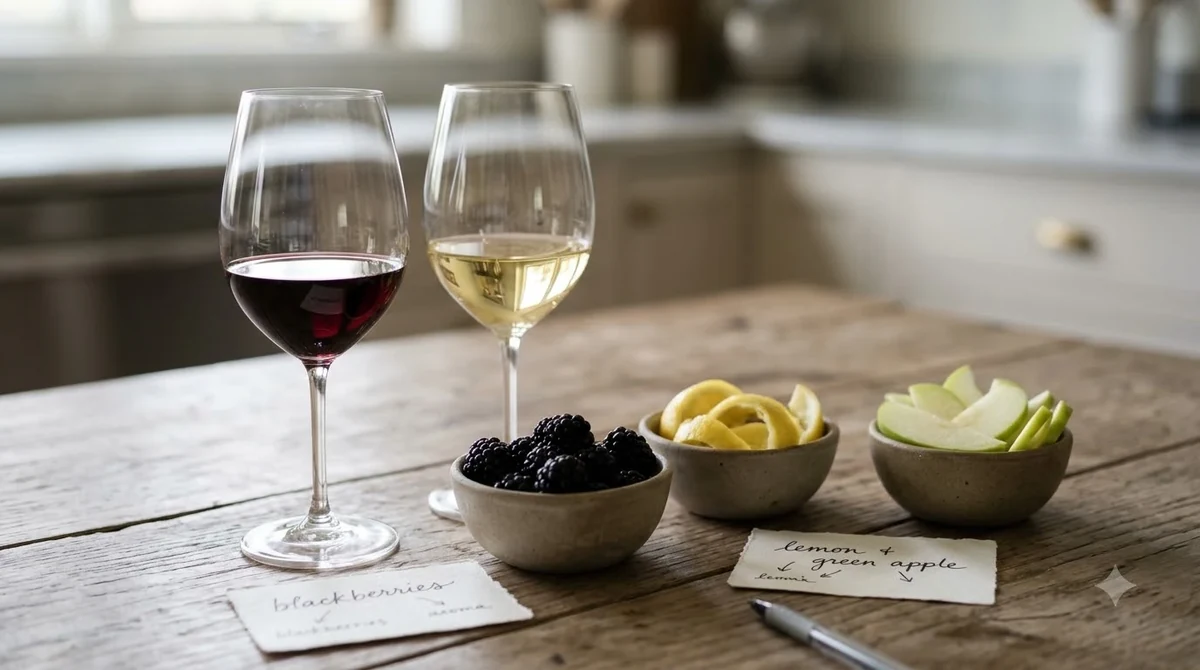
To qualify for the Barolo DOCG label, winemakers must use 100 percent Nebbiolo harvested from designated hillside communes in Piedmont. Italian wine law mandates at least 38 months of aging before release, including a minimum of 18 months in wood barrels, while Barolo Riserva requires 62 months of total aging. According to Wine Folly, this extended maturation helps tame Nebbiolo’s naturally firm tannin structure while preserving its signature floral and red-fruit perfume.
Sangiovese, by contrast, is not a single place or single style of wine—it is Italy’s flagship red grape, accounting for roughly 173,000 acres of vineyards nationwide. Rather than appearing solely under its varietal name, Sangiovese forms the backbone of famous regional appellations across Tuscany, Umbria, and Emilia-Romagna. Depending on the specific appellation, a bottle may be a pure varietal expression—such as Brunello di Montalcino, which requires 100 percent Sangiovese—or a blend, such as Chianti Classico, which requires at least 80 percent Sangiovese alongside complementary local or international varieties.
| Attribute | Barolo (Nebbiolo) | Sangiovese (Key Expressions) |
|---|---|---|
| Classification | DOCG wine appellation in Piedmont | Red grape variety used in multiple DOC/DOCG wines |
| Primary Grape | 100% Nebbiolo | Sangiovese (70% to 100% depending on appellation) |
| Typical ABV | 13.5%–15% ABV | 12.5%–15% ABV (varies by region and style) |
| Body & Structure | Full-bodied, high tannins, high acidity | Medium- to full-bodied, moderate to high tannins, high acidity |
| Core Flavors | Rose petal, tar, red cherry, raspberry, licorice, leather | Sour cherry, red plum, dried oregano, tomato leaf, tobacco |
| Aging Potential | 10–30 years for top vintages | 3–5 years (basic Chianti) to 10–25 years (Brunello) |
Flavor and Styles
Barolo delivers a paradoxical sensory profile that pairs delicate, translucent color and floral aromatics with monumental tannic grip, whereas Sangiovese centers on savory herbal notes, tart red fruit, and brisk acidity.
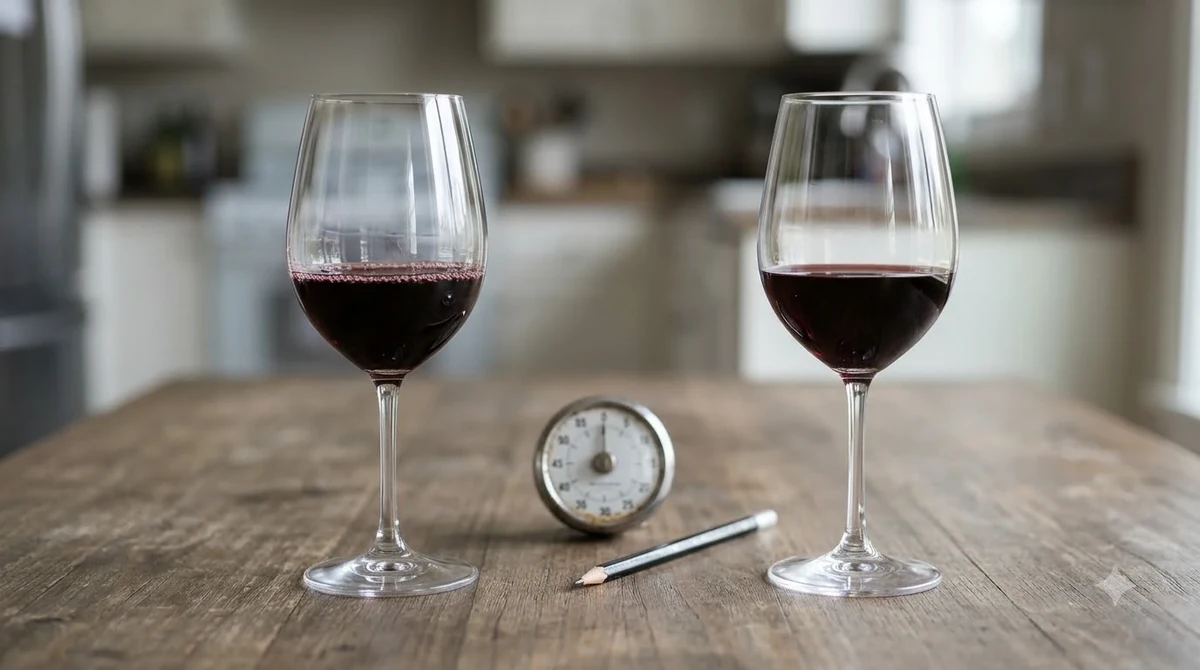
In the glass, Barolo looks surprisingly pale—often garnet or brick-red with an orange rim—yet its palate presence is commanding. Young Barolo opens with fragrant notes of dried rose petals, violets, red cherry, raspberry sauce, cinnamon, and white pepper. Because Nebbiolo carries dense, astringent tannins and high acidity, youthful bottles feel tightly wound. Over a decade or more in the cellar, those tannins soften into a velvety texture while the fruit evolves toward licorice, tar, dried leather, and dark chocolate. Winemakers also divide broadly into traditionalists, who age Barolo in large neutral Slavonian oak casks to highlight pure aromatics, and modernists, who use smaller French oak barriques to impart rounder textures and hints of vanilla and baking spice.
Sangiovese displays a slightly deeper ruby hue that shifts toward terracotta with age, and its flavor spectrum leans decidedly savory and gastronomic. Reviewers at VinePair note that while Sangiovese consistently exhibits hallmark high acidity, its body and fruit profile shift dramatically by appellation. Lighter, everyday styles like basic Chianti DOCG or Rosso di Montalcino emphasize fresh sour cherry, wild strawberry, cranberry, and sweet herbs. More concentrated, oak-aged expressions—such as Chianti Classico Riserva, Vino Nobile di Montepulciano, and Brunello di Montalcino—layer preserved cherry and red plum over dried oregano, aged balsamic, espresso, sweet tobacco, and tilled earth.
Where They Grow
Barolo hails exclusively from a small, fog-draped corner of northwest Italy’s Piedmont region, while Sangiovese thrives across the sunnier rolling hills of central Italy and select New World wine regions.
Nebbiolo is notoriously finicky about soil and microclimate, and nowhere does it express itself more powerfully than in the Langhe hills of Piedmont. The Barolo production zone spans just 11 communes—including Barolo, La Morra, Serralunga d’Alba, Monforte d’Alba, and Castiglione Falletto—located south of the town of Alba. Autumn fog, known locally as nebbia, blankets the valleys while hillside vineyards soak up afternoon sun, allowing late-ripening Nebbiolo grapes to build intense phenolic ripeness alongside brisk acidity. Even within this compact zone, soil differences shape style: the calcareous marl soils of La Morra and Barolo produce more perfumed, supple wines, whereas the sandstone-rich soils of Serralunga d’Alba and Monforte d’Alba yield firmer, more structured bottles built for decades of aging.
Sangiovese flourishes further south in the warmer Mediterranean climate of central Italy, particularly across Tuscany’s Apennine foothills. Tuscany’s stony galestro (marl-shale) and alberese (limestone) soils provide the drainage and heat retention Sangiovese needs to ripen evenly without losing its signature snap of acidity. Beyond Tuscany’s famous sub-zones—Chianti Classico, Montalcino, Montepulciano, and Scansano—Sangiovese is widely planted in neighboring Umbria, Marche, and Emilia-Romagna. Outside Italy, winemakers in California, Washington, Texas, and Australia also cultivate Sangiovese, often producing riper, slightly plush interpretations that retain the grape’s natural tang.
How to Serve
Both wines benefit from proper cellar temperature and aeration before pouring, though young Barolo demands significantly longer decanting than approachable styles of Sangiovese.
Serve Barolo slightly below room temperature at 60 to 68 degrees Fahrenheit (15 to 20 degrees Celsius). Serving it too warm exaggerates its 13.5 to 15 percent alcohol and makes the tannins feel harsh, while serving it too cold mutes its intricate floral bouquet. If you open a Barolo that is less than ten years old, decant it for at least one to two hours before dinner to soften its astringent grip and allow rose, spice, and red-fruit aromas to open up. For mature bottles aged 15 years or more, decant gently just before serving solely to separate the clear wine from natural sediment, as prolonged air exposure can cause delicate older aromas to fade.
Sangiovese performs best at a similar cool cellar range of 60 to 65 degrees Fahrenheit, with lighter, unoaked Chianti styles shining closer to 58 to 60 degrees Fahrenheit. Young, everyday Sangiovese bottles require little more than 20 to 30 minutes of breathing time in the glass or a brief splash into a decanter. However, structured Tuscan bottles—especially Chianti Classico Riserva, Gran Selezione, and Brunello di Montalcino—benefit from 45 minutes to an hour in a wide-bottomed decanter. Use a large-bowled Burgundy or universal aroma-collector wine glass for both Barolo and structured Sangiovese so the swirling motion concentrates their lifted floral and herbal aromatics.
Tip: When opening a young Barolo on a weeknight, pull the cork and pour a small taste two hours before your meal—the extra headspace inside the bottle acts as a slow, gentle decanter.
Food Pairing
Barolo requires rich, fat-marbled meats or earthy truffle dishes to cushion its formidable tannins, whereas Sangiovese’s bright acidity makes it an effortless partner for tomato-based sauces, herbs, and roasted meats.
Pairing food with Barolo is all about taming tannin through protein, fat, and umami. Because Nebbiolo’s tannins bind to proteins on the palate, dishes rich in butter, olive oil, braised beef, or aged cheese transform Barolo’s astringency into a smooth, savory finish. Classic Piedmontese matches include brasato al Barolo (beef braised in red wine), tajarin pasta tossed with butter and shaved white Alba truffles, wild mushroom risotto, and roasted game birds. Avoid pairing Barolo with overly spicy chili dishes or delicate white fish, as capsaicin amplifies alcohol heat and subtle seafood gets overwhelmed by the wine’s structure.
Sangiovese is widely regarded by sommeliers as one of the most food-friendly red wines on the dinner table because its brisk acidity cuts cleanly through rich fats and mirrors acidic ingredients. Tomato-based dishes—such as ragu alla Bolognese, wood-fired Margherita pizza, eggplant Parmesan, and pasta all’amatriciana—clash with many heavy red wines, yet Sangiovese’s tart cherry and herbal profile harmonizes naturally with cooked tomatoes. Heartier Sangiovese expressions like Brunello di Montalcino also stand up effortlessly to grilled porterhouse steak (bistecca alla Fiorentina), herb-crusted rack of lamb, cured salumi, and aged Pecorino Toscano cheese.
How to Choose a Bottle
Selecting between Barolo and Sangiovese comes down to your occasion, meal, and whether you want an immediate weeknight pour or a structured bottle built for the cellar.
Choose Barolo when you are planning a celebratory dinner centered on slow-cooked meats, mushrooms, or truffles, or when you want a collectible wine to age for 10 to 25 years. Check the vintage and commune on the label: bottles from La Morra and Barolo tend to feel softer and more fragrant earlier in life, while Serralunga d’Alba and Monforte d’Alba deliver maximum power and longevity. If you love Nebbiolo’s rose-and-cherry personality but want something more approachable right away, look for Langhe Nebbiolo DOC or neighboring Barbaresco DOCG, which share the same grape with gentler tannins.
Reach for Sangiovese when you want versatility, bright acidity, and reliable pairing power across a wide spectrum of meals and budgets. For casual weeknight pasta, pizza, or roasted chicken, pick up a young Chianti Classico Annata, Morellino di Scansano, or Rosso di Montalcino. When the menu calls for steak or celebratory roasting, step up to Chianti Classico Riserva, Vino Nobile di Montepulciano, or Brunello di Montalcino for deeper oak complexity and cellar potential. If you want to compare specific regional showdowns side by side, check out our guides on barolo vs chianti, montepulciano vs sangiovese, and amarone vs barolo.
Frequently Asked Questions
Is Barolo made from Sangiovese grapes?
No, Barolo is made exclusively from 100 percent Nebbiolo grapes grown in Piedmont in northwest Italy. Sangiovese is a completely different red grape variety primarily grown in central Italy’s Tuscany region, where it forms the base of Chianti and Brunello di Montalcino.
Which wine is more tannic, Barolo or Sangiovese?
Barolo is noticeably more tannic than almost all styles of Sangiovese. Nebbiolo naturally carries high levels of firm, mouth-drying tannins that require extended wood aging and decanting, whereas Sangiovese balances moderate-to-high tannins with sharper, mouthwatering acidity.
Which is better for aging in a wine cellar?
Top-tier Barolo and prestigious 100 percent Sangiovese wines like Brunello di Montalcino are both benchmark cellar wines capable of aging 10 to 25 years or longer. However, everyday Sangiovese styles such as basic Chianti are crafted for freshness and are best enjoyed within three to five years of release.
Can you substitute Sangiovese for Barolo in cooking or pairing?
For dinner pairings, structured Sangiovese wines like Chianti Classico Riserva or Brunello di Montalcino make excellent substitutes alongside braised meats, mushrooms, and hard cheeses. For cooking, a dry Chianti or Langhe Nebbiolo works well in braises, saving collectible Barolo for the glass.
Both Barolo and Sangiovese showcase why Italian red wines remain benchmarks for food-friendly structure and regional identity. Once you know that Barolo delivers perfumed, tannic Nebbiolo from Piedmont while Sangiovese offers savory, high-acid versatility from central Italy, choosing the right bottle for tonight’s menu becomes effortless.
More in Wine vs Wine
 Nero d’Avola vs Pinot Noir: Taste, Body, and Pairing DifferencesUpdated Nov 21, 2026
 Chenin Blanc vs Pinot Blanc: Key Differences in Taste, Acidity, and PairingsUpdated Nov 21, 2026
 Chardonnay vs Shiraz: Key Differences in Taste, Serving, and PairingUpdated Nov 21, 2026
 Chardonnay vs Verdejo: How Spain’s Crisp White Compares to the World’s ChameleonUpdated Nov 21, 2026
 Chardonnay vs Sancerre: Key Differences in Taste, Grapes, and PairingUpdated Nov 21, 2026
 Chardonnay vs Malbec: Key Differences in Taste, Body, and PairingUpdated Nov 21, 2026