

We may earn a commission when you buy through links on this page, at no extra cost to you. Learn more.
The core difference in barolo vs burgundy comes down to grape variety, tannin structure, and regional origin: Barolo is a full-bodied, high-tannin Italian red made from Nebbiolo in Piedmont, while red Burgundy is a lighter-bodied, silky French red made from Pinot Noir in Bourgogne. Both wines share pale ruby-to-garnet colors, high acidity, and intense sensitivity to vineyard soil and microclimate. However, Barolo delivers firm, grippy tannins and notes of rose petal, tar, and sour cherry, whereas red Burgundy emphasizes plush red berries, forest floor, and delicate spice.
Wine enthusiasts frequently compare these two European benchmarks because both rely on a single red grape variety and an obsessive focus on single-vineyard sites. Understanding how their grapes, climates, and cellar traditions diverge makes it much easier to pick the right bottle for dinner or long-term cellaring.
What It Is
Barolo and red Burgundy represent the pinnacle of single-varietal winemaking in northern Italy and eastern France, respectively. While both wines achieve extraordinary aromatic complexity without heavy color extraction, they are built on completely different structural foundations.
Barolo is a Denominazione di Origine Controllata e Garantita (DOCG) red wine produced exclusively from 100 percent Nebbiolo grapes in Italy’s Piedmont region. Named after the Italian word for fog—nebbia—that blankets the hills every autumn, Nebbiolo is a late-ripening variety famous for producing translucent wines with formidable tannin and brisk acidity. According to Wine Folly’s guide to Barolo, Italian regulations require the wine to age for at least 38 months before release, including a minimum of 18 months in wood, while Barolo Riserva requires 62 months.
Red Burgundy refers to dry red wines crafted from 100 percent Pinot Noir in France’s Bourgogne region. Unlike Barolo’s statutory aging minimums, Burgundy’s classification system centers strictly on vineyard geography, ascending from regional Bourgogne bottles to Village, Premier Cru, and Grand Cru sites. Reviewers at Wine Folly’s Pinot Noir profile note that cool-climate Pinot Noir naturally develops medium-low tannins alongside vibrant acidity, giving red Burgundy a supple, satin-like texture even in its youth.
| Feature | Barolo | Red Burgundy |
|---|---|---|
| Country and Region | Piedmont, Northwest Italy | Bourgogne, Eastern France |
| Primary Grape | 100% Nebbiolo | 100% Pinot Noir |
| Body | Full | Light to Medium |
| Tannins | High and grippy | Medium-low and silky |
| Acidity | High | Medium-high |
| Typical ABV | 13.5%–15% | 12%–14% |
| Serving Temperature | 60–68°F (15–20°C) | 55–63°F (13–17°C) |
| Peak Drinking Window | 10–25+ years | 5–18 years |
Flavor and Styles
In the glass, both wines deceive casual drinkers with their pale, translucent hues, yet their aromatic and textural profiles move in opposite directions. Barolo leads with floral perfume and structural power, while red Burgundy seduces with bright berry fruit and earthy nuance.
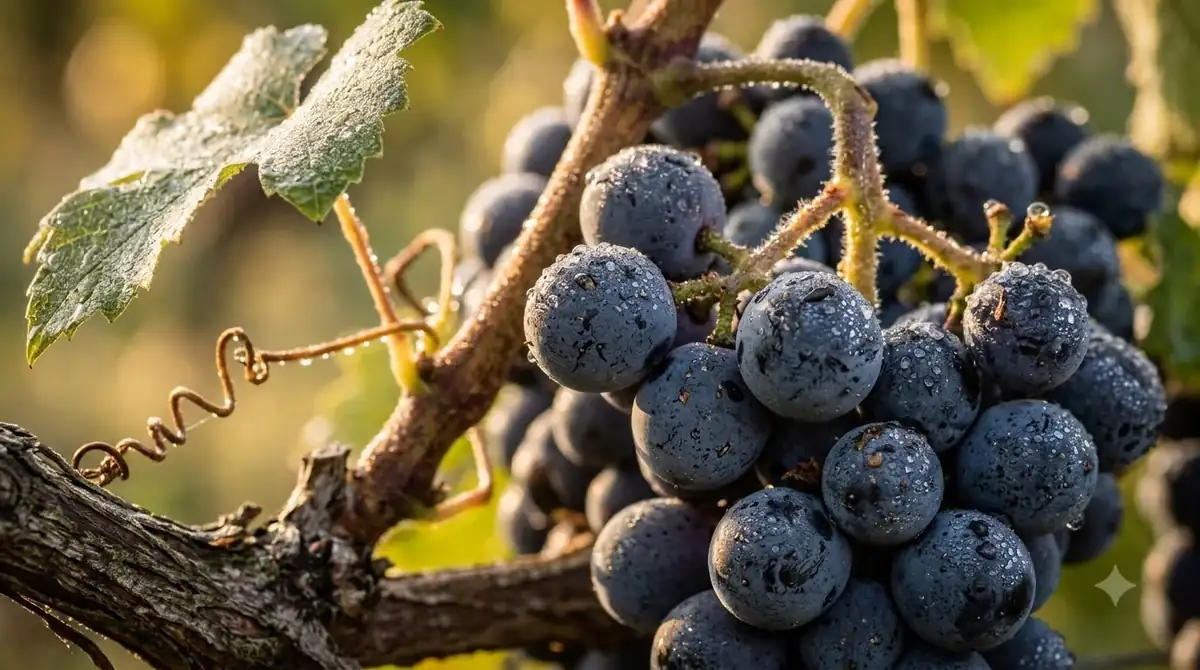
A classic Barolo opens with unmistakable aromatics of dried rose petals, wild strawberry, sour red cherry, and crushed herbs, underscored by savory hints of licorice, leather, and tar. In youth, its high tannins coat the palate with a firm, drying grip that demands time or rich food to soften. Winemaking choices divide Barolo into two broad camps: traditional producers use extended skin macerations and large Slavonian oak casks (botti) that emphasize structure and longevity, whereas modernists favor shorter fermentations and smaller French oak barriques for rounder, earlier-drinking fruit.
Red Burgundy trades Nebbiolo’s assertive grip for aromatic lift and plush texture. Young bottles burst with fresh raspberry, red currant, cranberry, and sweet cherry, layered with subtle baking spices like clove and vanilla from French oak barrels. As red Burgundy matures, those primary fruit notes evolve into savory tertiary aromas of damp forest floor, wild mushroom, wet leaves, and game. If you enjoy comparing Italian reds across regions, exploring barolo vs chianti highlights how Nebbiolo’s floral intensity differs from Sangiovese’s herbal, tomato-leaf profile.
Where It Grows
Both regions sit along narrow hillside corridors where subtle shifts in slope, elevation, and soil composition dramatically alter the finished wine. This shared devotion to micro-terroir explains why collectors often study vineyard maps of Piedmont and Burgundy side by side.
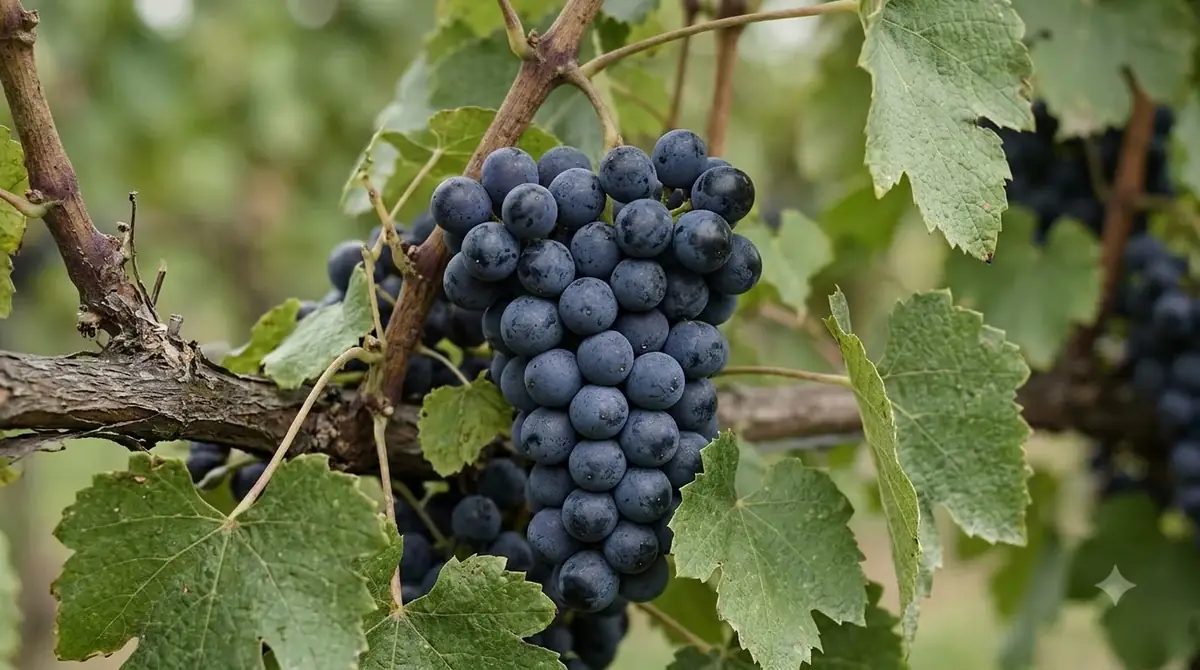
Barolo is produced across eleven communes in the Langhe hills just south of Alba in Piedmont, shielded by the Alps and the Apennines. Within this compact zone, soils divide into two main geological profiles that shape distinct commune personalities. The calcareous marl soils of La Morra and Barolo produce softer, more perfumed, and earlier-maturing wines, while the older sandstone and limestone soils of Serralunga d’Alba, Monforte d’Alba, and Castiglione Falletto yield denser, more structured Barolos built for decades in the cellar.
Red Burgundy reaches its highest expression along the Côte d’Or, a narrow limestone escarpment in eastern France divided into the Côte de Nuits in the north and the Côte de Beaune in the south. The Côte de Nuits houses nearly all of Burgundy’s red Grand Cru vineyards—such as Gevrey-Chambertin, Chambolle-Musigny, and Vosne-Romanée—producing structured, deeply aromatic Pinot Noir. Further south, the Côte de Beaune yields slightly softer, more approachable reds alongside world-famous Chardonnay, with continental weather patterns bringing brisk autumn temperatures that preserve Pinot Noir’s natural acidity.
How to Serve
Proper temperature, glassware, and aeration make a dramatic difference for both wines, though Barolo requires substantially more patience before pouring. Serving either bottle too warm dulls its delicate floral and berry aromatics and amplifies alcohol heat.
Serve Barolo slightly below room temperature at 60–68°F (15–20°C) in a wide-bowled “aroma collector” or Burgundy glass that traps its volatile rose and spice notes. Young Barolos—especially bottles under ten years old—benefit from at least one to three hours in a decanter so oxygen can soften their assertive tannins. Older vintages with heavy sediment should be stood upright for 24 hours before opening and decanted gently just prior to dinner so fragile tertiary aromas do not fade.
Red Burgundy prefers a slightly cooler cellar temperature between 55°F and 63°F (13–17°C); placing the bottle in the refrigerator for 15 to 20 minutes before opening usually hits the sweet spot. Use the same broad, tulip-shaped Burgundy stemware to concentrate Pinot Noir’s perfume. Unlike Barolo, mature red Burgundy rarely needs aggressive decanting—a simple 20-to-30-minute rest in the glass is usually plenty for the bouquet to unfurl.
Tip: Pour both wines into large, wide-bowled Burgundy glasses—the extra surface area lets Nebbiolo’s rose-petal aromatics and Pinot Noir’s forest-floor nuances open up immediately.
Food Pairing
High acidity makes both Barolo and red Burgundy remarkably versatile at the dinner table, yet their contrasting tannin levels dictate very different protein and fat pairings. Matching the weight of the dish to the structure of the wine keeps either bottle from overpowering the plate.
Barolo’s firm tannins and 13.5% to 15% ABV demand rich, protein-heavy, and fat-marbled dishes that bind to tannin molecules and smooth out the finish. Classic Piedmontese pairings include brasato al Barolo (beef braised in red wine), roasted lamb shanks, wild boar ragù, rich truffle risotto, and aged hard cheeses like Parmigiano-Reggiano or Castelmagno. For a broader look at how Nebbiolo stacks up against another powerhouse Italian red at the table, see our breakdown of amarone vs barolo.
Red Burgundy’s lower tannins and lighter frame shine alongside earthy, savory, and moderately rich dishes where a heavy red would dominate. Roast duck breast, coq au vin, herb-crusted pork tenderloin, and pan-seared salmon all harmonize effortlessly with Pinot Noir’s bright cherry acidity. Earthy ingredients—especially sautéed wild mushrooms, truffles, and roasted root vegetables—mirror the savory, woodland notes of mature Burgundy.
How to Choose a Bottle
Choosing between these two icons comes down to your drinking timeline, meal plan, and preferred mouthfeel. Neither style is inherently superior, as each excels under different dining and cellaring circumstances.
Reach for Barolo when you are serving slow-cooked red meats, want a wine capable of aging gracefully for 15 to 25 years, or enjoy structured reds with floral aromatics and firm grip. If you want to experience Nebbiolo’s signature rose-and-cherry perfume without waiting a decade, look for bottles from La Morra or try a younger regional Langhe Nebbiolo. Readers who already gravitate toward structured New World reds can also compare how Nebbiolo’s grip differs from Bordeaux varieties in our guide to barolo vs cabernet sauvignon.
Choose red Burgundy when you want immediate silkiness, delicate red-berry fruit, and a versatile dinner companion for poultry, game birds, or mushroom-driven dishes. Village-level bottles from reputable Côte de Beaune or Côte de Nuits communes offer classic Burgundian character within three to eight years of the vintage, while Premier Cru and Grand Cru bottlings reward longer cellaring. You can browse additional side-by-side grape matchups in our Wine vs Wine hub.
Frequently Asked Questions
Is Barolo considered the Burgundy of Italy?
Wine writers often call Barolo the Burgundy of Italy because both regions rely on a single red grape variety and divide their hillsides into named single-vineyard sites, known as crus in Barolo and climats in Burgundy. Despite this shared geographic philosophy, the wines taste quite different: Barolo is fuller-bodied with high tannins, whereas red Burgundy is lighter and silkier.
Which wine has more tannins, Barolo or Burgundy?
Barolo has significantly higher tannins than red Burgundy. Nebbiolo grapes naturally pack dense, grippy tannins that create a firm drying sensation on the gums and require extended aging or rich food to soften, while Pinot Noir produces medium-low tannins with a smooth, velvety finish.
Which ages longer, Barolo or red Burgundy?
Top Barolos generally age longer than most red Burgundies, routinely evolving for 15 to 30 years in a cool cellar thanks to Nebbiolo’s combination of high tannin and high acidity. While Grand Cru red Burgundies can also cellar for two decades or more, most Village and Premier Cru Burgundies reach their peak drinking window between 5 and 15 years.
Why are Barolo and red Burgundy both pale in color?
Both Nebbiolo and Pinot Noir have relatively thin grape skins containing fewer dark anthocyanin pigments than thick-skinned grapes like Cabernet Sauvignon or Syrah. As a result, both wines pour a translucent ruby or garnet shade in the glass even when their flavors and structural power are intense.
Comparing barolo vs burgundy highlights two distinct ways a translucent red wine can achieve world-class complexity: Piedmont achieves it through Nebbiolo’s floral perfume, brisk acidity, and structural grip, while Bourgogne captures it through Pinot Noir’s silken texture and woodland nuance. Whether you open a young Côte de Beaune Pinot Noir with roast duck or decant a structured Serralunga Barolo for braised short ribs, tasting both side by side is one of the best ways to sharpen your palate.
More in Wine vs Wine
 Nero d’Avola vs Pinot Noir: Taste, Body, and Pairing DifferencesUpdated Nov 21, 2026
 Chenin Blanc vs Pinot Blanc: Key Differences in Taste, Acidity, and PairingsUpdated Nov 21, 2026
 Chardonnay vs Shiraz: Key Differences in Taste, Serving, and PairingUpdated Nov 21, 2026
 Chardonnay vs Verdejo: How Spain’s Crisp White Compares to the World’s ChameleonUpdated Nov 21, 2026
 Chardonnay vs Sancerre: Key Differences in Taste, Grapes, and PairingUpdated Nov 21, 2026
 Chardonnay vs Malbec: Key Differences in Taste, Body, and PairingUpdated Nov 21, 2026