
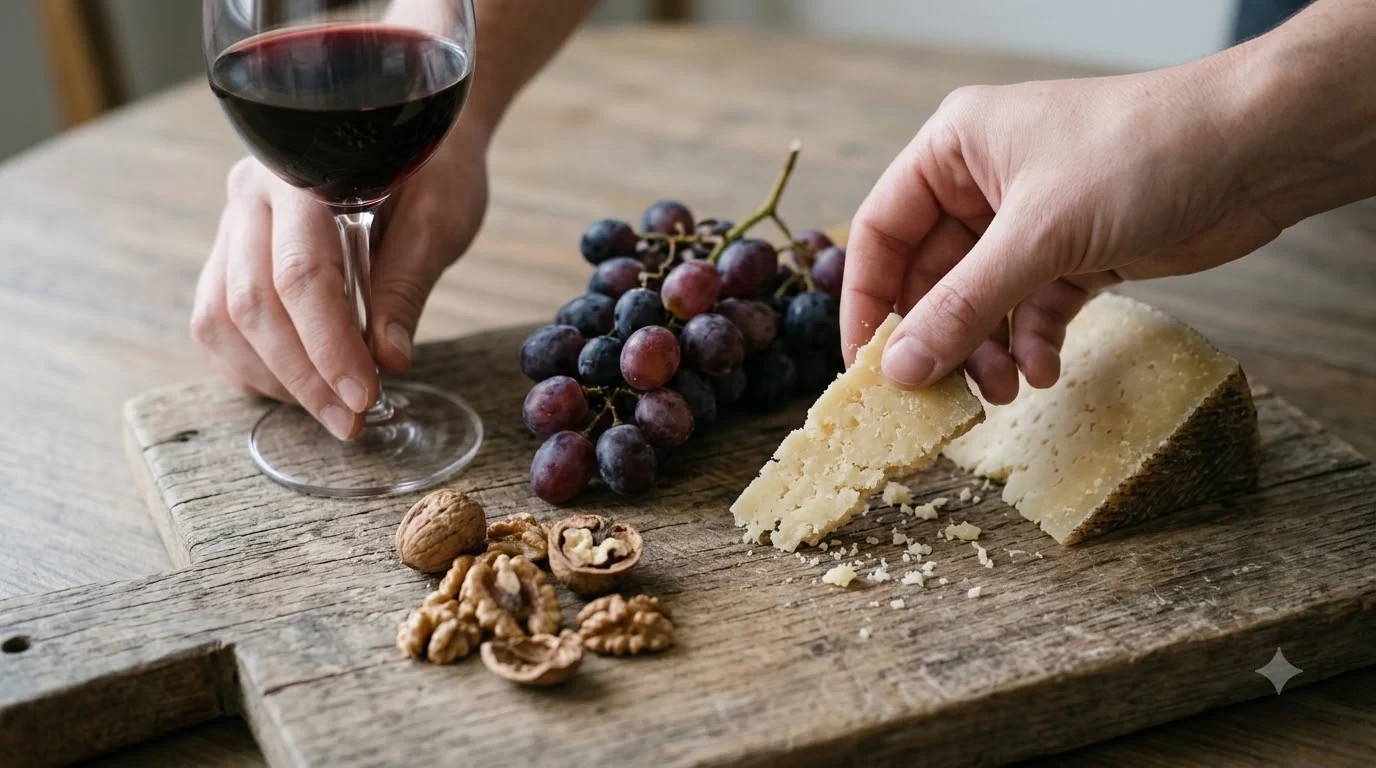

We may earn a commission when you buy through links on this page, at no extra cost to you. Learn more.
When comparing amarone vs shiraz, the core difference comes down to winemaking technique and grape origin: Amarone is an Italian red blend crafted from partially dried grapes, while Shiraz is a single-variety red wine (genetically identical to Syrah) made from fresh, sun-ripened grapes. Amarone della Valpolicella relies on the traditional appassimento drying process to concentrate sugars, pushing alcohol levels to 15 percent ABV or higher with velvety dried-fruit and bittersweet chocolate flavors. Shiraz delivers bold dark berry fruit, black pepper, and smoky spice at a slightly lighter 13.5 to 15 percent ABV, offering broader stylistic range from plush warm-climate bottles to savory cool-climate expressions.
Both wines command serious presence at the dinner table, appealing to drinkers who appreciate rich textures, generous fruit, and warming alcohol. Yet pouring them side by side reveals two distinct philosophies of red winemaking. One achieves its intensity in the drying loft over winter months, while the other captures direct vineyard sunshine and varietal spice in the glass.
What Is Amarone vs Shiraz?
Amarone della Valpolicella is a dry, full-bodied Italian red blend produced by drying harvested grapes for up to 120 days before fermentation, whereas Shiraz is a varietal wine made from freshly crushed dark-skinned grapes most closely associated with Australia. Though both sit at the bold end of the red wine spectrum, their structural blueprints begin with completely different grape varieties and cellar methods.
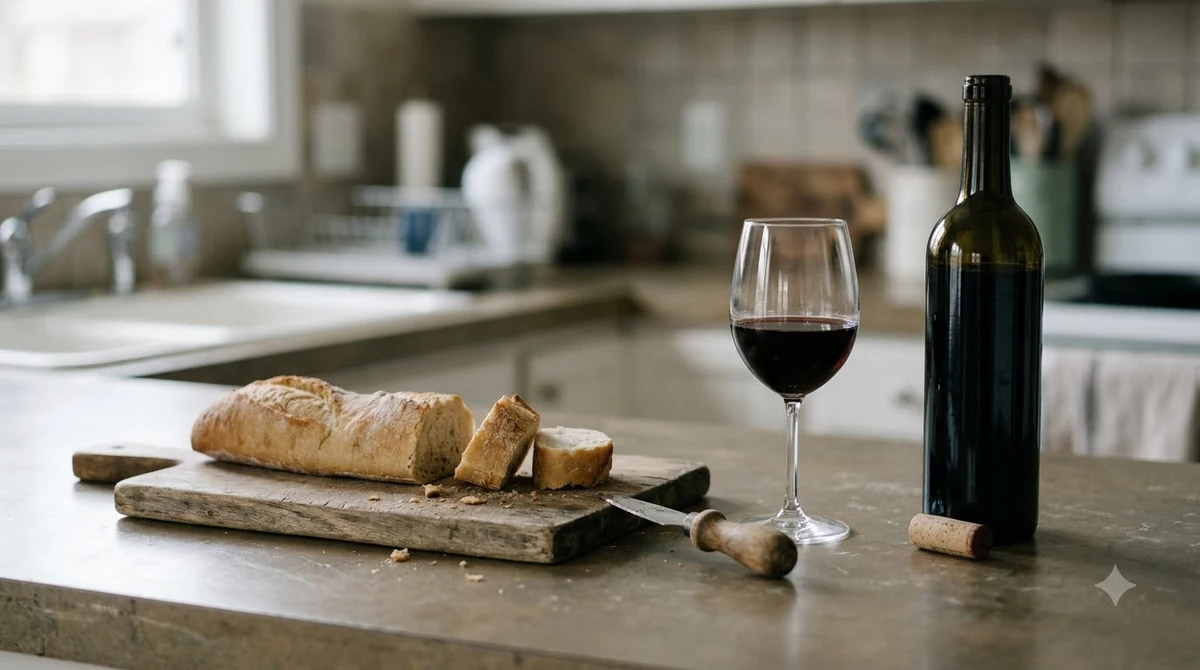
To make Amarone, winemakers in northern Italy harvest native red grapes—primarily Corvina, alongside Corvinone, Rondinella, and occasionally Molinara—and lay them out on straw mats or in ventilated wooden crates. According to Wine Folly, this process, called appassimento, dehydrates the berries until they lose roughly 30 to 40 percent of their liquid weight. Pressing these shriveled grapes requires twice as much fruit per bottle as standard table wine, followed by a slow fermentation lasting 35 to 50 days and a mandatory minimum of two years aging in oak casks.
Shiraz, by contrast, is the name used predominantly in Australia and South Africa for the Syrah grape, a dark-skinned variety that originated in southeastern France’s Rhône Valley. Rather than dehydrating the harvest, vintners crush fresh, fully ripe grapes immediately after picking. Fermentation proceeds at conventional speeds, and winemakers often mature the wine in French or American oak barrels to frame its natural fruit density with toast, vanilla, and spice.
Because Amarone concentrates sugars through dehydration before yeast converts them to alcohol, finished bottles routinely reach 15 to 16 percent ABV while retaining a whisper of residual sugar that softens their firm grip. Shiraz achieves its weight through grape skin thickness and warm-weather ripeness, typically landing between 13.5 and 15 percent ABV with a completely dry finish. If you enjoy exploring how major red styles diverge, our broader Wine vs Wine archive breaks down similar foundational matchups.
Flavor and Styles
Amarone tastes of fig, dried cherry, cinnamon, and dark chocolate with a bittersweet, velvety finish, while Shiraz showcases fresh blackberry, black plum, cracked pepper, and smoked meat. The contrast in their aromatic profiles stems directly from how dried versus fresh fruit interacts with oak aging and fermentation.
In the glass, Amarone displays a deep ruby hue that gradually shifts toward brick-orange at the rim as it matures. Its bouquet leans into stewed and dried fruits—think black cherry liqueur, raisin, and dried fig—layered with sweet baking spices, espresso, almond, and a signature bitter cocoa edge on the back palate. Despite high acidity and sturdy tannins, that tiny trace of unfermented sugar gives Amarone a plush, enveloping mouthfeel that feels almost liqueur-like without crossing into dessert-wine sweetness.
Shiraz pours an opaque, inky purple-black and greets the nose with vibrant, primary dark fruits such as blueberry, blackberry, and black plum. As Wine Enthusiast notes, Australian Shiraz spans a wide stylistic spectrum depending on regional climate and winemaking choices. Warm-climate expressions burst with jammy fruit, licorice, and chocolatey oak, while cooler sites yield medium-bodied, savory bottles marked by violet florals, green peppercorn, black olive, and cured meat.
| Attribute | Amarone della Valpolicella | Shiraz |
|---|---|---|
| Grape Varieties | Blend led by Corvina, Corvinone, Rondinella | Single varietal (Syrah) |
| Winemaking Method | Appassimento (grapes dried up to 120 days) | Traditional fresh-grape crush and fermentation |
| Typical ABV | 15% to 16% | 13.5% to 15% |
| Body and Tannin | Full-bodied, high tannin, velvety texture | Medium-full to full-bodied, medium-high tannin |
| Core Flavor Notes | Dried cherry, fig, cinnamon, dark chocolate, almond | Blackberry, black plum, black pepper, licorice, smoke |
| Aging Potential | 10 to 20+ years | 5 to 15+ years (depending on region) |
Stylistically, Amarone also has a sibling tier called Amarone Riserva, which undergoes extended aging—often four years or more—before release, yielding secondary notes of leather, pipe tobacco, and forest floor. Shiraz offers its own stylistic offshoots, including Shiraz-Viognier blends co-fermented with a splash of white grapes for floral lift, as well as traditional sparkling red Shiraz bottled in Australia for festive occasions.
Where It Grows
Amarone comes exclusively from the Veneto region of northeastern Italy just north of Verona, whereas Shiraz thrives across Australia’s diverse wine zones as well as South Africa and parts of the New World. Geography and strict appellation laws dictate where authentic bottles of each can be produced.
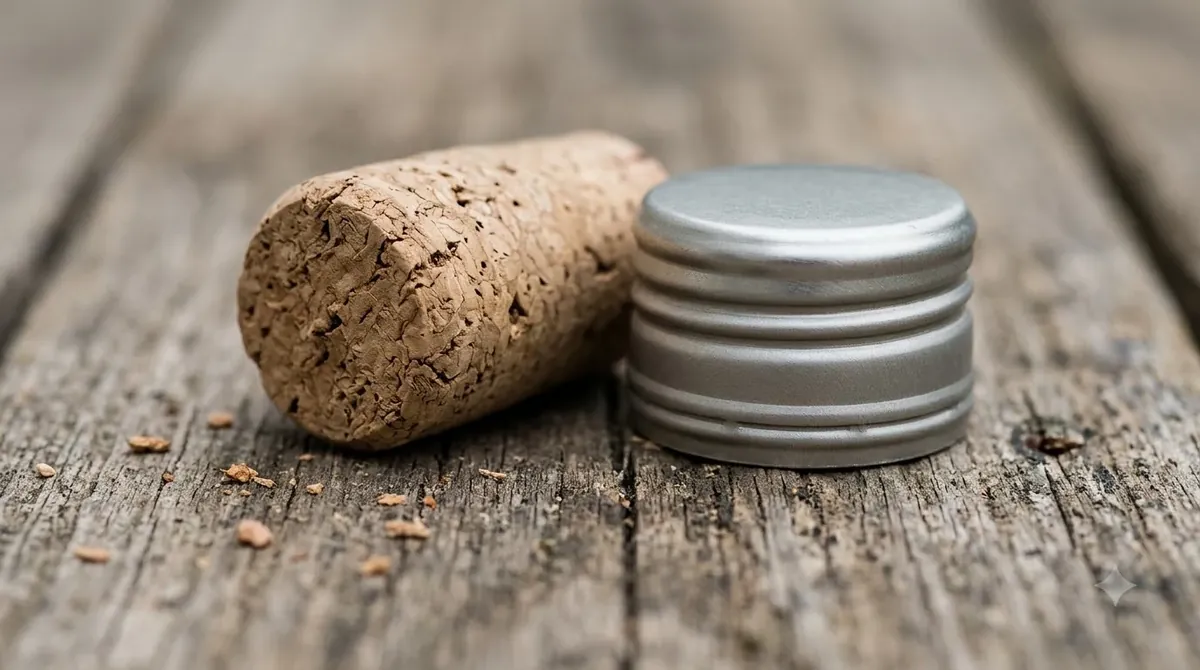
Under Italian DOCG regulations, true Amarone della Valpolicella can only be made within a delimited crescent of foothills stretching between Lake Garda and the Soave white wine zone. The historic heartland is the Classico sub-zone—encompassing communes like Negrar, Marano, Fumane, Sant’Ambrogio, and San Pietro in Cariano—where hillside vineyards benefit from cooling Alpine breezes and well-drained limestone soils. Surrounding valleys such as Valpantena and the eastern Illasi and Mezzane valleys also produce acclaimed bottlings with distinct mineral and herbal nuances.
Shiraz has no single geographic boundary, though Australia turned the grape into its flagship export across more than 65 winemaking regions. South Australia’s warm Barossa Valley and McLaren Vale are famous for old-vine plantings—some over a century old—that produce dense, powerful reds. Meanwhile, elevated or coastal Australian regions like Adelaide Hills, Yarra Valley, Heathcote, and Margaret River showcase the grape’s restrained, aromatic side, often bottling it under the French name Syrah to signal a lighter frame.
Outside Australia, South Africa’s Stellenbosch and Swartland regions craft structured, smoky Shiraz with earthy undertones, and producers in California and Washington State frequently use the Shiraz label for ripe, sun-drenched bottlings. Readers curious about how Shiraz compares to other powerhouse New World reds can explore our matchup on shiraz vs zinfandel.
How to Serve
Serve Amarone slightly cool at 60 to 64 degrees Fahrenheit after decanting for one to two hours, while Shiraz shines at 60 to 68 degrees Fahrenheit with about 30 to 60 minutes of aeration. Giving both wines proper temperature control and oxygen prevents their elevated alcohol from feeling hot on the palate.
Because Amarone packs intense concentration and high alcohol, serving it at warm room temperature can make the spiritous notes overwhelm its delicate dried-floral and spice aromatics. Chilling the bottle in the refrigerator for 20 to 30 minutes before pouring brings it into the ideal 60 to 64 degree range. Always reach for oversized, wide-bowled Bordeaux or balloon glasses so the complex bouquet of cherry liqueur, cocoa, and clove has room to unfurl, and decant younger vintages for at least two hours to soften their firm tannins.
Shiraz is slightly more forgiving at the table, though a brief chill still sharpens its dark fruit and peppery lift. Warm-climate Barossa Shiraz benefits from a full hour in a decanter to integrate its dense oak and fruit, whereas cooler-climate expressions need only 30 minutes of breathing time in a standard large red wine glass. If you are accustomed to lighter reds, our guide on pinot noir vs shiraz outlines how serving temperatures shift across body weights.
Tip: When pouring older Amarone vintages aged ten years or more, stand the bottle upright for 24 hours beforehand and decant gently over a light source so fine natural sediment stays behind.
Food Pairing
Amarone pairs best with slow-braised meats, game, and aged hard cheeses, whereas Shiraz excels alongside flame-grilled steaks, smoky barbecue, and richly spiced dishes. Matching each wine’s texture and flavor bridge to the cooking method ensures neither overpowers the plate.
Amarone’s velvety weight, concentrated dried fruit, and subtle bitter-almond finish are tailor-made for rustic northern Italian winter fare. Traditional local pairings include brasato all’Amarone (beef braised directly in the wine), osso buco, wild boar ragù over pappardelle, and risotto laced with radicchio and aged Parmigiano-Reggiano. At the end of a meal, Amarone also acts as an Italian “meditation wine,” standing effortlessly beside aged Gorgonzola, Pecorino, or dark bittersweet chocolate without food on the plate.
Shiraz thrives on char, smoke, and bold culinary spices. Its natural black-pepper compounds and juicy dark berry core cut right through fatty cuts like ribeye steak, grilled lamb chops, and slow-smoked beef brisket. Unlike Amarone, whose faint residual sweetness can clash with aggressive chili heat, dry Shiraz also handles global spice profiles remarkably well—try it with Chinese five-spice pork belly, Indian tandoori lamb, or Moroccan tagines seasoned with cumin and coriander.
How to Choose a Bottle
Choose Amarone when you want a contemplative, cellar-worthy Italian classic for cold-weather braises or special occasions, and reach for Shiraz when you want immediate dark-fruit vibrancy, smoky spice, and versatility across everyday grilling or weeknight dinners.
When shopping for Amarone, look closely at the label for regional cues and producer transparency. Bottles labeled “Amarone della Valpolicella Classico” come from the historic hillside zone and often display finer aromatic definition and aging potential. Check the vintage date as well: Amarone is released several years after harvest, and bottles with eight to fifteen years of age offer an appealing balance of dried fruit and savory leather. If you love Amarone’s flavor profile but want something lighter for a Tuesday night, look for Valpolicella Ripasso, made by passing regular Valpolicella wine over leftover Amarone grape skins.
When selecting Shiraz, let the region on the label guide your expectation of weight and ripeness. Bottles from Barossa Valley or McLaren Vale promise plush blackberry jam, mocha, and full-throttle richness, while labels from Adelaide Hills, Yarra Valley, or Margaret River deliver brighter acidity, cracked pepper, and leaner tannins. For a broader look at structured Italian reds alongside Amarone, compare styles in our amarone vs barolo breakdown.
Frequently Asked Questions
Is Amarone sweeter than Shiraz?
Amarone is technically classified as a dry red wine, though it often tastes slightly sweeter on the mid-palate than Shiraz. Because Amarone is fermented from partially dried grapes, it typically retains a tiny amount of residual sugar—usually under 12 grams per liter—which rounds out its high alcohol and firm tannins. Shiraz is fermented completely dry, deriving its perception of sweetness strictly from ripe berry fruit rather than actual sugar.
Which wine has higher alcohol, Amarone or Shiraz?
Amarone generally has higher alcohol than Shiraz. Under Italian DOCG rules, Amarone della Valpolicella must reach a minimum of 14 percent ABV, and most bottles sit between 15 and 16 percent ABV due to concentrated sugars from the drying process. Shiraz typically ranges from 13.5 to 15 percent ABV, with warmer Australian regions hitting the upper end and cooler coastal sites sitting closer to 13.5 percent.
Are Shiraz and Syrah the exact same grape?
Yes, Shiraz and Syrah are genetically identical dark-skinned grape varieties. The grape originated in France’s Rhône Valley as Syrah and was renamed Shiraz after arriving in Australia in the 19th century. Today, winemakers often choose between the two names on the label as a stylistic clue, using Shiraz for riper, full-bodied bottles and Syrah for leaner, pepperier cool-climate expressions.
Which wine ages better in the cellar, Amarone or Shiraz?
Both wines can age gracefully for well over a decade, though top-tier Amarone routinely peaks between 10 and 20 years after vintage thanks to its high extract, acidity, and protective tannin structure. Premium old-vine Australian Shiraz from regions like Barossa Valley also develops remarkable complexity over 10 to 15 years, trading primary jammy fruit for savory notes of leather, cedar, and dried herbs.
Ultimately, the choice between Amarone and Shiraz depends on the mood of your meal and the texture you crave in your glass. Reach for Amarone when an evening calls for slow-cooked comfort, velvety depth, and centuries-old Italian craft, and uncork Shiraz whenever fire-grilled meats, bold spices, and lively dark fruit are on the menu.
More in Wine vs Wine
 Nero d’Avola vs Pinot Noir: Taste, Body, and Pairing DifferencesUpdated Nov 21, 2026
 Chenin Blanc vs Pinot Blanc: Key Differences in Taste, Acidity, and PairingsUpdated Nov 21, 2026
 Chardonnay vs Shiraz: Key Differences in Taste, Serving, and PairingUpdated Nov 21, 2026
 Chardonnay vs Verdejo: How Spain’s Crisp White Compares to the World’s ChameleonUpdated Nov 21, 2026
 Chardonnay vs Sancerre: Key Differences in Taste, Grapes, and PairingUpdated Nov 21, 2026
 Chardonnay vs Malbec: Key Differences in Taste, Body, and PairingUpdated Nov 21, 2026