

We may earn a commission when you buy through links on this page, at no extra cost to you. Learn more.
Comparing amarone vs primitivo comes down to two powerhouse Italian red wines built in opposite ways: Amarone della Valpolicella achieves its richness through post-harvest grape drying in northern Italy, while Primitivo gets its body from sun-drenched ripening in southern Italy. Amarone is a Corvina-based blend from Veneto dried for up to 120 days before fermentation, creating a savory, high-acid, tannic red around 15 percent ABV or higher. Primitivo is a single-variety red from Puglia—genetically identical to California Zinfandel—known for lush blackberry jam, sweet baking spices, softer acidity, and alcohol levels typically starting at 14 percent ABV and above.
Both wines sit among the boldest, most full-bodied reds in the Italian wine catalog, which makes them natural rivals on a restaurant wine list or at a weekend dinner party. Yet once you pour them side by side, their origins, grape chemistry, and winemaking philosophies produce two distinct sensory experiences—one structured, earthy, and built for decades in the cellar, the other plush, fruit-driven, and immediately welcoming.
What It Is: Northern Craft vs. Southern Sunshine
Although Amarone della Valpolicella and Primitivo share a reputation for high alcohol and dark, concentrated fruit, they represent two completely different regions and traditions of Italian winemaking. Understanding how each wine reaches that intensity explains why they taste so different in the glass.
Amarone della Valpolicella is a prestigious DOCG dry red wine produced in the Veneto region of northeastern Italy, just north of Verona. Rather than relying on extreme summer heat to concentrate grape sugars, producers use an ancient drying technique called appassimento, resting harvested clusters on racks or straw mats in ventilated lofts for up to 120 days. As Wine Folly notes in its guide to Amarone winemaking, the grapes lose roughly 40 percent of their water weight before pressing, concentrating sugars, acids, and phenolics into a slow fermentation that lasts 35 to 50 days.
Primitivo, by contrast, is a varietal red wine rooted in southern Italy’s warm, sun-baked Puglia region—the heel of the Italian boot. DNA profiling has confirmed that Primitivo is the exact same grape variety as California Zinfandel, though its Italian name derives from the Latin word primativus (“early ripening”), reflecting how quickly its berries mature on the vine. Instead of drying fruit in lofts after harvest, Primitivo winemakers rely on Mediterranean sunshine and uneven ripening—where fresh, ripe, and naturally raisined berries appear on the same cluster—to build natural sugar concentration right in the vineyard. If you are exploring other Italian comparisons across our Wine vs Wine guides, this contrast between cellar technique and vineyard climate is one of the clearest in Europe.
Flavor and Styles
Both wines deliver full-bodied weight and dark fruit concentration, yet Amarone leans savory, spiced, and structured while Primitivo emphasizes lush, jammy fruit and plush warmth.

In the glass, Amarone della Valpolicella shows a deep garnet-ruby hue that shifts toward brick-orange with bottle age. Aromas typically open with dried black cherry, stewed plum, fig, and cocoa powder before unfolding into distinctly savory secondary notes of pipe tobacco, new leather, dried herbs, black pepper, and bitter almond. Because Corvina and Corvinone naturally retain brisk acidity even after dehydration, Amarone balances its high alcohol (typically 15 to 16 percent ABV) and trace residual sugar with mouth-watering tension and firm, velvety tannins. Winemakers generally follow either a traditional path—aging the wine for years in large Slavonian oak casks to highlight dried fruit and earthy complexity—or a modern style using shorter, temperature-controlled drying rooms and smaller French oak barriques for sweeter vanilla and mocha tones.
Primitivo pours a dense, inky purple-ruby color and greets the nose with exuberant waves of blackberry jam, ripe black cherry, strawberry preserves, licorice, and sweet baking spices like cinnamon and clove. On the palate, it feels round, generous, and velvety, with lower perceived acidity than Amarone and medium to medium-plus tannins that rarely feel harsh in youth. In Puglia’s flagship Primitivo di Manduria appellation, dry styles carry at least 14 percent ABV—with Riserva bottlings required to hit 14 percent or higher—alongside a rare sweet late-harvest version called Primitivo di Manduria Dolce Naturale. Farther north on the limestone plateau of Gioia del Colle, Primitivo takes on a slightly brighter, more lifted profile with firmer red-berry acidity and refined herbal nuance.
| Attribute | Amarone della Valpolicella | Primitivo (Puglia) |
|---|---|---|
| Primary Grapes | Corvina, Corvinone, Rondinella, Molinara | Primitivo (100% or minimum 85% in Manduria) |
| Region | Valpolicella, Veneto (Northeastern Italy) | Puglia, notably Manduria and Gioia del Colle (Southern Italy) |
| Production Method | Post-harvest grape drying (appassimento) up to 120 days | Standard fermentation of sun-ripened vineyard fruit |
| Typical ABV | 15% to 16% (minimum 14% by DOCG law) | 14% to 15.5% (14% minimum for Manduria Riserva) |
| Acidity & Tannin | Medium-plus acidity; firm, structured tannins | Low-to-medium acidity; soft-to-medium plush tannins |
| Core Flavor Profile | Dried cherry, fig, cocoa, leather, tobacco, bitter almond | Blackberry jam, ripe plum, licorice, cinnamon, sweet spice |
| Aging Potential | 10 to 25+ years | 3 to 10 years |
Where They Grow
Geography shapes every structural difference between these two reds, pitting the cool alpine-influenced foothills of northern Italy against the flat, sun-drenched coastal plains of the south.
Amarone comes exclusively from the Valpolicella zone in Veneto, tucked between the eastern shore of Lake Garda and the Lessini Mountains north of Verona. Cooling breezes descending from the Alps and moderating air off Lake Garda give the vineyards wide diurnal temperature swings, preserving crisp natural acidity in Corvina, Corvinone, and Rondinella grapes grown on limestone, clay, and volcanic basalt soils. The appellation divides into three main sub-zones: the historic Valpolicella Classico hills (including Fumane, Marano, and Negrar), the central Valpantena valley, and the eastern valleys around Illasi and Mezzane. That northern hillside terroir is also what separates Amarone from its lighter regional siblings—a dynamic we cover in detail in our breakdown of amarone vs valpolicella.
Primitivo thrives more than 500 miles southeast in Puglia, where scorching summer temperatures, low rainfall, and cooling sea breezes from the Ionian and Adriatic seas create ideal ripening conditions. Around Manduria near the Gulf of Taranto, old bush-trained vines (alberello) dig deep into iron-rich red clay over limestone, producing concentrated, high-alcohol wines packed with dark fruit. Roughly 40 miles inland and higher in elevation, the Gioia del Colle DOC sits on cooler karst limestone hills between 650 and 1,500 feet above sea level, yielding Primitivo with noticeably fresher acidity and more aromatic lift.
How to Serve and Cellar
Because both wines carry high alcohol and dense aromatic compounds, serving temperature and glassware make a noticeable difference in keeping them balanced rather than overly warm.
Serve both Amarone and Primitivo slightly below standard room temperature, ideally between 60°F and 65°F (15°C to 18°C). Pouring either wine too warm—above 68°F—emphasizes ethanol heat and flattens subtle fruit and spice nuances, whereas 20 minutes in the refrigerator before uncorking keeps the palate crisp and focused. Use large-bowled “aroma collector” red wine glasses (such as a Bordeaux or oversized universal stem) so the intense bouquet has room to open without trapping alcohol fumes near the rim.
Decanting and cellaring timelines diverge sharply between the two bottles. Young Amarone benefits from at least one to two hours in a decanter to soften its tight tannins and release layered notes of dried cherry, spice, and leather; well-structured bottles from top vintages easily age for 15 to 25 years in a cool cellar. Primitivo is crafted for earlier enjoyment—usually within three to eight years of vintage—and needs only 30 minutes of aeration in a decanter to smooth out its rich fruit and spice.
Tip: If a bottle of Amarone or high-alcohol Primitivo feels slightly hot on the first pour, place the open bottle in an ice bucket or refrigerator for 15 minutes to bring it closer to 60°F—the drop in temperature immediately tightens the fruit and reins in alcohol warmth.
Food Pairing
Pairing either wine successfully comes down to matching their high alcohol and concentrated weight with rich, flavorful dishes while respecting their structural differences.
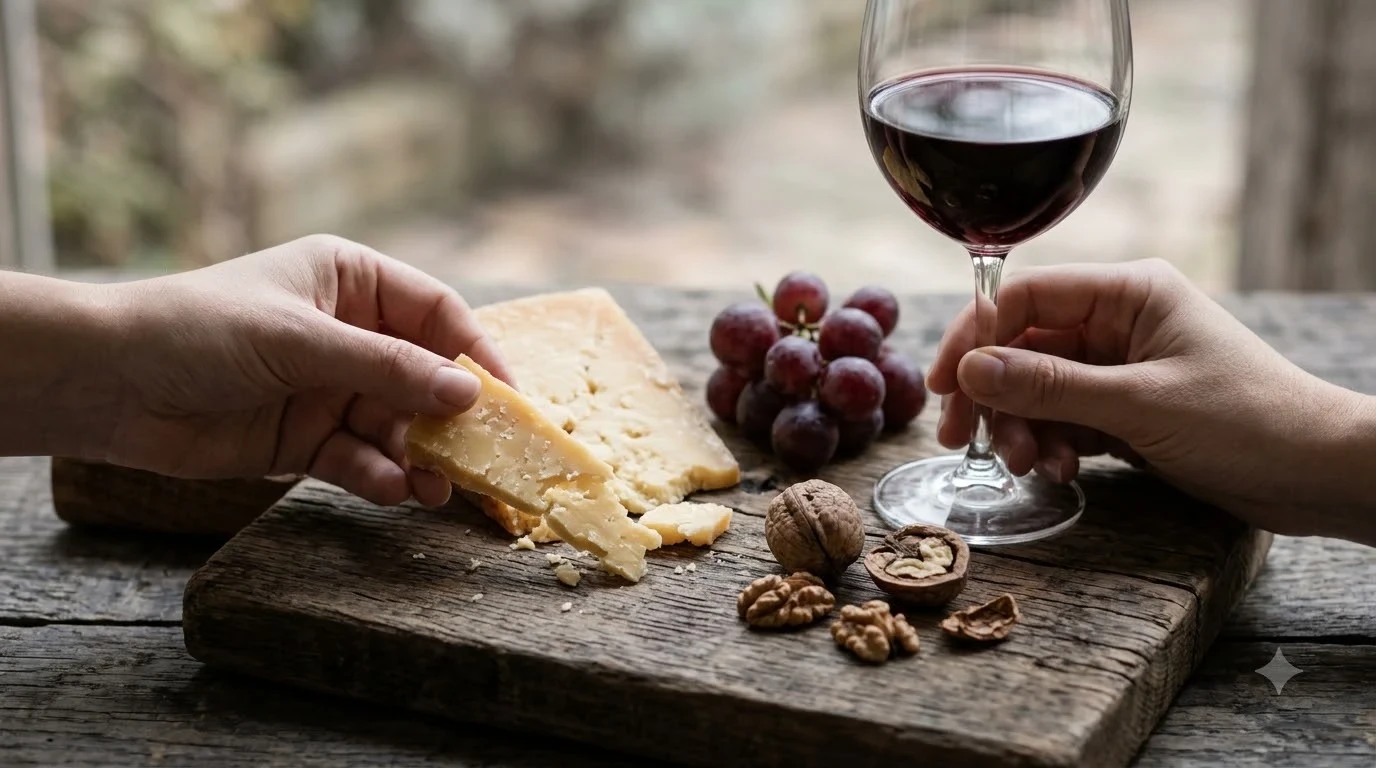
Amarone’s combination of brisk acidity, firm tannins, and savory umami depth makes it a classic partner for slow-cooked, richly textured northern Italian fare. Braised beef short ribs, osso buco, roasted venison or wild boar, and duck breast with mushroom jus mirror the wine’s earthy complexity while its acidity cuts through gelatin and fat. At the end of a meal, Amarone is one of the few dry red wines capable of standing alongside aged, crystalline cheeses like 36-month Parmigiano-Reggiano or pungent Gorgonzola Piccante.
Primitivo’s plush fruit, softer acidity, and sweet spice profile make it one of the most versatile reds for American barbecue and smoky, charred meats. Pulled pork shoulder, baby back ribs with a spiced dry rub, grilled lamb chops, and gourmet burgers topped with aged sharp cheddar or smoked gouda play directly into its blackberry jam and cinnamon notes. It also pairs effortlessly with southern Italian comfort dishes such as baked ziti with sausage ragù, roasted eggplant parmigiana, and tomato-based braised meatballs.
How to Choose Between Them
Deciding between Amarone and Primitivo comes down to the occasion, your preferred flavor profile, and how much structure you want in the glass.
Choose Amarone della Valpolicella when you want a celebratory, complex dinner wine with savory depth, firm tannins, and refreshing acidity that keeps rich food from feeling heavy. Because the appassimento drying process shrinks grape yields by nearly half and requires extended oak aging, Amarone sits in a higher tier of formality and cellar longevity, sitting comfortably alongside Italy’s other great age-worthy reds—much like the stylistic contrasts explored in amarone vs barolo and amarone vs chianti.
Choose Primitivo when you want immediate, crowd-pleasing richness without waiting hours for a wine to open up. Its velvety texture, ripe dark berry fruit, and warm baking spices shine at casual weekend cookouts, pizza nights, or cozy weeknight dinners when you crave a full-bodied red that feels generous from the very first sip.
Frequently Asked Questions
Is Amarone sweeter than Primitivo?
Both Amarone della Valpolicella and standard Primitivo are fermented to dryness, though both can give an impression of subtle sweetness on the palate. In Amarone, that perception comes from high glycerol levels created during grape drying, intense dried-fruit aromas, and a small legal allowance of residual sugar balanced by brisk acidity. Primitivo tastes sweeter up front because of its ripe, jammy blackberry fruit and lower acidity rather than actual sugar.
Which wine has higher alcohol, Amarone or Primitivo?
Amarone generally edges out Primitivo in alcohol strength, though both rank among Italy’s highest-ABV dry red wines. Amarone della Valpolicella must reach at least 14 percent ABV by law and routinely sits between 15 and 16 percent ABV due to sugar concentration from grape drying. Primitivo typically ranges from 14 to 15.5 percent ABV, with Primitivo di Manduria Riserva required to reach a minimum of 14 percent.
Are Primitivo and Zinfandel the exact same grape?
Yes, DNA testing has proven that Italian Primitivo and California Zinfandel are genetically identical clones of the Croatian grape Tribidrag (also known as Crljenak Kaštelanski). Despite sharing the same DNA, regional climate and winemaking create subtle differences: Puglia Primitivo often shows earthier, spicier, and slightly darker plum notes, while California Zinfandel tends toward brighter raspberry, blackberry, and black pepper flavors.
Can you age Primitivo as long as Amarone?
No, Amarone has significantly longer aging potential than Primitivo. Thanks to its elevated acidity, dense tannins, and high extract from dried grapes, quality Amarone regularly evolves for 15 to 25 years or more in a cellar. Most Primitivo bottles are built for approachable fruit freshness and drink best within three to eight years of the vintage, though top Riserva bottlings can hold nicely for up to a decade.
Ultimately, the choice between Amarone and Primitivo is a rewarding decision between two distinct expressions of Italian richness. Whether you reach for the savory, cellar-worthy depth of Veneto’s dried-grape icon or the sun-soaked, velvety charm of Puglia’s signature red, serving either bottle slightly cool in a generous glass will bring out its best character.
More in Wine vs Wine
 Nero d’Avola vs Pinot Noir: Taste, Body, and Pairing DifferencesUpdated Nov 21, 2026
 Chenin Blanc vs Pinot Blanc: Key Differences in Taste, Acidity, and PairingsUpdated Nov 21, 2026
 Chardonnay vs Shiraz: Key Differences in Taste, Serving, and PairingUpdated Nov 21, 2026
 Chardonnay vs Verdejo: How Spain’s Crisp White Compares to the World’s ChameleonUpdated Nov 21, 2026
 Chardonnay vs Sancerre: Key Differences in Taste, Grapes, and PairingUpdated Nov 21, 2026
 Chardonnay vs Malbec: Key Differences in Taste, Body, and PairingUpdated Nov 21, 2026