
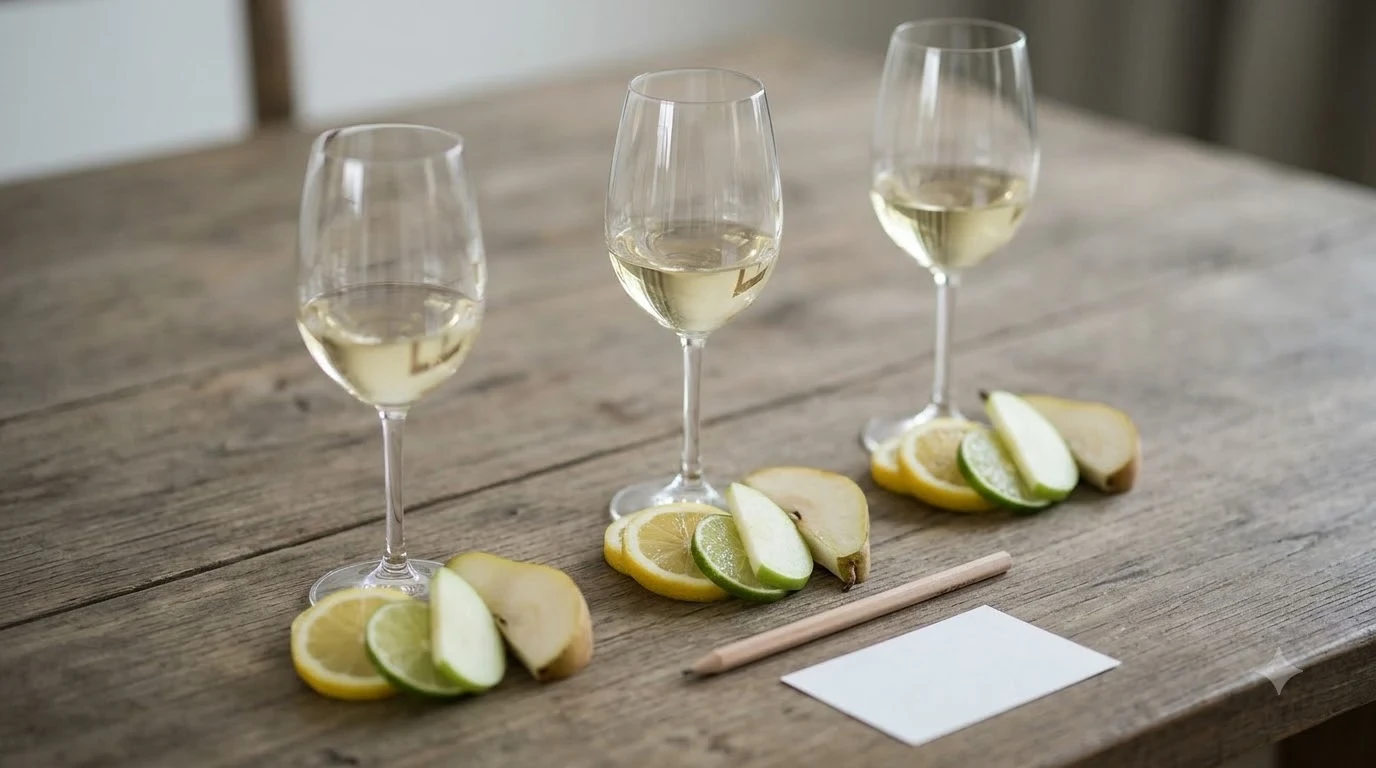

We may earn a commission when you buy through links on this page, at no extra cost to you. Learn more.
Chateau Ste Michelle Riesling alcohol content usually falls under 10 percent ABV, because Riesling is a light white wine that rarely reaches the alcohol levels of Chardonnay or Cabernet. The exact figure depends on the vintage, the sweetness level and the ripeness of the grapes at harvest, so the number printed on the bottle or the producer’s current technical sheet is the reliable answer for any single bottle.
This guide explains what sets Riesling’s alcohol level apart, what the Chateau Ste. Michelle label tells you, and how sweetness and serving style fit in. It is written for shoppers who want to plan a meal or compare a few bottles without guessing.
Why Riesling tends to be lower in alcohol
Alcohol in wine comes from the sugar in the grape juice. During fermentation, yeast turns sugar into alcohol and carbon dioxide. Riesling grapes ripen in cool conditions and keep high natural acidity, so winemakers often harvest them at moderate sugar levels. Less sugar means less alcohol, which is one reason Riesling has a reputation for lightness.
According to Wine Folly’s Riesling grape guide, the variety typically sits under 10 percent ABV. The same guide describes it as light-bodied, high in acidity and free of tannin, which helps explain why it can taste fresh even when the sweetness is noticeable. Those are general figures for the grape, not a promise for any one bottle.
What the Chateau Ste. Michelle label tells you
Chateau Ste. Michelle is a Woodinville, Washington, winery with a long record in Washington wine. Its riesling is one of the best-known lines from the estate, and the producer’s site describes its wines as expressive examples of the Columbia Valley. The Woodinville property covers roughly 118 acres, and the winery’s Columbia Valley vineyards supply much of the fruit for its range.
The producer’s web pages that were reviewed for this article describe the lineup and the region but do not list a specific alcohol percentage for the riesling. That means the best source for the exact number is the back label of the bottle you are holding, or the technical sheet for that vintage on the winery’s site. If the label shows a range, treat it as an estimate for that year rather than a fixed value.
Chateau Ste. Michelle is also associated with Eroica, a riesling made in partnership with German winemaker Ernst Loosen. According to Wikipedia’s entry on the winery, that partnership is one of the estate’s best-known projects. Eroica is a separate label from the house riesling, so its alcohol content and sweetness should be checked on its own label as well.
Dry, off-dry and sweet: how sweetness shapes the number
Riesling covers a wide sweetness range, from bone-dry to very sweet. In general, the sweeter a riesling is, the more of the grape sugar is left in the wine after fermentation. Winemakers can stop fermentation early or leave some sugar behind, and that choice changes the final alcohol level. A dry riesling is more likely to sit near the upper end of the grape’s range, while an off-dry or sweet version often lands lower.
The label is the simplest guide. Words like “dry,” “off-dry” or “sweet” are style hints rather than exact measures, so the alcohol figure printed on the bottle matters more. When two rieslings come from the same producer, compare their stated ABV before assuming one is lighter.
| Riesling style | Typical sweetness | General alcohol tendency |
|---|---|---|
| Dry | Little or no residual sugar | Often at the higher end of the grape’s range |
| Off-dry | Noticeable sweetness that balances the acidity | Often moderate |
| Sweet or dessert | Clearly sweet, often with honeyed notes | Often at the lower end of the range |
Tip: Check the back label for the vintage and the ABV together. Two bottles from the same winery can differ by a percent or more.
Common mistakes when comparing rieslings
The most frequent mistake is assuming that a sweet wine is always high in sugar and low in alcohol, or that a dry wine always has more alcohol. Both rules are useful starting points but neither is reliable on its own. A dry riesling from a warm year can climb higher than an off-dry bottle from a cooler one. The fastest way to avoid the mistake is to compare the printed ABV, the vintage and the producer side by side instead of relying on the sweetness word alone.
A second mistake is mixing up alcohol with body. A riesling can taste light and crisp even at a moderate ABV, while a richer wine can feel heavier without being stronger. Acidity, residual sugar and texture all shape how a wine feels in the mouth. If you want a lighter-tasting glass, look for high acidity and a clean finish rather than a low number alone.
A third mistake is treating an old bottle label as current. Wineries sometimes change blends, sourcing or labeling over time. When you buy a bottle for a specific meal or event, check the current vintage on the producer’s site or on a retailer listing, and confirm the ABV on the label you are holding before you open it.
How to serve and pair a riesling from Chateau Ste. Michelle
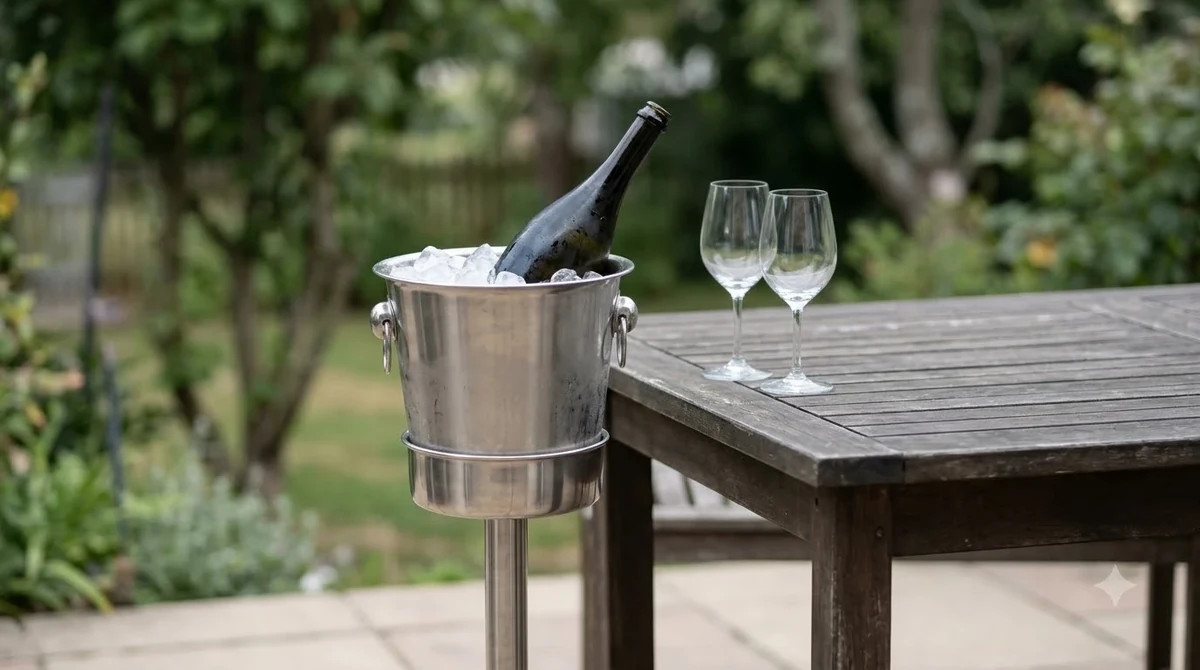
Wine Folly gives 38 to 45°F (3 to 7°C) as the serving range for Riesling, and it recommends a white wine glass. That cool temperature keeps the acidity lively and the aromas clean. Riesling does not need decanting, and most bottles are best within a few years of release, although some drier styles from cool regions can age longer. The grape guide also notes that off-dry styles pair well with spicy Indian and Asian dishes, along with duck, pork, shrimp and crab.
A light, slightly sweet riesling also works as a bridge between dishes that are hard to match with dry wine. Thai curries, pork with apple, and roast chicken with herbs are reliable choices. If you want to keep the alcohol level low, a riesling served cold is a good option for lunch or a warm evening, and you can compare it with other lighter whites in the same price range using our wine brands hub.
Riesling alcohol content compared with other white wines
Many buyers look at Riesling next to Chardonnay, Pinot Grigio and sparkling wines when they are trying to keep alcohol down. Riesling is usually lighter than full-bodied Chardonnay, which is often made in a richer, riper style. Pinot Grigio can be light too, but its alcohol range varies with the region and the producer. If you are comparing brands, the same rule applies: the ABV on the label beats any general rule.
Other wine brand guides on this site cover similar questions, including the André Champagne alcohol content page and the Barefoot Pinot Grigio alcohol content page, which show how the same question plays out with different styles.
Frequently Asked Questions
Is Chateau Ste Michelle Riesling lower in alcohol than Chardonnay?
Riesling is usually lighter than full-bodied Chardonnay, but the exact difference depends on the bottle. Check the ABV on each label to compare the two.
Where can I find the exact alcohol percentage?
The back label of the bottle is the most reliable source. The winery’s technical sheet for that vintage is the next best place to check.
Does sweetness change the alcohol level?
Yes. Winemakers control how much sugar ferments into alcohol, so sweeter rieslings often sit lower in ABV than dry ones, although the effect varies by producer.
How cold should a Riesling be served?
Wine Folly recommends 38 to 45°F (3 to 7°C), in a white wine glass. Serving it cool keeps the acidity fresh and the aromas clean.
Chateau Ste Michelle Riesling is a light, versatile white for many tables. Read the label for the exact alcohol content, match the sweetness to your food, and serve it cool. Enjoy it in moderation and drink responsibly.
More in Wine Brands
 Underwood Wine Price: Compare Bottles, Cans, and Pack SizesUpdated Nov 21, 2026
 Zenato Wine Price: Compare Styles and Choose the Right BottleUpdated Nov 21, 2026
 Zuccardi Wine Price: Compare Bottles and Find the Right RangeUpdated Nov 21, 2026
 Yellow Tail Moscato Review: Taste, Sweetness and Serving TipsUpdated Nov 21, 2026
 Wolf Blass Yellow Label Review: Choose Your Best StyleUpdated Nov 21, 2026
 Wolffer Estate Rose Review: Choose the Right Bottle for Your TableUpdated Nov 21, 2026