

We may earn a commission when you buy through links on this page, at no extra cost to you. Learn more.
Barefoot pinot grigio alcohol content is usually around 12% to 13% ABV, the typical range for most pinot grigio, but the exact figure is printed on each bottle’s label. Barefoot’s own website does not list an ABV for its pinot grigio, so the label and general style ranges are the best guides. Pinot grigio is a light, crisp white, and that style generally sits at the lower end of the table wine range.
If you are planning a dinner, a picnic or a glass with friends, the alcohol content of a white wine affects how it feels in the glass and how much you can comfortably drink over an evening. This guide explains what the usual range means for a Barefoot pinot grigio, how to read the label, and how the bottle compares with other whites and similar budget wines.
What the Barefoot brand says about its white wines
According to the Barefoot website, the brand sorts its lineup into red, white, pink, bubbly, sweet wines and a fruit-flavored category. A Barefoot pinot grigio belongs to the white group. The website describes Barefoot as a brand with a long history, noting that Davis Bynum made the first Barefoot wine, a Burgundy, in his garage in Albany, California, in 1965. The company changed its name to Barefoot Cellars in 1986.
The brand’s site does not publish alcohol figures for individual wines. That means you cannot find the exact ABV for a pinot grigio on the site itself. The label on the bottle, or the product page for that specific size and variety, is where the legal figure appears. Because the brand offers several formats and styles, the printed number is the only reliable measure for the bottle in your hand.
Typical ABV for pinot grigio
Pinot grigio is a white grape that is commonly made in a crisp, dry, lightly fruity style. Wine Folly’s ABV reference gives 12% to 13% for most pinot grigio, which places it below many chardonnays and below most reds. The figures describe traditional examples of the style, so a commercial bottle can sit a little above or below them depending on how it was harvested and made.
That range is a useful benchmark for a Barefoot pinot grigio, but it is not a promise. Two bottles of the same grape from different producers can differ by a percentage point or more, and a bottle labeled with a slightly sweeter or more fruit-forward profile may run a little differently from a drier one. Use the range to set expectations, then check the label for the final number.
| Wine style | Typical ABV range | How it usually tastes |
|---|---|---|
| Moscato d’Asti | 5% to 6.5% | Light, sweet and fruity |
| German Riesling | 7% to 8% | Delicate, often sweet |
| Most Pinot Grigio | 12% to 13% | Crisp, citrusy and light-bodied |
| Most Sauvignon Blanc | 12.5% to 13% | Zesty, herbal and bright |
| Most Chardonnay | 13% to 14.5% | Richer, rounder and often oaked |
The table places pinot grigio in the middle of the white wine range. It is stronger than a sweet moscato or a German riesling, but lighter than most chardonnays. That position explains why pinot grigio often feels refreshing at lunch or with a light starter, rather than heavy or warming.
How to read the alcohol statement on the label
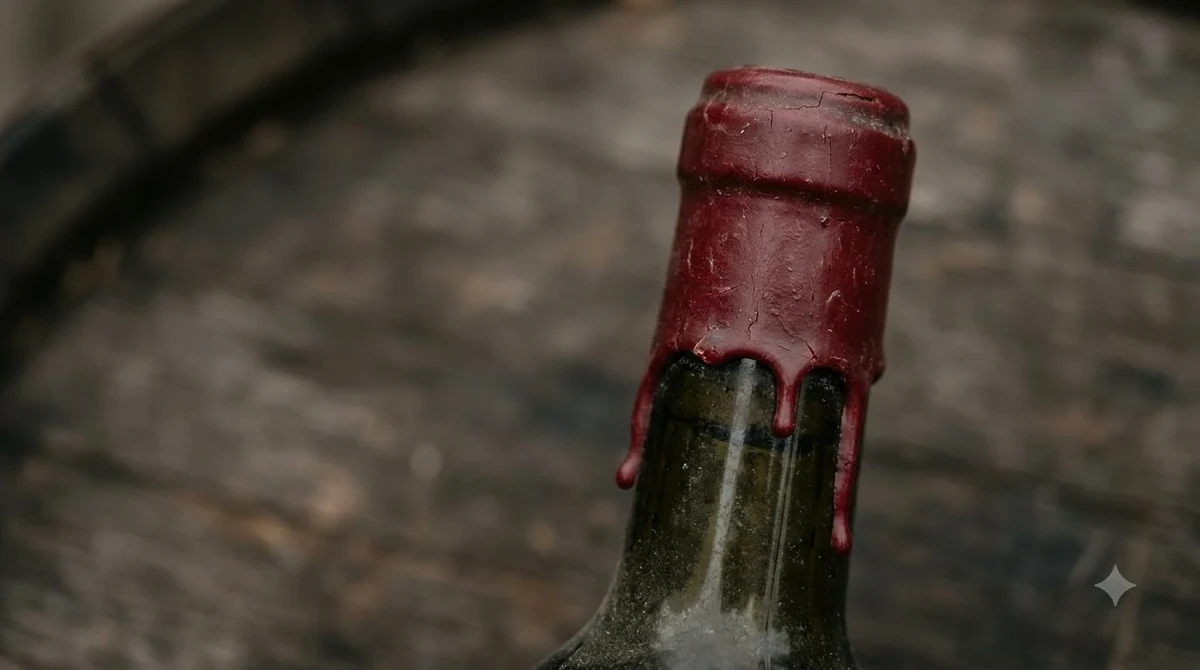
In most markets, the alcohol content is printed on the label as a percentage of alcohol by volume, often written as “alc. 12% by vol.” or a similar phrase. That figure is the one to rely on. If the bottle is a larger size or a different format from the one shown in an online listing, check the container itself, since the same brand can offer several pack sizes with different blends or labeling.
When a label is hard to read or the bottle is a shared size, look at the style first. A dry, crisp pinot grigio is more likely to sit in the 12% to 13% range, while a wine that tastes noticeably sweeter is often lighter. Sweetness and alcohol are related but separate, so a sweet white may not be weaker than a dry one in every case. Confirm the number before you plan the evening.
Tip: If you are comparing two whites, look at the ABV on the back label before you buy. A difference of one or two percentage points is noticeable across a bottle shared between four people.
How alcohol content affects taste and serving
Alcohol adds body and a sense of warmth to a wine. In a pinot grigio, the alcohol works alongside acidity and fruit to create a light, clean feel. A wine at the lower end of the range tends to taste brighter and easier to drink early in the day, while a wine at the upper end feels a little fuller. Acidity keeps pinot grigio refreshing even when the alcohol is at the higher end of the typical range.
Serve pinot grigio well chilled, typically a little colder than you would serve a full-bodied white. Chilling helps the fruit and acidity come through, and it also makes the wine easier to drink steadily over a longer meal. Pair it with seafood, salads, light pasta or soft cheeses, where its crispness can balance the dish without overpowering it.
How Barefoot pinot grigio compares with other budget whites
Many shoppers compare a Barefoot pinot grigio with other supermarket whites, and the alcohol range is often similar. Most pinot grigio, sauvignon blanc and many everyday whites sit between 12% and 13.5%, so the difference between brands is usually small. Where the difference becomes more noticeable is between styles. A sweet moscato or sparkling wine is generally much lighter, while a heavily oaked chardonnay can be stronger.
If you want a similar weight with a different flavor, a sauvignon blanc or an unoaked chardonnay can keep the alcohol in the same range while changing the profile. If you want a gentler drink, a sweet white or a light sparkling wine will usually be lower in alcohol. The most useful comparison is therefore between styles first and brands second.
Who should check the number before pouring
Anyone who is tracking intake for a reason, or planning a drink for a longer gathering, will find the ABV figure useful. The number helps you estimate how strong a glass is and how much you are drinking over an evening. Drink responsibly, pace yourself with food and water, and remember that a glass of wine with a higher percentage can add up faster than you expect when several people are pouring.
The alcohol figure also matters when you are hosting. A pinot grigio at 12% will feel lighter than a red at 14%, so offering a mix of styles lets guests choose a drink that suits their evening.
Frequently Asked Questions
Does Barefoot pinot grigio have a set alcohol percentage?
The percentage is printed on each bottle’s label and can vary by product and format. The brand’s website does not list an ABV for its pinot grigio, so the label is the best source for the exact figure.
Is pinot grigio stronger than most white wines?
Not usually. Most pinot grigio falls between 12% and 13%, which is at the lighter end of the white wine range. Chardonnay and some richer whites often sit higher, around 13% to 14.5%.
Why does pinot grigio feel light even with alcohol?
Pinot grigio has bright acidity and a crisp, citrus-driven profile. Those qualities balance the alcohol, so the wine feels refreshing rather than heavy, even at the upper end of its typical range.
Is a sweet white wine lower in alcohol than pinot grigio?
Often it is, especially for light sweet styles such as moscato, where the typical range is around 5% to 6.5%. Sweetness and alcohol are separate measures, though, so always check the label for the specific bottle.
For a wider view of how brands and styles compare, read the Wine Brands guide. You can also compare the figures for other popular bottles in the series, such as the Carlo Rossi wine alcohol content guide, the Andre Champagne alcohol content guide, or the Chateau Ste. Michelle riesling alcohol content page. The brand’s history is on the producer’s Our Story page, and the style-by-style ABV ranges come from Wine Folly’s alcohol content guide. Read the label, match the style to the occasion, and enjoy the glass you chose.
More in Wine Brands
 Underwood Wine Price: Compare Bottles, Cans, and Pack SizesUpdated Nov 21, 2026
 Zenato Wine Price: Compare Styles and Choose the Right BottleUpdated Nov 21, 2026
 Zuccardi Wine Price: Compare Bottles and Find the Right RangeUpdated Nov 21, 2026
 Yellow Tail Moscato Review: Taste, Sweetness and Serving TipsUpdated Nov 21, 2026
 Wolf Blass Yellow Label Review: Choose Your Best StyleUpdated Nov 21, 2026
 Wolffer Estate Rose Review: Choose the Right Bottle for Your TableUpdated Nov 21, 2026