

We may earn a commission when you buy through links on this page, at no extra cost to you. Learn more.
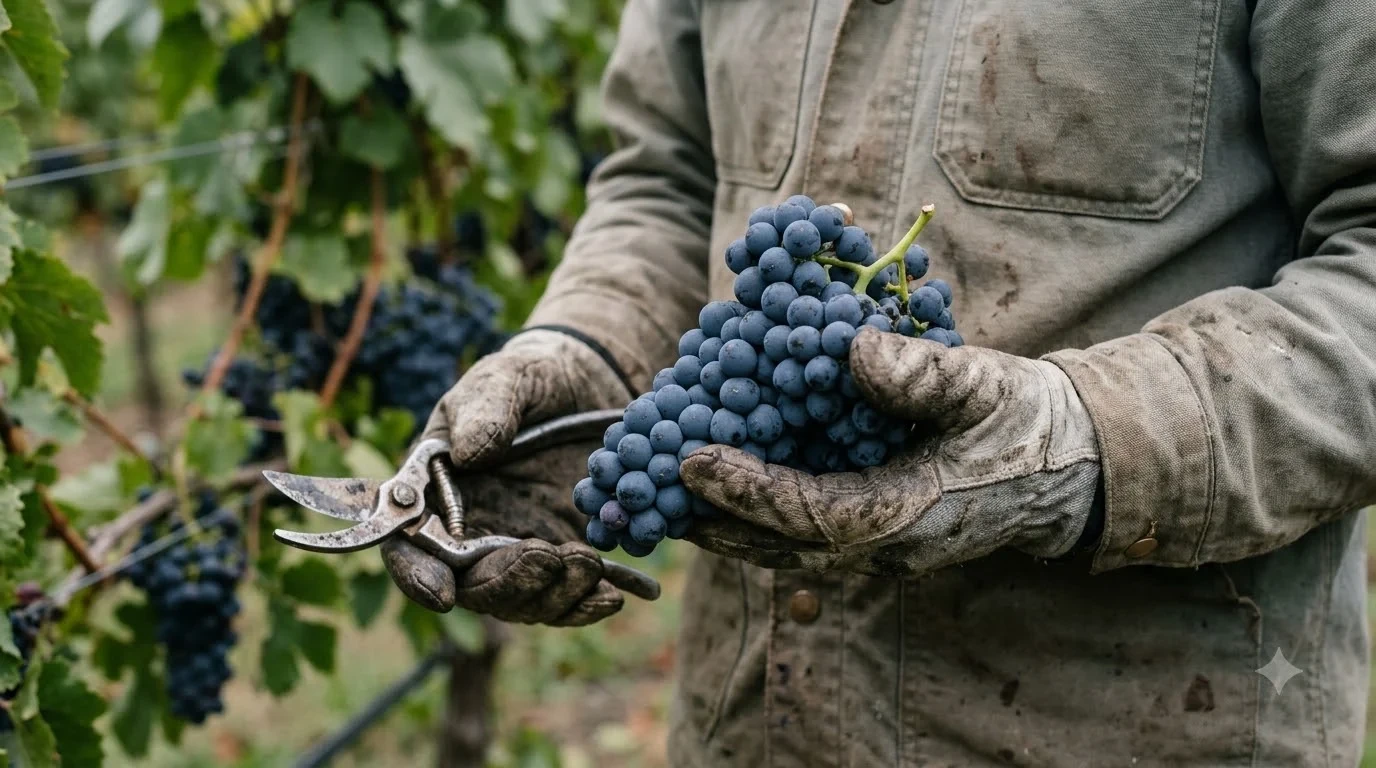
Riesling grape is a white variety that originated in the Rhine Valley of western Germany and is known for its high acidity and aromatic character. It makes wines across the full sweetness range, from bone-dry to lusciously sweet, and it is the leading grape of Germany, which accounts for roughly 40% of global production. Riesling is also grown in Alsace, Austria, Australia, New Zealand, the United States, and Canada. Its aromas are often described as flowery and almost perfumed, with apple, lime, and stone fruit flavors that show the place where the grape was grown.
This guide covers what Riesling tastes like, how its sweetness levels differ, and how to choose a bottle that matches your meal. It is written for drinkers who want a white with more character than a basic crisp wine, and who are not sure where to start with German or Alsace bottles.
What Riesling Is
Riesling is a white grape with a long history in Germany. Its origin is generally traced to the Rhine Valley, and the grape was recorded in Alsace by 1470 and in Austria by 1700. It has since spread to many wine regions, but Germany remains its heartland, and the grape is still closely tied to the country’s vineyards along the Rhine, Mosel, and nearby valleys.
The grape is valued for its high acidity and strong aromatic profile. Riesling is also very responsive to its site, which is why reviewers often describe it as a grape that expresses terroir clearly. Two bottles from neighboring vineyards can taste quite different, and that difference is part of the appeal for many drinkers.
Flavor and Sweetness Range
Riesling’s flavor depends on how ripe the grapes were and how the wine was made. In cooler regions such as the Mosel, the wine often shows apple, pear, and other tree fruit, with pronounced acidity that keeps the finish crisp. Warmer sites bring riper stone fruit and more tropical notes. Many bottles have a floral lift, and the best examples can develop petrol-like notes with age, which is a feature many collectors seek out. Wine Folly’s Riesling grape guide lists lime, green apple, beeswax, jasmine and petroleum among its primary flavors, and describes the grape as capable of wines ranging from bone-dry to very sweet.
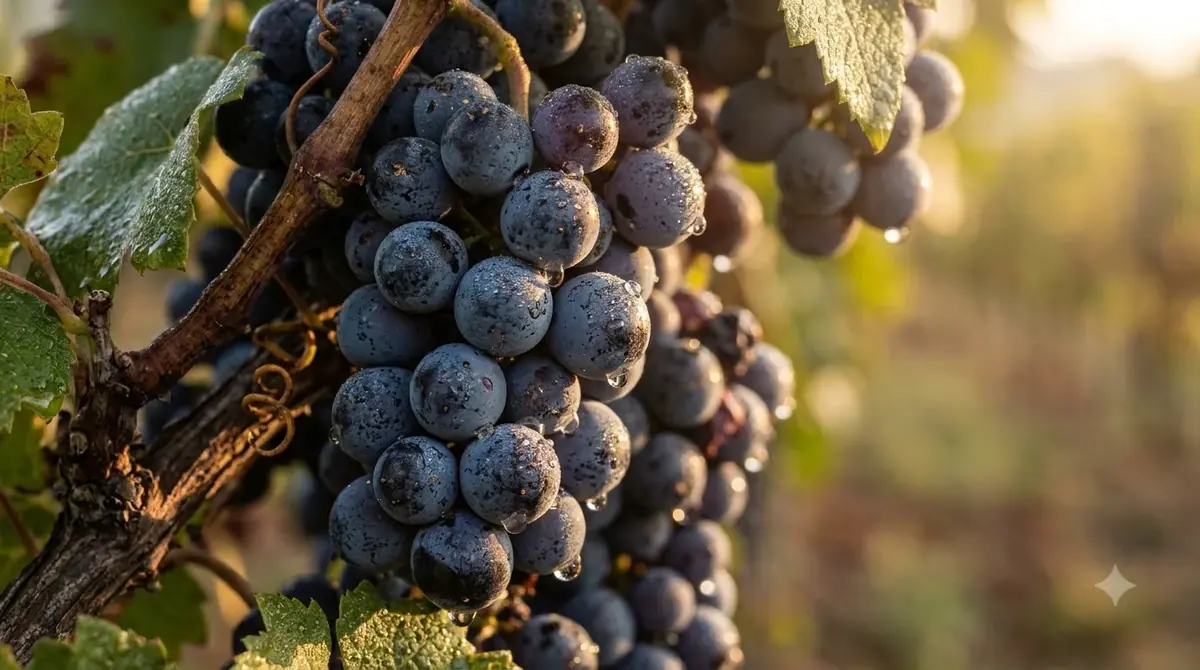
Riesling covers the full range of sweetness. The table below gives a simple guide to the main styles you may see on a label.
| Style | Sweetness | Where it is common | Typical character |
|---|---|---|---|
| Trocken or dry | Dry | Germany, Austria, Australia | Crisp, high acidity, lime and green apple |
| Halbtrocken or off-dry | Lightly sweet | Germany | Balanced fruit and acidity, a gentle finish |
| Spätlese and Auslese | Sweet, late-harvest | Germany, Mosel and Rheingau | Ripe peach, honey, and rich texture |
| Beerenauslese and Trockenbeerenauslese | Very sweet, dessert | Germany, Austria | Concentrated honey, dried fruit, long finish |
Where Riesling Grows
Germany produces the largest share of the world’s Riesling, and the grape’s most famous sites include the Mosel, Rheingau, and Pfalz. Alsace in eastern France has its own strong tradition, with drier, more structured wines that often show more body. In Austria, Riesling is mostly made dry and is a significant part of the country’s white wine output.
Riesling is also planted in Australia, New Zealand, the United States, and Canada. The grape handles cold climates well, and cooler sites produce the brightest wines. Underripeness is a risk in colder regions, so the vintage and the site matter. Producers in warmer areas may make a fuller, riper style.
How to Serve Riesling and What to Pair With It
Riesling is one of the most food-friendly whites. Dry styles pair well with seafood, poultry, and salads, and the acidity cuts through rich sauces. Off-dry bottles match spicy foods, such as Thai or Indian dishes, because the touch of sweetness balances heat. Sweet Riesling is a classic partner for fruit desserts and rich cheeses.
Serve Riesling well chilled, but not icy, so the aromas can show. A tall white wine glass helps concentrate the scent. Most Riesling is best drunk young, although top German and Alsace bottles can age for a long time. Store them in a cool, dark place and keep them away from heat.
Serving temperature matters more than glassware, but a narrow bowl keeps the aromas together, so an older bottle with a complex nose shows more of its character. Pour a small amount first, let it sit for a minute, and taste again as it warms slightly. That short pause often reveals more of the fruit and acidity than the first sip.
How to Choose a Good Riesling
Begin with the sweetness level. Many labels state it clearly, using terms such as trocken for dry or halbtrocken for off-dry. If the label does not say, look for the producer’s description. Then consider the region. A bottle from the Mosel tends to be lighter and more fruity, while a Riesling from Alsace is often more structured.
Check the vintage and the producer’s style. Good Riesling offers a clean, fresh aroma and balanced acidity. Avoid bottles that smell flat or oxidized, which may mean the wine was stored poorly. For a dry white that is easier to find, the chardonnay grape guide can help you compare a fuller, barrel-aged style.
Tip: If you are new to Riesling, start with an off-dry bottle. The sweetness softens the acidity, and the fruit comes through clearly, which makes it easier to learn the grape’s character.
Riesling is also a useful grape for learning about wine. Because its sweetness, acidity, and aroma change so much from style to style, a short tasting of three bottles can teach you a lot about how a wine’s structure works. Start with a dry bottle, move to an off-dry one, and finish with a sweet wine. Most people notice quickly how acidity changes the sense of sweetness, and that lesson carries over to other white wines.
Age and storage are worth a moment of thought. Riesling’s acidity helps it keep its freshness, and well-made bottles from Germany and Alsace can improve for many years in a cool, dark cellar. Lighter, young styles are best drunk within a year or two of the vintage. If you are buying for a special meal, check the producer’s notes on how long the bottle should rest before opening.
Once you have chosen a style, read the back label for the producer’s description and the vintage. Many German bottles also print their ripeness category, which gives a rough idea of how rich the wine will feel. Ask the shop staff which bottles they would recommend for a first Riesling, since a short conversation often points you toward a style you will enjoy. For a dinner party, an off-dry bottle is a safe choice that most guests will drink, including people who say they dislike sweet wine.
Frequently Asked Questions
Is Riesling always sweet?
No. Riesling covers a wide range, from dry to very sweet. Many German and Austrian examples are dry, and Alsace Riesling is often dry too. Check the label or the producer’s description to see how sweet a bottle is.
What does German Riesling taste like?
German Riesling often shows bright acidity with apple, pear, and floral notes. Mosel wines tend to be lighter and more fruity, while wines from other German regions can be richer or drier depending on the style.
Does Riesling age well?
Riesling can age for a long time, especially well-made German and Alsace bottles with good acidity and balance. With age, the wine can develop honey, dried fruit, and in some cases petrol-like notes.
How is Riesling different from Chardonnay?
Riesling is usually lighter in body and higher in acidity, with more aromatic character. Chardonnay is often fuller and can be oak-aged, which adds butter and toast. Riesling is generally more food-friendly with spicy dishes.
Riesling is a versatile white grape that rewards a little attention to sweetness and region. It can be dry or sweet, light or rich, and it pairs well with many kinds of food. The muscadine grape guide and the pinot noir grape guide cover other grape families, and the Wine by Type section lists more varieties for comparison.
For background on the grape’s history and plantings, see Wikipedia’s Riesling entry.
More in Wine Types & Grapes
 Zinfandel Sugar Content: Dry Red vs. White Zinfandel GramsUpdated Nov 21, 2026
 Best Zinfandel Substitute Options for Sipping and CookingUpdated Nov 21, 2026
 Zweigelt Food Pairing: Best Dishes, Cheeses, and Serving TipsUpdated Nov 21, 2026
 Zinfandel Tannins Explained: How Structure Shapes Every BottleUpdated Nov 21, 2026
 Zinfandel Sweetness Level: Dry Red vs. Sweet White Zin ExplainedUpdated Nov 21, 2026
 Xinomavro Food Pairing: Best Dishes, Styles, and Serving TipsUpdated Nov 21, 2026