

We may earn a commission when you buy through links on this page, at no extra cost to you. Learn more.
Pinot grigio vs pinot gris is mostly a naming question: both names refer to the same grape, and the glass changes with the country that made the wine. Italian versions are usually bone dry, crisp, and high in acidity. Versions labeled pinot gris, especially from Alsace in France, tend to be fuller, richer, and rounder. The grape has not changed, so the real differences come from where it grows and how the winemaker handles it.
Shoppers often see both names on the same shelf and assume they are two different wines. That assumption is understandable, since the labels look unrelated and the bottles can taste quite different. This guide explains why the two names exist, how the styles diverge, and how to choose a bottle when you are standing in the aisle.
Same Grape, Two Names
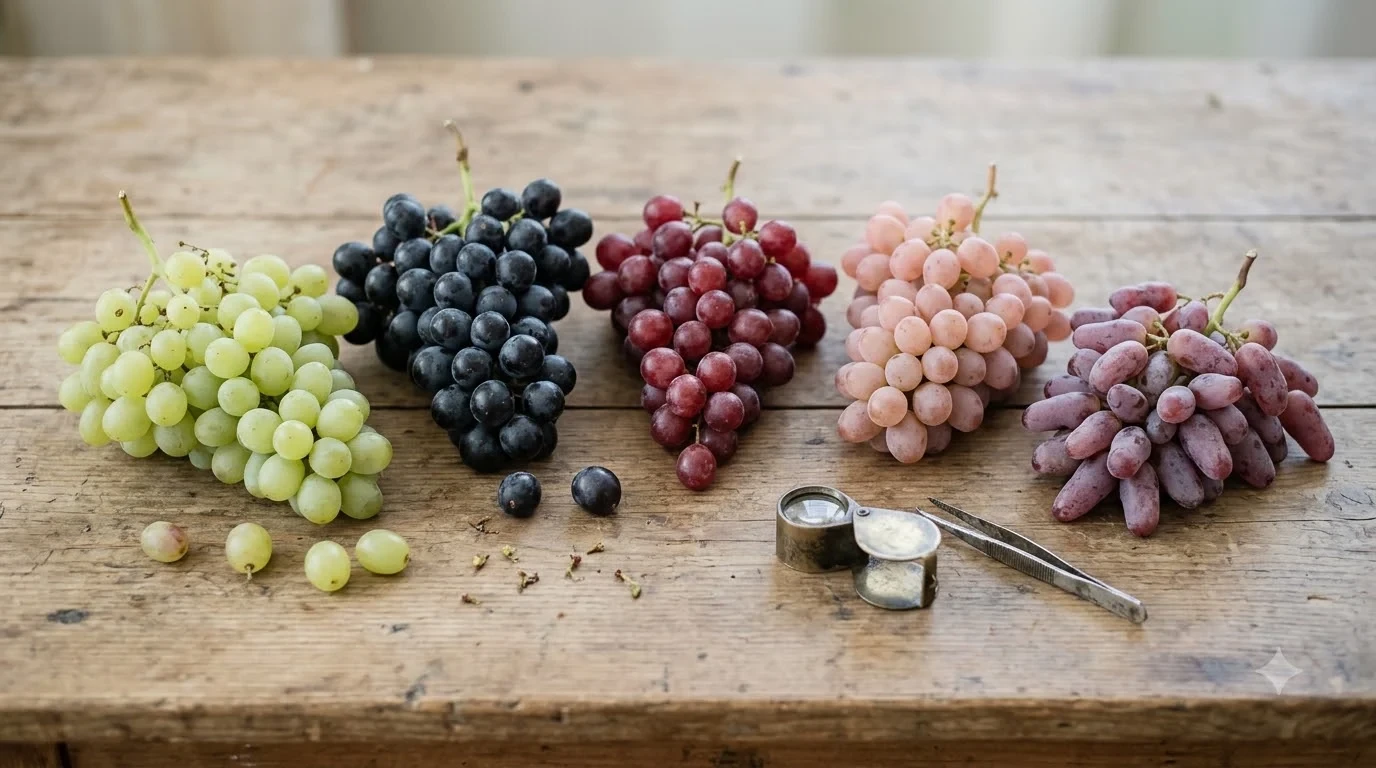
Pinot grigio and pinot gris are the same grape variety. The names simply reflect language: pinot grigio is the Italian name and pinot gris is the French name. The grape is a pale, grey-skinned mutation of Pinot Noir, which is why it is sometimes called a grey or pinkish variety.
Wine Folly, one of the more widely read wine education sites, says the two names are the same and that the difference between them is “not technically speaking” a difference in the grape. The label is a rough guide to style, not a rule. The real differences come from where the vines grow, when the grapes are picked, and whether the wine is fermented in steel or in oak.
That is why one bottle can be crisp and simple while another, with the same name on the label in English, tastes rounder and more textured. The variety is constant. The winemaking decisions are not.
Italian Pinot Grigio: Dry, Crisp and Light
Italian Pinot Grigio is the style most people picture when they hear the name. It is typically dry, with high acidity and a faint bitter almond note on the finish. The flavors usually center on pear, green apple, and citrus, with a light, clean body that is easy to drink on its own.
Winemakers in Italy often pick the grapes early to keep the acidity high. They also tend to ferment the wine in stainless steel and avoid long skin contact, which keeps the wine light in color and crisp on the palate. The result is a wine that feels fresh rather than heavy, which is why it has become a popular everyday white.
Because the acidity is so bright, Italian Pinot Grigio tastes less sweet than many people expect. It is one reason the wine often seems drier than a Chardonnay, even when both are dry.
French and Alsace Pinot Gris: Fuller and Richer
Pinot gris from France, especially the Alsace region, is a different experience. Wine Folly describes it as fleshy and more unctuous, with faint honey notes that can come from botrytis, a noble rot that concentrates sugar in the grapes. The body is fuller and the texture is more generous than the Italian style.
Alsace producers also sometimes age their pinot gris, which adds depth. Slightly sweet versions exist, but they are rare. Late-harvest bottles, labeled with terms such as Vendanges Tardives, are sweeter still and can pair with rich desserts.
The general lesson is that pinot gris from Alsace is usually more textured and spicier than Italian pinot grigio, and it rewards a little more time at the table.
American and Other New World Styles
Bottles made in the United States and Australia often take a third approach. According to Wine Folly, American versions tend to show bolder fruit and lower acidity than their European counterparts. The result is a rounder, more forward wine that can feel generous on the first sip.
Because these bottles are fuller and sometimes higher in alcohol, they can handle richer dishes better than a crisp Italian pinot grigio. A label that says pinot gris from an American producer is therefore not a reliable guide to dryness on its own. Check the producer’s notes, and if you are unsure, ask the shop staff what they would recommend for your meal.
Comparing the Styles at a Glance
The table below sums up the common patterns. Individual bottles vary, so use it as a starting point rather than a strict rule.
| Trait | Italian pinot grigio | French pinot gris (Alsace) | American and New World |
|---|---|---|---|
| Body | Light and crisp | Fuller and richer | Rounder and fruit-forward |
| Acidity | High | Moderate to high | Lower |
| Typical flavors | Pear, green apple, citrus | Honey, spice, ripe fruit | Bolder fruit |
| Sweetness | Usually bone dry | Mostly dry, rare slightly sweet bottles | Usually dry, fruit can read sweeter |
| Winemaking | Early picking, steel tanks | More time and texture | Varies by producer |
Tip: If the label says pinot gris and you want a crisp, light glass, look for a producer note that mentions steel fermentation or a cool climate. Those clues usually point to the lighter style.
Serving Temperature and Food Pairing
Serving temperature has a big effect on how these whites taste, and both styles benefit from being chilled.
Wine Folly lists pinot grigio at about 45 degrees Fahrenheit, which is ice cold. Serving it that cold keeps the fresh acidity in front and makes the wine feel lively. Let a fuller pinot gris from Alsace warm a little, to around the cool end of the white range, so the honey and spice notes can show more clearly.
Italian pinot grigio is a natural partner for seafood, light salads, and dishes with lemon or fresh herbs. Its acidity cuts through oily fish and fresh cheese without overpowering them. It also makes a simple aperitif before a meal.
The richer style of pinot gris suits roast chicken, creamy pasta, and dishes with a little sweetness, such as glazed pork or roasted squash. Its body holds up to these heavier foods, while its honey notes complement sweet and savory flavors together.
If you want to see how pinot grigio stacks up against another white, the guide to pinot grigio vs sauvignon blanc covers a common comparison at the table. Comparing pinot grigio with Chardonnay is also useful, and our piece on chardonnay vs pinot grigio explains the difference in body and oak.
How to Choose a Bottle
Start with the style you want, not the grape name. If you want something light, dry, and easy to sip, look for an Italian bottle or a cool-climate producer. If you want something richer with a little texture, look for a pinot gris from Alsace or a fuller New World bottle.
Read the back label for clues about acidity and body. Phrases such as crisp, zesty, and mineral usually signal a lighter style. Terms like rich, honeyed, and round suggest a fuller one. The producer’s own description is often more reliable than the name on the front.
For a broader look at how styles of wine are grouped, the Wine vs Wine section compares many similar pairs in one place, which can help when you are deciding between several whites at once.
Frequently Asked Questions
Is pinot grigio the same as pinot gris?
Yes, they are the same grape. Pinot grigio is the Italian name and pinot gris is the French name. The style of the finished wine depends on the region and the winemaking, so two bottles with different names can taste quite different.
Which is sweeter, pinot grigio or pinot gris?
Generally, pinot grigio is the drier of the two. Italian versions are usually bone dry, with high acidity that makes them taste crisp. Pinot gris from Alsace is mostly dry too, although some late-harvest bottles are sweeter.
Is pinot gris always richer than pinot grigio?
Not always, but the pattern is common. French and Alsace pinot gris tends to be fuller and richer, while Italian pinot grigio is lighter and crisper. A bottle from a cool climate or a steel-fermented producer can still be light even under the pinot gris name.
What temperature should I serve pinot grigio at?
Wine Folly suggests serving pinot grigio ice cold, at about 45 degrees Fahrenheit. A fuller pinot gris can be served a little warmer, which lets its honey and spice notes show more clearly.
Pinot grigio and pinot gris are one grape with two names and a range of styles. Start with the body you want, read the label for clues about dryness, and match the wine to the food you plan to serve. Once you see the grape behind both names, choosing a bottle becomes a much simpler decision.
More in Wine vs Wine
 Nero d’Avola vs Pinot Noir: Taste, Body, and Pairing DifferencesUpdated Nov 21, 2026
 Chenin Blanc vs Pinot Blanc: Key Differences in Taste, Acidity, and PairingsUpdated Nov 21, 2026
 Chardonnay vs Shiraz: Key Differences in Taste, Serving, and PairingUpdated Nov 21, 2026
 Chardonnay vs Verdejo: How Spain’s Crisp White Compares to the World’s ChameleonUpdated Nov 21, 2026
 Chardonnay vs Sancerre: Key Differences in Taste, Grapes, and PairingUpdated Nov 21, 2026
 Chardonnay vs Malbec: Key Differences in Taste, Body, and PairingUpdated Nov 21, 2026