

We may earn a commission when you buy through links on this page, at no extra cost to you. Learn more.
Burgundy vs Pinot Noir is a comparison of a place and a grape: Pinot Noir is the red grape, and Burgundy is the French region where it is grown most prestigiously. Burgundy also makes white wine from Chardonnay, and on many shelves the word Burgundy is used for generic red blends, so the label alone does not always reveal what is in the bottle.
Wine shoppers often treat Burgundy and Pinot Noir as interchangeable, and sometimes they are. A bottle labeled Burgundy may be a Pinot Noir from the region, a blend of other grapes, or a wine made in another country in a similar style. Knowing the difference helps you read a label with more confidence and choose a bottle that matches what you want to drink.
Burgundy and Pinot Noir explained
Pinot Noir is a grape variety. It is a thin-skinned red grape, and the Winefolly grape guide to Pinot Noir describes it as more than 1,000 years older than Cabernet Sauvignon, with roots that reach back to Roman times. Its name is linked to the French words for pine and black, a reference to the shape of its pine-cone-like bunches.
Burgundy is a region in eastern France, and it is the home of some of the world’s most celebrated Pinot Noir. The Winefolly page notes that the most coveted Pinot Noir vines grow on a narrow, east-facing slope just south of Dijon. Burgundy is also the historic center for Chardonnay, which the Winefolly Chardonnay guide describes as originating in Burgundy as well. In other words, the region is defined by its place and its style, not by a single grape. The Winefolly Pinot Noir guide also notes that Burgundy’s vineyards were first tended by Cistercian monks in the Middle Ages, and that long tradition of careful site selection still shapes how the region’s vineyards are divided and named today.
That history is one reason the region is so precise about place. Its vineyards are often grouped by village and by individual plots, and wine labels frequently name the village or vineyard rather than a broad regional term.
| Term | What it describes | Example |
|---|---|---|
| Pinot Noir | A red grape variety | A Pinot Noir from Oregon or New Zealand |
| Burgundy | A French wine region and its style | A Pinot Noir from the Côte de Nuits |
| Burgundy (US label) | Often a generic red, not always Pinot Noir | A blended red sold under a Burgundy name |
Why the region shapes the wine
The Winefolly Pinot Noir guide says Burgundy’s most prestigious Pinot is more earthy and floral in style than many New World examples, a difference it attributes to Burgundy’s terroir. Terroir is the combination of soil, slope, climate and local tradition that shapes a wine. In Burgundy, the vines grow on carefully mapped slopes, and each village has its own character.
The guide names villages such as Gevrey-Chambertin, Chambolle-Musigny and Pommard as examples of that regional character. Each one produces Pinot Noir with a slightly different balance of fruit, earth and structure, which is why Burgundy is often described in terms of villages and vineyards rather than a single house style.
How Pinot Noir tastes across styles
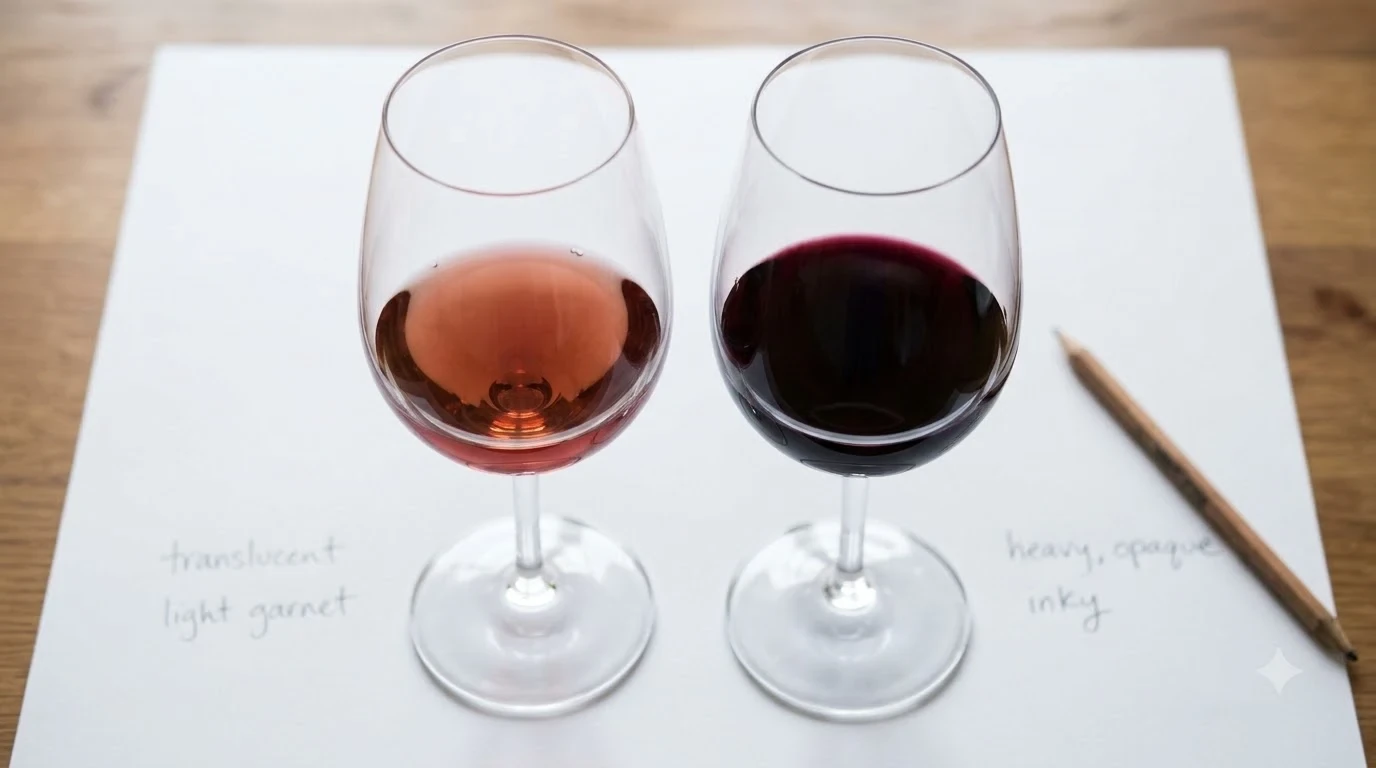
Pinot Noir is light to medium-bodied and has a distinctive, delicate profile. The Winefolly taste profile lists its primary flavors as raspberry, cherry, mushroom, vanilla and hibiscus. Ripe cherry and raspberry are common, with earthy notes of forest floor and tea leaves and sometimes a touch of clove. Oak aging adds vanilla and smoke.
Tannins are low because the thin skins contribute little structure, and acidity is high, listed as medium-high in the guide. Alcohol typically falls between 12 and 14 percent. That combination makes Pinot Noir feel fresh and silky rather than heavy, and it explains why the grape pairs so easily with a wide range of meals.
The same grape can taste very different across regions. Cooler sites tend to produce more restrained, savory wines, while warmer sites bring out riper, more fruit-forward character. Burgundy sits toward the savory and earthy end of that range, which is one reason its wines are often considered more complex.
What to expect from a Burgundy bottle
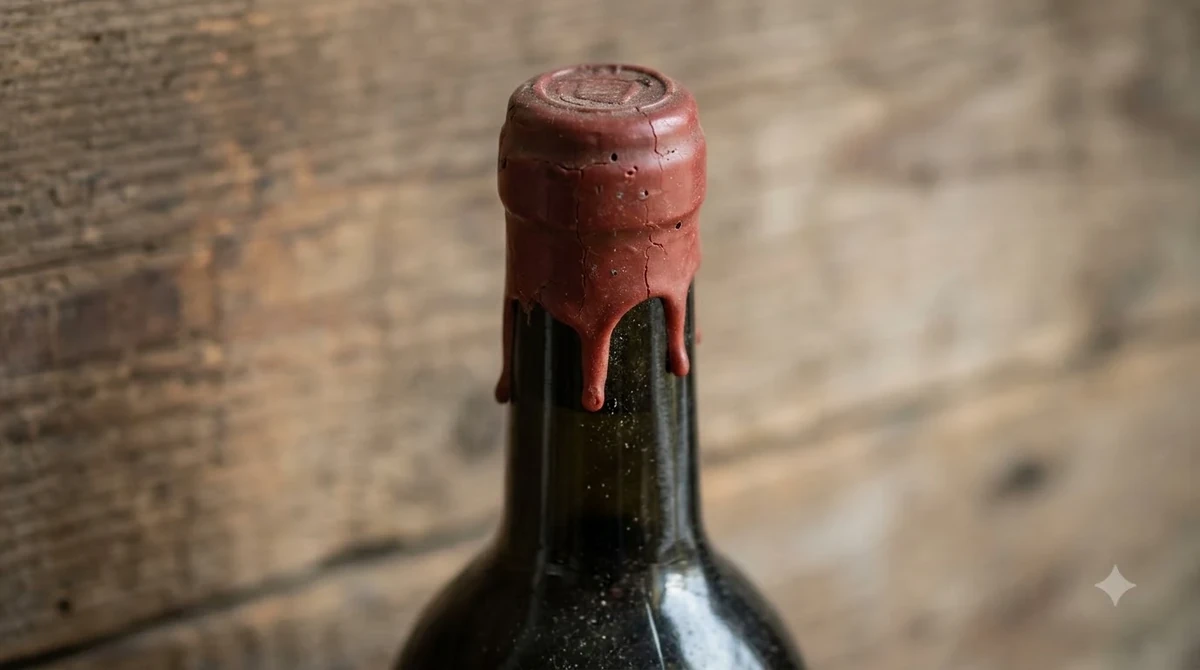
A Burgundy Pinot Noir usually shows restraint. The fruit is present but not dominant, and the earthy, floral notes give the wine depth. Many drinkers find that a good Burgundy opens slowly, showing more layers after time in the glass, which is part of the appeal for people who enjoy careful tasting.
Because Burgundy is a small region with many producers and a fragmented vineyard map, the quality and style of a bottle can vary a great deal. Two wines from neighboring villages may taste quite different, even from the same vintage. Reading the producer’s notes and the village name on the label gives a better guide than the word Burgundy alone.
Pinot Noir from other regions
Pinot Noir pairs well with a wide range of food, which is one reason it appears on so many restaurant lists. Its light tannin and high acidity work with roast chicken, salmon, mushroom dishes and duck, and its earthy notes echo herbs and roasted vegetables. Burgundy’s more savory bottles suit richer meals, while fruit-forward Pinot Noir from other regions often fits lighter, sweeter sauces.
Pinot Noir is grown well beyond Burgundy, in places such as Oregon, New Zealand, California and parts of Germany and Central Europe. These wines often show more forward fruit, and they can be a good first step for drinkers who find traditional Burgundy too earthy. Each region’s climate gives the grape a slightly different voice, so trying several styles is useful.
Non-Burgundy Pinot Noir is also a common source of value. Many producers outside the region make approachable, fruit-driven bottles for everyday meals, while still reflecting the grape’s natural acidity and light tannin.
How to choose between Burgundy and Pinot Noir
If you want a particular style of red from a famous terroir, look for a Burgundy wine from a named village and read the tasting notes for earth, floral aromas and a savory finish. If you want a fruit-forward bottle that is easy to drink, a Pinot Noir from another region with a clearly stated grape on the label will usually suit you better.
Read the label carefully. A bottle that says Pinot Noir has at least told you the grape, which is useful information. A bottle that says only Burgundy may be a blend, so check the back label or the producer’s website if the grape matters to you.
Tip: Serve Pinot Noir slightly cooler than room temperature. A light chill brings out its freshness and keeps the fruit from tasting heavy, especially in warm rooms.
Frequently Asked Questions
Is all Burgundy wine made from Pinot Noir?
No. Burgundy is a region that makes both red and white wine. Its reds are mainly Pinot Noir, and its whites are mainly Chardonnay, so the region name does not identify a single grape.
Why does Burgundy taste more earthy than other Pinot Noir?
The Winefolly guide attributes the earthy, floral style to Burgundy’s terroir, meaning its soils, slopes and climate. Many producers also farm and make wine in a traditional way that emphasizes place.
Which is easier for a beginner, Burgundy or Pinot Noir from another region?
Pinot Noir from another region is often easier to start with, because its fruit tends to be more forward. A Burgundy can be rewarding later, once you know what earthy and floral notes taste like.
Does Pinot Noir have a lot of tannin?
No. Pinot Noir has low tannin because its skins are thin, and it has high acidity. That makes it lighter and silkier than many other red wines.
Burgundy vs Pinot Noir comes down to reading the label closely and knowing what you want from a red. For a related comparison, see barbera vs barolo or chardonnay vs merlot, and explore the Wine vs Wine section for more side-by-side guides.
More in Wine vs Wine
 Nero d’Avola vs Pinot Noir: Taste, Body, and Pairing DifferencesUpdated Nov 21, 2026
 Chenin Blanc vs Pinot Blanc: Key Differences in Taste, Acidity, and PairingsUpdated Nov 21, 2026
 Chardonnay vs Shiraz: Key Differences in Taste, Serving, and PairingUpdated Nov 21, 2026
 Chardonnay vs Verdejo: How Spain’s Crisp White Compares to the World’s ChameleonUpdated Nov 21, 2026
 Chardonnay vs Sancerre: Key Differences in Taste, Grapes, and PairingUpdated Nov 21, 2026
 Chardonnay vs Malbec: Key Differences in Taste, Body, and PairingUpdated Nov 21, 2026