

We may earn a commission when you buy through links on this page, at no extra cost to you. Learn more.
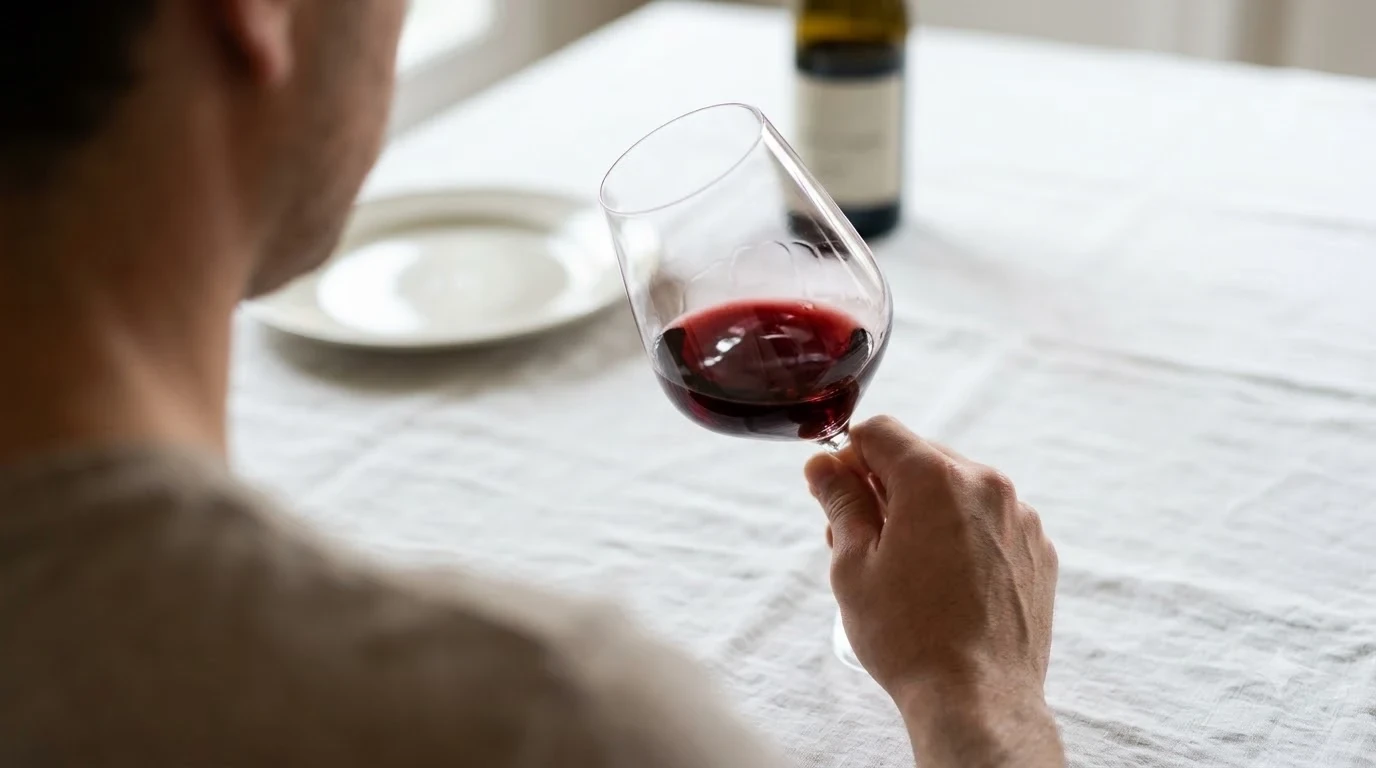
Merlot vs zinfandel is a choice between two approachable reds with different levels of punch. Merlot is the softer, rounder of the two, with plum, cherry and chocolate notes and medium-high tannins. Zinfandel is fuller and more fruit-forward, with blackberry, strawberry and sweet spice, and it usually carries more alcohol. Pick merlot for a smooth, food-friendly red and zinfandel for a bolder glass with barbecue or a hearty dinner.
Both grapes are popular with American wine drinkers, and both are often recommended as a step up from very light reds. They share a plush, approachable feel, but the way they taste and the kinds of food they suit are not the same. This guide looks at flavor, body, where each grape grows, how to serve it and how to decide between them.
Two Grapes With Different Roots
Merlot is a red grape that is grown widely in France, Italy, the United States and Chile. In Bordeaux it makes up a large share of the vineyard plantings and is often blended with cabernet franc and cabernet sauvignon. Merlot also shows up as a single-variety wine, and it is familiar enough that many restaurants list it by name.
Zinfandel is closely associated with California, where it has been grown for generations and is often treated as a signature American red. The grape also has a major presence in Italy, where it is known as primitivo in Puglia, and it is grown in smaller amounts in other countries. Zinfandel is usually made in a fruit-forward style, and its character changes a great deal from one vineyard to the next.
Flavor and Body Compared
According to Wine Folly’s merlot guide, the grape shows cherry, chocolate, plum, bay leaf and vanilla, with fresh red plum in cooler climates and baked blackberry and fruitcake in warmer ones. It is softer and less astringent than cabernet sauvignon, with medium-full body and medium-high tannins.
Zinfandel tastes riper and more direct. Wine Folly lists blackberry, strawberry, peach preserves, cinnamon and sweet tobacco as its main flavors, with cooler sites leaning toward red berries and warmer sites showing deeper black fruit and pepper. It is medium-full in body, has medium-high tannins, and its alcohol is often 14 percent or higher, so it can feel warmer on the palate than merlot.
| Feature | Merlot | Zinfandel |
|---|---|---|
| Body | Medium-full | Medium-full to full |
| Tannins | Medium-high | Medium-high |
| Typical flavors | Plum, cherry, chocolate | Blackberry, strawberry, cinnamon |
| Alcohol | 13.5–15% | Often 14% or higher |
| Serving temperature | 60–68°F (15–20°C) | 60–68°F (15–20°C) |
Where Each Grape Grows
Merlot is planted across many climates. Bordeaux’s Pomerol and Saint-Émilion are known for age-worthy versions, Tuscany uses it in Super Tuscan blends, and Friuli in northeast Italy grows it widely. In the United States, Napa Valley produces full-bodied, velvety styles, and Washington’s Columbia Valley is known for ripe fruit with fresh acidity.
Zinfandel is concentrated in a few key areas. In the United States, most of the plantings are in Lodi, Paso Robles, the North Coast and the Sierra Foothills. Italy’s largest plantings are in Puglia, where the grape is known as primitivo. Each area brings a different style, from bright and peppery to dense and jammy, so the appellation on the label is a useful guide.
Because zinfandel ripens unevenly in the vineyard, producers often pick at different times and blend fruit from several blocks. That variation is part of the grape’s appeal, since two bottles with the same name can taste quite different. Merlot is more consistent across regions, although its style still changes with the climate and the amount of oak used in the cellar.
How to Serve Each Wine
Both wines are usually served at a similar temperature, around 60 to 68°F (15 to 20°C). That range keeps the fruit lively and stops the alcohol from feeling hot. Use a large glass so the aromas can open, especially for merlot, which gains a lot from a little air.
Decanting depends on the bottle. A young merlot with firm structure can be decanted for about 30 minutes to soften the tannins. Zinfandel is often best poured straight from the bottle because its fruit is already up front, but a fuller, older bottle may benefit from a short rest in the glass.
Tip: Zinfandel with high alcohol can feel hot if served too warm. Chilling it for 10 to 15 minutes before pouring keeps the fruit in focus.

Food Pairings That Work
Merlot suits a wide range of everyday food. Pizza, pasta with tomato sauce, roast chicken and burgers all work well, and a merlot-led Bordeaux blend can handle beef short rib or roast turkey. Its softer tannins make it a comfortable choice when you are not sure what the main dish will be.
Zinfandel is at home with barbecue. Pulled pork, smoked brisket, grilled sausages and spicy chicken all stand up to its ripe fruit and pepper. Its sweet spice also goes well with tomato-based dishes, roasted vegetables and aged cheddar, which picks up the wine’s richer notes.
Merlot is also a good companion for cheese. Soft cheeses such as brie and mild hard cheeses such as gouda pair easily with its plum and chocolate notes, while zinfandel is better matched with sharper cheeses that can stand up to its spice. For a simple appetizer board, a merlot with mild cheese and a zinfandel with sharp cheddar gives guests two very different ways to taste the same evening.
How to Choose Between Them
Choose merlot when you want a smooth red that fits many dishes, or when you are serving a group with mixed tastes. Choose zinfandel when the meal is hearty, the grill is on, or you want a wine with more fruit and warmth. Both come in many styles, so the producer’s description and the region on the label will tell you more about the bottle than the grape name.
Price and quality also vary widely within both groups, so a well-made bottle from a reliable producer tends to matter more than the grape alone. When you find a merlot or zinfandel you enjoy, note the producer and region, since that is the fastest way to find similar wines the next time you shop.
If you are weighing zinfandel against another bold red, the pinot noir vs zinfandel guide compares it with a lighter, more savory option. For a comparison with a peppery red, see merlot vs syrah. The wine vs wine guides cover more pairings.
Frequently Asked Questions
Is zinfandel sweeter than merlot?
Most dry zinfandel and dry merlot are not sweet. Zinfandel tastes riper and more fruit-forward, with notes like jammy berry and spice, which can read as sweeter than merlot. Check the producer’s description if you want a sweeter style.
Which one is more tannic?
Both are usually described as having medium-high tannins, so they feel similar in grip. Zinfandel can seem more intense because of its higher alcohol and riper fruit, while merlot tends to feel smoother.
Can I use merlot or zinfandel for cooking?
Yes. Merlot works well in tomato sauces, braises and mushroom dishes. Zinfandel adds depth to barbecue sauces and stews. Use a wine you would enjoy drinking with the meal, since the flavors concentrate as the dish reduces.
Which one should I buy for a casual dinner?
Merlot is usually the safer choice for a mixed group and a wide range of dishes. Zinfandel is a good pick when the menu leans toward barbecue, grilled meat or hearty comfort food.
Merlot and zinfandel both make approachable reds, but they serve different tables. Match the wine to the food and the mood, serve it at a cool-room temperature, and the difference between a smooth merlot and a fruit-forward zinfandel will be easy to notice.
More in Wine vs Wine
 Nero d’Avola vs Pinot Noir: Taste, Body, and Pairing DifferencesUpdated Nov 21, 2026
 Chenin Blanc vs Pinot Blanc: Key Differences in Taste, Acidity, and PairingsUpdated Nov 21, 2026
 Chardonnay vs Shiraz: Key Differences in Taste, Serving, and PairingUpdated Nov 21, 2026
 Chardonnay vs Verdejo: How Spain’s Crisp White Compares to the World’s ChameleonUpdated Nov 21, 2026
 Chardonnay vs Sancerre: Key Differences in Taste, Grapes, and PairingUpdated Nov 21, 2026
 Chardonnay vs Malbec: Key Differences in Taste, Body, and PairingUpdated Nov 21, 2026