

We may earn a commission when you buy through links on this page, at no extra cost to you. Learn more.
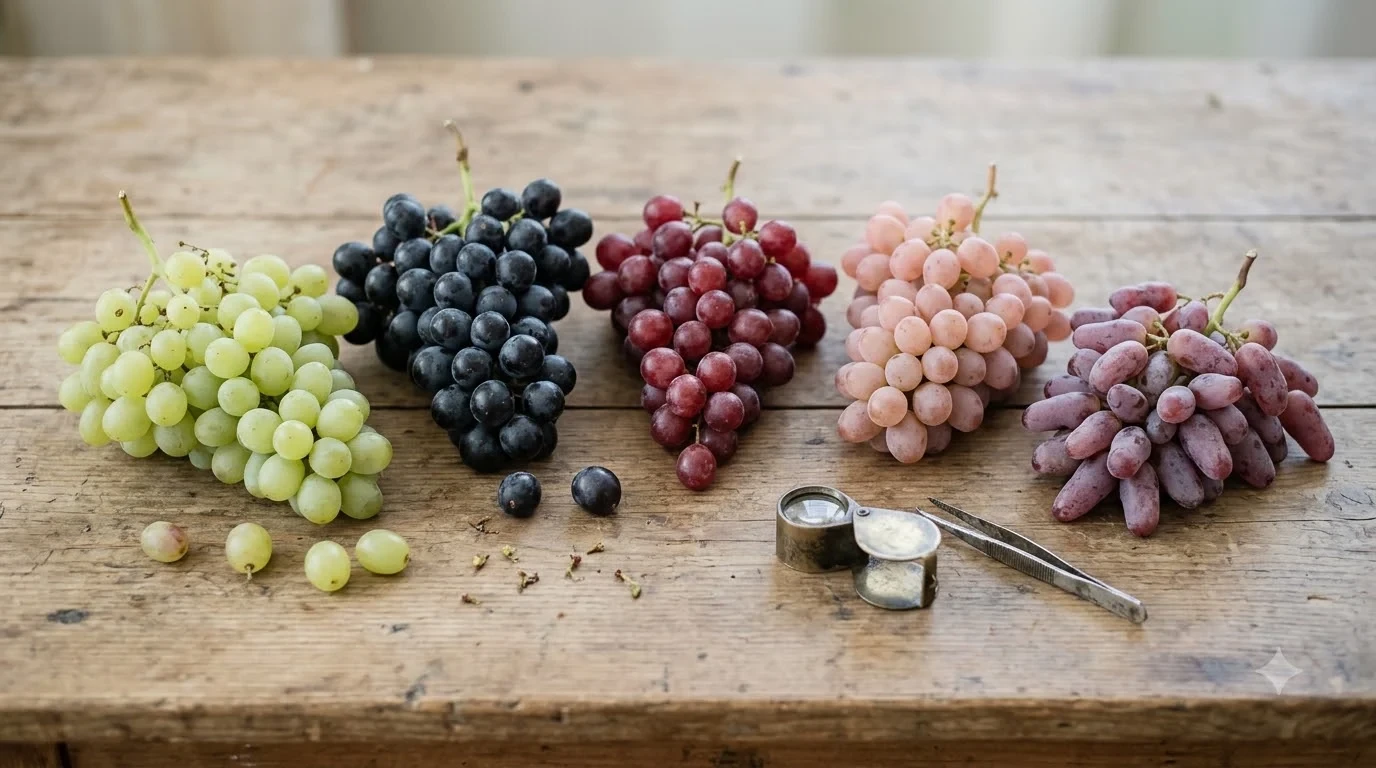
Primitivo vs Zinfandel is mostly a question of place, because the two names describe the same red grape grown in different countries. Zinfandel is the name used in the United States, while Primitivo is the name used in Italy, especially in Puglia. The grape is medium-full-bodied with ripe berry fruit, medium-high tannin, and a peppery, spiced finish, and the local style shapes how each bottle tastes.
Many wine drinkers see both names on labels and assume they are two different grapes. This guide explains where each name comes from, how the wines taste, how to serve them, and which dishes suit them best, so you can pick the right bottle with confidence.
One grape, two names
Zinfandel is best known in California, and its origin is Croatia, where it is genetically identical to the Croatian grape Tribidrag, also known as Crljenak Kaštelanski. The grape was likely brought to the United States in the early 1800s. In Italy it is generally called Primitivo, and the wines are closely associated with Puglia in the south.
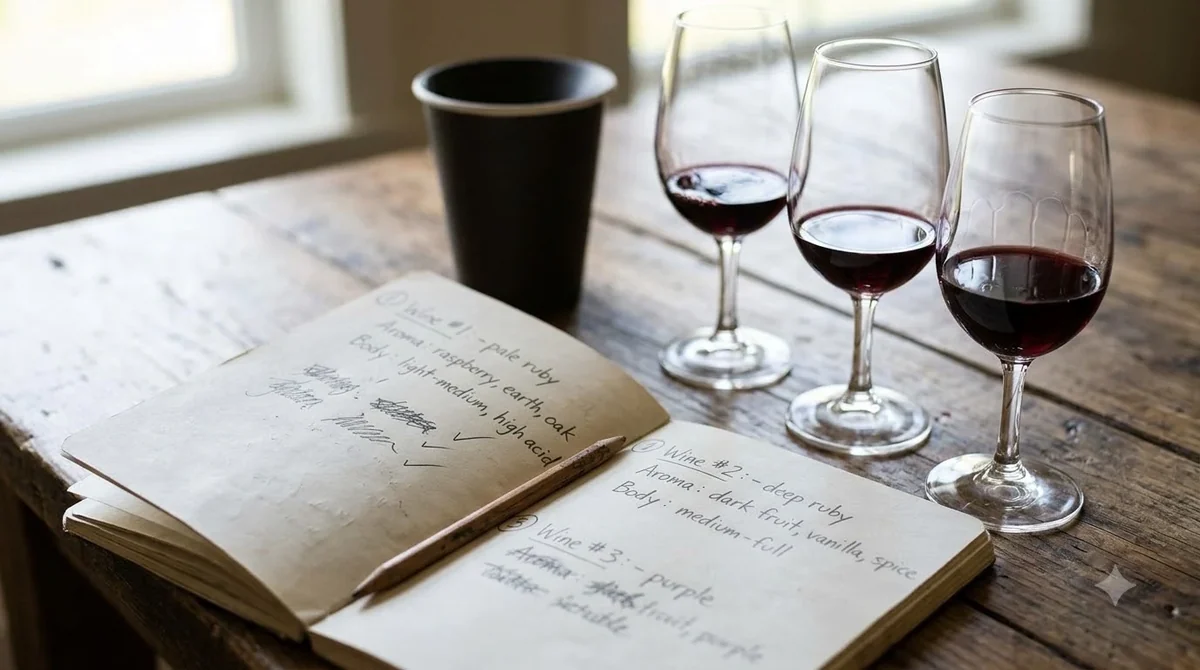
The name difference is mostly a matter of convention. The same vine can produce a wine labeled Zinfandel in Sonoma and Primitivo in Apulia, and the flavors may reflect the climate and winemaking as much as the grape. That is why a Zinfandel from Lodi can taste different from a Primitivo from Puglia even though both come from the same genetic family.
Where the grape grows today
Vineyard area is largest in the United States and Italy. According to the Wine Folly grape profile, U.S. plantings are around 45,840 acres, mostly in Lodi, Paso Robles, the North Coast, and the Sierra Foothills. Italy has around 34,337 acres, most of them in Puglia where the grape is called Primitivo. Smaller plantings exist in North Macedonia, Australia, Chile, Canada, and South Africa, and the total planted area is roughly 83,148 acres, according to the University of Adelaide figures cited on the same page.
Flavor and style: California warmth vs Italian structure
Zinfandel and Primitivo share a core of dark fruit, but the details shift with the place. The Wine Folly profile lists blackberry, strawberry, peach preserves, cinnamon, and sweet tobacco as the primary flavors. Cooler sites tend to produce red berries like strawberry and raspberry, while warmer areas bring deeper black fruits. Baking spice and a peppery note appear often, especially in ripe, full-bodied bottles.
| Trait | Zinfandel (U.S.) | Primitivo (Italy) |
|---|---|---|
| Main home | Lodi, Paso Robles, North Coast, Sierra Foothills | Puglia |
| Typical flavors | Blackberry, strawberry, peach preserves, cinnamon, sweet tobacco | Dark fruit with spice; warmer sites bring deeper black fruit |
| Tannin | Medium-high | Medium-high |
| Acidity | Medium-low | Medium-low |
| Body | Medium-full | Medium-full |
| Alcohol | Often 14% or higher | Often 14% or higher |
| Serving temperature | 60–68°F (15–20°C) | 60–68°F (15–20°C) |
| Suggested decanting | About 30 minutes | About 30 minutes |
The alcohol figure deserves a caveat. The Wine Folly page gives “over 15% ABV” in its taste profile but “14%+ ABV” in its tasting section, so the number varies by bottle. Check the label on the specific wine if alcohol level matters to you, since a ripe, full-bodied Zinfandel can sit toward the higher end.
Tannin, acidity, and how the wine feels
Tannin gives both wines their grip. Medium-high tannin is enough to dry the palate and to hold up against rich food, but it is softer than the tannins in a young Nebbiolo or Cabernet. Acidity is medium-low, which means these wines feel rounder and softer on the finish than many Italian reds. That softness is part of their appeal for people who want a full-flavored red without sharp edges.
Because acidity is lower, the wine relies more on fruit and spice for balance. A bottle with good fruit and a clean spicy finish reads as well-made, while a dull or overly sweet example can taste flat. Look for a wine that still shows fresh fruit when you pour it, since that signals a bottle worth decanting.
Serving and aging
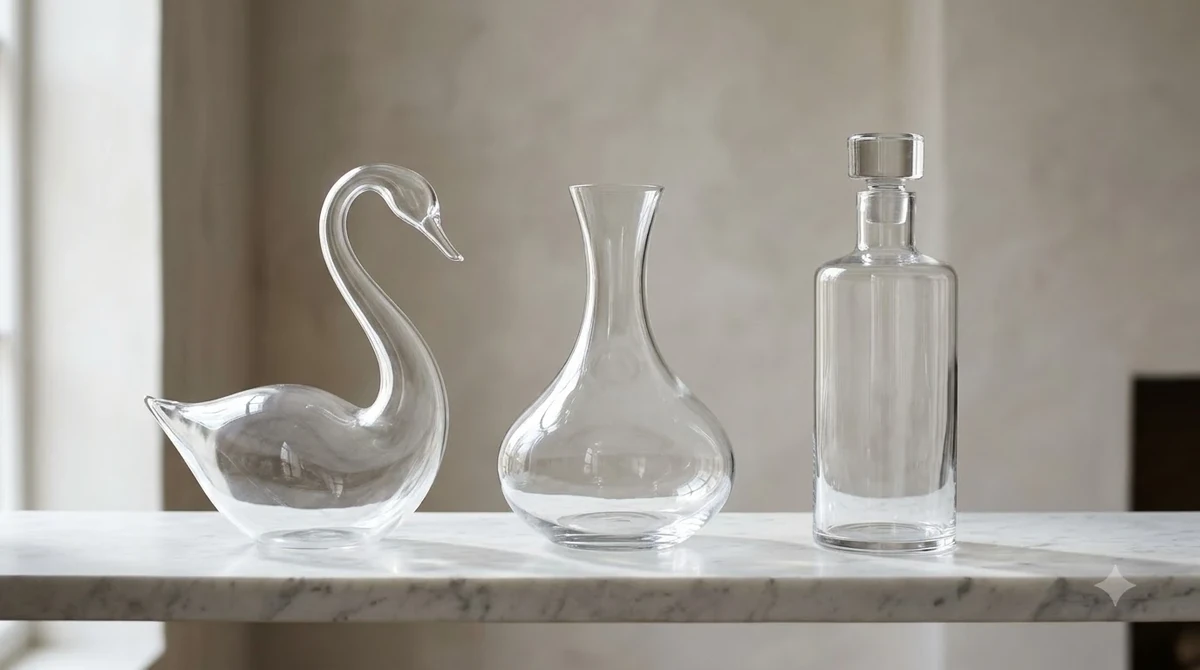
Serving temperature for both wines is 60–68°F (15–20°C), which is a cool room temperature rather than a chilled one. Decanting for about 30 minutes can open up the fruit and soften the tannin, especially in a young bottle. The Wine Folly profile suggests cellaring for 5 to 10 years, so most bottles are ready to drink on release but also hold up for a few years in the cellar.
Glassware matters less than temperature. A medium-sized glass with room to swirl lets the spice and fruit come forward. Pour a modest serving, since the wine’s richness and alcohol mean a big glass can make the bottle feel heavier than it is.
Food pairings for Primitivo and Zinfandel
These wines are at their best with bold, smoky food. The Wine Folly profile suggests Moroccan and Turkish spices, cajun seasoning, cumin, black pepper, and cinnamon as good partners. Barbecue is a natural match, including ribs, pulled pork, and burgers, while roast lamb and game complement the wine’s dark fruit. The Wine Folly Zinfandel profile also lists sharp cheddar, smoked gouda, and grilled halloumi as good cheeses to serve with the bottle.
Vegetables work too. Caramelized onion, roasted tomatoes, grilled eggplant, mushrooms, and olives all echo the wine’s savory notes. For an Italian-style meal, Primitivo from Puglia pairs well with tomato sauces, grilled sausage, and dishes built on olive oil and herbs.
Tip: For a barbecue dinner, a Zinfandel or Primitivo with spice-rubbed meat is a good fit. For a lighter meal, choose a cooler-climate bottle with more red fruit instead of the deep, jammy style.
How to choose between the two labels
Because the grape is the same, the real choice is about style. If you like a California-style red with generous fruit and a sweet spice finish, look for Zinfandel from the warm, sunny regions. If you prefer a drier, more savory red with the same grape family, a Primitivo from Puglia gives a different kind of structure. Reading the producer’s description and checking the region on the label will tell you more than the name alone.
If you are also comparing Zinfandel with other popular reds, the pinot noir vs zinfandel guide shows how a lighter, more delicate red differs from this fruit-forward grape. The merlot vs zinfandel comparison covers another common choice, and the Wine vs Wine hub lists more side-by-side guides.
Frequently Asked Questions
Is Primitivo the same grape as Zinfandel?
Yes. Wine Folly describes Zinfandel as genetically identical to the Croatian grape Tribidrag, and it is called Primitivo in Italy. The differences you taste come from the region, climate, and winemaking rather than from a different grape.
Which is sweeter, Primitivo or Zinfandel?
Sweetness depends on the bottle, not the name. Zinfandel is often described with jammy, sweet-fruit notes, and its spice can read as sweet. Primitivo from Puglia tends to taste more savory, but a ripe bottle of either wine can feel fruit-forward.
Should Zinfandel be chilled before serving?
No. Wine Folly recommends serving Zinfandel at 60–68°F (15–20°C), which is a cool room temperature. A short time in the fridge can bring a very warm glass down slightly, but the wine should not be served cold.
How long can Zinfandel be cellared?
The Wine Folly profile suggests cellaring Zinfandel for 5 to 10 years. Most bottles are enjoyable on release, but a well-structured example can develop more complexity over several years.
Primitivo and Zinfandel are one grape with two identities. Choose by region and style: a sunny California bottle for generous fruit and spice, or a Puglian Primitivo for a more savory red. Either way, pair it with smoky, bold food and serve it at cool room temperature.
More in Wine vs Wine
 Nero d’Avola vs Pinot Noir: Taste, Body, and Pairing DifferencesUpdated Nov 21, 2026
 Chenin Blanc vs Pinot Blanc: Key Differences in Taste, Acidity, and PairingsUpdated Nov 21, 2026
 Chardonnay vs Shiraz: Key Differences in Taste, Serving, and PairingUpdated Nov 21, 2026
 Chardonnay vs Verdejo: How Spain’s Crisp White Compares to the World’s ChameleonUpdated Nov 21, 2026
 Chardonnay vs Sancerre: Key Differences in Taste, Grapes, and PairingUpdated Nov 21, 2026
 Chardonnay vs Malbec: Key Differences in Taste, Body, and PairingUpdated Nov 21, 2026