

We may earn a commission when you buy through links on this page, at no extra cost to you. Learn more.
Pinot Noir vs Syrah is a choice between silky and structured: Pinot Noir is a light-to-medium red with low tannin and bright red fruit, while Syrah is a full-bodied red with dark fruit, firmer tannin, and a peppery finish. Both are dry reds, but they sit at opposite ends of the red-wine spectrum, which is why they suit very different dinners.
Shoppers often compare these two grapes because both appear on wine lists from Burgundy to California. This guide explains how Pinot Noir and Syrah differ in origin, flavor, body, serving temperature, and food pairing, so you can choose the right bottle without guessing.
Where each grape comes from
Pinot Noir is one of the most widely planted red grapes in the world, ranking sixth by vineyard area according to the Wine Folly grape profile. It prefers intermediate climates with long, cool growing seasons, often in protected valleys or near large bodies of water. Its best-known homes include Burgundy, California, Oregon, and parts of Germany and New Zealand.
Syrah began in southeastern France and is closely associated with the Rhône Valley. It is popular with growers in France and the United States, and in Australia the same grape is generally sold as Shiraz. Its vines are grown across a range of climates, and the same grape can taste noticeably different from one region to the next. French and Italian examples tend to be earthier and more herbaceous, while Australian, American, and South American bottles usually lean toward riper fruit and spice. That range is one reason Syrah is easier to find in many styles than Pinot Noir.
Flavor and body compared
The easiest way to tell these wines apart is by the first sip. Pinot Noir shows raspberry, cherry, and earthy mushroom notes, with a silky texture and a light-to-medium body. Syrah opens with dark fruit such as blueberry and black plum, then moves to savory notes like tobacco and green peppercorn, with a fuller body.
| Trait | Pinot Noir | Syrah |
|---|---|---|
| Origin | Burgundy, France; also California, Oregon, Germany | Southeastern France, Rhône Valley; Shiraz in Australia |
| Typical flavors | Raspberry, cherry, mushroom, vanilla, hibiscus | Blueberry, black plum, milk chocolate, tobacco, green peppercorn |
| Acidity | Medium-high | Medium |
| Tannin | Low | Medium-high |
| Body | Dry, medium | Dry, full |
| Alcohol | 12–14% ABV | 13.5–15% ABV |
| Serving temperature | 55–60°F (12–15°C) | 60–68°F (15–20°C) |
| Suggested decanting | About 30 minutes | About 1 hour |
The table shows the main contrast clearly. Pinot Noir’s low tannin and medium-high acidity make it feel light on the palate even when the fruit is ripe. Syrah’s medium-high tannin and full body give it a grip that lingers after each sip, which is why it can stand up to bold seasoning.
Tannin, acidity, and how each wine feels
Tannin is what you feel as dryness or grip on the gums and cheeks. Pinot Noir has very little of it because its grape skins are thin, so it reads as silky even with firm fruit underneath. Syrah has more tannin, and it often finishes with a peppery snap that keeps the wine from tasting heavy despite its ripeness.
Acidity works differently. Pinot Noir’s brighter acidity keeps it lively and food-friendly, so it can seem fresh even when the bottle is a few years old. Syrah’s medium acidity is less prominent, so the wine relies on fruit and spice for its energy. Neither approach is better; they simply give different sensations at the table.
How to serve Pinot Noir and Syrah
Serving temperature has a visible effect on both wines. Pinot Noir is best at 55–60°F (12–15°C), a cool serving temperature that keeps its delicate fruit lifted. Syrah is served a little warmer, at 60–68°F (15–20°C), which helps its dark fruit and spice open up in the glass.
Decanting also differs. Many young Pinot Noirs benefit from about 30 minutes of air, while Syrah is usually given about an hour. For both grapes, cellaring can help, though the timelines are different. Wine Folly suggests Pinot Noir often evolves over 5 to 10 years, with top versions improving for up to 20 years, while Syrah is commonly cellared for 10 years or more. Those are guidelines, not rules, and many bottles are ready to drink on release.
Food pairings that suit each grape
Pinot Noir is one of the most versatile red wines at the table. Duck is a classic match, since its acidity cuts through the rich fat, and spicing the duck brings out the wine’s nuances. Salmon, mushroom dishes, and earthy meals with herbs also work well. The Wine Folly Pinot Noir profile calls it a catch-all food pairing wine, which is why it suits mixed orders at a group dinner.
Syrah needs stronger flavors to match its weight. Rich meats and boldly spiced dishes are the natural partners, including lamb, grilled sausage, and spiced pork. The Wine Folly Syrah profile points to dishes such as lamb shawarma, gyros, Chinese five-spice pork, and Indian tandoori, which all carry the spice and smoke that the wine can handle.
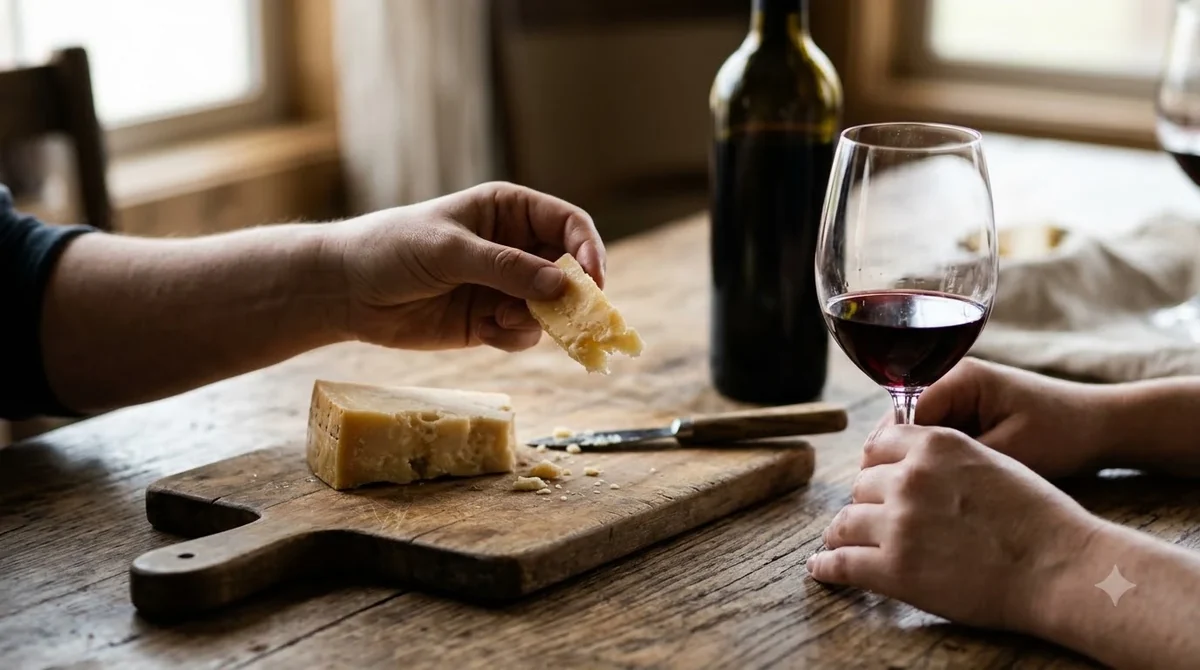
Both wines also work with cheese, but in different ways. Pinot Noir’s gentler tannin suits softer cheeses and mushroom-based dishes, while Syrah’s firmer structure matches aged, savory cheeses and grilled meats. Keep the cheese course in mind when you buy the bottle, since a board heavy with cured meats can push the choice toward the heavier wine.
Tip: If you cook for a crowd with mixed tastes, start with Pinot Noir. If the main course is a spiced, grilled meat, Syrah is the safer red to open.
Which should you choose?
Choose Pinot Noir when you want a red that feels light, fruity, and easy to drink with a wide range of foods, especially fish, poultry, and earthy vegetables. Choose Syrah when you want a richer, more structured wine that matches smoky grilled meat and bold spices. Both are dry reds, so the decision rests on the meal and the weight you want in the glass.
If you are weighing Pinot Noir against another light red, the chianti vs pinot noir comparison covers how Italian Sangiovese-based wine differs from Burgundy’s grape. For another contrast within the same family of reds, the pinot noir vs zinfandel guide shows how a fruit-forward California red stacks up against Pinot’s delicacy. The Wine vs Wine hub gathers more head-to-head comparisons for other choices.
Frequently Asked Questions
Is Syrah the same as Shiraz?
Yes, the grape is the same, but the name changes by region. Syrah is the usual name in France and the United States, while Shiraz is the common name in Australia. Australian Shiraz often tastes more fruit-driven and spicy than the earthier French style.
Which is lighter, Pinot Noir or Syrah?
Pinot Noir is lighter. It has low tannin and a medium body, while Syrah is full-bodied with medium-high tannin. That difference is why Pinot Noir feels silky on the palate and Syrah feels grippy and concentrated.
Should Pinot Noir be chilled before serving?
Pinot Noir is best served cool, around 55–60°F (12–15°C), according to the Wine Folly profile. That is a little cooler than a typical room, and it helps keep the fruit fresh. Give the glass a few minutes after pouring if the wine feels too cold at first.
Can Syrah be aged for a long time?
Syrah can age well. Wine Folly suggests cellaring it for 10 years or more, and the structure of a good bottle gives it room to develop. Many younger Syrahs are also enjoyable on release, especially those from warmer, fruit-driven regions.
Pinot Noir and Syrah are both excellent reds, but they answer different needs. Pinot Noir offers delicacy and a wide range of food matches, while Syrah brings weight, spice, and a long peppery finish. Match the wine to the weight of the meal and the mood of the table, and either bottle will feel right.
More in Wine vs Wine
 Nero d’Avola vs Pinot Noir: Taste, Body, and Pairing DifferencesUpdated Nov 21, 2026
 Chenin Blanc vs Pinot Blanc: Key Differences in Taste, Acidity, and PairingsUpdated Nov 21, 2026
 Chardonnay vs Shiraz: Key Differences in Taste, Serving, and PairingUpdated Nov 21, 2026
 Chardonnay vs Verdejo: How Spain’s Crisp White Compares to the World’s ChameleonUpdated Nov 21, 2026
 Chardonnay vs Sancerre: Key Differences in Taste, Grapes, and PairingUpdated Nov 21, 2026
 Chardonnay vs Malbec: Key Differences in Taste, Body, and PairingUpdated Nov 21, 2026