

We may earn a commission when you buy through links on this page, at no extra cost to you. Learn more.
Cabernet sauvignon vs chardonnay is a choice between a red and a white. Cabernet sauvignon is a full-bodied red with firm tannins and dark fruit flavors such as black cherry and black currant. Chardonnay is a white wine that ranges from crisp and lean to rich and buttery, depending on whether it sees oak. If you want bold, structured wine for red meat, cabernet is the usual pick; if you want something lighter and more versatile, chardonnay is often the easier choice.
Both grapes are among the most widely planted in the world, and both show up on restaurant lists and grocery shelves in every price range. Because they come from different colors of grape and are made in very different ways, the comparison is less about which is better and more about which fits the occasion, the food and your own taste.
How the Two Wines Are Made
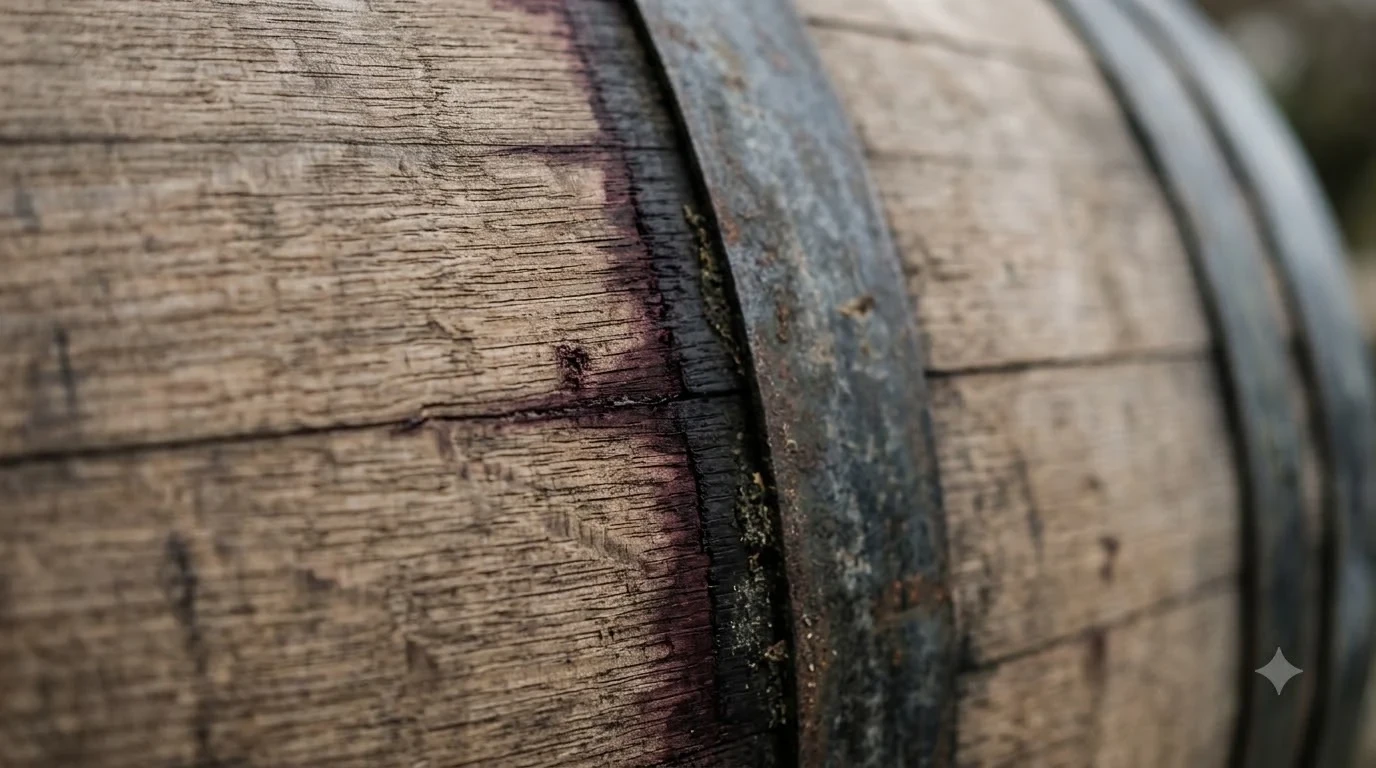
Cabernet sauvignon is a red grape with thick skins. The skins stay in contact with the juice during fermentation, which pulls color, tannin and flavor into the wine. That is why cabernet is dark, grippy and built to age. Many cabernets also spend time in oak barrels, which adds vanilla, cedar and baking spice.
Chardonnay is a white grape, so the juice is usually separated from the skins before fermentation. Its character depends heavily on winemaking choices. Unoaked chardonnay stays crisp and lean, while oaked versions can gain vanilla and toasted notes. Malolactic fermentation adds buttery aromas, and this is the source of the rich, creamy style many people associate with the grape.
Aging also differs. Most cabernet sauvignon is built to improve over several years in the bottle, and the tannins soften as the wine matures. Chardonnay is usually meant for drinking within a few years, although some top oaked bottles from Burgundy and other regions can develop nutty, honeyed notes with more time. Knowing this helps when you are deciding whether to open a bottle now or keep it.
Flavor and Body Compared
Cabernet sauvignon usually shows black cherry, black currant, cedar, baking spices and graphite. According to Wine Folly’s cabernet sauvignon guide, it is full-bodied, with medium-high tannins and medium-high acidity, and its alcohol usually falls between 13.5 and 15 percent.
Chardonnay is medium-bodied in most guides. Its unoaked styles lean toward green apple, pear, citrus and chalky minerality, while oaked versions show peach, mango, lemon, vanilla and butter. Chardonnay generally has medium acidity overall, though lean, unoaked examples can feel sharp and crisp.
| Feature | Cabernet sauvignon | Chardonnay |
|---|---|---|
| Color | Red | White |
| Body | Full | Medium (lean to full, depending on oak) |
| Tannins | Medium-high | Very low (none from skins) |
| Typical flavors | Black cherry, black currant, cedar | Apple, citrus, vanilla, butter |
| Serving temperature | 60–68°F (15–20°C) | 45–55°F (7–12°C) |
Where Each Grape Grows
Cabernet sauvignon is strongly associated with Bordeaux, especially the gravelly soils of the Médoc and Graves. It also has a major presence on California’s North Coast, including Napa Valley and Sonoma County, along with South Australia’s Coonawarra and Chile’s Maipo and Colchagua valleys. Each region gives the grape a slightly different profile, with cooler sites often showing more structure and warmer ones more ripe fruit.
Chardonnay has a much wider footprint. It originated in Burgundy, France, and is now grown in nearly every winemaking country. The largest plantings are in France, the United States, Australia, Italy and Chile. Cool-climate chardonnay from Chablis or the Adelaide Hills tends to be crisp, while warmer regions often produce riper, rounder styles.
How to Serve Each Wine
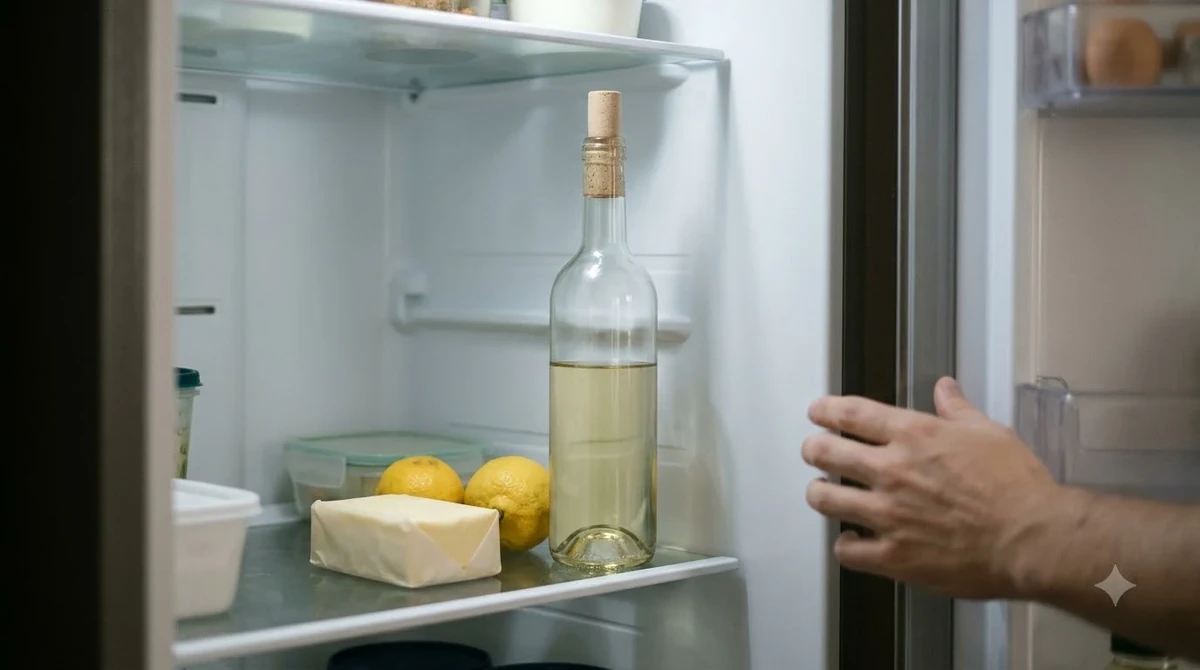
Serving temperature has a large effect on both wines. Cabernet is usually poured at about 60 to 68°F (15 to 20°C), a little cooler than most rooms, which keeps its tannins from feeling heavy. A young, tannic cabernet benefits from decanting for about 30 minutes before the meal.
Chardonnay is best at a cooler temperature. Wine Folly’s chardonnay guide puts it between 45 and 55°F (7 to 12°C), with lean, unoaked styles toward the colder end and oaked versions a bit warmer so their texture shows. Sparkling chardonnay is typically served even colder, which is one reason it works so well as an aperitif.
Tip: A chardonnay served too cold can taste thin and sharp, while a cabernet served too warm can taste hot and jammy. Adjusting the temperature is one of the simplest ways to get more from either bottle.
Food Pairings That Work
Cabernet sauvignon was made for rich, savory food. Grilled steak, lamb chops, aged hard cheeses and mushroom dishes all stand up to its tannins and fruit. The wine’s structure softens fat and balances smoky flavors from the grill, which is why it appears so often on steakhouse menus.
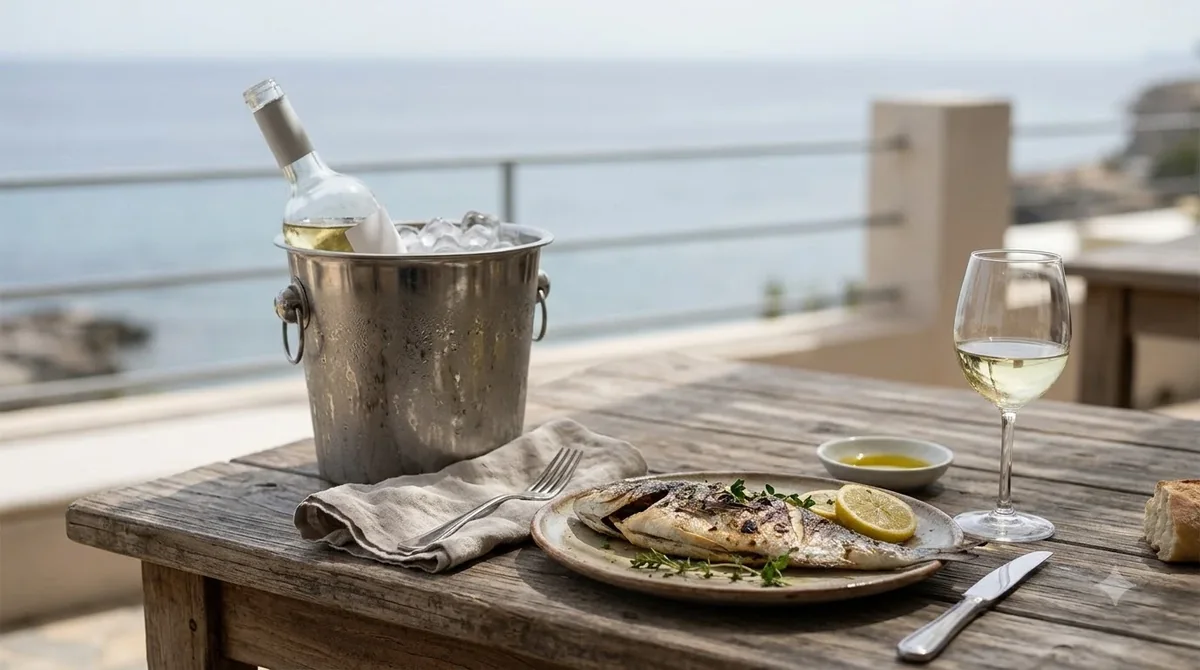
Chardonnay is more flexible. Unoaked versions pair well with seafood, roast chicken, and salads with citrus dressing. Oaked chardonnay can handle creamy pasta, lobster and buttery sauces, because its texture matches the richness of the food. Its acidity also keeps the palate fresh between bites.
Side dishes can tip the balance too. A cabernet pairs well with roasted root vegetables, grilled mushrooms and dark chocolate desserts, while chardonnay goes nicely with corn, asparagus, risotto and soft cheeses such as brie. When you are planning a whole meal, think about the sauce and the side dishes as much as the main protein.
How to Choose Between Them
Choose cabernet sauvignon when the meal has red meat, bold seasoning or hard cheese, or when you want a wine to sit with for an evening. Choose chardonnay when the meal is lighter, when you are serving a mixed group, or when the main dish is seafood or poultry. Both wines come in many styles, so the label’s region and winemaking notes often tell you more than the grape name alone.
When you read a back label, look for words such as oaked, unoaked, reserve or cool climate. Those terms point to the body and freshness you can expect. A bottle described as “crisp” or “lean” will suit lighter food, while one described as “toasty” or “ripe” will be a better partner for richer dishes.
If you are comparing cabernet with other reds, the bordeaux vs cabernet sauvignon guide explains how regional blends differ. For a closer look at the contrast with another white, see cabernet sauvignon vs sauvignon blanc. The wine vs wine guides cover more pairings.
Frequently Asked Questions
Is cabernet sauvignon sweeter than chardonnay?
Most dry cabernet sauvignon and dry chardonnay are not sweet. Cabernet tastes bolder and more tannic, while chardonnay tastes fruitier and sometimes creamy from oak. Sweetness depends on the style, so check the producer’s description if you want a sweeter bottle.
Which one is lower in tannin?
Chardonnay has very little tannin, because tannin comes mainly from grape skins and seeds in red wine. Cabernet sauvignon has medium-high tannins, which give it the grip many people enjoy with steak.
Can you drink chardonnay with red meat?
It is an unusual pairing, but a rich, oaked chardonnay can work with roast pork or chicken with a creamy sauce. For beef or lamb, cabernet sauvignon is the more natural match.
Which should I buy for a dinner party?
If the menu is mostly meat, a cabernet is a safe choice. If guests are split between seafood and poultry, a chardonnay offers more room to pair. Many hosts serve one of each so every guest has a wine they like.
Cabernet sauvignon and chardonnay each reward a clear purpose. Pick the one that fits the food and the mood, serve it at the right temperature, and the difference between the two will be easy to taste.
More in Wine vs Wine
 Nero d’Avola vs Pinot Noir: Taste, Body, and Pairing DifferencesUpdated Nov 21, 2026
 Chenin Blanc vs Pinot Blanc: Key Differences in Taste, Acidity, and PairingsUpdated Nov 21, 2026
 Chardonnay vs Shiraz: Key Differences in Taste, Serving, and PairingUpdated Nov 21, 2026
 Chardonnay vs Verdejo: How Spain’s Crisp White Compares to the World’s ChameleonUpdated Nov 21, 2026
 Chardonnay vs Sancerre: Key Differences in Taste, Grapes, and PairingUpdated Nov 21, 2026
 Chardonnay vs Malbec: Key Differences in Taste, Body, and PairingUpdated Nov 21, 2026