

We may earn a commission when you buy through links on this page, at no extra cost to you. Learn more.
Butter chardonnay is a rich, creamy style of Chardonnay that smells and tastes of butter, vanilla and toast. Most of that character comes from malolactic fermentation, a second fermentation that turns sharp acid into a softer one and creates diacetyl, the compound most linked to a buttery aroma. Oak barrels then add vanilla, caramel and toasty notes that reinforce the impression.
If you have ever poured a glass of Chardonnay and noticed a popcorn-and-cream aroma, you have already met this style. Butter chardonnay is an informal way of describing a winemaking approach rather than an official category, so the amount of butter varies from bottle to bottle. This guide explains where the flavor comes from, how the wines taste, and how to serve and pair them.
What makes a Chardonnay taste buttery
Butteriness is mostly a winemaking choice. Chardonnay grapes naturally carry plenty of malic acid, the same sharp acid found in green apples. When a winemaker allows malolactic fermentation (MLF) to run, bacteria convert that malic acid into lactic acid, the milder acid found in dairy, and the wine becomes softer and rounder in the mouth.
MLF also produces diacetyl, which is intensely buttery in aroma. Food writers often point out that this same compound is used to give microwave popcorn its butter scent, which explains why the smell feels so familiar to many drinkers.
Oak is the second ingredient. Many buttery Chardonnays are aged in new oak barrels, often while MLF is underway, and the wood adds vanilla, toast and sometimes caramel. Oak also softens the texture, giving the wine the creamy mouthfeel people describe as buttery. Oak does not create diacetyl itself, so the butter scent comes from MLF while the oak reinforces it. Wine educators do debate how much of the buttery impression is really oak aroma, and many drinkers assume the oak flavors are traits of the grape. A useful rule is that MLF makes the butter and oak finishes the job.
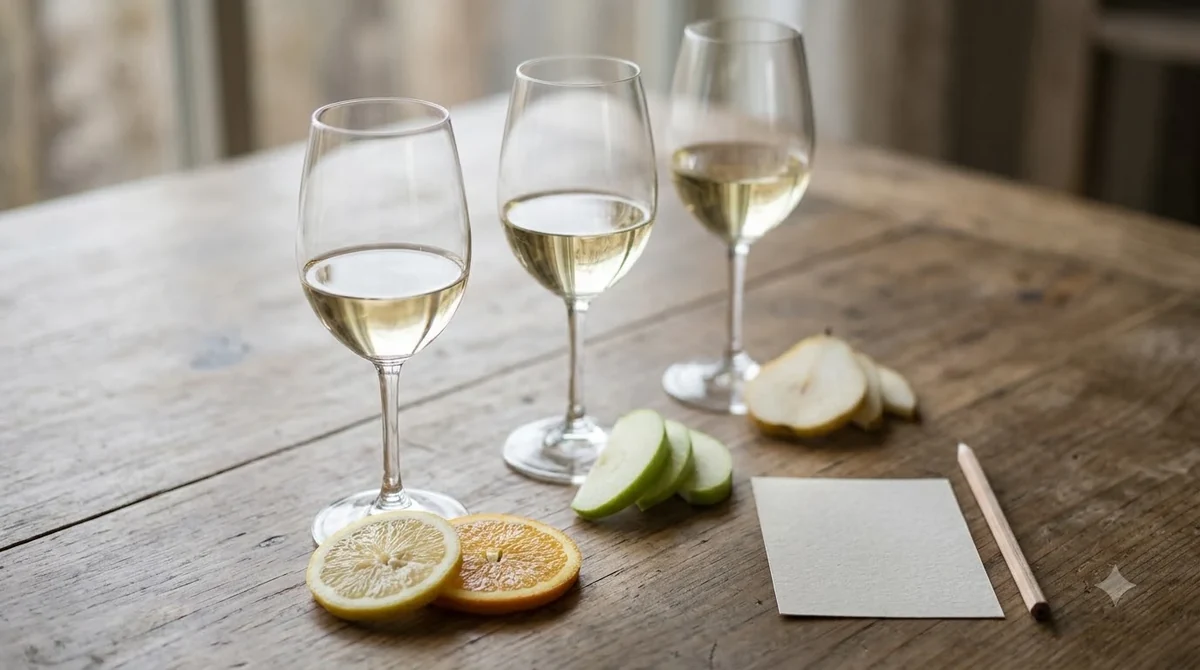
Wines that skip MLF and see little or no oak taste the opposite way. They usually show crisp citrus, green apple and a lean, sharp finish.
Flavor profiles and styles
Butter chardonnay is not one flavor. The climate where the grapes grow shapes the fruit underneath the cream, so two bottles with the same winemaking can taste quite different.
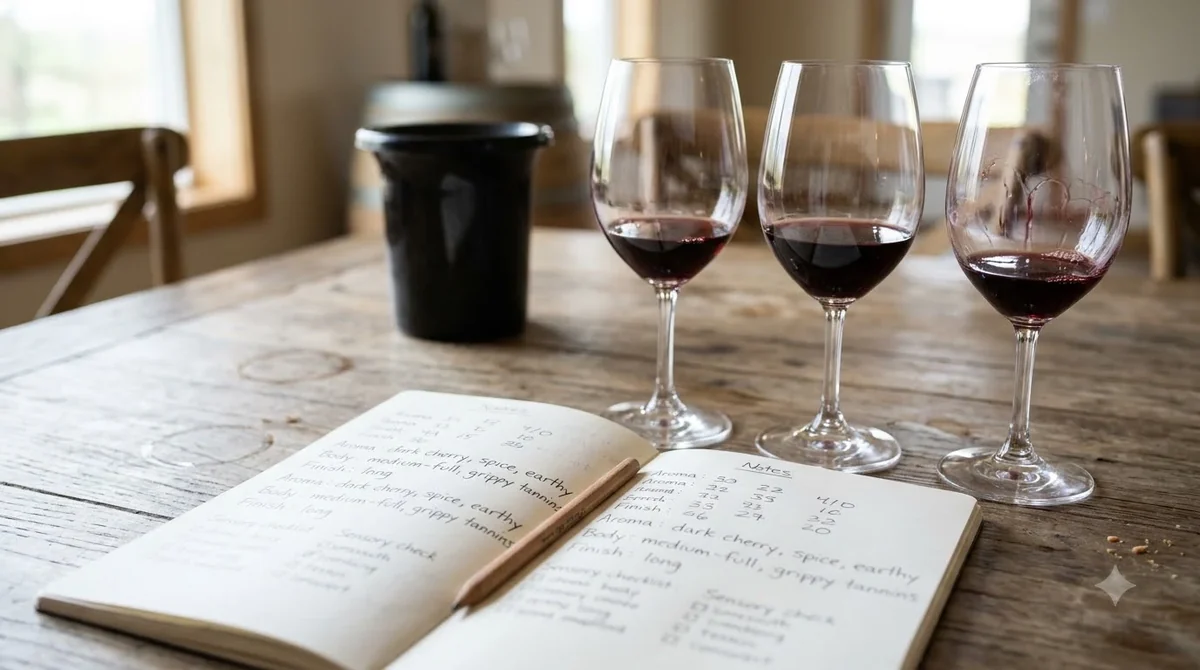
In cool climates, buttery Chardonnays usually have a medium body, lively acidity and green apple or pear notes beneath the richness. In moderately warm regions, the fruit leans toward citrus, peach and melon. In very warm growing areas, the wines can show ripe fig, banana and mango, and the butter can feel heavier on the palate.
Most bottles fall somewhere between two poles. The full, oaky, fully malolactic style is the classic buttery Chardonnay that fills many American wine shelves. The leaner style uses little oak and limited MLF, so it reads crisp and citrusy. The table below summarizes what to expect from each.
| Style | Typical aroma | Texture | Good with |
|---|---|---|---|
| Full buttery | Butter, vanilla, toast | Creamy and round | Lobster, popcorn, rich chicken |
| Balanced oaked | Butter with citrus and pear | Smooth with some lift | Creamy pasta, roast chicken |
| Crisp unoaked | Green apple, lemon, lime | Light and sharp | Salads, grilled fish with herbs |
The middle style is the one most people buy when they first try a buttery wine, because it offers the richness without the heaviness of a full-throttle bottle.
Where buttery Chardonnay is made
Chardonnay started in Burgundy in east-central France, and it is now grown almost everywhere wine is produced. Buttery styles are common in California, and cooler regions of Oregon, Washington and New York also make them. In Australia, cooler spots such as South Australia and the Hunter Valley produce both rich and crisp versions of the grape.
Chablis, also in France, is the classic lean counterpoint. Its wines are mineral-driven, with green apple and a wet-stone character rather than butter. Because so many producers in so many regions use the buttery approach, the same label can taste different from one vintage to the next. Reading the back label helps. Phrases such as barrel fermented or full malolactic usually point to a richer bottle.
For a clear explanation of the chemistry behind the style, Food Republic’s breakdown of why Chardonnay tastes buttery walks through MLF, diacetyl and oak in plain language.
How to serve buttery Chardonnay
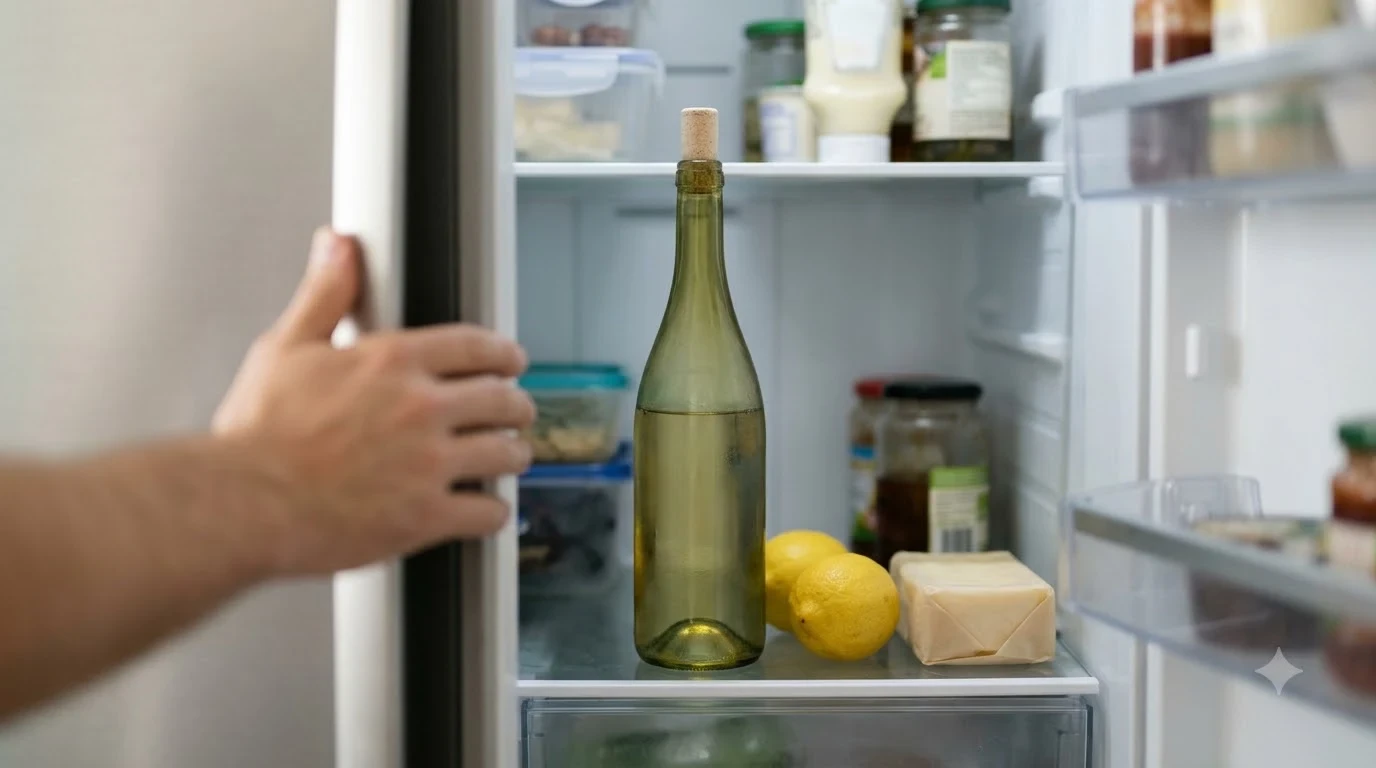
Serve buttery Chardonnay chilled, but not ice cold. Very cold temperatures mute the aromas that make the wine taste rich, so take the bottle out of the fridge a short while before pouring. A white wine glass with a moderately wide bowl lets the butter and oak aromas open up.
Give the wine a few minutes in the glass. As it warms slightly, the texture softens and the vanilla and toast come forward. Richer styles handle a little air well, while crisp unoaked versions are best poured straight from a cool bottle and enjoyed while fresh.
Food pairings that work
Buttery Chardonnay pairs naturally with food that has its own richness. Lobster is the best-known match, because the sweet meat and butter sauce echo the wine’s texture. Crab legs, corn on the cob and macaroni and cheese work for the same reason, and the wine’s creaminess balances the salt and fat in these dishes.
Roast chicken, lemon chicken and chicken salad are reliable choices. A full-bodied buttery bottle can also stand up to the warm spices of tandoori chicken. For a casual night in, popcorn is a surprisingly good partner. Leaner Chardonnays suit lighter dishes such as grilled fish with herbs or a salad with a citrus dressing.
Tip: Match the sauce, not just the protein. A cream or butter sauce calls for a buttery Chardonnay, while a lemon or herb dressing suits a leaner style.
How to choose a bottle
Start with the style you want. If you enjoy the richness of a classic buttery wine, look for bottles described as barrel fermented or aged in oak with full malolactic fermentation. If you want the buttery scent with more freshness, pick a cool-climate bottle from a region such as the Sonoma Coast or Oregon.
Read the producer’s own description. Winery websites and established wine publications usually explain how much oak and MLF went into the wine, which tells you more than a vague word like smooth. If you want to compare brands, our guide to Kendall Jackson Chardonnay looks at a widely sold example of the style, and the Rombauer Chardonnay guide covers another. The full set of brand guides lives under Wine Brands.
Common mistakes when buying buttery Chardonnay
Many shoppers assume the most buttery bottle is automatically the best one. Richness is a style, not a measure of quality, and a heavily buttery wine can overwhelm a light salad or a delicate fish course. Start with the dish you plan to serve, then choose the style that matches it.
Another common mistake is serving buttery Chardonnay too cold. A bottle pulled straight from the back of the fridge can taste thin and sharp, which hides the very aromas you paid for. Heat is the other trap. Bottles kept near a warm stove or in a sunny window can lose their freshness within months, so store them in a cool, dark place and chill them shortly before serving.
Finally, do not rely on a single word on the label. Look at how the wine is described across several sources, check the vintage, and note whether the producer explains its oak and malolactic approach. Those details tell you far more about the glass than the word buttery alone.
Frequently Asked Questions
Is butter chardonnay a different grape?
No. It is Chardonnay, the same green-skinned grape, made in a style that emphasizes malolactic fermentation and oak. The grape stays the same while the winemaking changes the flavor.
Is buttery Chardonnay sweet?
Usually not. Buttery refers to aroma and texture rather than sugar. Most buttery Chardonnays are dry, although a small number of producers leave a little residual sweetness.
Is butter chardonnay a good choice for beginners?
Often, yes. The creamy texture and familiar popcorn and vanilla notes are easy to enjoy, and the wine is usually approachable without much tannin or bitterness.
Can I cook with butter chardonnay?
Yes. A buttery bottle adds depth to cream sauces, risotto and seafood dishes. Use a wine you would be happy to drink with the meal, since the flavor concentrates as the sauce reduces.
Butter chardonnay is best understood as a style you can learn to read on the label. Once you know how malolactic fermentation and oak shape the glass, you can pick the creamy bottle you want for a dinner party or the crisp one for a summer lunch. Explore more of the category in our Wine Brands guides.
More in Wine Brands
 Underwood Wine Price: Compare Bottles, Cans, and Pack SizesUpdated Nov 21, 2026
 Zenato Wine Price: Compare Styles and Choose the Right BottleUpdated Nov 21, 2026
 Zuccardi Wine Price: Compare Bottles and Find the Right RangeUpdated Nov 21, 2026
 Yellow Tail Moscato Review: Taste, Sweetness and Serving TipsUpdated Nov 21, 2026
 Wolf Blass Yellow Label Review: Choose Your Best StyleUpdated Nov 21, 2026
 Wolffer Estate Rose Review: Choose the Right Bottle for Your TableUpdated Nov 21, 2026