

We may earn a commission when you buy through links on this page, at no extra cost to you. Learn more.
Kendall Jackson Chardonnay is the signature white from the Kendall-Jackson winery, first released as Vintner’s Reserve in 1982 and built on blending grapes from several California coastal and cool-climate sites. The style is ripe and round, with apple, pear, and vanilla notes that many drinkers recognize from the bottle on a restaurant wine list. If you are comparing options, the key question is which tier of the Kendall-Jackson range you are buying, because the lineup ranges from the everyday Vintner’s Reserve to single-county and estate bottlings.
Kendall Jackson Chardonnay has been a fixture of American wine shops and restaurants for decades, and it is one of the most widely available California Chardonnays on shop shelves. This guide explains where the wine comes from, what the house style tastes like, how the lineup is organized, and how to serve and pair it. It also separates the brand’s own historical claims from the broader context that independent wine writers describe.
Where the Kendall-Jackson Chardonnay style began
The brand’s story starts with founder Jess Jackson, who was a newcomer to the wine business when he launched his first Vintner’s Reserve Chardonnay. The company dates the brand to 1982 and describes the first release as the winery’s inaugural vintage. Its own history says the wine was a departure from the way most California producers worked at the time, since most wineries preferred to bottle a single vineyard or a single appellation.
Jackson chose to blend grapes from several areas instead. According to the company’s history, his sourcing ran across Lake County, where his original orchard was, along with Santa Barbara, Monterey, and Sonoma. The brand’s own description says the wine was labeled simply as Californian rather than by one county, which made it a different kind of product for American buyers. You can read the company’s account of this origin in its brief history of the Chardonnay.
The company’s website describes the brand as family grown since 1982 and says the team has spent more than 40 years caring for its land and vines. The winery is based in Santa Rosa, in Sonoma County, at the Kendall-Jackson Wine Estate and Gardens, where visitors can book tasting experiences. That Sonoma base gives the brand a local anchor even though the flagship blend draws on several regions across the state.
What the wine tastes like
Most people describe the flagship Chardonnay as a medium-bodied, fruit-forward white. Typical notes include ripe apple, pear, and citrus peel on the front, with vanilla, toast, and a softer creamy texture from oak aging. The result is more generous than a crisp, unoaked Chardonnay but less heavy than a big, buttery Napa style.
Vintage and bottling matter. Because the Vintner’s Reserve is blended from different regions each year, the balance of fruit and acidity can shift a little from one release to the next. Higher tiers in the range tend to focus on a single county or estate, which usually gives a more defined sense of place and a tighter structure.
| Tier | Where the grapes come from | Typical character |
|---|---|---|
| Vintner’s Reserve | Blended from several California regions | Ripe, round, approachable, easy to pour |
| Single-county or regional bottlings | One named growing area | More defined fruit and acidity |
| Estate and reserve bottlings | Specific vineyards owned or farmed by the family | Greater complexity, often more oak and structure |
The table is a simplified guide. Labels change over time, so check the back label for the appellation and vintage before you decide whether a bottle matches what you want.
How to serve Kendall Jackson Chardonnay
A richer Chardonnay like this one shows best slightly cooler than room temperature, often around 45 to 50 degrees Fahrenheit. Serving it too cold mutes the fruit and makes the oak feel sharper, while serving it warm can make it taste heavy and alcoholic. An ice bucket for the first hour of a dinner party keeps the glass at a comfortable temperature.
Decanting is unnecessary for a white like this one, so pour it directly from the bottle. A standard white wine glass with a moderate bowl is a good choice. It concentrates the aroma without trapping too much of the vanilla and toast notes. Once opened, a bottle of Chardonnay is best within a few days when kept in the refrigerator with the cork or a stopper in place.
Food pairings that suit the style
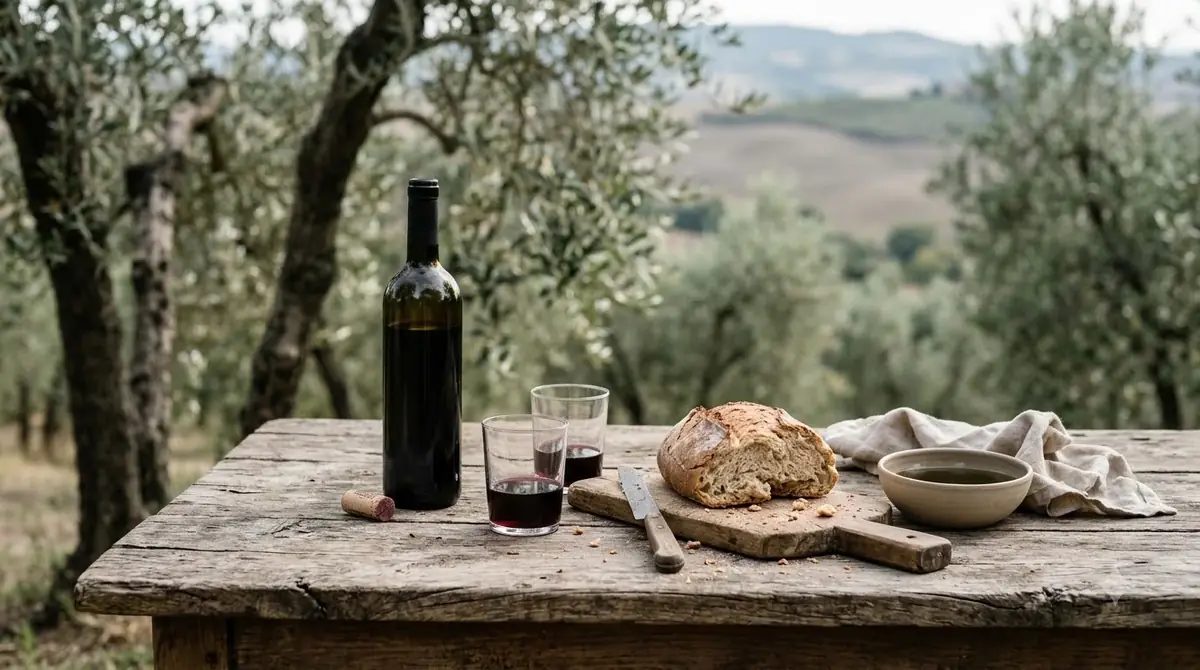
The round texture and moderate oak make this Chardonnay a natural partner for dishes with some richness. Roast chicken with lemon and herbs, pork chops with apple, lobster or crab with light butter, and creamy pasta sauces made with cream or Parmesan all suit it well. Grilled shrimp with a little char also works, since the wine’s fruit can stand up to smoky flavors.
It is less ideal with very sharp or spicy dishes, because the wine’s soft fruit can taste dull next to strong acid or chili heat. For a salad or a light seafood plate, a leaner, unoaked Chardonnay or a Sauvignon Blanc usually fits better than the flagship bottle.
Tip: Pair the wine with the sauce, not just the main protein. A buttery or cream-based sauce brings out the vanilla notes, while a lemon or herb sauce keeps the wine fresh.
Choosing the right bottle in the range
Begin with the occasion. For an everyday dinner or a crowd, the Vintner’s Reserve is the most practical choice because it is consistent and easy to find. For a special meal where you want to talk about the wine, a single-county or estate bottle gives you more to discuss, since the place it came from is part of the story.
It also helps to know what you like. If you prefer a clean, mineral Chardonnay with little oak, a different producer may fit you better, and it is worth comparing a few bottles side by side. The Wine Brands guide explains how to compare producers across price levels and regions, which is useful when you are deciding between Kendall-Jackson and similar wines.
Frequently Asked Questions
What is Kendall Jackson Chardonnay known for?
The brand is known for a ripe, approachable California Chardonnay that blends fruit from several regions. The Vintner’s Reserve is the best-known bottling and has been a widely sold Chardonnay in the United States for many years.
Is Kendall Jackson Chardonnay oaky?
It has noticeable oak character, with vanilla and toast notes, but it is generally softer and less heavy than a bold, buttery Napa Chardonnay. Higher-tier bottlings can carry more oak and structure than the everyday release.
What food goes well with Kendall Jackson Chardonnay?
Roast chicken, pork with apple, creamy pasta, and lobster or crab with butter are strong matches. It is a less natural fit for very spicy or highly acidic food.
How is Kendall Jackson Chardonnay different from other popular Chardonnays?
Its defining feature is blending across several California regions rather than relying on one vineyard. That gives a consistent, fruit-forward style, while single-vineyard or single-appellation Chardonnays usually show more of one place.
Kendall Jackson Chardonnay is a reliable starting point if you want a familiar, generous California white that suits a wide range of meals. Try the everyday bottling with a roast chicken dinner first, then move up to a single-county bottle if you want to taste how the source changes the wine. For more context on the brand’s own range, the Kendall Jackson wine guide covers the wider lineup, and if you want to compare with other popular Chardonnays, the Rombauer Chardonnay and Butter Chardonnay guides offer useful contrasts in style.
More in Wine Brands
 Underwood Wine Price: Compare Bottles, Cans, and Pack SizesUpdated Nov 21, 2026
 Zenato Wine Price: Compare Styles and Choose the Right BottleUpdated Nov 21, 2026
 Zuccardi Wine Price: Compare Bottles and Find the Right RangeUpdated Nov 21, 2026
 Yellow Tail Moscato Review: Taste, Sweetness and Serving TipsUpdated Nov 21, 2026
 Wolf Blass Yellow Label Review: Choose Your Best StyleUpdated Nov 21, 2026
 Wolffer Estate Rose Review: Choose the Right Bottle for Your TableUpdated Nov 21, 2026