

We may earn a commission when you buy through links on this page, at no extra cost to you. Learn more.
Marsala vs sherry is a comparison of two fortified wines with different homes: marsala comes from Sicily in Italy, and sherry comes from Andalusia in southern Spain. Both are fortified, both can range from dry to sweet, and both are often used in cooking. Marsala is known for stewed apricot, vanilla, and brown sugar, while sherry runs from bone dry to very sweet, with styles ranging from briny fino to nutty amontillado.
Marsala and sherry sit on the same shelf in many shops, which is why people often mix them up. This guide explains where each one comes from, how the styles differ, how to serve them, and when each one earns a place in the kitchen. If you are choosing a bottle for a dessert, an aperitif, or a braise, the differences matter more than the shared label of “fortified wine.”
Where Marsala and Sherry Come From
Marsala is a fortified wine from the area around the city of Marsala in western Sicily. It holds DOC status, which dates to 1969, and it is protected as an EU designation of origin. The wine can be dry or sweet, and it is made from a range of white grapes, including Grillo, Inzolia, and Catarratto. Red versions use grapes such as Perricone and Nero d’Avola.
Sherry comes from the Andalusia region of southern Spain. It is made mainly from Palomino grapes, and it is fortified with spirit before aging. The wine is aged in a system known as the solera, which blends younger wine into older wine over time. That process gives sherry its distinctive character, and it is one of the reasons the wine can taste so different from a typical table wine.
Styles and Sweetness Levels
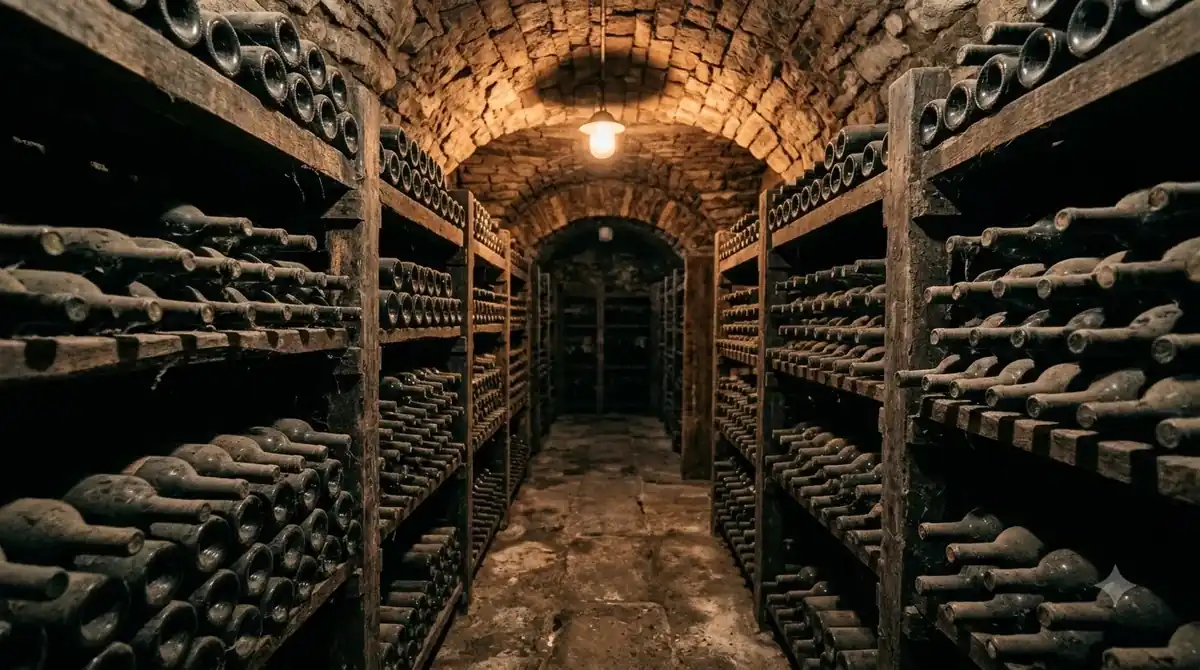
Marsala is sorted by color and by sweetness. The main colors are golden (oro), amber (ambra), and ruby (rubino). Sweetness is labeled secco (dry) for up to 40 grams of residual sugar per liter, semisecco (semi-dry) at 41 to 100 grams, and sweet above 100 grams. Ageing categories also matter. A Fine Marsala ages at least one year, a Superiore at least two, and longer-aged bottles can reach ten years or more.
Sherry covers a wider spread of styles. Fino and manzanilla are pale, dry, and crisp, with saline and almond notes. Amontillado starts as a fino-style wine and then develops a darker, nuttier character. Oloroso is a richer, fuller style. Cream sherry is sweeter and smoother, and Pedro Ximénez is among the sweetest versions. The span from bone dry to very sweet is the main reason sherry can be used at the start of a meal or at the end.
| Feature | Marsala | Sherry |
|---|---|---|
| Home region | Sicily, Italy | Andalusia, Spain |
| Main grape | Grillo, Inzolia, Catarratto (white) | Palomino |
| Alcohol | Over 15 percent, typically 15 to 20 percent | Over 15 percent |
| Sweetness range | Dry to sweet | Bone dry to very sweet |
| Typical flavors | Stewed apricot, vanilla, tamarind, brown sugar | Preserved lemon, almond, Brazil nut, saline |
| Serving temperature | About 55 to 60 F (12 to 15 C) | About 55 to 60 F (12 to 15 C) |
Tip: Look for “Secco” or “Dry” on a marsala label if you plan to cook with it, and “Fino” or “Manzanilla” on a sherry label if you want a crisp aperitif. The word on the label tells you more than the brand name.
How Each Wine Is Aged
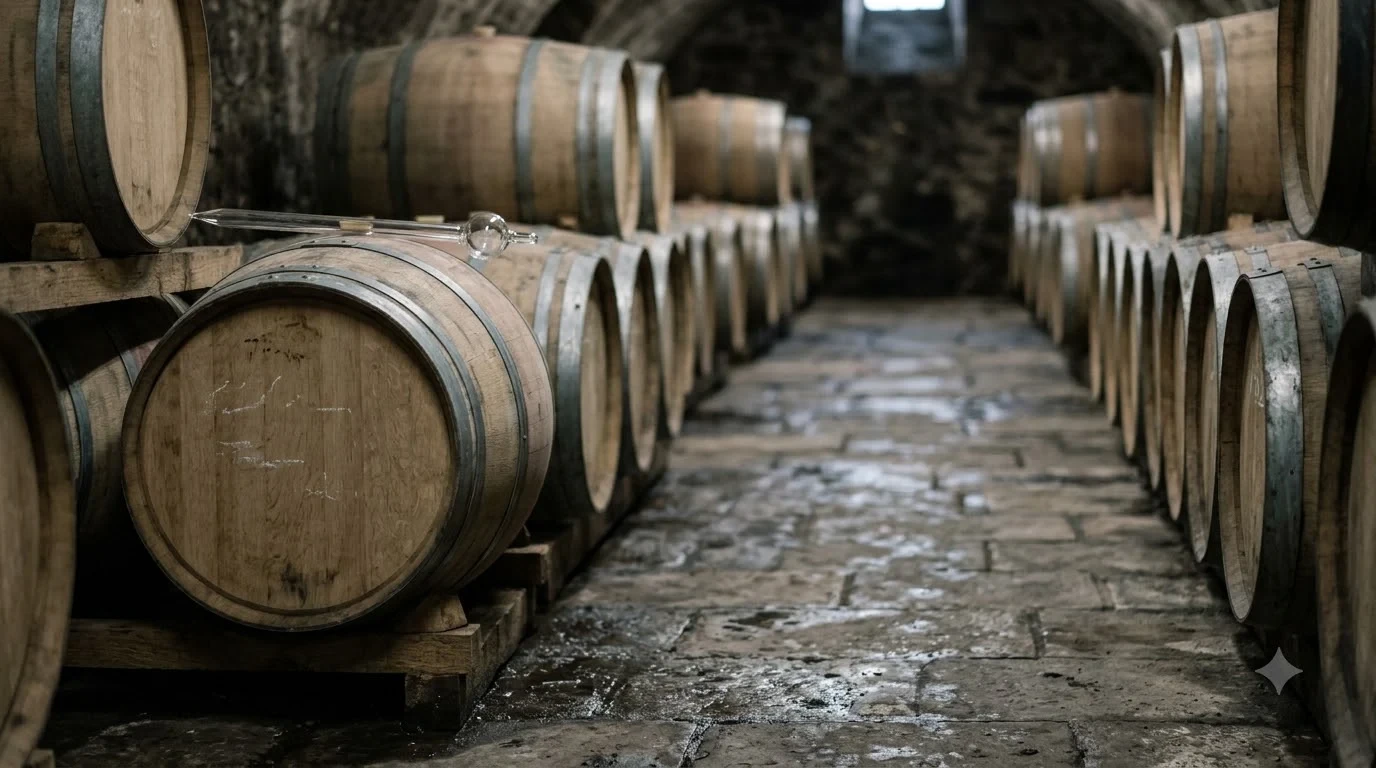
Marsala is produced with a method that resembles the solera system used for sherry. Its ageing categories set minimum periods, and the wine has historically been aged in wooden casks. Because the rules set minimum periods, a bottle’s label can tell you roughly how mature it is before you open it.
Sherry is aged under flor in some styles and through oxidation in others. Fino and manzanilla develop a layer of yeast that protects them from air, while oloroso and similar styles are exposed to oxygen. That difference explains why some sherries taste fresh and sharp, while others taste deep, nutty, and rich. The solera blends across years, so an old sherry can contain wine from many vintages.
Cooking With Marsala and Sherry
Marsala is one of the best-known cooking wines, and it is most famous for building rich, caramelized sauces. A marsala mushroom sauce over chicken, pork, or tofu is a classic use, and the wine’s dried-fruit notes give the sauce depth without heavy sugar. Use a dry marsala for savory dishes, and reach for a sweeter bottle when the sauce needs a dessert edge.
Sherry also works in the kitchen. A dry fino or manzanilla adds a briny lift to seafood, rice dishes, and cream-based soups. An amontillado or oloroso gives a nutty richness to braises, and a sweeter style can be reduced into a glaze for pork or duck. Because sherry has high acidity and no tannin, it blends easily with other ingredients without leaving a bitter edge.
Serving Marsala and Sherry at the Table
Both wines are usually served cool, at about 55 to 60 degrees Fahrenheit (12 to 15 Celsius). Pour them into a small dessert glass rather than a wide wine glass, since the aromas are concentrated and a smaller glass keeps them focused. Decanting is not needed for either style.
Dry marsala pairs well with nuts, charcuterie, and firm cheeses. The Wine Folly marsala guide lists similar pairings, including a marsala mushroom sauce over chicken. Sweeter marsala works after a meal, especially with dried fruit or a plain biscuit. For sherry, pair fino or manzanilla with smoked, fried, or grilled fish and vegetables. Amontillado matches barbecue ribs, while cream sherry or Pedro Ximénez suits rich, gooey cheeses and dessert.
Common Mistakes With Both Wines
A frequent mistake is buying the wrong style for the job. A sweet marsala can make a savory sauce taste cloying, and a bone-dry fino can disappear in a dessert. Check the sweetness word on the label before you buy, and match it to the dish or the moment.
Another mistake is leaving an opened bottle on the counter for a long time. Dry sherry and dry marsala lose their freshness faster than sweet styles, so a fino that sat for two weeks will taste flat. Recork the bottle, keep it cool, and finish it within a few days.
How Long Each Wine Keeps
Once opened, both wines last longer than most table wines because of their alcohol content. A bottle of marsala or sherry can remain in good condition for weeks when it is stored with the cork or stopper in place and kept cool. Dry, lighter styles such as fino are best drunk within a few days of opening, because their freshness fades quickly.
Unopened bottles can age well. Marsala can be cellared for ten years or more, and many sherries are long-lived in the bottle. Store both in a cool, dark place away from direct sun, and keep them upright so the cork stays in good shape.
Frequently Asked Questions
Can I substitute sherry for marsala in a recipe?
Sometimes. A dry sherry can stand in for a dry marsala in a savory sauce, but the flavor will be drier and less caramelized. For a sweeter dish, choose a sweeter sherry or a sweet marsala instead.
Is marsala a dessert wine?
Marsala can be a dessert wine, especially the sweeter styles. It is also made dry and used in cooking, so it is not only a dessert choice.
Which is drier, marsala or sherry?
Sherry can be drier, because styles such as fino and manzanilla are bone dry. Marsala also comes in dry styles, but its range is generally sweeter overall.
Do I need to refrigerate an opened bottle?
Refrigeration helps, especially for dry styles like fino. Keep the bottle sealed and drink it within a few days for the best freshness.
Marsala and sherry both bring depth and character to food and to a glass, but they come from different places and taste different. Marsala leans toward dried fruit and caramel, while sherry spans from briny and crisp to nutty and rich. Check the label for the style, decide whether you need a dry or sweet bottle, and then pick the one that matches your meal. For more comparisons between wine styles, visit the wine vs wine guide, or read the champagne vs chardonnay comparison to see how another pair of styles differs.
More in Wine vs Wine
 Nero d’Avola vs Pinot Noir: Taste, Body, and Pairing DifferencesUpdated Nov 21, 2026
 Chenin Blanc vs Pinot Blanc: Key Differences in Taste, Acidity, and PairingsUpdated Nov 21, 2026
 Chardonnay vs Shiraz: Key Differences in Taste, Serving, and PairingUpdated Nov 21, 2026
 Chardonnay vs Verdejo: How Spain’s Crisp White Compares to the World’s ChameleonUpdated Nov 21, 2026
 Chardonnay vs Sancerre: Key Differences in Taste, Grapes, and PairingUpdated Nov 21, 2026
 Chardonnay vs Malbec: Key Differences in Taste, Body, and PairingUpdated Nov 21, 2026