

We may earn a commission when you buy through links on this page, at no extra cost to you. Learn more.
Malbec vs merlot comes down to structure versus softness: malbec is usually darker and firmer, while merlot is plummy, smooth and easier to drink. Both are red wines that trace back to southwestern France, so the differences come mostly from where and how each grape is grown and made. The right pick depends on your meal, your taste, and how much tannin you want in your glass.
This guide compares the two grapes side by side. You will see how each one tastes, where it grows best, which foods suit each style, and how to serve and store them. Use it as a simple framework the next time you stand in front of a wine shop shelf.
What Is Malbec?
Malbec is a dark, thick-skinned red grape. It is known as Côt in France, and it reached Argentina in the nineteenth century, where it became the country’s signature variety. According to Wine Folly’s Malbec grape guide, Argentina’s most important planted grape came by way of France.
The grape first reached Mendoza in 1868, when a French botanist planted it hoping to improve local wine quality. Today, nearly 70 percent of the world’s Malbec vineyards sit in Argentina, according to Wine Folly’s regional reporting. That is why many American drinkers first meet Malbec as an Argentine bottle.
Malbec wines are known for rich, dark fruit and a smooth finish. Many people also notice a chocolatey note, especially in wines that spend time in oak. If you enjoy bold reds with plenty of color, Malbec is a natural place to start. Readers who want a closer look at a similar pairing can read cabernet sauvignon vs malbec for another comparison.
What Is Merlot?
Merlot is a soft, fruit-forward red grape with a wide range of styles. It can be easygoing and fresh in one region and full, age-worthy and sophisticated in another. Wine Folly describes it as a bit of a chameleon, shaped as much by climate as by the grape itself.
Merlot is often blended with Cabernet Sauvignon, and many drinkers mistake it for that grape. According to Wine Folly’s Merlot grape guide, Merlot is the second most planted grape in the world, behind Cabernet Sauvignon. It is also the most planted variety in Bordeaux.
The grape has thinner skins and fewer seeds than Cabernet Sauvignon. Those traits mean less harsh tannin during winemaking, which helps explain why Merlot feels so smooth. For most everyday drinkers, that soft texture is the main reason to choose it.
Flavor and Body Differences
Malbec usually tastes deeper and firmer, while merlot usually tastes softer and riper. The gap between the two is clearest when you compare wines from the same climate.
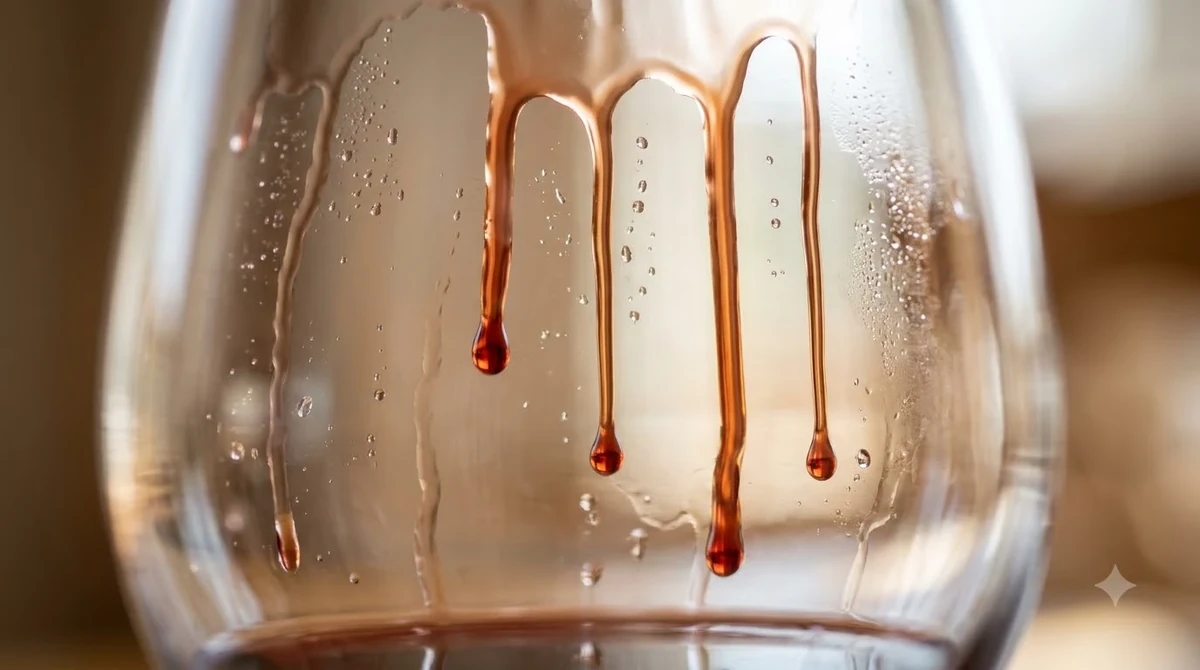
Malbec tends to show blackberry, dark plum and violet notes when it is young. Wines from cooler, higher sites can have more tension and acidity. Warm, sunny sites can push the fruit toward jammy, which is why some Malbec feels thick and loose. Good examples hold their structure and show a firm grip of tannin.
Merlot runs from fresh red plum and cherry in cooler climates to baked blackberry and fruitcake in warmer ones. Its tannins are typically softer and less astringent than those of Cabernet Sauvignon. Oak aging can add vanilla and spice, and older bottles often develop earthy, chocolate-like notes.
| Feature | Malbec | Merlot |
|---|---|---|
| Typical fruit | Dark plum, blackberry and black fruit | Red plum and cherry in cool sites, baked blackberry in warm ones |
| Texture | Firmer and more structured | Softer, smoother and less astringent |
| Tannin feel | Often firm, especially in French styles | Usually gentle and velvety |
| Typical body | Medium to full | Medium to full, depending on climate |
| Notes with age | Tobacco, coffee and meaty notes in some styles | Dark chocolate, earthy and spice notes |
| Easy to drink young | Often yes, especially with fruit-forward styles | Usually yes, which makes it popular for weeknights |
If you want the bolder side of the comparison, the answer is usually Malbec. If you want a smoother glass with less grip, merlot is the safer choice. Neither style is better overall; they simply answer different moods.
Origins and Key Wine Regions
Both grapes have French roots, but their modern homes differ. Argentina leads the world in Malbec, while Bordeaux and the United States are central to Merlot. Knowing the region on the label tells you more about the wine than the grape name alone.
Malbec thrives in Mendoza, where high altitude, strong sunshine and big temperature swings between day and night help the grape keep acidity while it ripens. Wine Folly points to the Uco Valley and Luján de Cuyo as consistent sources of top-rated bottles. Outside Argentina, Cahors in southwest France and Walla Walla on the Oregon and Washington border are often cited. Cahors Malbec tends to be darker and more tannic than Argentine styles.
Merlot’s heartland is Bordeaux, where it makes up a large share of the region’s plantings. On the Right Bank, Pomerol’s clay soils suit it well, and Saint-Émilion produces structured, complex blends. In the United States, Napa Valley gives full, velvety styles, while Washington’s Columbia Valley offers fresher acidity and an herbal edge. Chile also grows Merlot, though many older Chilean vines were later found to be Carménère.
Food Pairing Guide
Malbec’s firmer structure suits rich, savory dishes, while merlot’s softer fruit works with a wider range of everyday meals. Both wines are flexible, so the best match depends on how heavy the food is.
Malbec pairs well with leaner red meats, such as ostrich or lean beef, and with grilled meats that have a smoky edge. Wine Folly notes that Malbec does well with melted blue cheese. Its firm tannins can also stand up to a hearty stew or a dish with a chimichurri sauce.
Merlot is the easier partner for casual dinners. It works with pizza, barbecue chicken and pasta with tomato and mushroom sauce. Merlot blends pair nicely with roast turkey, beef short ribs and rustic ratatouille. Richer, warm-climate Merlots can match rack of lamb or filet mignon with a peppercorn sauce.
- Choose Malbec for grilled steak, smoky meats and hearty stews.
- Choose merlot for pizza nights, roast poultry and tomato-based pastas.
- Choose merlot for a crowd, since its soft style suits many palates.
Which One Should You Choose?
Choose Malbec when you want bold color, dark fruit and firm structure with a rich meal. Choose merlot when you want a smooth, approachable red for everyday dinners or guests who prefer softer wines. Both grapes reward a little attention to serving and storage.
Serve both wines slightly below room temperature, around 60 to 68 degrees Fahrenheit (15 to 20 degrees Celsius), according to Wine Folly. Decanting for about 30 minutes can help both open up, especially younger bottles. A large wine glass suits either style because it gives the aromas room to develop.
For storage, Wine Folly suggests Malbec can age for roughly 5 to 10 years, while many Merlots age well for 3 to 7 years and exceptional ones longer. Keep unopened bottles somewhere cool, dark and steady. Entry-level bottles of either grape are usually made to drink young, so you do not need to age them.
Tip: Read the region on the label before you buy. A Mendoza Malbec and a Cahors Malbec can taste quite different, and the same is true of Merlot from Bordeaux versus California.
Frequently Asked Questions
Is malbec sweeter than merlot?
Neither grape is sweet in a typical dry style. Malbec tends to taste darker and firmer, while merlot tastes softer and riper. Check the back label or the producer’s tech sheet if you want to confirm the sugar level.
Which is easier for a beginner to enjoy?
Merlot is often the easier starting point because its tannins feel smoother. Many people find it gentle with a wide range of foods. Malbec can be just as approachable in fruit-forward styles, so try both and compare.
Can I cook with malbec or merlot instead of each other?
Yes, both work in braises, stews and pan sauces. Malbec adds more depth and color to hearty dishes, while merlot adds softer fruit. Use a wine you would be happy to drink with the meal, and keep the amount modest.
How long can I keep an opened bottle?
Opened wine loses freshness over a few days, even when it is recorked and refrigerated. Both malbec and merlot are best consumed within a few days after opening. Drink responsibly, and pace your glasses with food.
Malbec and merlot both reward curious drinkers, so use the differences in this guide as a starting point. For more side-by-side comparisons, visit Wine vs Wine and try a few bottles from different regions. Enjoy red wine in moderation and let the meal guide your choice.
More in Wine vs Wine
 Nero d’Avola vs Pinot Noir: Taste, Body, and Pairing DifferencesUpdated Nov 21, 2026
 Chenin Blanc vs Pinot Blanc: Key Differences in Taste, Acidity, and PairingsUpdated Nov 21, 2026
 Chardonnay vs Shiraz: Key Differences in Taste, Serving, and PairingUpdated Nov 21, 2026
 Chardonnay vs Verdejo: How Spain’s Crisp White Compares to the World’s ChameleonUpdated Nov 21, 2026
 Chardonnay vs Sancerre: Key Differences in Taste, Grapes, and PairingUpdated Nov 21, 2026
 Chardonnay vs Malbec: Key Differences in Taste, Body, and PairingUpdated Nov 21, 2026