

We may earn a commission when you buy through links on this page, at no extra cost to you. Learn more.
Is Fetzer wine good? Yes, Fetzer is a good choice for approachable, everyday California wine, particularly if you enjoy fruit-forward reds, easy-drinking whites, and familiar varietal styles. The brand offers several grape varieties rather than relying on one signature wine, making it relatively easy to find something for different meals and preferences. Independent Wine Enthusiast reviews have also recognized individual Fetzer wines as Best Buys, although quality and flavor vary between bottles.
Not every wine needs to be complex, expensive, or reserved for a special occasion. Sometimes the right bottle is simply one that tastes pleasant, matches dinner, and suits the people sharing it. Fetzer occupies that practical category, with California wines ranging from aromatic Gewürztraminer and Riesling to Chardonnay, Cabernet Sauvignon, and Merlot. Understanding the differences between these varieties makes it easier to decide whether the brand deserves a place in your regular wine rotation.
Who This Is For: Drinkers Looking for Approachable California Wine
Fetzer is particularly suitable for people who want recognizable grape varieties, accessible flavors, and wines that can accompany ordinary meals. Its selection makes sense for casual dinners, relaxed gatherings, and people who are still discovering which wine styles they enjoy.
The winery was founded by the Fetzer family in California in 1968 and is now included in the California portfolio of Viña Concha y Toro USA. Its established presence and focus on approachable wines help explain its position in the everyday wine category. Rather than concentrating exclusively on collectible bottles or limited-production releases, Fetzer offers a selection of familiar styles that appeal to a broad range of drinkers.
That accessibility matters particularly for beginners. Someone who enjoys soft, fruit-forward reds might prefer Merlot, while a drinker who likes refreshing white wine could start with Pinot Grigio or Sauvignon Blanc. People who enjoy floral aromas and a touch of sweetness may find Gewürztraminer or Riesling more appealing.
Fetzer is also worth considering for households that serve wine with different types of food. Its range includes options for burgers, pizza, seafood, spicy dishes, and casual takeout meals. This variety makes it more versatile than a brand offering only one or two grape varieties.
However, expectations matter. Fetzer is better approached as an everyday wine producer than as a specialist in prestigious, age-worthy wines. Drinkers searching for highly distinctive vineyard expressions, intricate oak maturation, or the depth associated with collectible California Cabernet Sauvignon may want to explore other producers as well.
Its sustainability credentials provide another reason some shoppers consider the brand. Fetzer identifies itself as a certified B Corporation and describes specific environmental programs involving renewable electricity, wastewater treatment, and waste reduction. These initiatives add context to the winery’s identity, although environmental credentials and wine quality are separate considerations.
For a broader look at producers offering different levels of quality and styles, the Wine Brands category provides a useful starting point for comparing wine producers.
Key Factors to Compare When Choosing Fetzer Wine
The best way to evaluate Fetzer is to compare its grape varieties, sweetness, acidity, tannin, and food compatibility. Two bottles from the same producer can offer very different experiences, so choosing by wine style is more useful than judging the entire brand by one bottle.
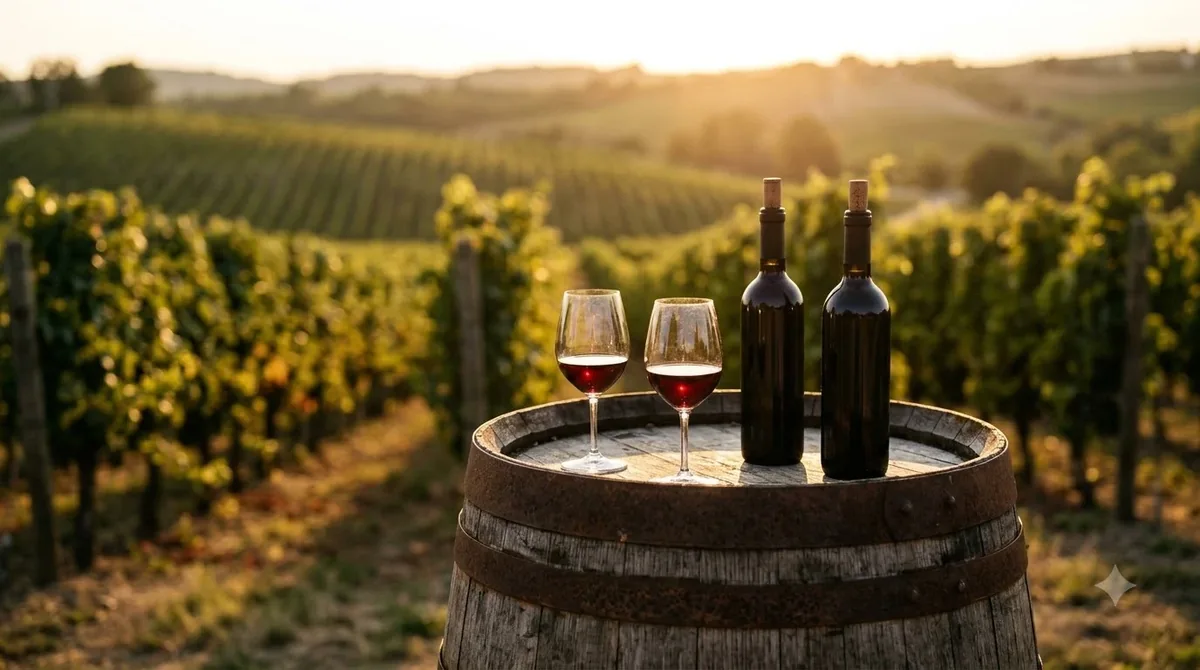
Independent reviews provide some helpful evidence. Wine Enthusiast awarded the reviewed Fetzer NV Riesling 86 points and designated it a Best Buy. The publication described peach-skin and pine-needle aromas, poached apple and pear flavors, and a soft, rounded texture. Its reviewed Fetzer 2020 Chardonnay also received 86 points and a Best Buy designation, with the reviewer highlighting good apple aromas and soft, medium-bodied apple flavors.
These reviews are useful indicators, but they refer to specific wines and bottlings. They should not be treated as permanent scores for every subsequent release. They do, however, demonstrate that individual Fetzer wines have earned favorable recognition from an independent publication.
| Comparison factor | What to look for | Best suited to |
|---|---|---|
| Sweetness | Dry, off-dry, or noticeably sweet | Matching personal taste and food |
| Acidity | Refreshing citrus or apple character | Seafood, salads, and acidic dishes |
| Tannin | Soft or more structured red-wine texture | Choosing reds for meat and richer foods |
| Body | Light, medium, or fuller mouthfeel | Matching the weight of a meal |
| Aromatics | Floral, citrus, orchard fruit, or dark fruit | Choosing a preferred flavor profile |
| Food compatibility | Spicy, savory, rich, or delicate dishes | Everyday meals and entertaining |
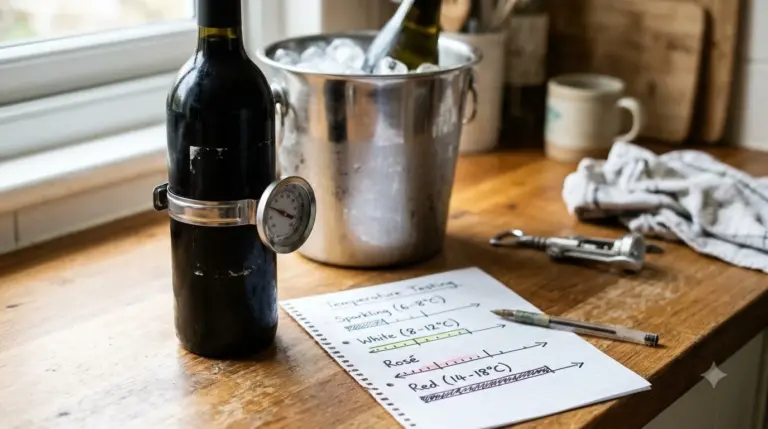
| Serving temperature | Approximately 45–50°F for light whites and 55–60°F for light reds | Getting the most balanced expression |
Flavor and texture
Start with the flavors you already enjoy. If you regularly eat apples, peaches, pears, or citrus fruit, a white wine with similar aromatic characteristics may be a comfortable introduction. Drinkers who prefer cherries, blackberries, and darker fruit can look toward red varieties.
Body is equally important. A light-bodied white feels less weighty on the palate than a fuller Chardonnay. Similarly, a softer Merlot generally feels less tannic than Cabernet Sauvignon. These differences can determine whether a wine feels refreshing with lunch or satisfying alongside a substantial dinner.
Independent ratings and their limitations
A wine rating can help narrow down choices, but it should not replace personal preference. Wine Enthusiast considers scores from 83 to 86 points within its good category, describing these wines as suitable for everyday consumption and often good value.
That description is particularly relevant to Fetzer’s reviewed Riesling and Chardonnay. Both received 86 points, which suggests solid everyday performance rather than exceptional complexity. A person who prefers a straightforward wine may consider that a positive result, while a collector looking for a more ambitious bottle might have different expectations.
For more information about the available styles, the official Fetzer wine portfolio lists its current core varietal selection and Reserve Port.
Step-by-Step: How to Choose the Right Fetzer Bottle
Choosing a suitable bottle becomes easier when you begin with your preferred flavor profile and work toward the meal or occasion. The following five steps help narrow the selection without requiring advanced wine knowledge.
-
Decide whether you want red or white.
Choose white if you prefer refreshing acidity, citrus, apple, peach, and floral aromas. Choose red if you enjoy cherry, blackberry, plum, and a more substantial mouthfeel. Fetzer offers several options in both categories, so this first decision eliminates much of the guesswork.
-
Determine your preferred sweetness level.
For a dry wine, consider styles such as Cabernet Sauvignon, Merlot, Chardonnay, or Sauvignon Blanc. If you prefer a little sweetness, investigate Gewürztraminer or Riesling. Fetzer’s reviewed NV Riesling was specifically described as off-dry by Wine Enthusiast, making it a useful reference for drinkers who do not want a completely dry white.
-
Match the wine to your food.
Consider what will be served rather than choosing a wine in isolation. Sauvignon Blanc can work well with tacos and herb-seasoned dishes, while Merlot is a comfortable option for pizza. Gewürztraminer can complement aromatic spices, and Pinot Grigio is a natural candidate for lighter seafood dishes.
-
Think about body and tannin.
If you dislike the drying sensation associated with some red wines, begin with Merlot rather than Cabernet Sauvignon. If you prefer a structured red with more noticeable tannin, Cabernet Sauvignon is the more logical choice. For white wine, compare the lighter impression of Pinot Grigio with the medium-bodied character reported for Fetzer’s reviewed Chardonnay.
-
Choose a serving temperature and occasion.
Serve light whites around 45–50°F, fuller whites around 50–55°F, and light reds around 55–60°F. These temperatures help preserve freshness and balance. For an informal dinner, select a familiar varietal; for a meal with several contrasting flavors, choose a wine that complements the strongest ingredients.
Tip: If you are buying Fetzer for the first time, start with one white and one red in styles you already enjoy. Comparing a Riesling with a Merlot, for example, will teach you more about your preferences than choosing two wines with very similar characteristics.
There is no requirement to choose the most expensive-looking or familiar label. The better decision is the bottle whose sweetness, acidity, body, and flavor profile suit your preferences. Even within a single producer’s portfolio, these characteristics can vary considerably.
Types or Styles Explained: Which Fetzer Wine Should You Try?
Fetzer’s selection includes several familiar varietals, each suited to a different palate and occasion. The most useful starting point is to understand what each grape generally contributes and how those characteristics translate into food pairings.

Gewürztraminer: Aromatic and potentially off-dry
Gewürztraminer is a good starting point for people who enjoy expressive aromas. The grape is known for floral notes, rose petal, lychee, peach, and tropical fruit. It can have a fuller mouthfeel than many other aromatic white wines, and its sweetness varies depending on the producer and bottling.
Fetzer specifically highlights Gewürztraminer as a wine for spicy food. This is a sensible pairing because a little residual sweetness can balance the intensity of aromatic seasonings. Try it with Thai-inspired dishes, mildly spicy curries, ginger-seasoned chicken, or dishes featuring fragrant herbs.
People who prefer completely dry wines may want to pay particular attention to sweetness before choosing this variety. For a more detailed look, see Fetzer Gewurztraminer wine.
Chardonnay: Familiar fruit with a medium-bodied profile
Chardonnay is one of the most flexible white grape varieties because its style can range from crisp and restrained to rich and creamy. Fetzer’s reviewed 2020 Chardonnay received 86 points from Wine Enthusiast, which described good apple aromas, soft apple flavors, and a medium-bodied character.
This makes the reviewed bottling an accessible example for people who enjoy orchard-fruit flavors without needing an especially intense or complicated wine. Chardonnay is also a practical choice for roast chicken, creamy pasta, grilled vegetables, and mild cheeses.
Chardonnay generally has medium acidity, so it is less sharply refreshing than Sauvignon Blanc or many Rieslings. Its versatility makes it useful for people who want a familiar white wine that can accompany a broad range of dishes.
Riesling: Fruit, freshness, and possible sweetness
Riesling is an excellent option for people who enjoy expressive white wines. Its naturally high acidity helps balance residual sugar, so an off-dry Riesling can still taste refreshing rather than heavy.
Wine Enthusiast described Fetzer NV Riesling as off-dry, with peach-skin and pine-needle aromas and flavors of poached apple and pear. Its soft, rounded texture makes it particularly interesting for people who prefer fruit-driven white wines over austere, very dry styles.
Consider serving Riesling with spicy Asian-inspired dishes, pork, mildly sweet sauces, or foods with aromatic seasonings. Its acidity can also provide a useful contrast to richer dishes.
Pinot Grigio: A lighter white wine option
Pinot Grigio is generally a suitable choice for people who want an uncomplicated, refreshing white. Depending on the bottling, it may offer citrus, pear, green apple, and subtle floral characteristics.
Fetzer identifies Pinot Grigio as an option for sushi. This pairing makes practical sense because lighter white wines can complement delicate fish and rice without overwhelming their flavors. It can also work with grilled shrimp, simple salads, light pasta, and vegetable dishes.
For someone who finds Chardonnay too rich or Riesling too aromatic, Pinot Grigio is a useful alternative to investigate.
Sauvignon Blanc: Freshness and food-friendly acidity
Sauvignon Blanc is known for high acidity and refreshing flavors. Typical characteristics include citrus, lime, green apple, herbs, and sometimes tropical fruit.
Fetzer recommends its Sauvignon Blanc alongside tacos. This is a practical suggestion for dishes featuring lime, fresh herbs, grilled fish, or chicken. Its acidity can provide a clean contrast to savory ingredients, particularly when a meal includes fresh salsa or citrus-based seasoning.
People who enjoy crisp white wine rather than softer, rounder styles may prefer this grape.
Merlot: A softer introduction to red wine
Merlot is generally medium in tannin and softer in texture than Cabernet Sauvignon. Common flavors include plum, cherry, blackberry, and gentle spice. This makes it a sensible introduction for people who want red wine but do not enjoy a strongly drying finish.
Fetzer specifically suggests Merlot with pizza. Its approachable fruit character can complement tomato sauce, melted cheese, mushrooms, and other familiar toppings. It is also a practical choice for burgers, roasted vegetables, and casual meat dishes.
Cabernet Sauvignon: More structure and darker fruit
Cabernet Sauvignon is a better choice for people who enjoy fuller red wines with noticeable tannin. Typical characteristics include blackcurrant, dark cherry, blackberry, and sometimes cedar or herbal notes.
Fetzer promotes its Cabernet Sauvignon as a pairing for burgers. The grape’s tannin and structure can work well with the fat and protein in grilled meat. It is also suitable for steak, beef stew, and other substantial savory dishes.
However, people who prefer smooth, low-tannin reds may find Cabernet Sauvignon more assertive than Merlot. It is worth choosing according to personal preference rather than assuming that a darker or more structured red is automatically better.
Reserve Port: A different category
Reserve Port stands apart from the main table-wine selection because Port is a fortified wine. Its sweetness and concentrated character make it more appropriate for dessert, cheese, or after-dinner drinking than for pairing with an ordinary main course.
People interested in exploring different wine categories can consider it alongside the standard red and white varietals, but should not expect the same drinking experience as Chardonnay or Cabernet Sauvignon.
Common Mistakes When Buying and Drinking Fetzer
Most disappointment with everyday wine comes from choosing the wrong style rather than choosing a fundamentally unsuitable producer. Several common mistakes can make a perfectly reasonable Fetzer bottle seem less enjoyable than it should be.
Assuming every white wine is sweet
White wine includes a wide range of sweetness levels. Chardonnay and Sauvignon Blanc are commonly produced in dry styles, while Riesling and Gewürztraminer can range from dry to noticeably sweet.
Fetzer’s reviewed NV Riesling was off-dry, but that does not mean every white wine in its portfolio has the same sweetness. If you prefer dry wines, start by comparing the grape variety and the particular bottling rather than making a decision based only on color.
Expecting all red wines to taste equally smooth
Merlot and Cabernet Sauvignon have different tannin profiles. Merlot generally has softer, medium tannins, whereas Cabernet Sauvignon is typically more structured and higher in tannin.
This distinction matters if you are serving wine to beginners. Someone who enjoys soft red fruit and dislikes a drying finish may be more comfortable with Merlot than Cabernet Sauvignon. Neither is inherently superior; they simply offer different experiences.
Serving white wine too cold
Very cold wine can seem less aromatic and more restrained. A refrigerator-cold white may conceal some of the floral and fruit characteristics that make Riesling and Gewürztraminer appealing.
Light whites are generally best served around 45–50°F, while fuller whites such as Chardonnay can be served around 50–55°F. Allowing a bottle to warm slightly before pouring can make its aromas more expressive.
Serving red wine too warm
Many people assume red wine should be served at ordinary room temperature. However, a warm room can make alcohol seem more prominent and the wine feel heavier than intended.
Light reds are generally served around 55–60°F, while fuller reds work well around 60–65°F. A brief period in the refrigerator can help bring a red wine into a more balanced serving range.
Pairing wine with the wrong food
Food compatibility can make a major difference. High-acid wines generally work better with acidic dishes, while salt and fat can soften the perception of tannin in red wine.
A high-tannin Cabernet Sauvignon is not an ideal match for delicate oily fish, which can create an unpleasant combination. A lighter white such as Pinot Grigio is usually a more practical starting point. Likewise, very spicy food can make high-alcohol and tannic wines seem hotter, so an aromatic off-dry white may be a more comfortable match.
Judging the whole brand by one bottle
A producer’s range can include different grape varieties, styles, and quality levels. A Chardonnay that suits one drinker does not necessarily predict whether that person will enjoy the producer’s Cabernet Sauvignon.
The two Wine Enthusiast reviews discussed earlier provide a useful example. Both reviewed wines received 86 points, but they offered different flavors and textures. A preference for the Riesling’s off-dry fruit profile does not automatically mean that the Chardonnay will be equally appealing.
Care and Storage Tips for Better Drinking
Proper storage and serving can improve the experience of everyday wine without requiring specialized equipment. Temperature, light exposure, bottle position, and how long an opened bottle remains in the refrigerator all influence how enjoyable the wine remains.
Store unopened bottles correctly
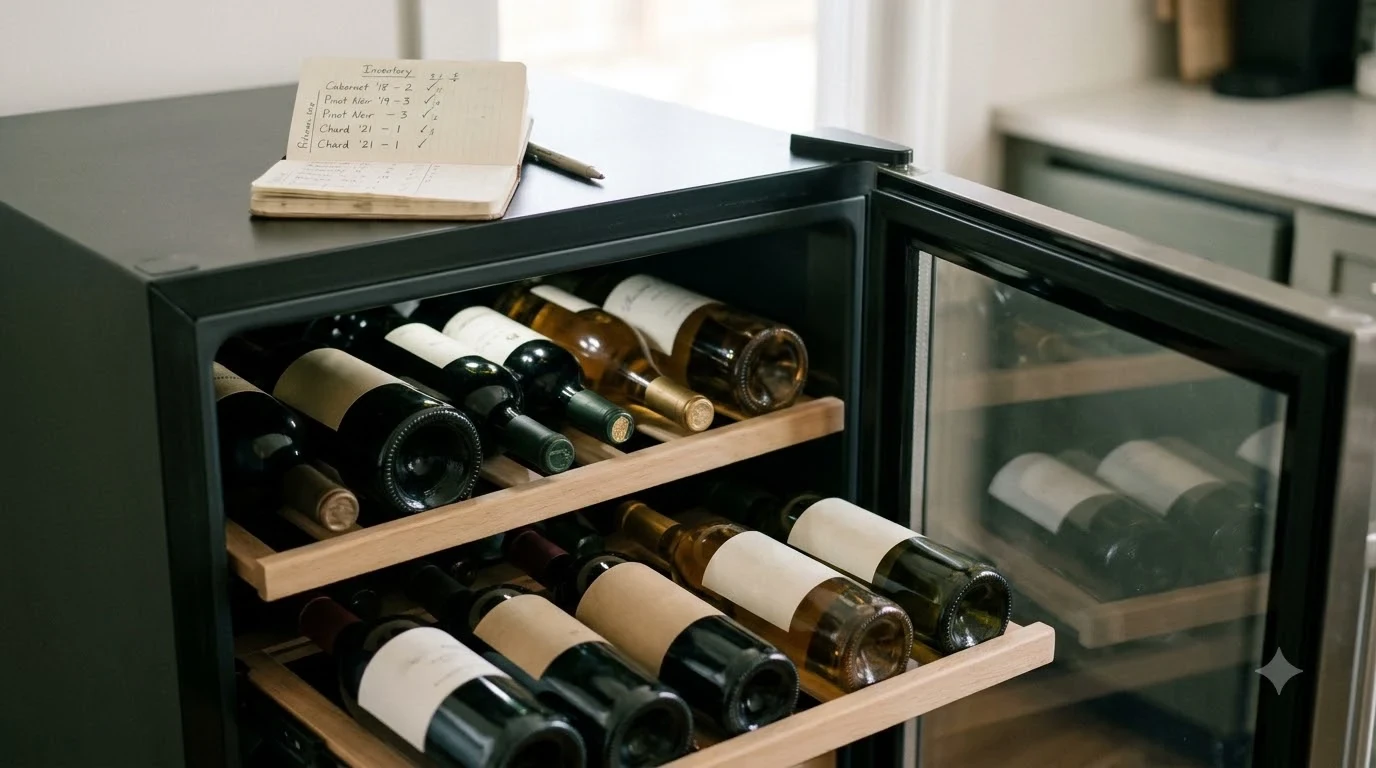
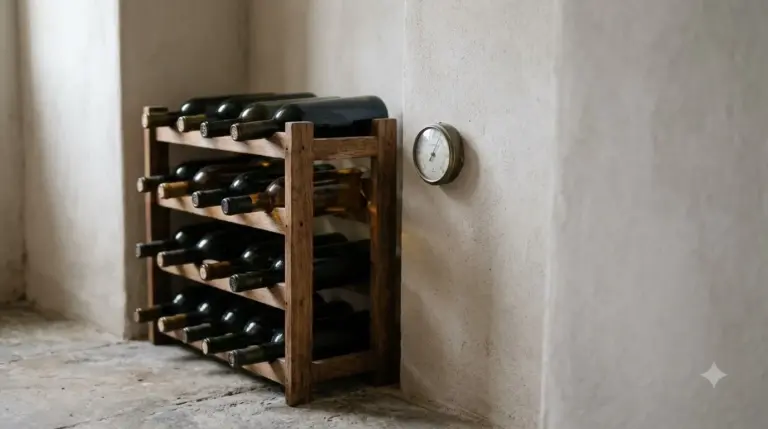
Keep wine away from direct sunlight, strong temperature fluctuations, and heat-producing appliances. A stable storage environment near 55°F is a useful target for bottles intended for longer storage.
Bottles sealed with natural cork are generally best stored on their sides to help keep the cork from drying out. Avoid leaving wine in a warm kitchen, beside an oven, or in a sunny window. Heat can accelerate deterioration and make the wine taste tired.
For everyday Fetzer bottles intended for relatively prompt consumption, a cool, dark cupboard is often more practical than maintaining a dedicated wine cellar.
Use the right serving temperature
Serving temperature should reflect the wine’s body and style. A light Pinot Grigio or Sauvignon Blanc generally benefits from a temperature around 45–50°F, while Chardonnay is often more expressive at 50–55°F.
For reds, Merlot can be served around 55–60°F, while Cabernet Sauvignon is generally better around 60–65°F. These ranges help prevent the wine from seeming overly cold, hot, alcoholic, or muted.
Use appropriate glassware and pouring sizes
A standard wine pour is approximately 5 ounces. A conventional 750 ml bottle contains about five such servings, making it a practical quantity for a small dinner or a relaxed evening with friends.
Use a reasonably sized wine glass that allows enough room for swirling. This is particularly helpful with aromatic varieties such as Riesling and Gewürztraminer, where floral and fruit aromas contribute significantly to the drinking experience.
Preserve opened bottles
Refrigerate opened white and red wines, even if the red will eventually be served closer to room temperature. A resealed still wine generally remains enjoyable for around 3–5 days, depending on its style, condition, and storage.
Air exposure gradually changes wine, so use the original closure or an appropriate wine stopper. If the wine develops an unpleasant vinegar-like smell or loses its fresh fruit character, it may no longer be enjoyable.
There is little reason to open a bottle far in advance for an ordinary dinner. Most approachable wines are intended to be enjoyed without extended decanting. Young, full-bodied reds may benefit from 30–60 minutes of aeration, but lighter wines generally need much less intervention.
Consider sustainability as part of the purchase
Fetzer’s environmental programs are a meaningful part of its producer identity. The winery reports sourcing all purchased electricity from renewable sources through California’s Direct Access program since 1999. It also describes a wastewater treatment system using BioFiltro technology and says its facility is TRUE Zero Waste Certified, with more than 90% of waste diverted from landfill.
These details can matter to shoppers who consider production practices alongside flavor and quality. Fetzer also identifies itself as a certified B Corporation, meaning its business practices are assessed against environmental, social, and governance standards.
For more details, the winery’s sustainability information explains its approach to energy, water, and waste management. These initiatives do not guarantee that every wine will suit an individual’s palate, but they provide additional context when evaluating the producer.
Frequently Asked Questions
Is Fetzer wine suitable for serving at a wedding or large party?
Yes, its recognizable grape varieties make Fetzer a practical option for informal celebrations and larger gatherings. For mixed groups, offering one red and one white gives guests more flexibility than selecting a single style. A medium-bodied Chardonnay and an approachable Merlot are two useful starting points.
Does Fetzer make wines from organically certified grapes?
Fetzer’s B Corporation certification and environmental programs should not be confused with organic certification of every wine. Organic certification applies to specific products and production standards, not automatically to an entire company’s portfolio. Look for a specific organic certification on an individual bottle if that distinction is important.
Can Fetzer wines be used for cooking?
Yes, suitable dry Fetzer wines can be used in cooking. Chardonnay or Sauvignon Blanc can work in pan sauces, seafood dishes, and risotto, while Merlot or Cabernet Sauvignon can contribute flavor to beef stews and tomato-based sauces. Avoid using a sweet wine in a recipe that specifically calls for dry wine unless the sweetness is intentional.
Does Fetzer offer wine in bottle sizes other than 750 ml?
Availability of alternative bottle formats can vary by product, retailer, and market. The independent Wine Enthusiast reviews discussed here identify their respective Riesling and Chardonnay bottlings as 750 ml wines. For a different format, consult the individual product listing rather than assuming every varietal is offered in the same size range.
Is Fetzer wine appropriate for someone learning about different grape varieties?
Yes, its selection provides a convenient way to compare several internationally recognized grapes without changing producers. Comparing Sauvignon Blanc with Chardonnay can demonstrate differences in acidity and body, while tasting Merlot beside Cabernet Sauvignon helps illustrate differences in tannin and structure. This makes the range useful for informal wine education and beginner tasting exercises.
Overall, Fetzer is a worthwhile option for drinkers seeking accessible California wines, recognizable varietal styles, and practical food pairings. Its independently reviewed Riesling and Chardonnay demonstrate that individual bottles can deliver solid everyday quality, while its broader selection gives shoppers several ways to find a suitable style. Choose according to your preferred sweetness, acidity, and body, and Fetzer can be a sensible addition to a casual wine collection.
More in Wine Brands
 McGuigan Wine Review: Find the Right Australian Bottle for Your TasteUpdated Nov 21, 2026
 Mer Soleil Wine Price: Compare Bottles and Find the Right ChardonnayUpdated Nov 21, 2026
 Masi Costasera Wine Price: What to Expect Before You BuyUpdated Nov 21, 2026
 McGuigan Wine Price: Compare Bottles and Find the Right ValueUpdated Nov 21, 2026
 Matua Wine Review: Find the Right New Zealand Wine for Your TasteUpdated Nov 21, 2026
 Meerlust Wine Price: Compare Bottles and Find Your FitUpdated Nov 21, 2026