

We may earn a commission when you buy through links on this page, at no extra cost to you. Learn more.
The chardonnay sweetness level is generally dry, meaning most Chardonnay wines contain little residual sugar and are not noticeably sweet. However, ripe fruit aromas, oak aging and creamy textures can make some bottles taste sweeter than others. Understanding these differences helps you choose between crisp, unoaked Chardonnay, richer barrel-aged styles and the less common sweet versions.
Chardonnay is one of the most versatile white wine grapes, producing everything from lean, refreshing wines to rich, buttery bottles and sparkling wines. Its sweetness depends primarily on fermentation and winemaking decisions, not simply on the grape variety. If you prefer a wine without noticeable sugar, traditional dry Chardonnay is usually a dependable choice. If you enjoy softer textures and ripe fruit flavors, there are several other styles worth exploring without assuming that a richer wine is necessarily sweeter.
What Is the Typical Chardonnay Sweetness Level?
Chardonnay is usually classified as a dry white wine. Most bottles undergo fermentation until yeast has converted nearly all the available grape sugar into alcohol, leaving little residual sugar in the finished wine.
Residual sugar, commonly abbreviated as RS, is the natural grape sugar remaining after fermentation. It is one of the most useful ways to understand actual wine sweetness. A Chardonnay can have ripe peach aromas, a creamy mouthfeel and a rounded finish while still containing very little residual sugar. These characteristics describe flavor and texture rather than necessarily indicating sweetness.
According to Wine Enthusiast, Chardonnay is generally dry, medium- to full-bodied, and moderately acidic. The publication also explains that a few grams of residual sugar per liter can still be consistent with a dry wine. This distinction matters because sweetness is not determined by one universal number that applies identically to every wine.
For additional perspective, winemaker Kerith Overstreet of Bruliam Wines describes dry wine using a measurement below 2 grams per liter of residual glucose and fructose. That is her preferred technical distinction, rather than a universal legal definition for every Chardonnay-producing country or region.
In practical terms, a standard Chardonnay from Burgundy, California, Oregon or Australia is much more likely to be dry than sweet. Some winemakers retain a small amount of sugar to balance acidity or round out the finish, but noticeably sweet still Chardonnay remains relatively uncommon.
It is also important to distinguish sweetness from body. A full-bodied Chardonnay can feel substantial and rich because of alcohol, glycerol, oak influence and winemaking techniques. None of those characteristics automatically means the wine contains substantial sugar.
How Residual Sugar Determines Actual Sweetness
Residual sugar is the clearest technical distinction between a genuinely sweet wine and a dry wine that simply tastes fruity. Understanding fermentation explains why Chardonnay usually finishes dry even though ripe Chardonnay grapes naturally contain plenty of sugar.
During alcoholic fermentation, yeast consumes glucose and fructose from grape juice and produces alcohol and carbon dioxide. When fermentation reaches completion, relatively little fermentable sugar remains. The resulting wine is generally dry, although small amounts of residual sugar may remain.
Winemakers can influence the final result by controlling fermentation conditions, selecting yeast and deciding whether fermentation should continue until the available sugar is nearly exhausted. In certain wines, fermentation may be stopped while appreciable sugar remains. This creates a sweeter style.
The following table illustrates useful sweetness distinctions and practical examples. The residual sugar figures for Chardonnay describe a common dry-wine pattern rather than guaranteed measurements for every bottle.
| Sweetness description | Residual sugar reference | Typical taste | Chardonnay example |
|---|---|---|---|
| Bone dry | Near 0 g/L | Very little detectable sweetness | Some fully fermented, crisp Chardonnay |
| Dry | A few g/L or less | Little or no noticeable sugar sweetness | Most traditional still Chardonnay |
| Off-dry | More noticeable residual sugar | A gentle sweet impression | Less common sweet-leaning Chardonnay |
| Medium-sweet | Clearly noticeable residual sugar | Sweet fruit and a softer finish | Specialty sweet Chardonnay |
| Sweet | Substantial residual sugar | Distinct dessert-wine sweetness | Late-harvest Chardonnay |
These descriptions are practical tasting categories, not a universal regulatory classification. Different countries use different rules for labeling sweetness, and acidity can affect how sweet a wine tastes. For that reason, a wine with some residual sugar can still seem relatively dry if its acidity is sufficiently pronounced.
Chardonnay also demonstrates why fermentation matters more than grape variety alone. The same grape can produce a dry table wine, a sparkling wine or a deliberately sweet dessert wine. The winemaker’s decisions determine the finished style.
For everyday shopping, traditional Chardonnay is the sensible starting point if you want a dry wine. A bottle described as late harvest or dessert Chardonnay deserves a closer look because those descriptions indicate a different intended style.
Why Chardonnay Can Taste Sweet Without Containing Much Sugar
Some Chardonnay tastes noticeably sweet even when its residual sugar is low. The main reasons are ripe fruit aromas, oak-derived flavors, alcohol and changes in acidity and texture.
Fruit character is one of the biggest influences on perceived sweetness. Cooler-climate Chardonnay often displays lemon, lime, green apple and pear. Warmer-climate examples can develop peach, melon, pineapple and papaya characteristics. These ripe fruit aromas naturally remind many drinkers of sweet foods.
However, a wine that smells like pineapple is not necessarily sweet. Aromatic compounds responsible for fruit character are different from the glucose and fructose responsible for residual sugar. A completely dry Chardonnay can therefore smell like ripe peaches or tropical fruit without having a sugary taste.
Oak aging introduces another layer of complexity. French and American oak can contribute vanilla, coconut, baking spice and caramel-like aromas. These flavors create associations with sweet foods, even though they do not necessarily indicate additional grape sugar.
Alcohol also influences perception. A warmer, higher-alcohol Chardonnay can feel rounder and more generous than a lighter-bodied bottle. Combined with ripe fruit and oak aromas, that sensation may be interpreted as sweetness.
Malolactic fermentation is another important factor. During this process, bacteria convert sharper malic acid into softer lactic acid. The change can produce a creamier mouthfeel and buttery aromas, reducing the impression of sharpness without necessarily adding residual sugar.
Winemakers may also use lees contact, allowing wine to remain in contact with spent yeast cells. This technique can contribute texture, richness and additional complexity. Again, a fuller texture does not automatically indicate a sweeter wine.
Tip: If Chardonnay tastes sweeter than expected, pay attention to the difference between fruit flavor, oak aroma, creamy texture and actual sugar sweetness. A vanilla-scented or peach-flavored wine can still be completely dry.
For a more technical explanation of the difference between sweetness and fruitiness, the Bruliam Wines winemaker’s explanation of Chardonnay sweetness provides a useful perspective on residual sugar, fermentation and oak influence.
Oaked vs. Unoaked Chardonnay: Which Tastes Sweeter?
Oaked Chardonnay generally tastes richer and can seem sweeter because of vanilla, coconut, butter and spice characteristics. Unoaked Chardonnay usually tastes fresher and more fruit-focused, with less of the creamy, dessert-like impression associated with barrel aging.
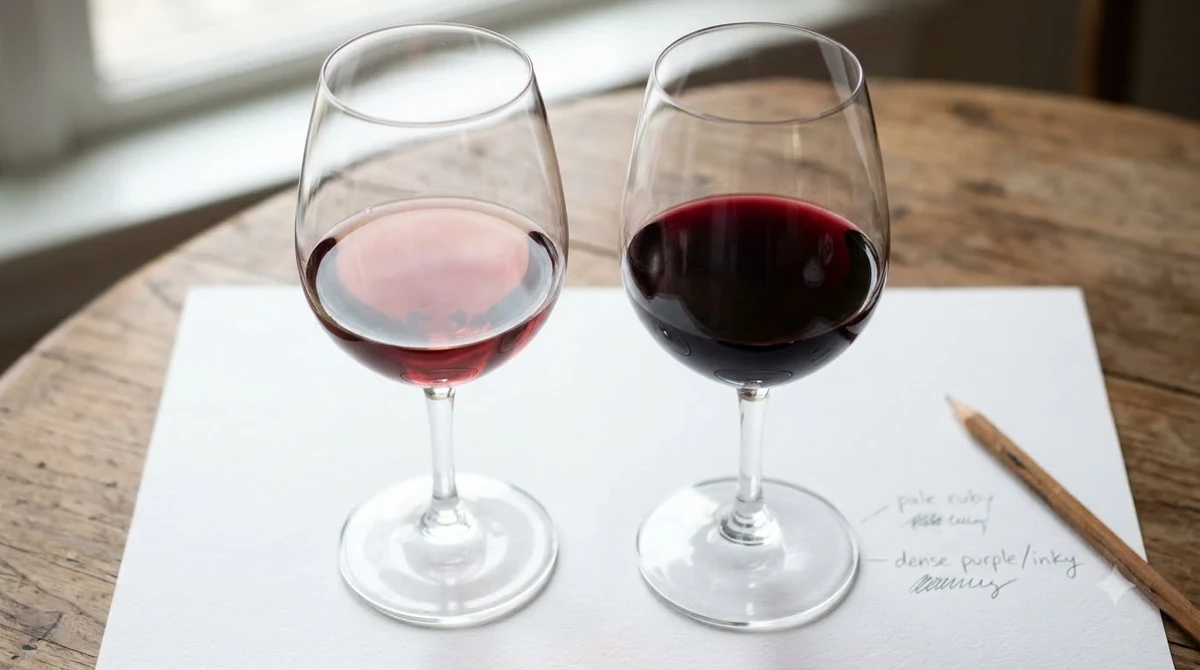
Unoaked Chardonnay is commonly fermented and stored in stainless-steel tanks. This approach limits oak influence and helps preserve the grape’s natural fruit character. The resulting wine often emphasizes lemon, green apple, pear and mineral notes.
Oaked Chardonnay may be fermented or aged in oak barrels. During contact with wood, the wine can develop aromas of vanilla, toast, baking spices and coconut. Barrel aging can also allow gradual oxygen exposure, contributing to a broader, rounder mouthfeel.
Some oaked examples undergo malolactic fermentation, which softens the sharper malic acidity and can produce buttery notes. Lees contact may add further texture. Together, these techniques create the familiar rich Chardonnay style often associated with California.
However, the distinction between oaked and unoaked wine is not a sweetness classification. Both styles can be fermented completely dry. A heavily oaked bottle can contain very little residual sugar, while an unoaked wine can retain some sweetness if fermentation leaves sugar behind.
Consider the following practical comparison when choosing between the two styles.
| Characteristic | Unoaked Chardonnay | Oaked Chardonnay |
|---|---|---|
| Typical sweetness | Dry | Dry |
| Fruit flavors | Lemon, green apple, pear | Peach, baked apple, pineapple |
| Additional aromas | Mineral, citrus, fresh fruit | Vanilla, toast, coconut, spice |
| Texture | Crisp and relatively light | Rounder and creamier |
| Acidity impression | Often fresher and sharper | Often softer and more rounded |
| Food matches | Oysters, shellfish, delicate fish | Roasted chicken, creamy pasta, grilled pork |
For someone who dislikes sweet-tasting wines, unoaked Chardonnay is often the easiest introduction. Its cleaner fruit profile and refreshing acidity can make it feel less rich. However, drinkers who enjoy vanilla and buttery flavors may prefer oaked versions even when both bottles have comparable residual sugar.
One useful shopping strategy is to compare two bottles from the same broad region, choosing one stainless-steel-aged example and one barrel-aged example. This makes the influence of winemaking easier to recognize than comparing wines with completely different origins.
How Growing Regions Change Chardonnay’s Flavor and Sweetness Impression
Climate influences how ripe Chardonnay grapes become, how much acidity they retain and which fruit aromas develop. Cooler regions tend to produce fresher, more citrus-driven wines, while warmer regions commonly produce fuller wines with peach and tropical fruit characteristics.
In Burgundy, France, Chardonnay ranges from crisp, mineral-driven wines in Chablis to broader and more complex expressions in other parts of the region. Chablis is particularly associated with freshness, citrus and mineral character. Its restrained fruit profile can make it a useful reference point for drinkers who prefer dry white wines.
Champagne is another important region for Chardonnay. The grape is one of the principal varieties used in Champagne production and is the sole grape in Blanc de Blancs Champagne. These sparkling wines are a different category from ordinary still Chardonnay, and their sweetness depends partly on the dosage added after secondary fermentation.
California offers a much broader range of Chardonnay expressions. Cooler coastal areas such as Sonoma Coast and Santa Barbara can produce wines with refreshing acidity and citrus or stone-fruit character. Warmer inland growing conditions generally encourage riper fruit and fuller body.
The Central Valley and Santa Barbara County illustrate this diversity. Central Valley Chardonnay often has ripe fruit and noticeable oak or butter characteristics, while Santa Barbara examples can range from citrus-driven, higher-acid wines to richer tropical-fruit styles.
Oregon’s Willamette Valley is another important source of cooler-climate Chardonnay. Its wines often emphasize acidity, citrus and orchard fruit rather than pronounced tropical flavors. They can be a good option for people who enjoy a restrained style.
Australia also produces a wide range of Chardonnay. Cooler regions such as Tasmania and the Mornington Peninsula can offer fresh acidity and restrained fruit, while warmer areas can produce fuller wines with riper peach and melon flavors.
French wine organization Vin De France identifies Chardonnay as a grape capable of producing dry still wines, sparkling wines and even sweet wines. Its profile also emphasizes how northern and southern growing conditions can influence acidity, body and aromatic expression. The Vin De France Chardonnay profile provides additional information about its French origins and versatility.
The important point is that region can help predict flavor and texture, but it cannot guarantee a particular residual sugar measurement. A warm-climate Chardonnay may taste very ripe while remaining dry, and a cooler-climate bottle can retain some sugar while maintaining refreshing acidity.
How to Choose Chardonnay Based on Your Sweetness Preference
The easiest way to select Chardonnay is to start with the kind of taste and texture you enjoy. If you prefer crisp, refreshing wines, choose a stainless-steel-aged style from a cooler region. If you like softer textures and richer flavors, explore barrel-aged Chardonnay.
If you prefer very dry white wine
Look for Chablis, unoaked Chardonnay or cool-climate bottles from Oregon and California’s coastal regions. These styles commonly emphasize citrus, green apple and refreshing acidity rather than obvious sweetness.
They are especially useful for people who enjoy Sauvignon Blanc or similarly crisp white wines. Chardonnay generally has a fuller body than Sauvignon Blanc, but an unoaked example can still offer a fresh and balanced drinking experience.
If you enjoy fruity but not sugary wine
Try Chardonnay from Santa Barbara, Sonoma Coast or selected Australian regions. These bottles can offer peach, pear, melon and pineapple aromas while remaining dry.
Fruit-forward Chardonnay is a good middle ground for people who want more generous fruit character without the pronounced sweetness associated with dessert wines. Look for balanced examples that retain enough acidity to keep the finish refreshing.
If you enjoy buttery and creamy wines
Choose an oaked Chardonnay that has undergone malolactic fermentation or extended lees contact. These techniques can produce a creamy texture, buttery aromas and flavors of vanilla and toasted nuts.
This style is particularly appealing alongside roasted chicken, creamy mushroom pasta and grilled pork. Its richer body can complement foods with more fat and texture.
If you actually want sweet wine
Look beyond conventional Chardonnay and seek out specialty sweet or late-harvest examples. These wines are made with a different sweetness objective and can retain enough residual sugar to produce an unmistakably sweet finish.
Sweet Chardonnay is much less common than dry Chardonnay, so it may take more searching to find. A dessert-style bottle is more appropriate for people who enjoy honeyed fruit, concentrated sweetness and dessert pairings than someone simply looking for a richer dry white wine.
It can also help to compare Chardonnay with other wine varieties. Pinot Grigio is usually dry and often lighter in body, while Chardonnay tends to offer more texture and oak-related flavor possibilities. Readers comparing the two can explore the Pinot Grigio sweetness level for another useful reference.
For a broader comparison of wine categories, the Wine by Type resource can help distinguish still wines, sparkling wines and different grape varieties. The Prosecco sweetness level is also useful because sparkling wines follow a separate sweetness-labeling system.
Serving Chardonnay and Pairing It With Food
Serving temperature and food selection can change how Chardonnay’s flavors and texture come across. A temperature of 50–55°F is a useful starting point for most full-bodied Chardonnay, while lighter, fresher white wines can benefit from slightly cooler service.
Chardonnay served too warm may seem heavier, with alcohol becoming more noticeable. When served too cold, its aromas and flavors can become muted. Allowing the wine to warm slightly in the glass can reveal more of its fruit, oak and mineral character.
A standard 750 ml bottle provides approximately five servings when each pour is 5 oz. This serving size works well for a dinner with several courses or a tasting that compares different Chardonnay styles.
Food pairing should account for acidity, body and texture rather than sweetness alone. Unoaked Chardonnay is particularly suitable for oysters, shellfish and delicate fish because its freshness does not overwhelm lighter flavors.
Medium-bodied Chardonnay works well with chicken, pork tenderloin and firmer fish such as swordfish. Its combination of fruit and acidity provides enough flavor to complement these dishes without overpowering them.
Rich, oaked Chardonnay is a natural partner for creamy pasta, roasted chicken, grilled pork and dishes containing butter or mushrooms. Its fuller texture can match the weight of richer foods.
Cheese is another good pairing category. Goat cheese and other fresh cheeses can work particularly well with crisp Chardonnay, while aged cheeses such as Gruyère and Gouda suit broader, oak-influenced styles.
Acidity matters especially when the food contains lemon, vinegar or other sharp ingredients. A wine with equal or higher acidity generally makes a more balanced pairing. Rich and salty foods can also soften the perception of acidity, helping a fresher Chardonnay feel more rounded.
For dessert, the general rule is to choose a wine at least as sweet as the food. A dry Chardonnay can seem thin or sour beside a very sweet dessert. If the meal ends with fruit tart, cheesecake or honey-based pastries, a genuinely sweet wine may be a more satisfying choice.
After opening a bottle, replace the closure and refrigerate the remaining Chardonnay. Most opened still wines are best enjoyed within approximately 3–5 days, although freshness depends on the wine, storage conditions and exposure to oxygen.
For a gathering, serving Chardonnay alongside a lighter white wine and a sparkling option can help accommodate different preferences. This is particularly useful when some guests prefer crisp citrus flavors and others enjoy a fuller, buttery style.
Frequently Asked Questions
Does Chardonnay contain more sugar than red wine?
There is no dependable rule that Chardonnay contains more sugar than red wine. Residual sugar depends on the fermentation choices used for each bottle, not simply whether the wine is white or red. A dry Cabernet Sauvignon and a dry Chardonnay can both contain very little residual sugar, despite having very different flavors and structures.
Is Chardonnay naturally a sweeter grape than Sauvignon Blanc?
Chardonnay grapes can accumulate considerable natural sugar as they ripen, but Sauvignon Blanc grapes also contain fermentable sugars. The final sweetness of either wine depends on how fermentation proceeds and how much sugar remains afterward. The grape’s natural ripeness should not be confused with the sweetness of the finished wine.
Can Chardonnay be used to make Champagne?
Yes. Chardonnay is one of the three principal grape varieties used in traditional Champagne production. Blanc de Blancs Champagne is made exclusively from white grapes, most commonly Chardonnay. Its final sweetness depends on the sparkling wine’s dosage and the applicable sweetness designation.
Does Chardonnay improve with bottle aging?
Some high-quality Chardonnay can develop additional complexity with bottle aging, particularly structured wines from Burgundy and other recognized regions. Over time, fresh fruit aromas can evolve toward toasted nuts, honey and more complex savory characteristics. However, many everyday unoaked Chardonnay wines are intended to be enjoyed young rather than stored for extended periods.
Is Chardonnay always made from 100% Chardonnay grapes?
Not necessarily. In the United States, federal varietal labeling rules generally require at least 75% of a wine to consist of the named grape variety for a varietal designation. Other countries have different labeling requirements. Champagne blends can also include Chardonnay alongside Pinot Noir and Meunier without being labeled simply as still Chardonnay.
For most wine drinkers, Chardonnay is a dependable dry white wine with a wide range of fruit flavors, textures and oak influences. Choosing between unoaked, lightly oaked and richly barrel-aged styles is often more useful than looking for sweetness alone. Start with a crisp, dry bottle if you prefer freshness, or explore a creamy, oak-influenced version if you enjoy a fuller wine with softer flavors.
More in Wine Types & Grapes
 What Does Mourvèdre Taste Like? Flavor Profile, Regions, and PairingsUpdated Nov 20, 2026
 What Does Marsanne Taste Like? Flavors, Styles, and Food PairingsUpdated Nov 20, 2026
 What Does Malvasia Taste Like? Styles, Flavors, and Food PairingsUpdated Nov 20, 2026
 What Does Grenache Blanc Taste Like? Flavor Profile, Styles, and PairingsUpdated Nov 20, 2026
 What Does Garnacha Taste Like? Key Flavors, Styles, and Pairing TipsUpdated Nov 20, 2026
 What Does Fruit Wine Taste Like? A Complete Flavor and Style BreakdownUpdated Nov 20, 2026