

We may earn a commission when you buy through links on this page, at no extra cost to you. Learn more.
Chablis wine is a dry white wine made only from Chardonnay in Chablis, the northernmost part of Burgundy in France. Its cool climate and chalky, fossil-rich soils give it high acidity, a light to medium body, and a flinty, saline edge that sets it apart from the richer, buttery Chardonnays made in other parts of the world. Chablis is a wine for people who want freshness and precision rather than cream and oak.
Many wine drinkers know Chardonnay as a warm, round white, so Chablis can surprise them the first time they taste it. This guide explains where Chablis comes from, what the soils do to the wine, how the different tiers differ, and how to serve and pair it, so you know what to expect before you open a bottle.
What Chablis Wine Is
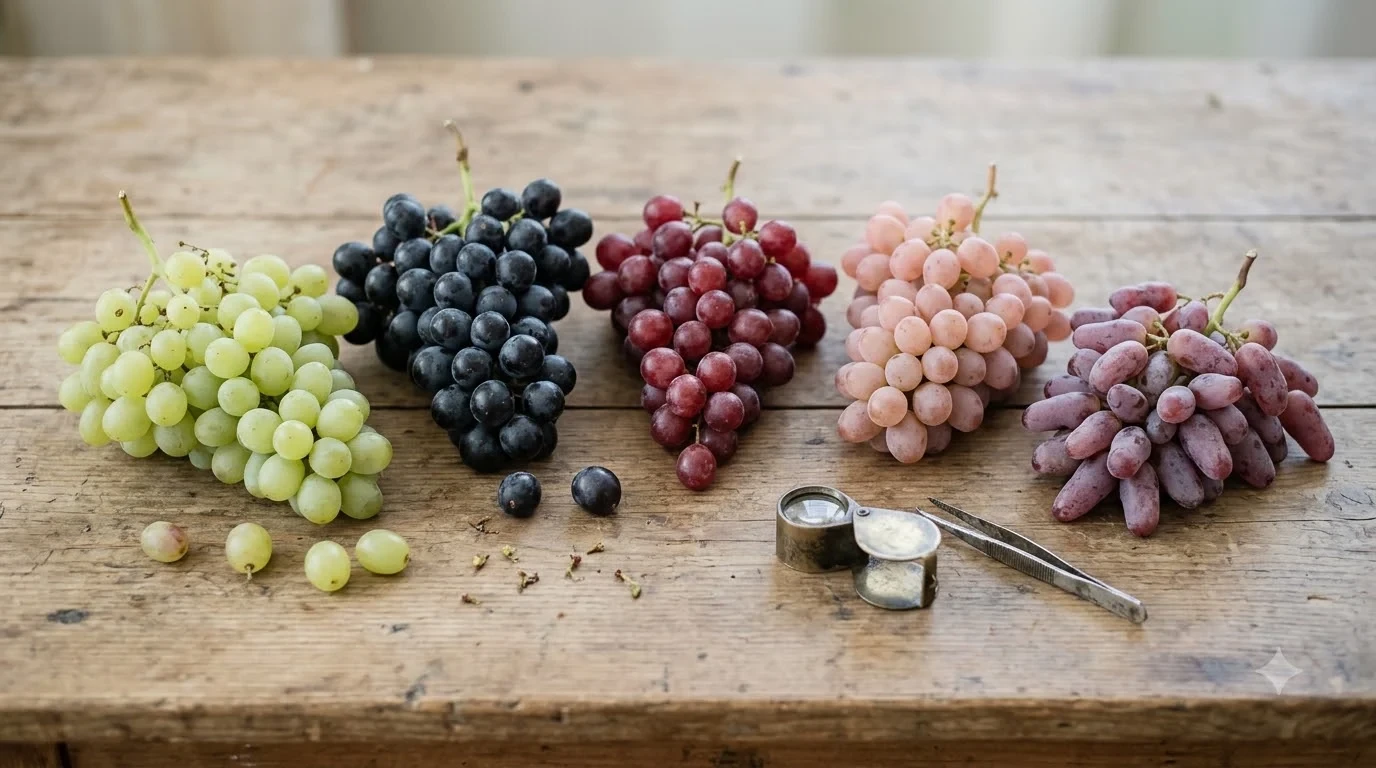
Chablis is a wine appellation in the Yonne department, around the small town of Chablis. It sits at the northern edge of the Burgundy wine region, and the cooler climate there is one reason its wines look and taste so different from those of the Côte d’Or farther south. Only Chardonnay is permitted, so every bottle of Chablis is a single-grape white.
Because the grape is the same across the appellation, the differences in the glass come from the place. Soil, slope, sun exposure, and the choices a winemaker makes all shape the final wine. That is why Chablis is organized into tiers, from Petit Chablis to Grand Cru, and why a bottle’s label tells you more about the style than the grape name alone.
The Soils Behind the Style
The soil is the feature most often cited when people describe Chablis. The finest sites sit on Kimmeridgian marl, a calcareous mix of limestone, clay, and fossilized oyster shells. Marl holds water while the limestone drains, and that balance is linked to the wine’s taut acidity and saline, flinty note. The same ground is what gives Chablis its reputation for minerality, although that word is loose, and many tasters prefer to describe aromas such as oyster shell, salt, and flint.
Younger Portlandian limestone caps the plateaus. It is harder and lower in marl, and wines from it tend to be leaner, more citric, and ready to drink sooner. Most Petit Chablis grows on this kind of ground. Reference guides agree that the difference between these two soils is one of the main reasons the tiers taste distinct.
Wine Folly’s detailed Chablis guide, available at winefolly.com, describes how the cool climate keeps acidity high and fruit restrained, which is the other half of the story. Soil and climate work together, so a Chablis is rarely just a reflection of its rock.
The Four Tiers of Chablis
Chablis is sold in four main tiers, and each one reflects a different part of the vineyard. Knowing the tiers helps you choose a bottle that matches your budget and your taste, from bright and everyday to layered and age-worthy.
Petit Chablis comes from the outer areas and plateaus. Its wines are light and citrusy, with high acidity, and they are best enjoyed young. Village Chablis sits on slopes closer to the town and has more substance, with citrus, pear, and clear mineral notes. Premier Cru vineyards have better sun exposure and more marl in the soil, which gives slightly richer fruit and stronger flintiness. Grand Cru is the top tier, made from seven named climats on a south-west-facing slope along the Serein River, and its wines can be dense, saline, and built to age.
| Tier | Where it grows | Typical character | Drinking window |
|---|---|---|---|
| Petit Chablis | Outer areas and plateaus, mostly Portlandian soils | Light, citrusy, tart | Young, within a year or two of release |
| Chablis | Slopes near the village, mainly Kimmeridgian marl | Citrus, pear, clear minerality | Several years |
| Premier Cru | Better exposure, more marl, on both banks of the Serein | Richer fruit, stronger flint, more tension | Several years |
| Grand Cru | Seven climats on one south-west-facing slope | Dense, saline, often oak-influenced | Can age for decades |
Oak, Style, and How the Wine Tastes
Chablis is usually made without new oak, and many producers use stainless steel or large, older casks that add little wood flavor. That approach keeps the wine lean and fresh. Some Grand Cru wines are oak-aged or oak-fermented, and a few producers use new oak for structure in their top bottles, so the label or the producer’s description tells you what to expect.
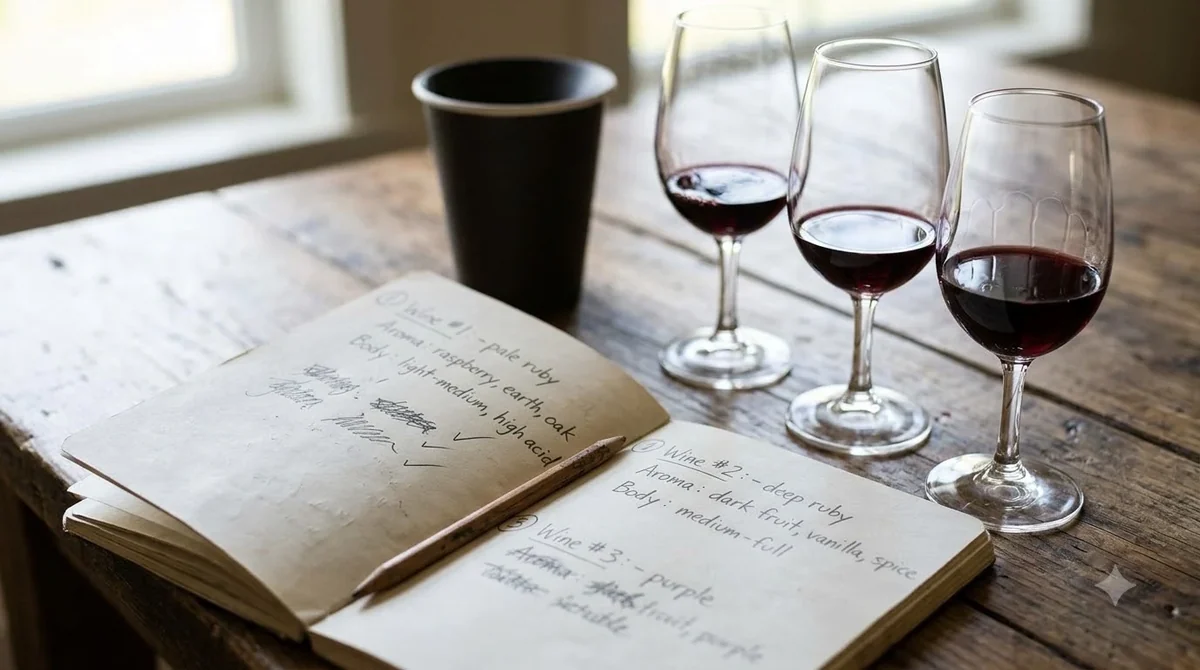
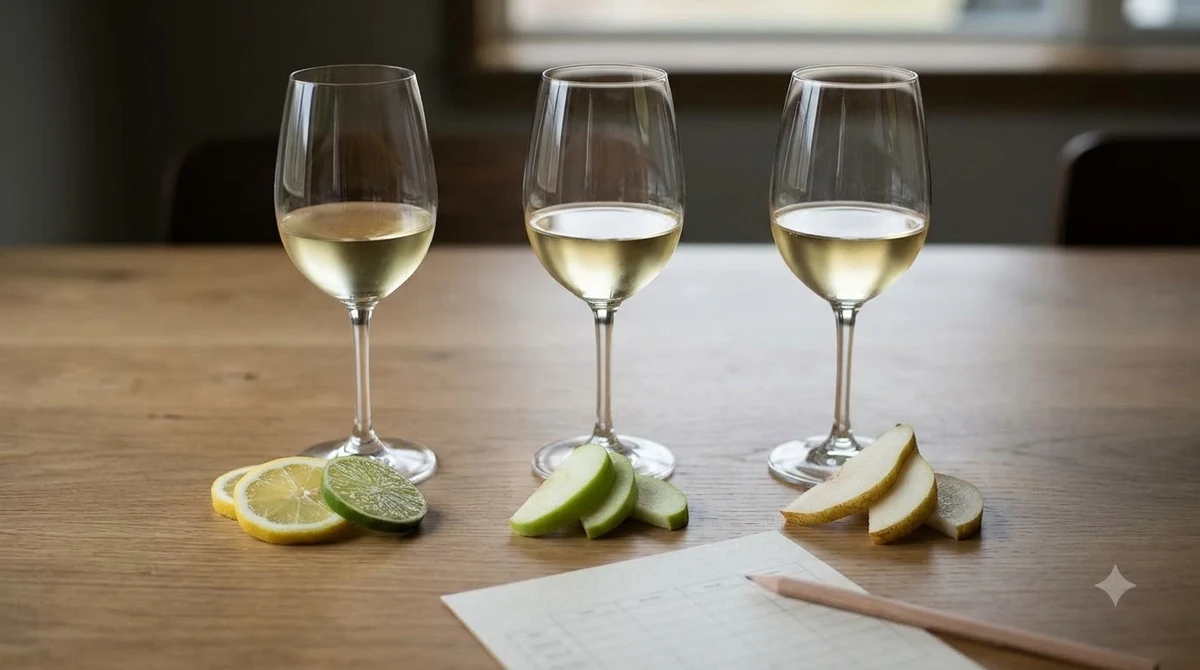
In the glass, a typical Chablis is pale straw to light gold, with a light to medium body and high acidity. Wine Folly describes the flavor as dry, with citrus, pear, salinity, and flinty minerality, and notes that the acidity often leaves a long, tingly finish. Buttery, toasty flavors are rare unless the wine has spent time in oak.
Tip: A younger Petit Chablis or Chablis is a good test of whether you like the style. If its sharpness is too much at first, try a Premier Cru from a good vintage to see how the extra fruit changes the balance.
How to Serve Chablis
Serve Chablis cold, around 42 to 50 degrees Fahrenheit (5 to 10 degrees Celsius), so the acidity stays lively and the flavors stay clean. A white wine served too warm can taste flabby, while one that is very cold may hide its citrus and mineral notes. A short time in the refrigerator before serving is usually enough.
Use a white wine glass with a moderately narrow bowl. It keeps the aromas focused and lets you notice the salinity and citrus. Chablis can be enjoyed on its own as an aperitif, but it also has the structure to accompany a full meal, and it is a practical choice for a dinner party because it works with many courses.
What to Eat With Chablis
Chablis shows its best side with food that is light, fresh, and not too heavy. The wine’s acidity cuts through rich textures and brings out the sweetness of seafood. Oysters and raw shellfish are a classic match, and the wine’s oyster-shell notes make the pairing feel natural. Sushi and other raw fish work well for the same reason.
Lighter meats and fish suit it too. Wine Folly lists chicken, quail, trout, bass, halibut, cod, clams, and scallops as good partners, along with delicately creamy sauces and dishes seasoned with fresh herbs and white pepper. A classic chicken tarragon or a dish of escargot can show how well the wine handles butter and herbs without being overwhelmed. For a heartier plate, Chablis can pair with clam chowder or with black truffle over creamy polenta, as long as the sauce stays light.
If you are serving a richer Grand Cru, you can match it with slightly heavier dishes, such as roast chicken with a lemon and herb sauce. The wine has enough depth to handle more flavor, but it still rewards a light hand in the kitchen.
How to Choose a Bottle of Chablis
Start with the tier on the label. Petit Chablis is an easy introduction, while Chablis, Premier Cru, and Grand Cru each step up in depth and price. If you are not sure what you like, a village Chablis is a balanced choice that shows the style clearly without asking too much of your budget.
Next, decide how long you plan to keep the wine. Young Chablis is best within a few years, while top Grand Crus can develop for a decade or more. Wine Folly gives a typical aging potential of two to six years for Chablis, with only the top wines going beyond ten, which makes the lower tiers a practical everyday white.
Finally, think about the style you enjoy most. If you like the crisp, saline edge of a sauvignon blanc, Chablis may feel familiar. If you prefer a sweet, aromatic white, you may find it too dry, and a wine like moscato wine will feel closer to what you expect. For a bold red alternative to a crisp white, a bottle of cabernet sauvignon wine offers a very different experience.
Frequently Asked Questions
Is Chablis wine dry or sweet?
Chablis is dry. Its fruit is restrained and its acidity is high, so it tastes crisp and mineral rather than sweet. That dryness is one reason it pairs well with seafood and light dishes.
Is Chablis the same as Chardonnay?
Chablis is made from Chardonnay, but it is not the same as the Chardonnay sold from many other regions. The cool climate and chalky soils make it leaner, more acidic, and less buttery than most New World styles.
How long can I keep a bottle of Chablis?
Petit Chablis and village Chablis are best within a few years of the vintage. Premier Cru and Grand Cru bottles can age much longer, and some top wines develop for ten years or more when stored well.
What is the best food to serve with Chablis?
Oysters, shellfish, sushi, and light fish dishes are classic matches. Chicken, quail, and creamy herb sauces also work well, because the wine’s acidity keeps the richness in balance.
Chablis rewards anyone who wants a white wine with clarity and structure. Once you understand the tiers and the soils, it becomes easier to choose the right bottle for the meal in front of you. For a broader view of how styles differ, browse our guide to wine by type and compare Chablis with the other white and red styles on the shelf.
More in Wine Types & Grapes
 Zinfandel Sugar Content: Dry Red vs. White Zinfandel GramsUpdated Nov 21, 2026
 Best Zinfandel Substitute Options for Sipping and CookingUpdated Nov 21, 2026
 Zweigelt Food Pairing: Best Dishes, Cheeses, and Serving TipsUpdated Nov 21, 2026
 Zinfandel Tannins Explained: How Structure Shapes Every BottleUpdated Nov 21, 2026
 Zinfandel Sweetness Level: Dry Red vs. Sweet White Zin ExplainedUpdated Nov 21, 2026
 Xinomavro Food Pairing: Best Dishes, Styles, and Serving TipsUpdated Nov 21, 2026