

We may earn a commission when you buy through links on this page, at no extra cost to you. Learn more.
What are wine ratings? They are expert assessments that summarize a wine’s perceived quality, usually with a numerical score on a 100-point scale. A score gives you a quick way to compare reviewed bottles, but it is not a universal measure of personal enjoyment. The critic’s tasting note, scoring method, wine style, and vintage all help explain what the number means.
Wine scores appear on retailer listings, restaurant lists, bottle descriptions, and magazine reviews. Learning how the main systems work makes those numbers easier to interpret—and helps you choose a bottle for your own taste instead of chasing the highest score.
What Wine Ratings Measure
A wine rating is a critic’s considered judgment of a wine’s quality, expressed as a number or, in some settings, a star or medal. Most major wine publications use a 100-point scale, but the score is a shorthand for a more detailed evaluation of balance, flavor, structure, complexity, and overall character.
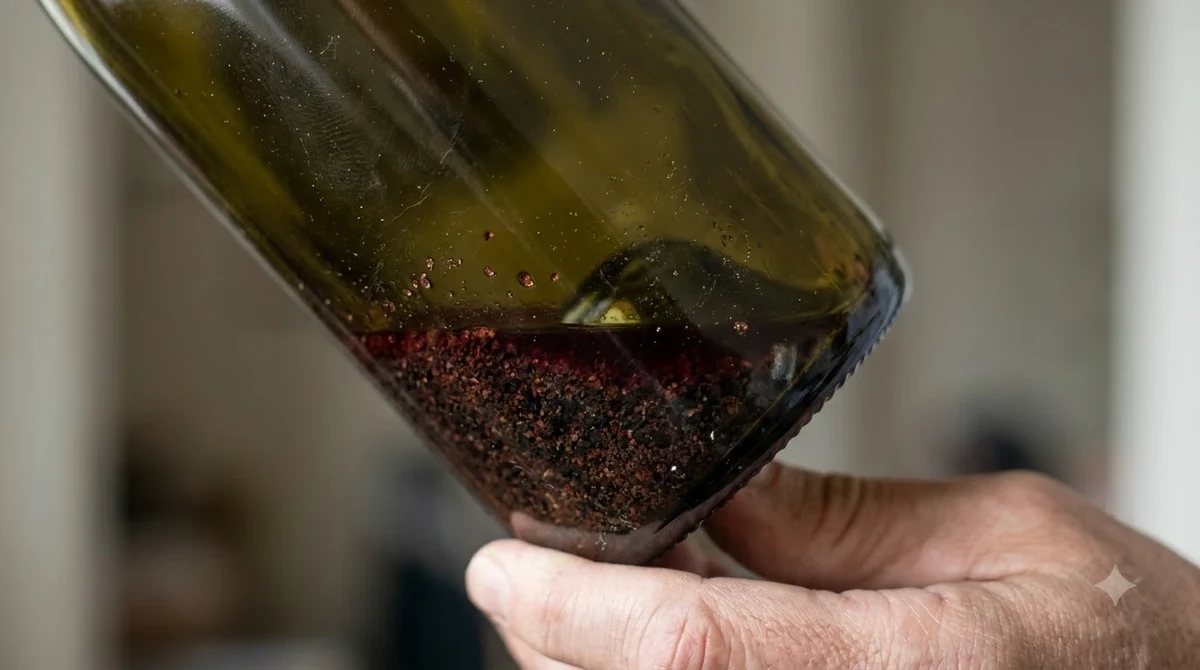
Reviewers may consider the wine’s aroma, fruit, acidity, tannin, alcohol, texture, length, and how well its elements fit together. A Cabernet Sauvignon might be judged partly on the integration of firm tannins, ripe fruit, oak, and acidity; a Riesling may be assessed for its aromatic clarity, freshness, sweetness, and balance. A high score does not mean that the wine is powerful, sweet, expensive, or suited to every drinker. It means the reviewer considers it especially successful by that publication’s standards.
Ratings also describe a specific wine in a specific context. The grape variety, region, vintage, producer, and bottling all matter. A 92-point Pinot Noir from Oregon is not necessarily comparable with a 92-point Cabernet Sauvignon from Napa Valley as though both were competing in one universal contest. The score is most useful when you compare wines within a similar style or category and read the tasting note to learn what the reviewer actually found.
How the 100-Point Scale Works
The 100-point system is the most familiar format in American wine coverage, but published reviews rarely use every number from 1 through 100. Many publications reserve their printed reviews for wines above a minimum threshold, so a score in the low 80s can still represent an acceptable or sound bottle rather than a failing grade.
Wine Enthusiast’s published scale, for example, describes 80–82 as acceptable, 83–86 as good, 87–89 as very good, 90–93 as excellent, 94–97 as superb, and 98–100 as classic. These labels help readers understand the publication’s own judgments. They should not be treated as a universal grading key shared by every critic or retailer.
Think of a score as a broad category, not a laboratory measurement. The difference between 91 and 92 points may be a small distinction within one reviewer’s assessment, while the jump from the 80s into the 90s usually signals a stronger overall recommendation. A score of 100 is especially rare in many systems and is intended for wines considered exceptional by the reviewer, not merely pleasant or well made.
Why Critics Give Different Scores
There is no single scoring rubric that every publication follows, so the same bottle can receive different scores from different reviewers. The labels attached to a score vary, too: a 90-point wine is called “Excellent” by Wine Enthusiast, “Highly Recommended” by Decanter, and falls in VinePair’s “Very Good” band.
The table compares the published bands of three well-known review outlets. It is a guide to each outlet’s vocabulary, not a conversion formula: the same number can carry a different label because the publications define their ranges differently.
| Publication | Lower score bands | Higher score bands | How it labels 90 points |
|---|---|---|---|
| Wine Enthusiast | 80–82 Acceptable; 83–86 Good; 87–89 Very Good | 90–93 Excellent; 94–97 Superb; 98–100 Classic | Excellent |
| Decanter | 76–82 Fair; 83–85 Commended; 86–89 Recommended | 90–94 Highly Recommended; 95–97 Outstanding; 98–100 Exceptional | Highly Recommended |
| VinePair | 80–84 drinkable but not memorable; 85–88 solid and soundly made | 89–92 Very Good; 93–96 Outstanding; 97–99 defines its sense of place; 100 one of a kind | Very Good |
Those different bands show why a score should always be read with its source. A 90 from one publication is not automatically the same judgment as a 90 from another. Reviewers may also value different qualities: one critic may prize regional character and precision, while another may put more emphasis on immediate appeal, balance, or the wine’s performance for its category.
Scoring practice can differ as much as scoring vocabulary. Wine Enthusiast says its wine reviews are tasted blind, with labels and retail prices hidden from reviewers. VinePair says its tastings are not typically blind and are conducted with knowledge of the producer, region, and price. Neither method should be mistaken for a guarantee that every publication will share the same palate or priorities.
How Professional Tastings Produce Ratings
A published score is usually the result of a tasting process, not a guess based on a label or reputation. The setup can range from a single specialist reviewer to a panel of judges, and details such as blind tasting, comparison flights, and retasting can shape the final assessment.

Wine Enthusiast describes tasting wines in peer-group flights that typically contain five to eight samples. Bottles are placed in paper bags, and reviewers may know the vintage, grape variety, or appellation for context but do not see the producer or retail price; the bottle remains hidden until after the rating is given. The publication says reviewers specialize in particular regions, and wines considered flawed or unusual may be tasted again when possible. Read Wine Enthusiast’s blind-tasting method for its full explanation of the process.
Decanter’s panel tastings use three experienced judges selected for their knowledge of the category. Wines are tasted blind in flights of eight to 10, judges score individually, and the panel discusses results at the end of each flight. Wines with markedly different scores may be retasted, and the overall panel rating is the average of the three judges’ scores. Decanter also limits tastings to a maximum of 85 wines a day to help judges taste carefully and avoid palate fatigue; its panel-tasting explanation describes those safeguards.
Blind tasting can reduce the influence of a famous producer, an attractive label, or a high retail price, but it is not the only legitimate approach. VinePair explains that its reviewers usually taste with the producer, region, and price known, because it wants to assess products in a context closer to how readers encounter them. When comparing two ratings, it is useful to know whether each score came from a blind tasting, a specialist’s individual review, or a multi-judge panel.
How to Use Ratings to Choose a Bottle
Use a score to identify bottles that deserve a closer look, then use the tasting note to decide whether the style suits the occasion and your preferences. A well-reviewed wine is a useful candidate, but the best choice is the one whose flavor, structure, and intended use match what you want to drink.
Start by narrowing the category. A 90-point Cabernet Sauvignon and a 90-point Pinot Noir can be very different experiences: Cabernet Sauvignon usually has high tannin and a fuller structure, while Pinot Noir generally has low-to-medium tannin and higher acidity. For whites, a high-acid Sauvignon Blanc can feel much crisper than a medium-acid Chardonnay. Learning the main types of wine makes it easier to compare like with like.
Next, read the tasting note for clues about flavor and texture. Words such as “bright,” “tart,” or “fresh” often point to noticeable acidity; “tannic,” “firm,” or “grippy” suggests a drying structure; “rich,” “round,” or “creamy” points toward a fuller mouthfeel. To understand the language reviewers use, see what are tasting notes. Look for concrete descriptors—citrus, black cherry, herbs, vanilla, mineral notes, or baking spice—rather than relying only on general praise.
Tip: Save reviews from critics whose descriptions repeatedly match what you enjoy. After a few bottles, you will have a personal reference point that is more useful than treating every critic’s 90-point score as interchangeable.
Finally, match the wine to the meal and serving conditions. Acidic dishes generally need a wine with equal or higher acidity; salt and fat can soften tannin, while chili heat can seem stronger with high-alcohol or tannic wines. Oily fish can clash with heavily tannic reds. Serving temperature also changes how a wine feels: light whites and rosés are commonly served around 45–50°F, full-bodied reds around 60–65°F, and sparkling wines around 40–50°F. A score does not account for every detail of your dinner, glassware, or serving temperature.
What Ratings Cannot Tell You
A numerical score cannot tell you exactly how much you will like a wine, whether it is the right match for dinner, or whether it is ready to drink tonight. It summarizes a reviewer’s judgment of quality under a particular tasting method; personal preference and context remain separate questions.
Ratings also compress several qualities into one number. Two wines with the same score may differ sharply in body, sweetness, acidity, tannin, oak influence, alcohol, and aging potential. A 90-point dry Riesling and a 90-point oaked Chardonnay may both be well regarded, yet one may taste lean and citrus-driven while the other feels broader and creamier. The tasting note provides the detail that a single number cannot carry.
Vintage and bottle condition matter as well. A wine reviewed from one harvest is not automatically represented by a score assigned to another harvest, even when the label and producer are the same. Storage, transport, bottle variation, and the time elapsed since the review can also affect what is in the glass. A score is evidence about the bottle and vintage that were assessed, not a permanent guarantee covering every bottle with a similar name.
Consider the purpose of the review, too. A critic might judge a wine for its quality at release, its potential to improve with age, or its performance relative to peers in a specific category. Some reviews include a drinking window or a separate value designation, but those details are not interchangeable with the point score. For a broader foundation in wine terminology and selection, browse the site’s Wine Q&A.
Frequently Asked Questions
These answers cover a few rating details that can be easy to miss when comparing scores across bottle listings and review archives.
Are wine medals the same as critic scores?
No. A critic’s score is a review judgment, while a medal is an award result from a competition with its own judging and award categories. Decanter explains that some gold-medal winners are compared again against gold winners in their category for a possible platinum medal or “best in class” distinction.
Why do some wine reviews use a range instead of one score?
A range can signal that the wine is still developing or has not yet reached its final bottled form. Wine Spectator marks an assessment of an unbottled wine as a Barrel Tasting, or BT, and uses a score range as a preliminary indication of its future potential.
Can a wine receive stars instead of points?
Yes. Wine Enthusiast uses a five-star system for certain ready-to-drink beverages and branded low- or non-alcoholic products intended for immediate consumption. Its FAQ defines non-alcoholic products as those below 0.5% alcohol by volume, with its designated low-alcohol category spanning 0.5% to 10% ABV.
Does a high score mean a wine should be aged?
No. A high score does not by itself mean a wine needs cellaring or will improve for decades. Wine Enthusiast says its traditional wine scores consider both immediate character and aging potential, while its separate Cellar Selection designation identifies wines that may benefit from controlled aging.
Can I compare a score from an old review with a current review?
Compare the scoring framework as well as the number. Decanter’s score-conversion guide explains how readers may encounter older tasting notes using a 20-point system alongside the 100-point scale, so an old review may need context before it can be compared fairly with a newer score.
Wine ratings are most useful as a filter: they help identify well-regarded bottles, while tasting notes explain the style behind the score. Compare reviews from sources you trust, pay attention to the wine’s grape, region, and vintage, and let your own preferences make the final decision.
More in Wine Basics
 What Is The Best Wine For Mimosas? Choose Bubbly That Balances Orange JuiceUpdated Nov 20, 2026
 Which Prosecco Is Best for Your Taste and OccasionUpdated Nov 20, 2026
 Which Wine Is Best For Health? Understand the Risks and BenefitsUpdated Nov 20, 2026
 Which Champagne Is Best for Your Taste and OccasionUpdated Nov 20, 2026
 What To Put In A Wine Gift Basket For A Thoughtful, Memorable GiftUpdated Nov 20, 2026
 What Is the Best Wine for Mulled Wine? Choose a Smooth, Fruity RedUpdated Nov 20, 2026