

We may earn a commission when you buy through links on this page, at no extra cost to you. Learn more.
What are the main types of wine? The five main types are red, white, rosé, sparkling, and dessert wine, with fortified wine often treated as an additional category. Each type has distinctive characteristics influenced by grape variety, skin contact, fermentation, sweetness, and winemaking techniques. Understanding these differences makes it easier to select a bottle that suits your food, personal preferences, and occasion.
Wine labels can feature unfamiliar grape names, regions, and production terms, but learning the major categories provides a practical starting point. Some wines are light and refreshing, others are rich and structured, and some are sweet or bubbly. Once you understand the basic styles, you can recognize what to expect from a bottle before opening it and make more confident choices at a restaurant or wine shop.
1. Red Wine: From Light and Fruity to Bold and Tannic
Red wine is made from dark-skinned grapes, with the grape skins contributing much of its color, tannin, and flavor. Its range extends from delicate, refreshing Pinot Noir to powerful Cabernet Sauvignon and Syrah.
The defining characteristic of red winemaking is skin contact. After grapes are crushed, their juice ferments with the skins, extracting pigments and tannins. The length of contact, grape variety, fermentation conditions, and aging choices all influence the finished wine. Some reds mature in stainless steel or concrete, while others spend months or years in oak barrels.
Red wines are commonly divided into three body categories. Light-bodied reds generally have lower tannin and refreshing acidity. Pinot Noir is a classic example, often displaying cherry, raspberry, strawberry, mushroom, and earthy aromas. Gamay, especially from Beaujolais in France, is another approachable option. These wines work particularly well with roasted chicken, mushroom dishes, pork, and lighter meat preparations.
Medium-bodied reds provide more structure without necessarily feeling heavy. Merlot, Grenache, Sangiovese, and Barbera belong to this broad group. Merlot typically has softer tannins than Cabernet Sauvignon, with flavors that can include plum, black cherry, and herbs. Sangiovese, commonly associated with Tuscany and Chianti, often shows tart cherry, savory herbs, and lively acidity. These wines are versatile partners for pizza, tomato-based pasta, burgers, and roasted vegetables.
Full-bodied reds have greater weight, concentration, or tannin. Cabernet Sauvignon is known for its firm tannins and blackcurrant, blackberry, cedar, and sometimes tobacco characteristics. Syrah often brings darker fruit, pepper, and savory spice. Malbec can show plum, blackberry, and a plush texture, particularly in examples from Mendoza, Argentina.
These stronger reds are particularly suitable for grilled steak, lamb, barbecue, and richly flavored stews. Salt and fat in food can soften the perception of tannin, helping a structured wine feel more balanced alongside a rich meal. However, highly tannic reds are usually less successful with delicate seafood and oily fish, where their structure can create an unpleasant contrast.
Common red wine varieties
- Cabernet Sauvignon: Full-bodied, high tannin, and commonly associated with blackcurrant, blackberry, and cedar.
- Merlot: Medium-bodied, with softer tannins and flavors of plum, cherry, and chocolate.
- Pinot Noir: Light to medium-bodied, with relatively low-to-medium tannin and bright acidity.
- Syrah: Medium-plus to full-bodied, with dark fruit, pepper, and substantial tannin.
- Malbec: Often full-bodied, with concentrated dark fruit and a rounded texture.
- Sangiovese: Medium-bodied, with lively acidity and characteristic cherry and herbal notes.
Serving temperature also influences how red wine tastes. Light reds are generally best served around 55–60°F, while fuller reds benefit from approximately 60–65°F. Serving a powerful Cabernet Sauvignon too warm can make its alcohol seem more prominent and its structure less balanced.
For readers comparing wine descriptions, understanding what are tasting notes can help translate terms such as earthy, fruity, spicy, and oaky into recognizable characteristics.
2. White Wine: Crisp, Aromatic, and Rich Styles
White wine is generally made from white grapes fermented without prolonged contact with the skins. Its styles range from crisp, high-acidity Sauvignon Blanc to creamy, oak-aged Chardonnay and aromatic Riesling.
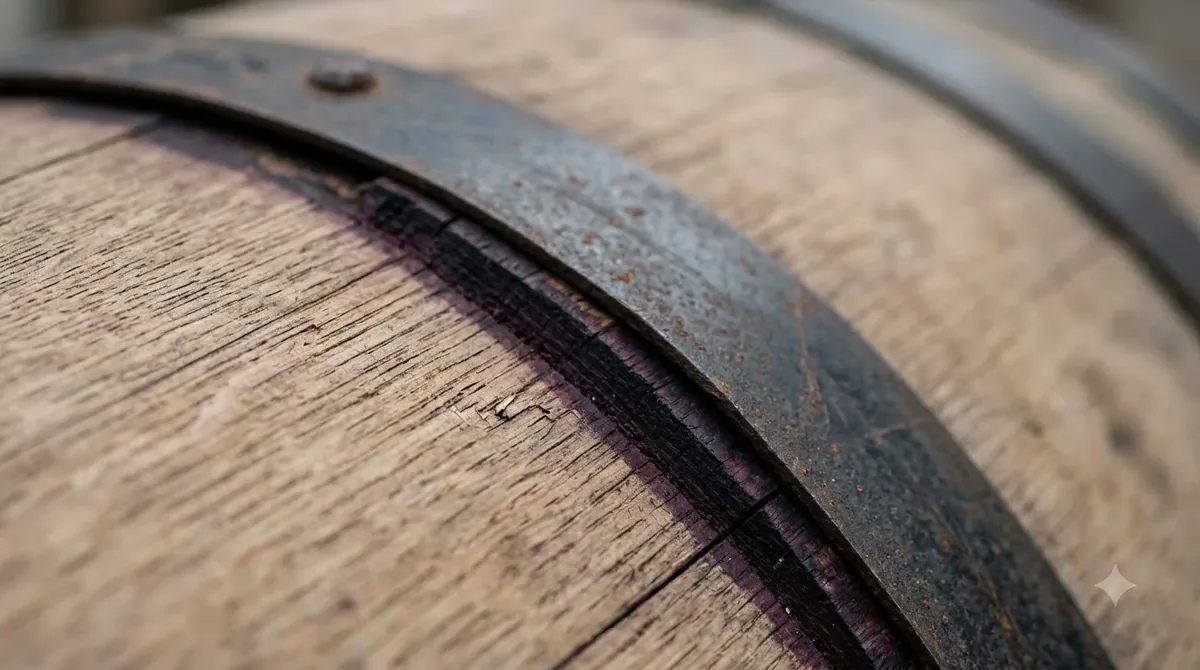
White winemaking usually involves pressing grapes and separating the juice from the skins before fermentation. This limits the extraction of color and tannin. White wines can be fermented in stainless steel tanks, oak barrels, or other vessels, and the winemaker’s choices have a major influence on the final texture and aromas.
Light-bodied white wines are popular for their freshness and relatively delicate texture. Sauvignon Blanc is a familiar example, often showing lime, grapefruit, green apple, grass, and herbal aromas. Its high acidity makes it particularly suitable for seafood, goat cheese, fresh salads, and dishes featuring lemon or vinaigrette.
Pinot Grigio is another accessible light-bodied white. Italian examples are often crisp and straightforward, with citrus, pear, and green apple characteristics. Albariño from Spain’s Rías Baixas region is another refreshing option, frequently showing citrus, peach, and mineral-like characteristics. These wines are especially useful with shrimp, oysters, grilled fish, and lighter vegetable dishes.
Aromatic white wines form another important group. Riesling, Gewürztraminer, Chenin Blanc, and Moscato can offer expressive floral, fruit, and spice aromas. Riesling is particularly versatile because it can be produced in dry, off-dry, and sweet styles. Its naturally high acidity helps balance residual sugar, making it a useful partner for spicy Asian dishes and foods with sweet-and-sour flavors.
Full-bodied white wines offer more weight and texture. Chardonnay is the best-known example, although its style varies considerably according to climate and winemaking. An unoaked Chardonnay can be crisp, with apple, citrus, and pear flavors. Barrel-aged Chardonnay may develop vanilla, butter, toasted bread, and baking spice characteristics. Malolactic fermentation can also contribute a softer, creamier impression.
Other fuller-bodied whites include Viognier and Sémillon. Viognier often has pronounced peach, apricot, and floral aromas, while Sémillon can display citrus, waxy texture, and richer characteristics as it develops. These wines can complement roast chicken, lobster, creamy pasta, and dishes with butter-based sauces.
How to recognize white wine styles
- Sauvignon Blanc: High acidity, citrus, herbs, and green fruit.
- Pinot Grigio: Usually light-bodied, crisp, and refreshing.
- Riesling: High acidity, aromatic fruit, and dry-to-sweet variations.
- Chardonnay: Medium acidity, with styles ranging from lean and citrus-driven to rich and oaked.
- Viognier: Aromatic, often full-bodied, with peach and floral characteristics.
- Chenin Blanc: A versatile variety that can produce dry, sparkling, and sweet wines.
Most light whites and rosés are best served at 45–50°F. Fuller white wines generally show better texture and aroma around 50–55°F. Extremely cold temperatures can suppress the aromas of richer Chardonnay and Viognier, so allowing them to warm slightly in the glass can improve the experience.
3. Rosé Wine: A Fresh Middle Ground Between Red and White
Rosé is a pink wine usually produced from dark-skinned grapes with limited skin contact. It combines some of the fruit character associated with red wine with the refreshing acidity and serving style commonly associated with white wine.
During rosé production, red grapes are crushed and their juice remains in contact with the skins for a relatively short period. This allows a controlled amount of pigment to enter the juice. The skins are then removed, and fermentation continues without the prolonged extraction typically used for red wine. The result can range from very pale salmon to deeper pink and raspberry shades.
Rosé can also be made using other production approaches, including blending red and white wines in certain permitted styles. However, brief skin contact is the familiar method behind many traditional dry rosés. The final color does not automatically indicate sweetness or quality. A pale Provence rosé can be completely dry, while a darker pink wine can also be dry or slightly sweet.
One of the best-known rosé styles comes from Provence in southern France. These wines are commonly pale, fresh, and dry, with flavors such as strawberry, watermelon, citrus, and delicate herbs. Other recognizable examples include Garnacha rosé from Spain, Côtes du Rhône rosé, Sangiovese rosé from Italy, and Pinot Noir rosé.
Rosé is especially useful at the table because it can bridge the gap between foods that might otherwise call for different wines. Its refreshing acidity and moderate fruit intensity suit grilled chicken, roast pork, seafood, salads, Mediterranean vegetables, and lightly spiced dishes.
Some rosés have more structure and fruit concentration than others. A deeper-colored Tavel rosé from France’s Rhône Valley, for example, can have more body and intensity than a delicate Provence-style bottle. This makes it a good candidate for richer dishes, grilled meats, and flavorful Mediterranean recipes.
Rosé is usually served chilled, around 45–50°F. This temperature preserves freshness while allowing the wine’s fruit and floral aromas to remain noticeable. A standard 5-ounce pour works well, and a 750 ml bottle provides approximately five glasses.
Tip: Do not choose rosé based on color alone. Look for words such as dry, off-dry, fruity, or crisp, and consider the grape variety and region. For a versatile dinner bottle, a dry Garnacha or Provence rosé is a useful starting point.
4. Sparkling Wine: Bubbles, Acidity, and Different Sweetness Levels
Sparkling wine contains dissolved carbon dioxide that creates bubbles when the bottle is opened. Champagne, Prosecco, and Cava are three major examples, but sparkling wine is produced in many countries and can be white, rosé, or red.
The bubbles can be produced through different winemaking methods. The traditional method involves a second fermentation inside the bottle. Yeast and sugar are added to a finished base wine, creating another fermentation that produces carbon dioxide. Because the gas remains trapped inside the bottle, it dissolves into the wine and creates its characteristic bubbles.
Champagne from France and Cava from Spain are familiar traditional-method wines. This process can produce complex aromas associated with bread dough, pastry, toast, and nuts, especially when the wine spends extended time aging on its lees. Chardonnay, Pinot Noir, and Pinot Meunier are important Champagne varieties.
Prosecco is generally produced using the tank method, also known as the Charmat method. The second fermentation takes place in a sealed pressurized tank before bottling. Glera is the principal grape used for Prosecco, and the wines often show fresh pear, apple, citrus, and floral notes. Many Proseccos are around 11–12% alcohol by volume.
Sparkling wine is not necessarily sweet. Producers can make styles ranging from very dry to noticeably sweet, and the terminology on labels helps communicate the sweetness level. The commonly used sequence, from driest to sweetest, is:
- Brut Nature: Extremely dry, with almost no added dosage.
- Extra Brut: Very dry.
- Brut: Dry and one of the most familiar sparkling wine styles.
- Extra Dry: Slightly sweeter than Brut, despite the name.
- Dry: Sweeter than Extra Dry in sparkling wine terminology.
- Demi-Sec: Noticeably sweet.
- Doux: The sweetest category in this traditional classification.
These distinctions are particularly helpful when ordering sparkling wine at a restaurant. Someone who prefers a crisp, dry aperitif will generally be more comfortable with Brut or Extra Brut than Demi-Sec. People who enjoy sweeter sparkling wines may prefer Demi-Sec or Doux.
Food pairing is another strength of sparkling wine. Its acidity and bubbles work particularly well with salty, fried, and creamy foods. Champagne can accompany oysters, fried chicken, and potato chips, while Prosecco works nicely with appetizers, light seafood, and fresh fruit. Sparkling rosé can complement smoked salmon, roast poultry, and berry-based desserts.
Serve sparkling wine around 40–50°F. The cooler temperature helps preserve its refreshing character and slows the loss of carbon dioxide after opening. A sparkling wine stopper can help preserve the bubbles, although opened sparkling wine generally keeps its best quality for only about 1–3 days in the refrigerator.
5. Dessert and Fortified Wine: Sweetness and Added Alcohol
Dessert wine is a broad category of wine with noticeable residual sweetness, while fortified wine is defined by the addition of grape spirit. Some wines belong to both categories, but fortified wines are not necessarily sweet.
Sweetness in wine generally comes from sugar that remains after fermentation. Winemakers can create sweet styles by stopping fermentation before all the grape sugar has been converted into alcohol, harvesting grapes late, concentrating their sugars through drying or freezing, or using grapes affected by noble rot under suitable conditions.
Late-harvest Riesling is one familiar example. Grapes remain on the vine longer than those intended for many dry wines, allowing sugar and flavor concentration to increase. The resulting wines can show honey, peach, apricot, and citrus characteristics. Their acidity is particularly important because it prevents sweetness from becoming overwhelming.
Sauternes from Bordeaux in France is another recognized dessert wine. It is often made from grapes affected by noble rot, a beneficial form of fungal activity that concentrates sugars and changes the fruit’s aromas. These wines can display honey, dried apricot, marmalade, and rich floral characteristics.
Ice wine is made from grapes that freeze naturally on the vine. The frozen water remains in the fruit as concentrated juice is pressed, producing intensely flavored sweet wine. Tokaji from Hungary is another historic sweet wine category, with styles that can range from richly sweet to more restrained expressions.
Fortified wine is made by adding grape spirit during or after fermentation. According to WSET, fortified wines typically contain around 15–22% alcohol by volume, which is generally higher than the alcohol content of ordinary table wine.
Port from Portugal is a famous fortified wine. In many Port styles, grape spirit is added before fermentation has finished, leaving considerable natural sweetness in the wine. Ruby Port generally emphasizes fresh dark fruit, while Tawny Port often develops nutty, caramel, and dried-fruit characteristics through aging.
Sherry from Spain demonstrates why fortified wine should not automatically be considered sweet. Fino and Manzanilla Sherry are typically dry, while Pedro Ximénez Sherry can be extremely sweet and concentrated. Madeira and Marsala are other important fortified styles, each with distinctive production and aging traditions.
Sweet and fortified wines are often served in smaller quantities than ordinary table wines. A 2–3-ounce serving is a practical starting point for a concentrated dessert wine, although the ideal pour depends on its sweetness, alcohol content, and the occasion.
The most important pairing principle is that the wine should be at least as sweet as the dessert. A dry wine alongside a very sweet cake can taste thin or sour. Late-harvest Riesling can complement fruit desserts, Sauternes works well with fruit-based pastries and rich cheeses, and Port can pair with dark chocolate or blue cheese.
6. How to Choose Wine by Body, Sweetness, and Food
Choosing wine becomes easier when you consider three practical characteristics: body, sweetness, and acidity. These factors often matter more to the final pairing than simply selecting a red or white bottle.
Body describes how heavy or substantial wine feels in the mouth. A light-bodied wine feels relatively delicate, while a full-bodied wine has a more substantial texture. Alcohol, tannin, residual sugar, grape concentration, and oak influence the overall impression.
Sweetness is another important distinction. Dry wine contains little perceptible residual sugar, while off-dry wine has some noticeable sweetness. Sweet wines have enough residual sugar to make sweetness a prominent part of their character. Fruit aromas should not be confused with actual sweetness: a dry Riesling can smell strongly of peach and citrus without tasting sugary.
Acidity gives wine its refreshing, mouthwatering quality. Sauvignon Blanc and Riesling are generally high-acidity wines, while Chardonnay usually has medium acidity. Moscato is commonly lower to medium in acidity, although individual styles vary. Foods with pronounced acidity, such as lemon-based sauces and vinaigrettes, generally need wines with equal or higher acidity to maintain balance.
Tannin is particularly important when choosing red wine. It creates a drying or gripping sensation in the mouth. Cabernet Sauvignon typically has high tannin, Merlot has medium and generally softer tannin, Pinot Noir has low-to-medium tannin, and Syrah often has medium-plus to high tannin.
The following table summarizes common starting points for matching wine styles to meals and preferences.
| Wine style | Typical characteristics | Useful food pairings | Serving temperature |
|---|---|---|---|
| Light red | Lower tannin, bright acidity, red fruit | Roast chicken, mushrooms, pork | 55–60°F |
| Full-bodied red | Higher tannin, dark fruit, fuller texture | Steak, lamb, barbecue | 60–65°F |
| Light white | High acidity, citrus, refreshing finish | Seafood, salads, goat cheese | 45–50°F |
| Full-bodied white | Richer texture, moderate acidity, possible oak | Lobster, creamy pasta, roast chicken | 50–55°F |
| Rosé | Fresh red fruit, refreshing acidity | Grilled vegetables, pork, seafood | 45–50°F |
| Sparkling | Bubbles, refreshing acidity, dry-to-sweet range | Fried food, oysters, salty appetizers | 40–50°F |
| Sweet white | Residual sugar, fruit concentration | Fruit desserts, pastries, salty cheese | 43–50°F |
These temperatures are useful general guidelines rather than strict requirements. A wine served too cold can seem less aromatic, while an overly warm wine may feel heavy or alcoholic. Adjusting the temperature slightly after pouring can help reveal more of the wine’s character.
Practical food-pairing principles
Several straightforward rules can make wine pairing more predictable:
- Match weight with weight: Delicate dishes usually suit lighter wines, while rich foods can support fuller-bodied selections.
- Match sweetness: Choose wine that is at least as sweet as the dessert or sweet dish.
- Respect acidity: High-acidity foods need wines with equal or higher acidity.
- Use fat and salt: Rich, fatty, and salty foods can soften the perception of tannin in structured red wines.
- Consider chili heat: Alcohol and tannin can amplify the sensation of chili heat. Lower-alcohol, fruitier wines are often more comfortable with spicy dishes.
- Avoid excessive tannin with oily fish: Delicate, low-tannin wines are generally safer choices with oily seafood.
For example, a Cabernet Sauvignon is a natural candidate for grilled steak because its tannin and structure work with the meat’s richness. A high-acidity Sauvignon Blanc is more appropriate for lemon-seasoned seafood. A slightly sweet Riesling can balance the heat of Thai food, while sparkling wine can refresh the palate between bites of fried appetizers.
Another useful approach is to explore wine ratings and descriptions without treating a numerical score as the only measure of quality. Learning what are wine ratings can help explain how reviewers evaluate a bottle, but personal preference and food compatibility should remain important considerations.
7. Wine Storage, Serving, and Buying Basics
Proper storage and serving help preserve the qualities that distinguish different wine types. Temperature, light, oxygen exposure, and bottle position all influence how wine develops and how long it remains enjoyable after opening.
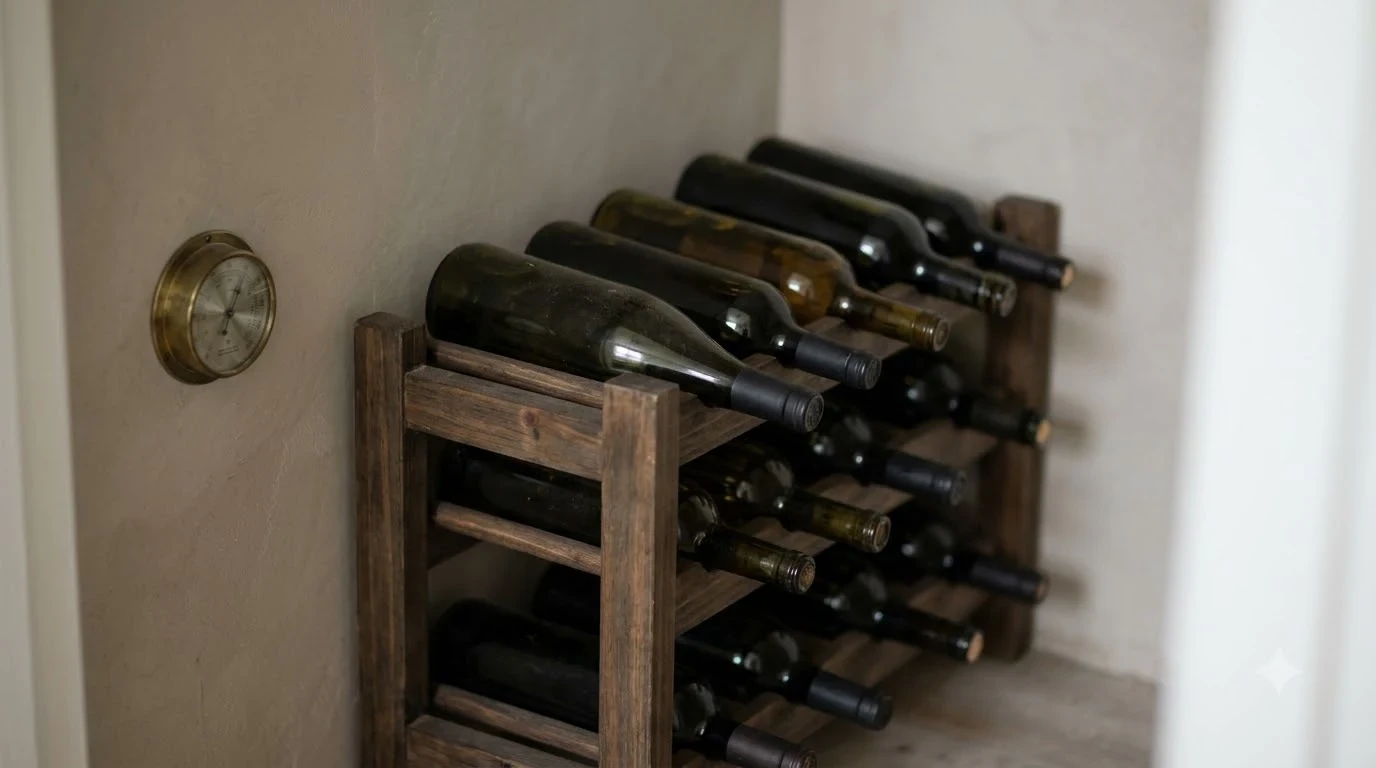
For unopened bottles, a cool and relatively stable storage environment is preferable. Around 55°F is a useful general storage target. Large temperature changes can accelerate unwanted development, while direct sunlight and strong artificial light can damage certain wines. Bottles with natural cork closures are commonly stored horizontally so that the cork remains in contact with the wine.
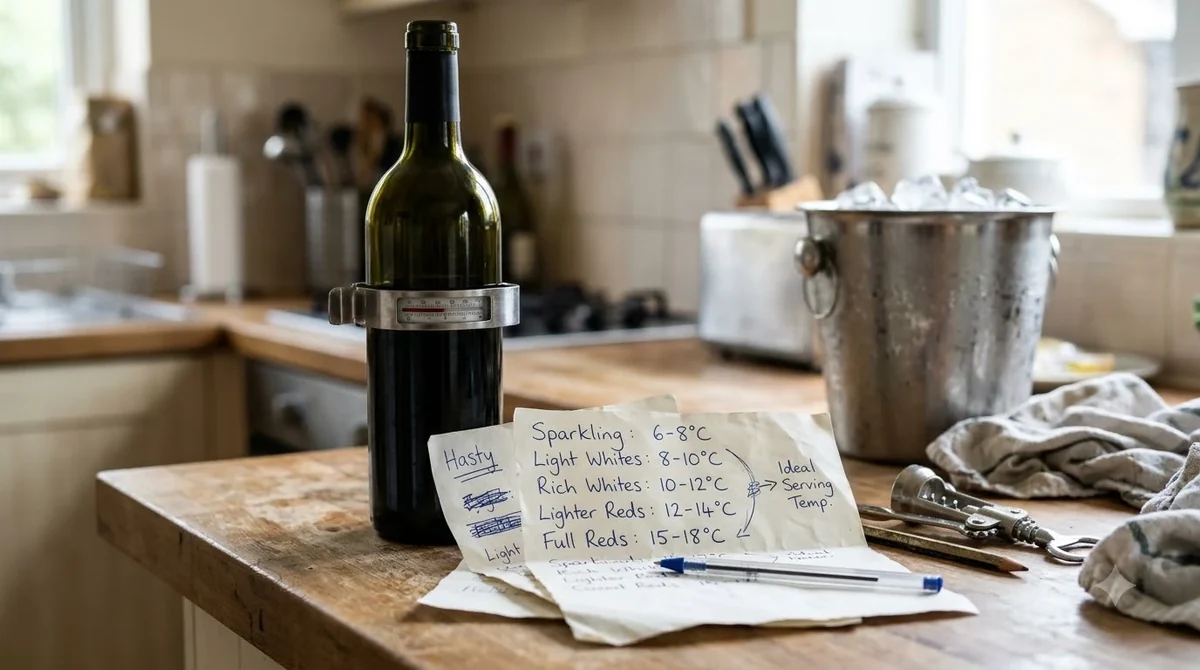
Serving temperatures should reflect the wine’s structure. Sparkling wine generally benefits from 40–50°F, light whites and rosés from 45–50°F, and fuller whites from 50–55°F. Light reds are usually best around 55–60°F, while full-bodied reds are better around 60–65°F. Sweet white wines are commonly served at 43–50°F.
These ranges also explain why the traditional instruction to serve all red wine at room temperature can be misleading. Modern indoor temperatures are often warmer than the conditions traditionally associated with European cellars. A brief period in the refrigerator can help a full-bodied red reach a more suitable serving temperature.
Portion size is another useful basic. A standard wine serving is approximately 5 ounces, and a 750 ml bottle contains about five such glasses. Sparkling and dessert wines may be poured in smaller amounts depending on the style and occasion.
How long does wine last after opening?
Oxygen exposure gradually changes wine after a bottle is opened. Some styles retain their character longer than others, particularly when they are resealed and refrigerated promptly.
- Sparkling wine: Approximately 1–3 days in the refrigerator with a suitable sparkling wine stopper.
- Still red, white, and rosé: Approximately 3–5 days in the refrigerator with the bottle properly resealed.
- Fortified wine: Several weeks in many cases, depending on the style and storage conditions.
- Bag-in-box wine: Approximately 4–6 weeks after opening, provided it is stored appropriately.
These are general quality guidelines, not guarantees. Delicate wines can lose freshness faster, while certain fortified styles are more resistant to oxidation. Keeping opened bottles cool and minimizing air exposure can help extend their useful drinking window.
Young, full-bodied red wines sometimes benefit from decanting for 30–60 minutes before serving. This allows oxygen exposure and can help soften the impression of firm tannins while making aromas more accessible. Not every red needs decanting, and older wines may require more careful handling because excessive aeration can cause delicate aromas to fade.
When buying wine, start by deciding what you want from the bottle. Someone who prefers crisp and refreshing flavors might look for Sauvignon Blanc, Pinot Grigio, or Brut sparkling wine. Someone who prefers softer reds might choose Merlot or Pinot Noir. For richer flavors, Cabernet Sauvignon, Syrah, and oaked Chardonnay offer different options.
Wine packaging can also provide useful information. Bottle shape, color, closure, and label terminology often reflect regional traditions or production choices. For example, learning why are wine bottles green provides useful context about light protection and traditional wine packaging.
For further foundational information about grapes, regions, and wine terminology, the Wine Q&A section offers another starting point for building wine knowledge.
For an additional overview of the five familiar categories, the Kendall-Jackson guide to common wine types provides examples of grapes and styles. The WSET explanation of wine types and styles also distinguishes still, sparkling, and fortified wines.
Frequently Asked Questions
How many different types of wine exist worldwide?
There are thousands of wine styles when grape varieties, regional traditions, production methods, and sweetness levels are considered. International grape databases document more than 1,300 commercially cultivated wine grape varieties. The number of individual wine styles is much larger because producers can use the same grape in several different ways.
What is orange wine, and is it a type of white wine?
Orange wine is generally made from white grapes fermented with their skins for an extended period. This skin contact gives the wine an amber or orange appearance and can introduce tannin and more textured flavors. It is sometimes called skin-contact white wine or amber wine, and its production has historical roots in regions such as Georgia in the Caucasus.
Can the same grape variety produce both red and white wine?
Yes, a dark-skinned grape can produce a white wine if the juice is separated from the skins quickly enough to limit color extraction. Champagne labeled Blanc de Noirs is a well-known example, commonly made from Pinot Noir, Pinot Meunier, or both. The finished wine can appear pale despite being produced from dark-skinned grapes.
What does vintage mean on a wine label?
Vintage refers to the year in which the grapes used to make a wine were harvested. A non-vintage sparkling wine can combine wines from different harvest years to maintain a consistent house style. Vintage Champagne, by contrast, is made from grapes harvested in a designated single year.
Does expensive wine always taste better than inexpensive wine?
No. Price can reflect vineyard location, production costs, limited availability, aging, reputation, and demand, but it does not guarantee that a wine will suit an individual’s preferences. A well-made regional wine can provide an enjoyable experience without carrying the prestige or complexity associated with collectible bottles.
The main types of wine provide a useful foundation for understanding the bottles available in shops and restaurants. Start with red, white, rosé, sparkling, and sweet styles, then explore fortified wines and more specialized categories as your preferences develop. With a little knowledge of grape varieties, body, acidity, sweetness, and serving temperature, choosing a wine becomes a much simpler and more enjoyable process.
More in Wine Basics
 What Is The Best Wine For Mimosas? Choose Bubbly That Balances Orange JuiceUpdated Nov 20, 2026
 Which Prosecco Is Best for Your Taste and OccasionUpdated Nov 20, 2026
 Which Wine Is Best For Health? Understand the Risks and BenefitsUpdated Nov 20, 2026
 Which Champagne Is Best for Your Taste and OccasionUpdated Nov 20, 2026
 What To Put In A Wine Gift Basket For A Thoughtful, Memorable GiftUpdated Nov 20, 2026
 What Is the Best Wine for Mulled Wine? Choose a Smooth, Fruity RedUpdated Nov 20, 2026