

We may earn a commission when you buy through links on this page, at no extra cost to you. Learn more.
White wine tannins are compounds that can add grip, dryness, and structure, especially when the wine spends time in contact with grape skins or oak. Most conventional whites have less tannin than reds because their juice is separated from skins early. Skin-contact whites, often called orange wines, can feel firmer and more textured. Knowing the difference between tannin, acidity, and bitterness makes it easier to choose a style and serve it well.
White wine can be crisp and light, softly rounded, or surprisingly grippy. Tannin is only one part of that impression, but understanding its sources helps explain why two wines made from the same grape can feel quite different. It also gives you practical clues for pairing and buying without assuming every drying sensation comes from tannin.
What tannin contributes to white wine
Tannin is a group of phenolic compounds found in grape skins and seeds, and it can also enter wine from oak. In the glass, tannin is most often noticed as a tactile sensation: a drying, slightly rough, or mouth-coating feeling. Wine Enthusiast explains that tannins bind to proteins, including proteins in saliva, which helps account for that sensation.
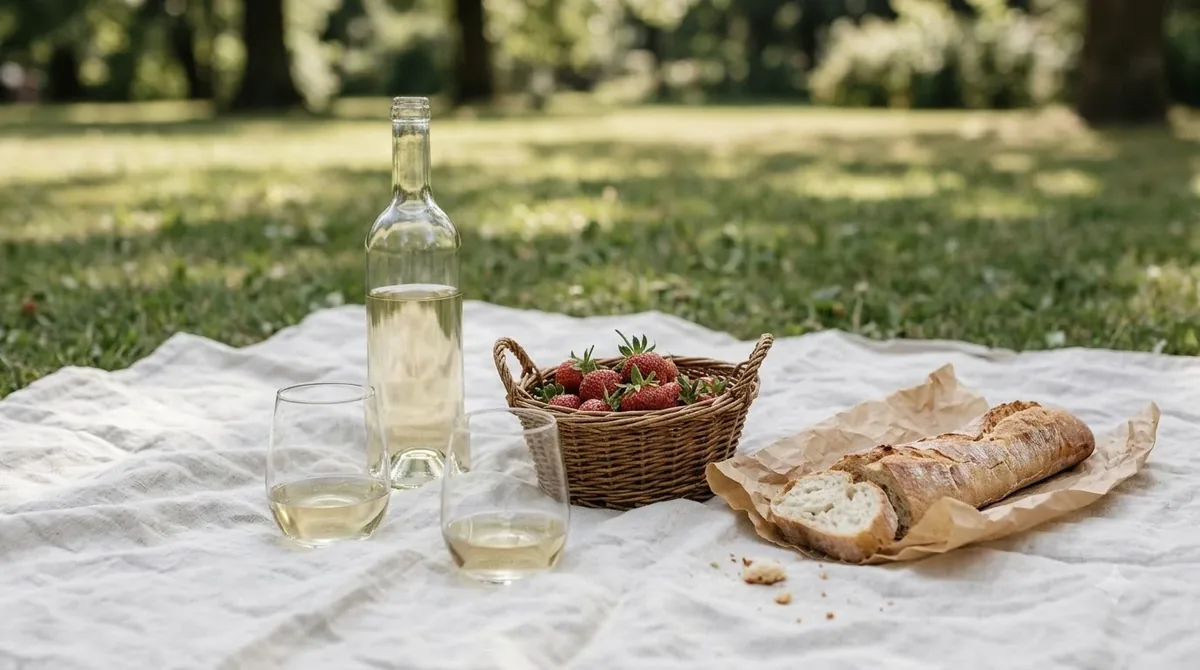
That physical grip is not the same as bitterness. Bitterness is a taste; astringency is a feeling on the tongue, gums, or cheeks. A white wine can be bitter without being very astringent, or feel grippy without tasting distinctly bitter. Those impressions may overlap, but separating them makes tasting descriptions more useful. Try asking whether the finish feels dry, tastes bitter, or does both.
It also helps to distinguish tannin from acidity. Acidity makes the mouth water and can give a wine a bright, lively character. Tannin creates friction or dryness. A lemony Sauvignon Blanc may feel sharp because of its acidity, not because it has a lot of tannin. A skin-contact white may feel broad and slightly rough even if it does not taste especially sour. When describing a glass, consider these sensations separately rather than using “dry” for all of them.
Where white wine tannins come from
Grapes contain tannin in their skins and seeds; stems and oak can contribute additional tannins during winemaking or aging. According to Decanter, grape variety, growing conditions, and winemaking choices all affect the amount and type present. For a typical white wine, early pressing separates juice from grape solids and limits extraction. Longer contact allows more material from skins and seeds to enter the liquid.
Washington State University distinguishes grape-derived condensed tannins, also called proanthocyanidins, from hydrolyzable tannins associated with oak. The distinction matters because “tannin” does not name one single compound with one uniform taste. Grape variety and the way the wine is handled influence the result. For instance, the time juice spends with skins is a different choice from whether the wine ages in a wooden barrel.
Figures can help put the difference between white and red wines in perspective, but they need context. The Washington State University primer gives a range for flavan-3-ols, a class that includes catechin and epicatechin associated with bitterness. The range is not a direct measurement of how grippy any particular bottle will taste. It covers compounds, not a universal tasting score.
| Measure in the WSU primer | White wine | Red wine |
|---|---|---|
| Reported flavan-3-ol range | 10–50 mg/L | Up to 800 mg/L |
| Estimated average in young wines | 25 mg/L | 75 mg/L |
These figures illustrate why white wines usually contain less of the cited compounds than reds. They do not mean every white wine has exactly 25 mg/L, nor do they describe total tannin by themselves. For a drinker, the useful takeaway is that white wine is not tannin-free by definition, but its production commonly reduces contact with the main grape sources. A wine made in a different style can depart from that familiar pattern.
How skin contact changes a white wine
Skin contact means that crushed white grapes or their juice remain with the skins for a period before or during fermentation. The usual white-wine approach is to press and separate the juice relatively early; skin-contact methods deliberately extend that contact. A few hours can influence the wine differently from days or weeks. Time, temperature, grape condition, and cellar decisions all shape the result, so “skin contact” does not point to a single fixed taste.
Wine Enthusiast notes that aromatic and semi-aromatic grapes such as Gewürztraminer and Riesling may be made with a period of skin maceration. Skin contact can bring more than tannin: it may change aroma, flavor, color, and the overall feel of the wine. The wine may look deeper yellow, amber, or orange, but color alone is not a reliable measure of how much tannin it contains. A pale wine can still have noticeable grip.
Orange wine is a familiar name for a style in which white grapes are made with extended skin contact, using an approach associated with red-wine production. These wines can show more structure and a drying finish than many conventional whites. Yet the category is broad: a lightly textured bottle and a strongly grippy one can both be called orange wine. Read the producer’s description for clues about skin contact and fermentation, and use the grape and serving suggestions to anticipate the wine’s weight.
Tip: If a white wine feels drying, take another small sip and notice where the sensation appears. A mouth-coating grip that lingers on the gums may suggest tannin; a sharp, mouthwatering sensation points more toward acidity, while a bitter finish is a taste that can occur alongside either one.
Oak, grape choice, and cellar decisions
Oak barrels can add tannins from the wood, as well as influence a wine’s texture and flavor. The result depends on the wine and how it is made; not every wine fermented or aged in oak will taste strongly tannic. Wine Enthusiast notes that new oak contributes its own tannins, which may overwhelm a wine that does not have enough weight to balance them. This is why oak character is best understood as a combination of choices rather than a simple yes-or-no label. For a concise explanation of tannin’s sources and sensory role, Wine Enthusiast’s tannin overview also distinguishes texture from bitterness and astringency.
Skin and seed contact is another winemaking decision, and the two sources can add different sensations. Seeds contain flavan-3-ols such as catechin and epicatechin, which the Washington State University primer connects with bitterness. Meanwhile, grape skins can contribute color and phenolic material. The final impression depends on how much contact occurs and how the wine is handled. A producer may choose a restrained approach for a fresh, light style or allow more extraction for a firmer one.
Grape variety also matters, but no grape guarantees a particular tannin level in every bottle. Wine Enthusiast points out that climate, ripeness, and extraction can change tannin character, including how structured or smooth it seems. Think of grape name as a starting clue, then consider the method and producer description. If you already enjoy exploring grape differences, a guide to Wine by Type can help place skin-contact whites alongside other styles and varieties.
Oak notes and tannin should not be treated as interchangeable clues. A wine may show aromas commonly associated with barrel aging without having a forceful drying finish. Conversely, a wine made with extended skin contact can feel structured even if its flavor does not suggest a prominent oak influence. Producers balance these choices with the grape’s natural character, the acidity they want to preserve, and the texture they are aiming for. Looking for a description of the winemaking method can tell you more than relying on a single aroma word.
How to taste, serve, and pair a grippy white
Begin by separating texture from flavor. Take a sip and notice whether your mouth waters, feels dry, or registers a bitter edge. Next, consider when the sensation arrives and how long it lasts. A light grip may appear near the finish, while a more assertive wine can coat the gums earlier. Tasting the wine with food can change its balance, so try a small sip both before and during a meal.
Food can soften or emphasize different elements. Salt and fat can soften the perception of tannin, while a very acidic dish generally works best with a wine of equal or higher acidity. For a skin-contact white with noticeable grip, consider savory food with some richness rather than a dish built around delicate, oily fish, which can clash with tannic structure. Matching intensity also helps: a strongly textured wine can stand up to a more substantial plate, while a light white is more easily overwhelmed.
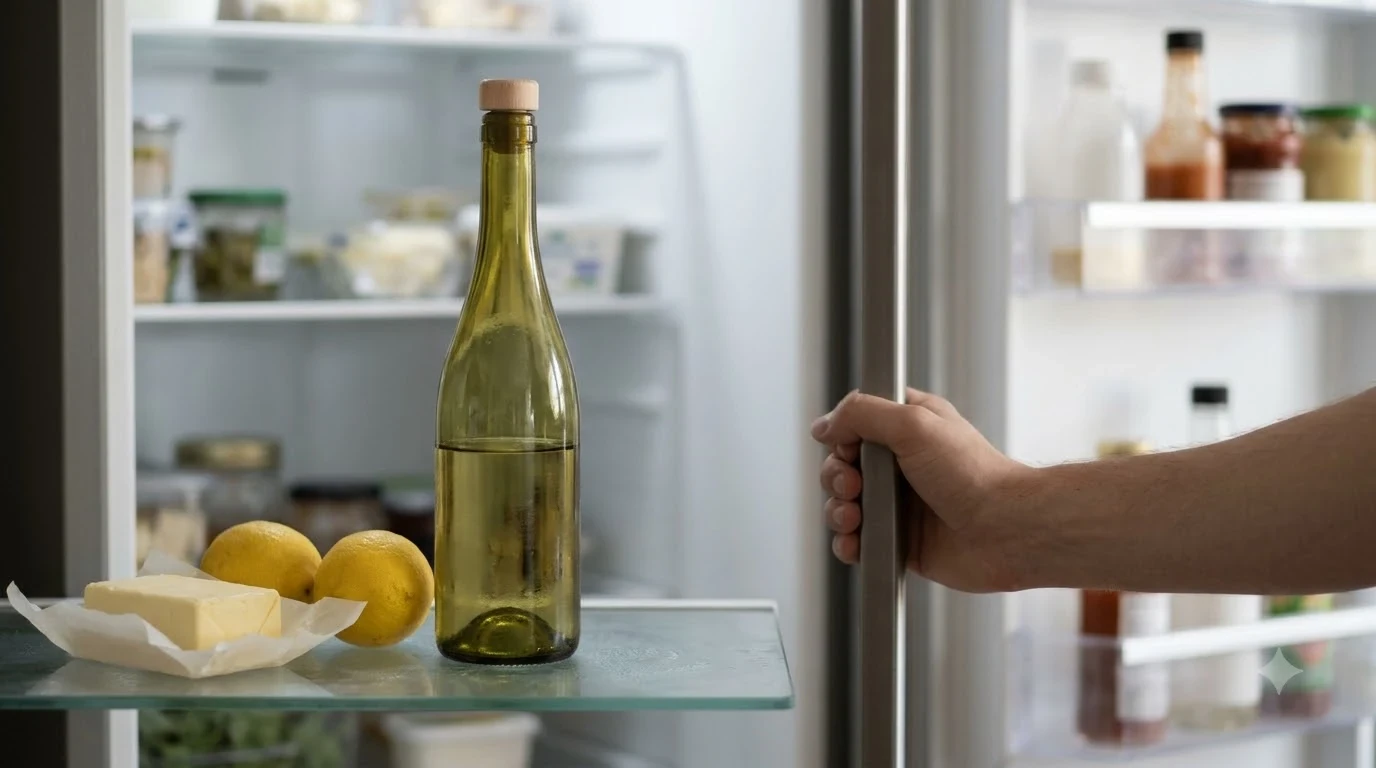
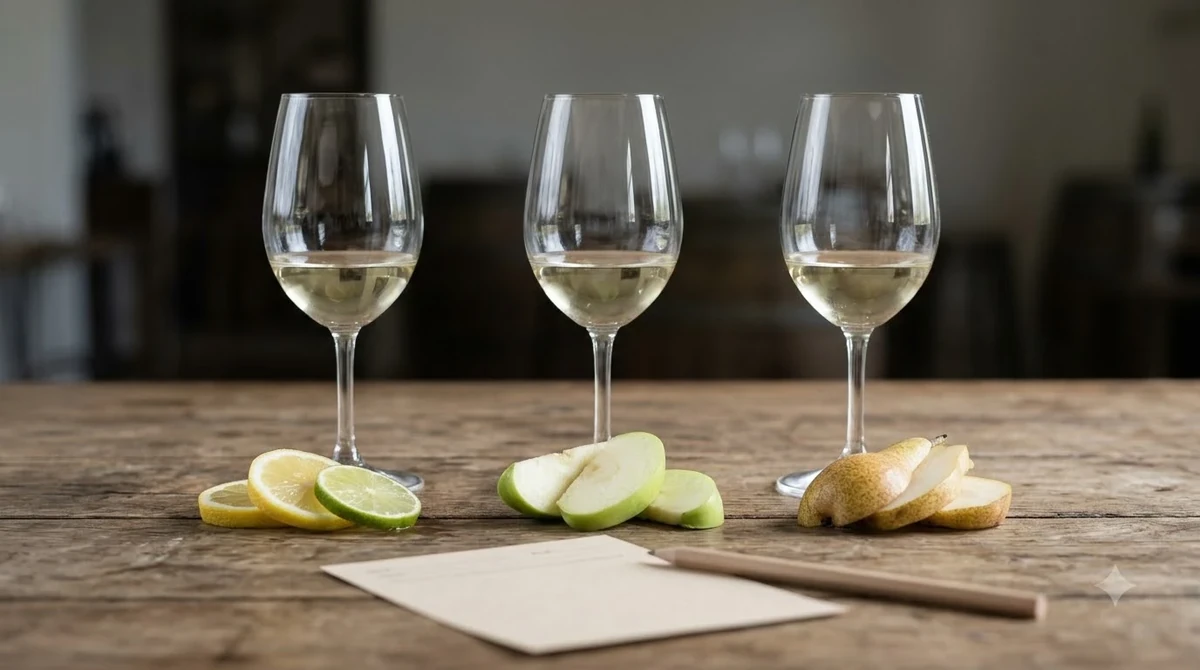
Serve the wine cool, but not so cold that its texture and aroma become hard to notice. A light white or rosé is commonly served around 45–50°F; a fuller white is typically served at 50–55°F. If you are comparing styles, pour a small amount of each at a similar temperature and taste them side by side. You might contrast a conventional aromatic white with a skin-contact bottling, then note which one feels more grippy and which seems more driven by acidity.
For a wine that seems firm on its own, a meal can make its balance clearer. Try it with food that has some salt or fat, then reassess the finish. Pairings are not rigid rules: the wine’s acidity, body, and intensity matter alongside tannin. If you are planning a fruit-forward wine drink, a recipe for Pinot Noir sangria offers a contrasting red-wine direction; it is a different style rather than a substitute for a textured white.
Choosing a bottle and setting expectations
Start with the style you want. If you prefer a clean, light, refreshing white, look for descriptions that emphasize crispness, freshness, or minimal skin contact. If you want more texture, search for terms such as skin-contact, amber, orange, structured, or grippy. These descriptions are clues, not guarantees. A producer’s note about fermentation and aging can clarify whether the wine spent time with skins or oak.
Think about what you already enjoy. Someone who likes firm black tea or the structure of a red wine may be curious about an orange wine with noticeable grip; someone who favors bright, delicate whites may prefer a style with limited skin contact. Tannin is only one part of the choice. Aromas, acidity, body, and the food planned for the bottle should guide the decision too. If exploring other textured wine styles interests you, Recioto wine is a useful example of how sweetness can define a very different experience.
Do not assume that a dry taste means the wine is high in tannin. A wine may feel lean because of acidity, or finish bitter because of phenolic compounds, without showing pronounced astringency. Conversely, a wine can feel grippy while retaining fruit and freshness. Use a few simple observations—mouthwatering or drying, bitter or not, light or weighty—to describe what you notice. That vocabulary is more reliable than trying to infer the whole winemaking process from one sip.
When buying for a meal, consider the wine and the food together rather than selecting by color or grape name alone. A lively white with high acidity may suit a bright, tangy dish, while a fuller skin-contact wine can handle more savory flavors. If the meal includes a dessert, choose a wine at least as sweet as the food so that the wine does not seem harsh or sour by comparison. These basic matching points let texture guide the choice without turning tannin into the only factor.
Frequently Asked Questions
Do white wines naturally have tannins?
Yes. White grapes contain phenolic compounds, including tannins, but common white-wine production limits how much is extracted from skins and seeds. The variety and cellar method influence what remains in the finished wine.
Does oak-aged white wine always taste tannic?
No. Oak can contribute tannins, but the effect depends on the barrel and the wine. Oak-aged aromas such as vanilla or toast do not, by themselves, prove that a wine will feel strongly astringent.
Is orange wine made from oranges?
No. Orange wine is made from white grapes, and its amber or orange-toned color can develop through contact with grape skins. It is a winemaking style, not a wine made with citrus fruit.
Can tannin make a white wine seem bitter?
It can contribute to a bitter impression, but bitterness and astringency are distinct sensations. Washington State University identifies catechin and epicatechin among the flavan-3-ols associated with bitterness, while tannin is commonly recognized by its drying, tactile grip.
Does a white wine need tannin to age well?
No. White wines can mature successfully without substantial tannin. Wine Enthusiast notes that tannin is not a requirement for a white wine to reach maturity; a bottle’s aging potential depends on more than this one component.
White wine tannins are usually subtler than the structure found in many reds, but skin contact and oak can make them easier to notice. Once you separate grip from acidity and bitterness, it becomes simpler to choose a style that suits your palate and meal. Start with a conventional white and a skin-contact example to discover which texture you enjoy.
More in Wine Types & Grapes
 Zinfandel Sugar Content: Dry Red vs. White Zinfandel GramsUpdated Nov 21, 2026
 Best Zinfandel Substitute Options for Sipping and CookingUpdated Nov 21, 2026
 Zweigelt Food Pairing: Best Dishes, Cheeses, and Serving TipsUpdated Nov 21, 2026
 Zinfandel Tannins Explained: How Structure Shapes Every BottleUpdated Nov 21, 2026
 Zinfandel Sweetness Level: Dry Red vs. Sweet White Zin ExplainedUpdated Nov 21, 2026
 Xinomavro Food Pairing: Best Dishes, Styles, and Serving TipsUpdated Nov 21, 2026