

We may earn a commission when you buy through links on this page, at no extra cost to you. Learn more.
This frescobaldi wine review finds that Frescobaldi is a strong choice for buyers seeking authentic Tuscan wines, with options ranging from approachable Chianti and fresh whites to structured Brunello di Montalcino. Its portfolio covers multiple estates, grape varieties, and wine styles, making it suitable for both everyday meals and more formal occasions. The best bottle depends on whether you prefer bright Sangiovese fruit, fuller Merlot-based reds, refreshing Chardonnay, or traditional sparkling wine.
Choosing a bottle from Frescobaldi requires looking beyond the family name on the label. The producer’s different Tuscan estates have distinct locations, grape varieties, and winemaking approaches. A Chianti Rufina Riserva offers a different experience from a Brunello di Montalcino, while wines from Castello Pomino provide an alternative for drinkers who prefer white wine. Understanding these differences makes it easier to select a bottle that matches your taste, menu, and occasion.
Who This Is For: Understanding the Frescobaldi Portfolio
Frescobaldi is particularly appealing to wine drinkers who want to explore Tuscany through a producer with several distinct estate identities. Its range includes accessible regional wines, Sangiovese-centered bottles, international grape varieties, and more ambitious estate selections.
The portfolio suits several types of buyers. Someone who regularly drinks Chianti can start with Nipozzano Riserva or Tenuta Perano, while a collector interested in Montalcino can explore CastelGiocondo Brunello. White wine drinkers have another entry point through Castello Pomino, where Chardonnay and Pinot Blanc are important varieties. There is also sparkling wine for people who want an Italian alternative to Champagne.
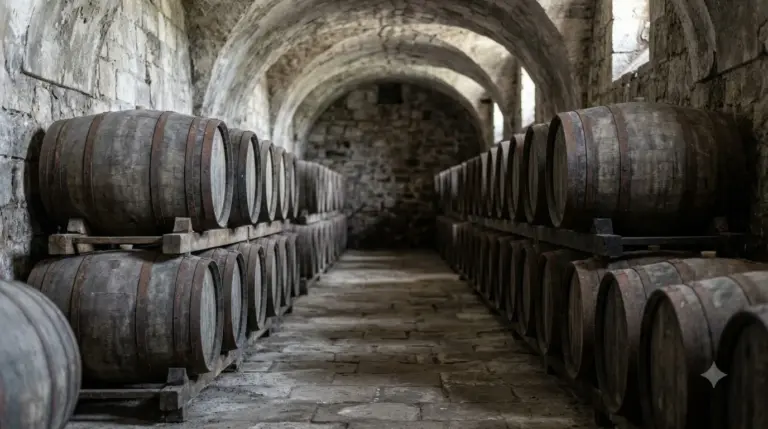
The company’s history is closely connected to Tuscany. Frescobaldi traces its winemaking tradition back approximately 700 years, and its official estate portfolio includes properties in different parts of the region. These locations matter because Tuscany is not a single uniform wine-growing environment. Chianti Rufina, Chianti Classico, Montalcino, and Pomino each provide different conditions and regional identities.
This makes Frescobaldi particularly useful for people who enjoy comparing regional expressions instead of buying the same grape variety from one location. The producer’s wines can also serve as an introduction to important Tuscan categories, including Chianti, Chianti Classico, Brunello di Montalcino, and Toscana IGT.
However, buyers should not assume every bottle will have the same body, acidity, tannin level, or aging potential. A youthful Sangiovese-based red and a mature, oak-influenced Brunello are different drinking experiences. Selecting by estate, appellation, and grape variety is more useful than relying on the producer’s name alone.
Key Factors to Compare When Buying Frescobaldi Wine
The most useful comparisons are grape variety, appellation, body, tannin, acidity, and winemaking approach. These characteristics determine whether a bottle will suit a casual dinner, a rich meat dish, or a slower evening with aged cheese.
Start by identifying the principal grape. Sangiovese is central to several of Frescobaldi’s important Tuscan reds, including its Nipozzano and CastelGiocondo expressions. It generally provides lively acidity, red cherry flavors, and noticeable tannins. Merlot-based wines such as Lamaione offer a different direction, with a fuller texture and softer tannins. Cabernet Sauvignon and other international varieties appear in some estate wines, contributing additional structure and darker fruit characteristics.
Next, compare the appellation. Chianti Rufina and Chianti Classico are both Tuscan wine categories, but they should not be treated as interchangeable. Brunello di Montalcino is a separate appellation associated with Sangiovese and a more demanding aging framework. A Toscana IGT wine can offer greater flexibility in grape composition, depending on the particular bottling.
The following table provides a practical comparison of important Frescobaldi wines and categories. The grape descriptions are intended as general buying guidance, while individual blends and vintage details can differ.
| Wine or category | Estate or origin | Main grape direction | Typical drinking profile | Best use |
|---|---|---|---|---|
| Nipozzano Riserva | Chianti Rufina | Sangiovese-led blend | Medium to full body, fresh acidity | Roast meats and pasta |
| Montesodi | Castello Nipozzano | 100% Sangiovese | Structured, expressive, and savory | Grilled beef and aged cheese |
| Mormoreto | Castello Nipozzano | International varieties | Fuller, darker-fruited style | Rich meat dishes |
| Tenuta Perano | Chianti Classico | Sangiovese-focused | Fresh, structured, and balanced | Italian food and roast poultry |
| CastelGiocondo Brunello | Montalcino | Sangiovese | Structured, concentrated, and age-worthy | Slow-cooked beef and lamb |
| Lamaione | Tenuta CastelGiocondo | Merlot | Full-bodied and rounded | Steak and rich sauces |
| Pomino Bianco | Castello Pomino | Chardonnay and other white varieties | Fresh and aromatic | Fish and poultry |
| Cuvée Voyage | Frescobaldi sparkling range | Chardonnay and Pinot Noir | Fresh, lively, and sparkling | Celebrations and appetizers |
Production choices are another important factor. Frescobaldi describes Nipozzano Riserva as undergoing fermentation in temperature-controlled stainless steel tanks, followed by maturation in barriques and additional bottle aging. Tenuta Perano Riserva, by comparison, is aged in Slavonian oak barrels for 24 months. These methods contribute to different textures and aromatic profiles.
For a useful independent reference, Wine Enthusiast’s Nipozzano Riserva review describes a vintage with tart cherry, berry, leather, and slate-chalk characteristics. Although that assessment concerns an older vintage rather than every current bottle, it illustrates the traditional Chianti Rufina profile that buyers can look for.
Step-by-Step: How to Choose the Right Frescobaldi Bottle
A reliable purchase starts with the occasion and food, followed by grape variety, appellation, and vintage. This simple process helps prevent buying an expensive, structured red when a lighter wine would work better.
-
Decide when you will drink the wine.
For an informal dinner, begin with an accessible Chianti or a fresh Pomino white. For a special meal, consider CastelGiocondo Brunello, Montesodi, or Mormoreto. The intended occasion helps narrow the selection before you compare individual labels.
-
Choose between red, white, and sparkling styles.
Red wines are the natural starting point for buyers interested in traditional Tuscan food pairings. Chardonnay-based whites offer a more refreshing alternative, while Cuvée Voyage provides a sparkling option for celebrations and aperitifs.
-
Match the grape to your preferred structure.
Choose Sangiovese if you enjoy bright acidity, cherry fruit, and noticeable tannins. Merlot is a sensible alternative if you prefer a rounder, softer texture. Cabernet Sauvignon-based blends can be suitable for drinkers who appreciate more pronounced structure and darker fruit.
-
Compare the appellations.
Look at Chianti Rufina for a Sangiovese-centered Tuscan experience, Chianti Classico for another important regional interpretation, and Brunello di Montalcino for a more substantial Sangiovese category. Toscana IGT wines can offer different combinations of traditional and international grapes.
-
Consider maturation and vintage.
Oak aging can contribute spice, toasted notes, and additional texture. A younger release may emphasize primary fruit and freshness, while a wine with extended maturation may have a more developed profile. For Brunello, also consider whether you want to open the bottle relatively early or allow further bottle development.
-
Match the bottle to the menu.
Pair Sangiovese with tomato-based pasta, roast chicken, lamb, and grilled beef. Select Chardonnay-based white wine for poultry, seafood, and vegetable dishes. A richer Merlot-based red can accompany steak, mushroom dishes, and slow-cooked meat.
-
Choose the appropriate serving conditions.
Serve structured reds slightly cooler than a warm room, and chill whites enough to preserve their freshness. Allow a young, full-bodied red approximately 30 to 60 minutes in a decanter when additional aeration is useful.
This method works whether you are buying your first Frescobaldi bottle or comparing several estates. It also provides a straightforward way to narrow a large selection without assuming that the most expensive or prestigious wine will automatically be the most enjoyable.
Tip: If you are new to Frescobaldi, start with a Sangiovese-based wine such as Nipozzano Riserva before moving to Brunello or more concentrated estate selections. It provides a useful introduction to Tuscan acidity, cherry fruit, and tannin structure.
Types and Styles Explained: From Chianti to Brunello
Frescobaldi’s wines are best understood through their regional styles rather than as one consistent house blend. The main distinctions include Sangiovese-driven reds, international-variety wines, white wines, and traditional-method sparkling wine.
Chianti Rufina and Nipozzano Riserva
Castello Nipozzano is one of the producer’s most recognizable Tuscan estates. Its Nipozzano Riserva is a useful starting point for understanding the Frescobaldi approach to Sangiovese. The wine combines Sangiovese with complementary varieties, and the producer describes its profile in terms of fresh fruit, flowers, spice, and balanced tannins.
The 2022 technical information lists an alcohol content of 13.5%. Its tasting description includes red and black berries, citrus, violet, rose, and spice. These characteristics suggest a wine that can accompany food rather than one that depends entirely on concentrated fruit or heavy oak.
Montesodi and Sangiovese
Montesodi offers a more focused way to explore Sangiovese. Frescobaldi identifies it as a single-vineyard expression associated with a cru established in 1974. Its position within the Nipozzano portfolio makes it an interesting choice for drinkers who want to compare a more specifically defined Sangiovese expression with the estate’s Riserva.
Expect Sangiovese’s characteristic combination of acidity, red fruit, and tannin to play an important role. This style is particularly suitable for grilled meats, tomato-based dishes, and aged Tuscan cheeses. Buyers who enjoy traditional Italian reds may find this category especially rewarding.
Brunello di Montalcino and CastelGiocondo
CastelGiocondo is Frescobaldi’s Montalcino estate, and its Brunello is produced from selected Sangiovese grapes. Brunello di Montalcino is a prestigious appellation with specific production and maturation requirements. It generally offers more concentration and structure than an uncomplicated young Tuscan red.
This is a category for drinkers who enjoy wines with depth, substantial tannins, and the ability to develop over time. A bottle can be paired with roast lamb, braised beef, and aged hard cheeses. Campo ai Sassi, also from the CastelGiocondo estate, provides a younger and more approachable Sangiovese alternative.
Merlot and International Blends
Not every Frescobaldi red is built around Sangiovese. Lamaione is identified by the producer as a Merlot expression, with the clay characteristics of its vineyard contributing to its identity. Mormoreto, meanwhile, represents the international-variety tradition at Castello Nipozzano.
These wines are useful alternatives for people who prefer fuller-bodied reds or who already enjoy Bordeaux-style grape combinations. Merlot generally has softer tannins than Cabernet Sauvignon, while Cabernet Sauvignon contributes more pronounced tannin and structure. The precise blend and vintage influence the finished character.
White Wines from Pomino
Castello Pomino is a useful part of the portfolio for white wine drinkers. Its location east of Florence and its higher-altitude vineyards help explain why this estate has a distinct identity within the Frescobaldi range. Chardonnay and Pinot Blanc are among the varieties associated with its white wines.
Chardonnay generally has medium acidity, making it flexible with roasted poultry, creamy pasta, and moderately rich seafood dishes. Pomino whites are a sensible alternative for buyers who want Tuscan regional character without choosing a red wine.
Sparkling Wine and Other Bottlings
Frescobaldi also produces sparkling wine, including Cuvée Voyage Metodo Classico Brut. This style is made using the traditional bottle-fermentation approach, which differs from the tank method commonly associated with Prosecco. Chardonnay and Pinot Noir are identified in the producer’s description of the sparkling range.
There are also rosé and other regional wines within the wider portfolio. Buyers looking for something lighter can explore these styles rather than assuming Frescobaldi is exclusively a red wine producer. For a broader introduction to the producer’s labels and regional categories, the Frescobaldi wine selection provides another useful starting point.
Common Mistakes When Buying Frescobaldi Wine
The most frequent purchasing mistakes involve treating every Tuscan red as equivalent, overlooking grape composition, and confusing prestige with personal preference. Understanding the differences between two or three major appellations can prevent most of these errors.
One mistake is assuming that all Chianti wines have the same structure. Nipozzano Riserva from Chianti Rufina and Tenuta Perano from Chianti Classico come from different estate environments. Their shared Sangiovese foundation does not make them identical. Soil, altitude, vintage conditions, blending decisions, and maturation all influence the finished wine.
Another mistake is buying Brunello simply because it is a prestigious name. Brunello di Montalcino is generally a more structured wine category, and its tannins and maturation profile may be unnecessary for someone who wants a casual bottle for pizza or a quick weeknight meal. A more approachable Chianti or Rosso di Montalcino can be a better match for that situation.
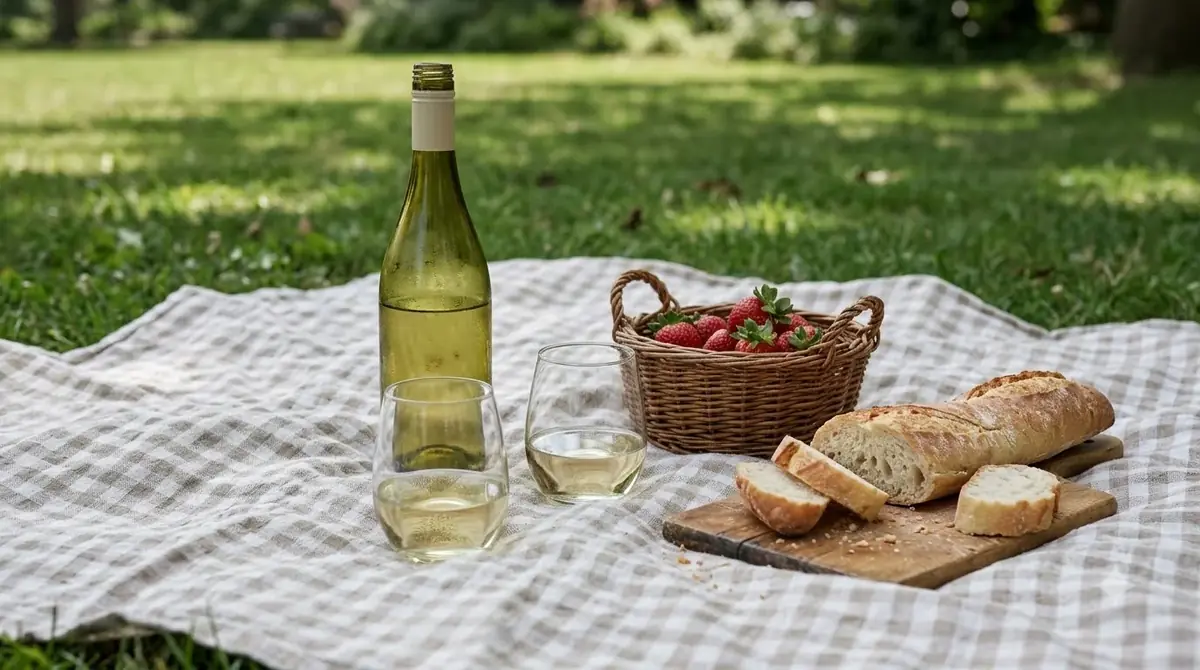
Buyers can also overlook white wines because Frescobaldi is strongly associated with Tuscany’s red wine heritage. Castello Pomino offers a distinct white wine identity, and its Chardonnay-based bottlings can work well with fish, roast chicken, and lighter dishes. Someone shopping for a summer lunch should not automatically limit the search to red bottles.
Another common error is expecting Merlot, Cabernet Sauvignon, and Sangiovese to taste alike. Sangiovese typically emphasizes acidity and savory red fruit. Merlot is usually softer in tannin, while Cabernet Sauvignon generally brings more substantial tannic structure. The difference matters when matching wine with food and choosing the preferred drinking texture.
Finally, do not assume every wine needs extended decanting or long-term cellaring. A youthful, approachable red may be enjoyable with little preparation, while a concentrated Brunello may benefit from more air and careful serving. Consider the wine’s style and intended drinking period rather than following one rule for the entire brand.
For buyers deciding between the red and white categories, the Frescobaldi red wine range and Frescobaldi white wine selection provide useful ways to narrow the choice according to grape and style.
Care and Storage Tips for Frescobaldi Bottles
Good storage and serving conditions help preserve the characteristics of Frescobaldi wines. Temperature, light exposure, bottle position, and the time between opening and drinking all influence how the wine performs.
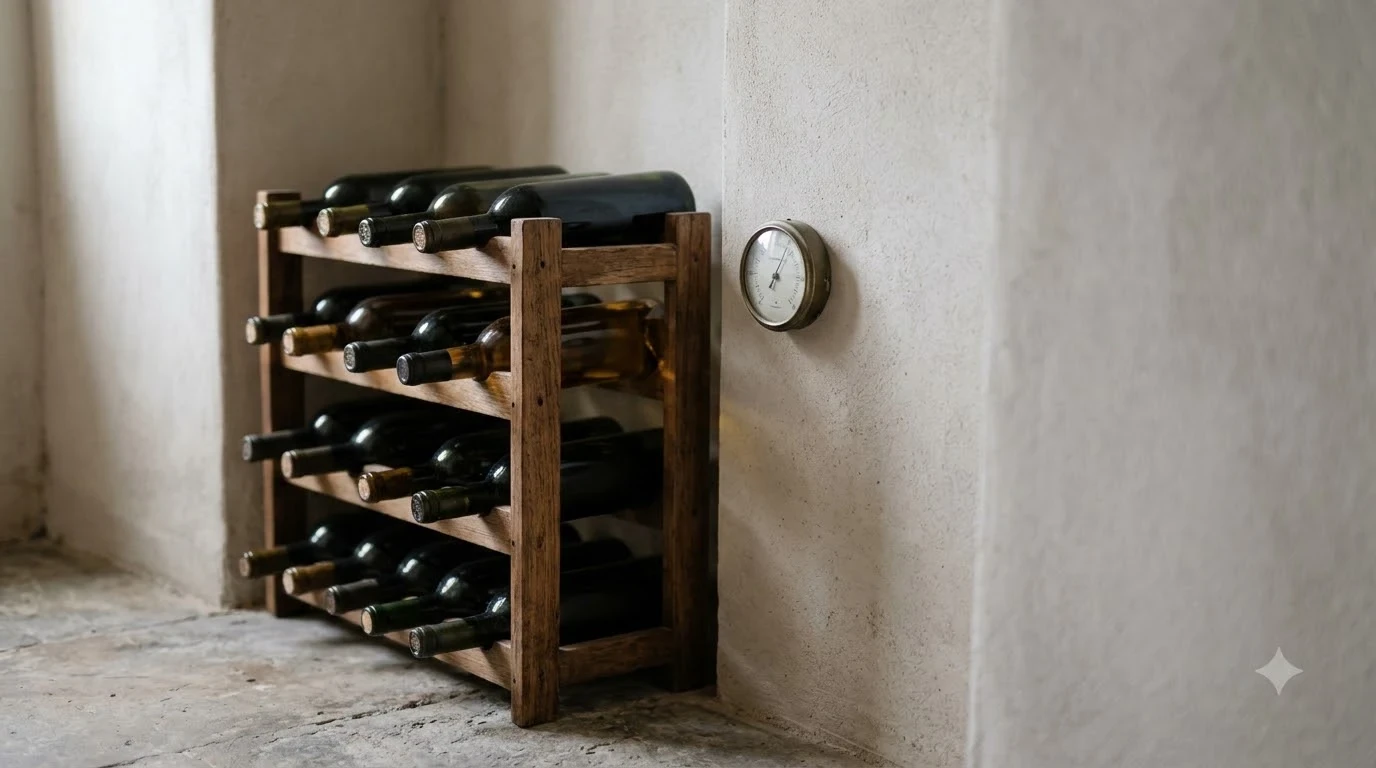
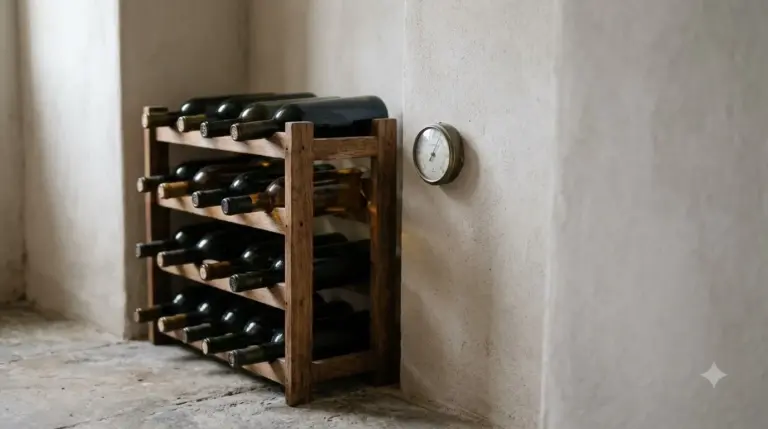
For storage, keep bottles in a cool, dark environment with relatively stable conditions near 55 degrees Fahrenheit. Bottles with natural cork closures are generally best stored on their sides to help keep the cork from drying out. Avoid direct sunlight, kitchen heat, and repeated temperature fluctuations, which can accelerate unwanted changes in wine.
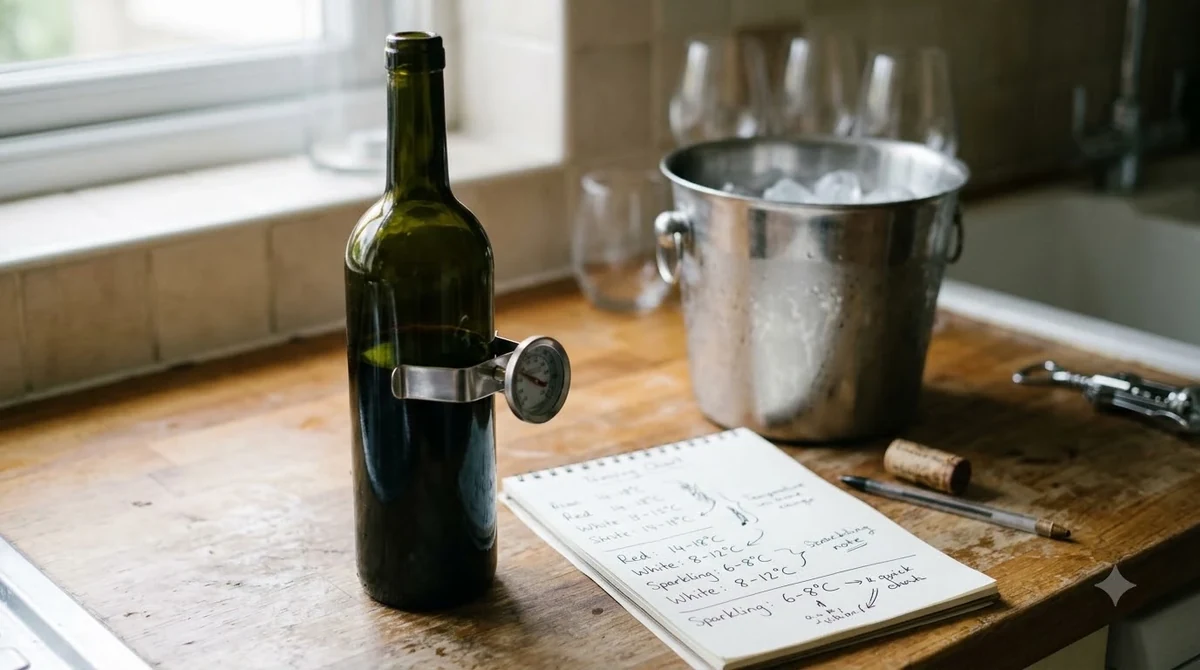
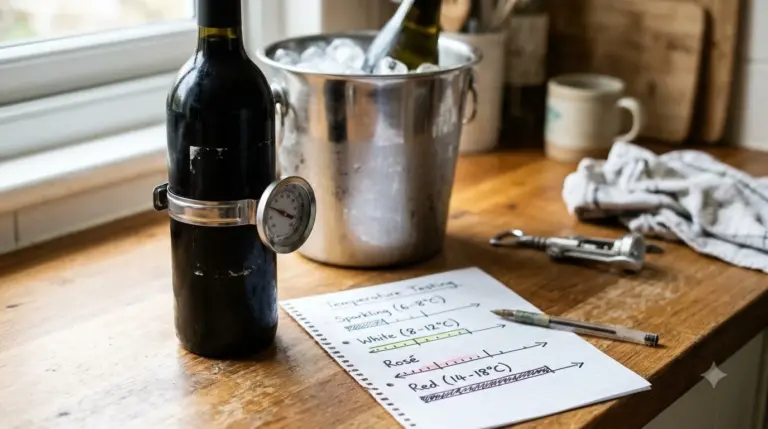
Serving temperature should reflect the wine’s style. Light-bodied whites and rosé generally show best around 45 to 50 degrees Fahrenheit, while fuller-bodied whites such as richer Chardonnay styles are better around 50 to 55 degrees. Sparkling wine is usually served around 40 to 50 degrees.
Red wine should not automatically be served at a warm room temperature. Light reds are generally more enjoyable around 55 to 60 degrees, while fuller-bodied reds are best around 60 to 65 degrees. A structured Brunello or concentrated Mormoreto can lose some freshness if served too warm.
Decanting can help young, full-bodied red wines open up. Allow approximately 30 to 60 minutes for a young, structured red when additional aeration is appropriate. Older wines may require more careful handling because prolonged exposure to oxygen can reduce their freshness. Taste the wine periodically rather than automatically leaving every bottle open for the same length of time.
After opening, refrigerate unfinished still wine and use a suitable closure. Most opened still wines remain enjoyable for approximately three to five days, depending on their structure, age, and storage conditions. Sparkling wines generally retain their best qualities for around one to three days when properly sealed and refrigerated.
Serving size also helps with planning. A standard 750 ml bottle provides approximately five 5-ounce glasses. For a dinner involving four people, one bottle may be sufficient for a modest serving, while a longer meal or tasting with multiple wines may require additional bottles.
These practices are especially useful when purchasing premium bottles intended for a special dinner. Proper handling will not turn an ordinary wine into a great one, but poor storage and excessive serving temperature can make a good bottle less enjoyable.
Frequently Asked Questions
Is Frescobaldi considered a family-owned wine producer?
Frescobaldi’s official history connects the wine business with the Marchesi de’ Frescobaldi family and its long-standing Tuscan winemaking tradition. The producer’s historical narrative identifies the family as central to the estate’s development. Its wine portfolio includes several properties rather than relying on a single vineyard location.
What does the name Nipozzano mean in the Frescobaldi portfolio?
Nipozzano refers to the historic estate associated with Castello Nipozzano in Chianti Rufina. The estate’s historical wine documentation extends back to the Renaissance, when artists including Donatello and Michelozzo Michelozzi purchased its wines. It is also the home of several distinct labels, including Montesodi and Mormoreto.
Does Frescobaldi produce wines outside Tuscany?
Yes. The wider Frescobaldi wine portfolio includes Attems wines from Friuli, including Ribolla Gialla, Sauvignon, and Pinot Grigio. This gives the producer a presence beyond its better-known Tuscan estates. Buyers interested in northern Italian white wines can therefore explore a different side of the portfolio.
What is the difference between Chianti Rufina and Chianti Classico in terms of geography?
Chianti Rufina is located northeast of Florence, while Chianti Classico occupies the historic wine-growing territory between Florence and Siena. Both appellations have strong connections with Sangiovese, but their geographical boundaries and individual production identities differ. Frescobaldi represents both areas through Nipozzano and Tenuta Perano.
Is Frescobaldi involved in any unusual wine projects?
One distinctive project is Gorgona, developed through a collaboration between Frescobaldi and the Gorgona Penal Institute. The project involves wine production on the island by inmates working within the initiative. It is a different undertaking from the producer’s traditional mainland Tuscan estates.
Frescobaldi offers a broad introduction to Tuscan wine, from approachable Sangiovese-based Chianti to structured Brunello, Merlot-based reds, aromatic whites, and traditional-method sparkling wine. For most first-time buyers, Nipozzano Riserva is a practical starting point, while CastelGiocondo, Montesodi, and Mormoreto offer interesting directions for more specialized preferences. Compare the estate, grape variety, appellation, and intended occasion to find the bottle that best fits your table.
More in Wine Brands
 McGuigan Wine Review: Find the Right Australian Bottle for Your TasteUpdated Nov 21, 2026
 Mer Soleil Wine Price: Compare Bottles and Find the Right ChardonnayUpdated Nov 21, 2026
 Masi Costasera Wine Price: What to Expect Before You BuyUpdated Nov 21, 2026
 McGuigan Wine Price: Compare Bottles and Find the Right ValueUpdated Nov 21, 2026
 Matua Wine Review: Find the Right New Zealand Wine for Your TasteUpdated Nov 21, 2026
 Meerlust Wine Price: Compare Bottles and Find Your FitUpdated Nov 21, 2026