


We may earn a commission when you buy through links on this page, at no extra cost to you. Learn more.
Frescobaldi white wine includes elegant Tuscan selections such as Pomino Bianco and Benefizio Riserva, made primarily from Chardonnay and Pinot Blanc or Chardonnay alone. These wines come from the cooler, elevated vineyards of the Pomino area near Florence, where mountain conditions help preserve freshness and aromatic character. Pomino Bianco offers a balanced combination of citrus, flowers, and mineral notes, while Benefizio Riserva delivers a richer Chardonnay style with oak, spice, and creamy texture. The best choice depends on whether you prefer a refreshing everyday white or a more structured wine for a special meal.
Frescobaldi is a historic Tuscan wine producer whose portfolio includes reds, whites, sparkling wines, and sweet wines. Although Tuscany is widely associated with Sangiovese and other red varieties, the family’s white wines demonstrate how suitable high-altitude vineyards can produce expressive, balanced whites. Understanding the differences between the principal bottles, their grape varieties, and their production methods makes choosing a Frescobaldi white much easier.
Frescobaldi White Wine and Its Tuscan Origins
Frescobaldi’s white wine identity is closely connected to Castello Pomino, an estate in the mountainous countryside east of Florence. The area’s elevation, cooler temperatures, and distinctive growing conditions provide an environment particularly suited to Chardonnay and Pinot Blanc. These conditions help explain why Pomino has become an important part of the producer’s white wine portfolio.

The Pomino area lies approximately 30 kilometers east of Florence, in the foothills of the Apennines. According to Frescobaldi, the vineyards reach elevations of approximately 700 meters. The combination of altitude and substantial differences between daytime and nighttime temperatures creates growing conditions that help preserve grape freshness and aromatic development.
Chardonnay and Pinot Blanc have been cultivated in Pomino since 1855. This long-standing relationship with international white varieties distinguishes the area from many better-known Tuscan wine districts, where red grapes dominate vineyard plantings. The mountain environment also provides a useful contrast with the warmer coastal vineyards of southern Tuscany.
Castello Pomino has a documented history extending back several centuries. Frescobaldi identifies 1500 as the year the castle was built. In 1716, the territory was among the four Tuscan areas identified by Grand Duke Cosimo III de’ Medici for the particular quality of their wine production, alongside Chianti, Carmignano, and Val d’Arno di Sopra.
Pomino is also a recognized DOC appellation. The designation identifies wines produced according to specific regional requirements rather than simply describing a grape variety or general Italian origin. Pomino Bianco is therefore an expression of both its grape varieties and its geographical identity.
The regional regulations provide flexibility in the composition of Pomino Bianco. Chardonnay, Pinot Bianco, and Pinot Grigio must collectively account for at least 70% of the blend, while other eligible Tuscan white varieties may account for up to 30%. Frescobaldi’s standard Pomino Bianco, however, is presented as a Chardonnay and Pinot Blanc blend.
This distinction matters when comparing different bottles carrying the Pomino designation. The appellation establishes the production framework, while the individual producer determines the precise blend and winemaking approach within the permitted rules. Frescobaldi’s interpretation emphasizes aromatic clarity, freshness, and restrained use of oak.
The Main Frescobaldi White Wine Bottles
Two particularly important wines to understand are Pomino Bianco DOC and Benefizio Riserva DOC. Both come from the Pomino area, but their grape composition, fermentation methods, and resulting textures give them different personalities. Knowing these distinctions is the easiest way to select a bottle that suits your preferences.
Pomino Bianco DOC
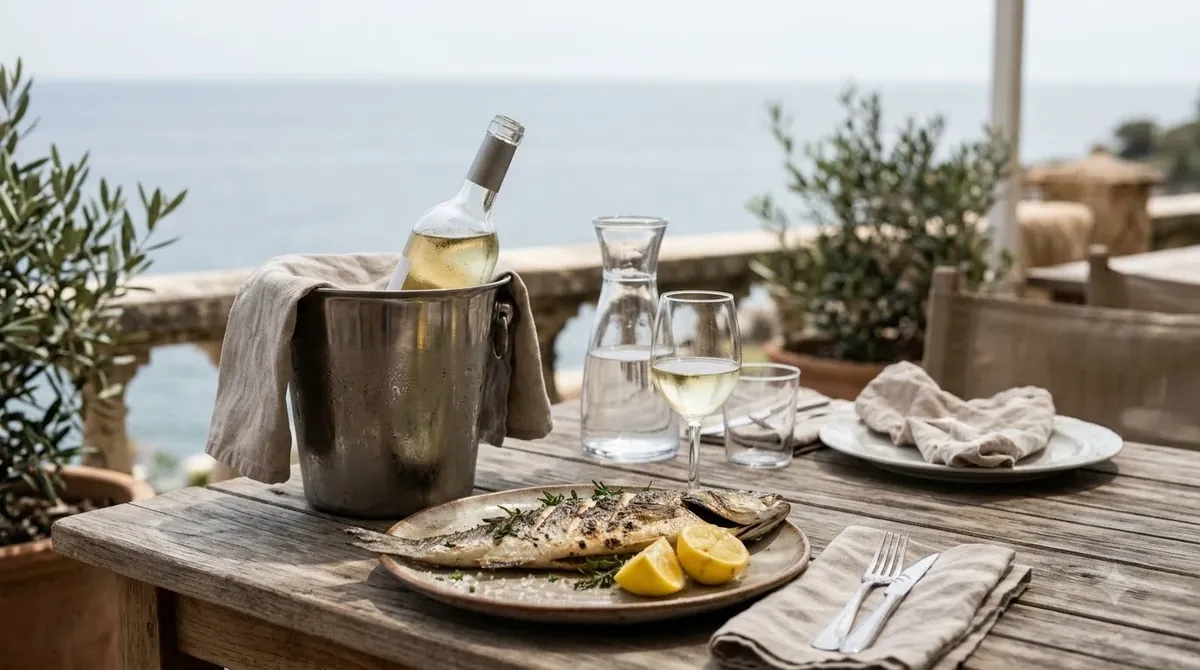
Pomino Bianco is the accessible expression of Frescobaldi’s mountain-grown white wine tradition. Made from Chardonnay and Pinot Blanc, it combines the recognizable fruit character of Chardonnay with the floral and delicate qualities associated with Pinot Blanc.
The producer describes the wine as fresh, savory, and mineral, with citrus and white flower aromas. Its production combines stainless steel fermentation with a small proportion of French oak barriques. This approach provides some additional texture without making oak the dominant feature.
The 2025 vintage is listed at 12.5% ABV by Frescobaldi. That alcohol level, together with its citrus-oriented character and refreshing profile, makes Pomino Bianco a natural choice for seafood, vegetable dishes, and lighter meals. The producer’s official Pomino Bianco description and technical information provide further details about its fermentation, maturation, and tasting characteristics.
Benefizio Riserva DOC
Benefizio Riserva represents a more concentrated and oak-influenced interpretation of Chardonnay. Unlike Pomino Bianco, which combines two principal varieties, Benefizio is made from Chardonnay and receives a much more substantial barrel treatment.
The wine has a particularly interesting history. Frescobaldi traces the birth of the Benefizio vineyard wine to 1973, when Chardonnay from a vineyard approximately 700 meters above sea level became the foundation for this distinctive Tuscan white.
Benefizio undergoes fermentation in French oak barriques, with 50% new barrels and 50% first-fill barrels in the producer’s described method. Partial malolactic fermentation and aging on the lees contribute to its texture, complexity, and integrated oak character.
Its aromatic profile includes citrus, orange blossom, white flowers, ripe fruit, spice, and honeyed notes. These characteristics make Benefizio particularly suitable for diners who enjoy a more structured Chardonnay rather than a very light, neutral white wine.
Other Frescobaldi White Wine Choices
The wider Frescobaldi portfolio includes additional white wines from different Tuscan growing areas. Albizzia, for example, is a Chardonnay-based Toscana IGT wine. It offers another way to explore the producer’s approach to white wine without limiting the choice to Pomino.
Masso Vivo provides a different varietal direction. Associated with Tenuta Ammiraglia in Maremma, it is made from Vermentino, a grape particularly well suited to coastal Mediterranean conditions. Its citrus and fruity character provides an interesting contrast with the Chardonnay-focused wines from Pomino.
These bottles demonstrate that Frescobaldi white wine is not one uniform style. The producer works with different grapes and vineyard environments, creating options ranging from fresh, fruit-driven whites to more substantial, barrel-influenced Chardonnay.
Grape Varieties and Winemaking Differences
The grapes and cellar techniques explain much of the difference between Frescobaldi’s principal white wines. Chardonnay provides structure and versatility, while Pinot Blanc contributes a more delicate aromatic dimension. Vermentino offers a separate Mediterranean expression within the wider portfolio.
Chardonnay: Structure and Versatility
Chardonnay is the central variety in both Pomino Bianco and Benefizio Riserva. Its character can vary considerably according to climate, harvest conditions, fermentation vessels, and aging decisions. In a cooler vineyard environment, Chardonnay can retain citrus freshness and produce relatively restrained fruit aromas.
When fermented or aged in oak, Chardonnay can develop additional aromas and textures. Vanilla, toasted nuts, spice, and creamy impressions are common characteristics associated with oak-influenced examples. Lees aging can also contribute a fuller mouthfeel and a more layered palate.
Benefizio demonstrates this approach particularly clearly. Its barrel fermentation, partial malolactic fermentation, and lees aging distinguish it from a straightforward stainless-steel Chardonnay. The result is designed to have greater texture and aromatic complexity.
Pinot Blanc: Delicacy and Floral Character
Pinot Blanc, also called Pinot Bianco in Italian, is the second principal grape in Frescobaldi’s Pomino Bianco. It generally produces wines with relatively delicate fruit aromas and a balanced structure. Its role in the blend is complementary rather than intended to overpower Chardonnay.
In Pomino, Pinot Blanc benefits from the cooler mountain environment. The grape contributes to the wine’s fresh and elegant character, helping create a profile that is not solely dependent on Chardonnay’s fruit expression.
Vermentino: A Different Tuscan Expression
Vermentino provides a useful comparison because it is associated with warmer coastal areas of Tuscany. Frescobaldi uses the variety in Masso Vivo, connected with its Tenuta Ammiraglia estate in Maremma.
Compared with an oak-influenced Chardonnay, Vermentino generally emphasizes freshness, citrus, and fruit. It can be particularly appealing with seafood, shellfish, and Mediterranean vegetable dishes. Someone who enjoys crisp coastal Italian whites may prefer this style over Benefizio’s richer texture.
How Production Changes the Finished Wine
The difference between stainless steel and oak is important when choosing a bottle. Stainless steel helps retain primary fruit and floral aromas, while fermentation in oak can contribute texture, spice, and additional aromatic complexity.
Frescobaldi uses both approaches. Pomino Bianco combines stainless steel fermentation with a small amount of French oak, while Benefizio receives a more extensive barrel treatment. Neither method is automatically better; the choice depends on whether the drinker prefers freshness or greater richness.
The following comparison summarizes the principal wines and their characteristics.
| Wine | Main grape | Production style | Typical character | Best use |
|---|---|---|---|---|
| Pomino Bianco DOC | Chardonnay and Pinot Blanc | Steel and some French oak | Citrus, flowers, freshness | Seafood and everyday meals |
| Benefizio Riserva DOC | Chardonnay | French oak fermentation and lees aging | Ripe fruit, spice, texture | Rich fish and poultry |
| Albizzia | Chardonnay | Fresh, fruit-oriented style | Fruit and floral notes | Light appetizers and salads |
| Masso Vivo | Vermentino | Mediterranean white wine style | Citrus and fruity notes | Shellfish and grilled vegetables |
The classifications and production descriptions in this comparison refer to the named wines and their documented approaches, not a universal recipe for every vintage. Blending proportions and cellar decisions can vary, so the specific wine description is the best way to understand an individual release.
Tasting Notes, Aroma, Acidity, and Texture
Frescobaldi’s principal white wines are generally characterized by freshness and aromatic definition, but their textures differ considerably. Pomino Bianco leans toward citrus and floral notes, while Benefizio develops a richer combination of fruit, oak, and savory complexity.
Appearance
Pomino Bianco typically displays a clear straw-yellow appearance. Its relatively bright visual character is consistent with the fresh and floral style described by the producer. Chardonnay and Pinot Blanc provide a combination that emphasizes freshness rather than heavy extraction.
Benefizio Riserva can show more pronounced golden highlights. Frescobaldi describes the 2024 release as straw yellow with golden reflections. These visual characteristics fit its richer Chardonnay profile and oak-influenced production method.
Aromas and Flavor
In Pomino Bianco, citrus and white flowers form the central aromatic profile. These can be accompanied by subtle toasted and creamy hints associated with the limited oak component. The overall impression is intended to remain refreshing and balanced.
Benefizio offers a broader aromatic range. Frescobaldi identifies orange blossom, citrus, white flowers, ripe fruit, spice, and honeyed impressions. Oak aging contributes further complexity, while lees contact helps develop a more substantial texture.
Independent tasting commentary provides another useful perspective. Wine Enthusiast awarded the 2019 Benefizio Riserva 93 points and described aromas of white orchard fruit, bread dough, vanilla, and toasted nuts. Its palate description includes creamy yellow apple, lime, oak-driven spice, and hazelnut. The Wine Enthusiast review of the 2019 Benefizio Riserva also identifies its bright acidity as an important part of its balance.
These tasting notes illustrate why vintage and production matter. The underlying Chardonnay grape is the same, but its expression can differ according to growing conditions and the winemaking decisions used to shape the finished wine.
Acidity and Body
Acidity is particularly important when selecting a white wine for food. A wine with refreshing acidity can balance rich ingredients and help cleanse the palate between bites. Pomino Bianco is a useful option for meals that benefit from this combination of freshness and moderate structure.
Benefizio’s barrel fermentation and lees aging give it a more substantial impression. This makes it a suitable match for dishes with butter, cream, or richer sauces, provided the wine retains enough freshness to balance the food.
Neither wine should be confused with a sweet dessert wine. Their citrus, mineral, fruit, and oak characteristics are part of dry white wine styles. For anyone who prefers sweeter bottles, Frescobaldi’s separate sweet wine selections provide a different category to explore.
Food Pairings for Frescobaldi White Wine
The best food pairing depends on the wine’s body, acidity, and oak influence. Pomino Bianco works particularly well with delicate seafood and vegetable dishes, while Benefizio can handle richer preparations involving cream, butter, or roasted ingredients.
Seafood and Fish
Seafood is one of the most natural pairing categories for Pomino Bianco. Its citrus and floral character complements grilled fish, steamed shellfish, and lightly seasoned seafood dishes. A simple preparation allows the wine’s freshness to remain prominent.
Try Pomino Bianco with grilled sea bass, lemon-seasoned cod, shrimp, or scallops prepared with olive oil. Avoid excessively spicy sauces, which can make alcohol and bitterness seem more pronounced and obscure the wine’s delicate aromas.
Benefizio can accompany richer seafood preparations. Its fuller texture is suitable for baked salmon, sea bream with butter sauce, or scallops served with a creamy risotto. Frescobaldi specifically identifies baked sea bream and baked salmon among the pairing possibilities for Benefizio.
Chicken and Other Poultry
Roasted chicken is a versatile match for Chardonnay-based white wines. Pomino Bianco suits simply seasoned chicken with herbs, lemon, and olive oil. Benefizio is a stronger choice for chicken with cream sauce, roasted mushrooms, or butter-based preparations.
Turkey can also work well, especially when served with lighter herbs and vegetables rather than strongly sweet sauces. The wine’s acidity helps balance the richness of the meat, while its fruit character complements the roasted flavors.
Vegetables and Vegetarian Dishes
Vegetarian food offers several excellent opportunities for pairing. Pomino Bianco works with grilled zucchini, asparagus, roasted fennel, vegetable antipasti, and salads dressed with citrus or olive oil.
Benefizio is better suited to richer vegetable preparations. Mushroom risotto, roasted cauliflower with butter, creamy vegetable soups, and baked squash can provide enough texture and flavor to match its oak influence.
Acidity in food deserves particular attention. Tomatoes, vinegar-heavy dressings, and strongly citrus-based sauces can make a less acidic wine seem flat. Choose preparations with balanced acidity or serve them with a wine that has enough freshness to stand alongside the dish.
Cheese and Appetizers
Fresh cheeses, mild goat cheese, ricotta, and lightly aged cheeses are useful companions for Pomino Bianco. Their relatively delicate flavors allow the wine’s floral and citrus notes to remain recognizable.
Benefizio can accompany firmer cheeses and richer appetizers. Try it with aged cheeses, savory pastries, or crostini topped with mushrooms. Salt and fat can also soften some of the perceived sharpness in a wine, creating a more harmonious combination.
Foods to Avoid
Very hot chili dishes are difficult partners for many white wines, especially those with noticeable alcohol. Chili heat can become more pronounced, while strongly sweet sauces may make a dry wine seem less fruity.
Oily fish and highly tannic red wines are another combination that generally works poorly, although this is less of a concern with Frescobaldi’s white selections. The more useful consideration here is matching the wine’s weight to the food: delicate Pomino Bianco is better with lighter dishes, while Benefizio can support more substantial recipes.
Tip: Match the wine’s weight to the preparation rather than just the main ingredient. Grilled fish with lemon is a natural partner for Pomino Bianco, while salmon with a butter sauce or creamy risotto is a stronger match for Benefizio Riserva.
Serving Temperature, Storage, and Bottle Handling
Proper serving temperature helps reveal the aromas and structure of Frescobaldi white wine. A wine served too cold can seem muted, while excessive warmth can make alcohol more noticeable and reduce its refreshing character.
Recommended Serving Temperatures
Light and medium-bodied white wines are generally best served between 45 and 50 degrees Fahrenheit. This is a useful starting point for Pomino Bianco, which benefits from a cool serving temperature that emphasizes its citrus and floral character.
Fuller-bodied white wines are better served slightly warmer, generally between 50 and 55 degrees Fahrenheit. Benefizio Riserva fits this range because its oak fermentation and lees aging give it greater texture and aromatic complexity.
Serving temperature can be adjusted slightly according to personal preference. If a bottle comes directly from a very cold refrigerator, allow it to warm briefly before pouring. This can help reveal aromas that are difficult to recognize when the wine is excessively chilled.
Glassware and Pouring
A standard white wine glass with a moderately sized bowl is suitable for Pomino Bianco. The shape gives citrus and floral aromas room to develop while keeping the wine cool during service.
Benefizio can benefit from a slightly larger white wine glass. Its oak-derived aromas, ripe fruit, and layered texture become easier to appreciate when there is sufficient space for the wine to open.
A standard wine pour is approximately 5 ounces. A 750 ml bottle contains about five such servings, making it a practical size for a small dinner gathering or a meal shared by two people.
Storing Unopened Bottles
Store Frescobaldi white wines in a cool, dark place away from direct sunlight and sudden temperature changes. A storage temperature near 55 degrees Fahrenheit is a useful target for maintaining consistent conditions.
For cork-sealed bottles intended for longer storage, horizontal positioning helps keep the cork in contact with the wine. Avoid placing bottles near ovens, radiators, or other sources of heat.
Benefizio’s more structured Chardonnay may be particularly interesting to collectors who enjoy seeing how oak-influenced whites develop. However, storage potential varies by vintage and bottle condition. Not every white wine needs extended cellaring, and Pomino Bianco is generally a sensible choice for enjoying while its fresh character is prominent.
Keeping Opened Wine Fresh
After opening, reseal the bottle and place it in the refrigerator. Most opened still white wines remain enjoyable for approximately three to five days when properly stored, although freshness and aromatic intensity gradually decline.
Use a clean stopper or the original closure if it fits securely. Minimize the amount of air in contact with the wine, particularly when only a small quantity remains in the bottle.
Before serving again, remove the bottle from the refrigerator briefly if the wine has become too cold. A small adjustment in temperature can make a noticeable difference to its aromas and overall balance.
Choosing the Right Frescobaldi White Wine
The best bottle depends on your preferred Chardonnay style, the food being served, and the level of richness you want in the glass. Pomino Bianco is a sensible starting point for someone seeking a fresh Tuscan white, while Benefizio is better for drinkers who appreciate barrel-influenced Chardonnay.
Choose Pomino Bianco for Freshness
Pomino Bianco is the more straightforward recommendation for everyday meals and informal gatherings. Its Chardonnay and Pinot Blanc blend provides a balance of citrus, flowers, and mineral character that works with a wide range of food.
It is especially suitable for grilled fish, vegetable antipasti, salads, and lighter poultry dishes. Its 12.5% ABV in the 2025 vintage also provides a useful indication of its relatively moderate alcohol level compared with more concentrated Chardonnay styles.
Choose Benefizio for Richness
Benefizio is the better choice if you enjoy Chardonnay with noticeable oak influence and a fuller texture. Its barrel fermentation, partial malolactic fermentation, and lees aging create a more layered wine with additional aromatic complexity.
Consider it for special dinners involving baked salmon, sea bream, creamy sauces, and mushroom dishes. It is also a suitable choice for someone who enjoys exploring how Chardonnay changes through different fermentation and aging techniques.
Explore Other Grapes for Variety
Not every Frescobaldi white needs to be Chardonnay-based. Albizzia offers another expression of Chardonnay from Tuscany, while Masso Vivo provides a Vermentino alternative associated with Maremma.
If you generally prefer aromatic Mediterranean whites, Masso Vivo may be a particularly interesting direction. If you enjoy familiar Chardonnay flavors, compare Albizzia, Pomino Bianco, and Benefizio to understand the differences between their growing environments and cellar treatments.
Consider the Producer’s Red Wines Too
Exploring Frescobaldi’s white wines can also provide a useful introduction to its broader Tuscan portfolio. The producer’s red wines offer a different expression of the region, particularly through Sangiovese and other varieties.
Readers interested in comparing styles can also explore our guide to Frescobaldi red wine. Understanding the differences between the family’s white and red selections can make it easier to choose bottles for different meals and occasions.
For a broader look at how wine producers develop distinct portfolios, visit our guide to Wine Brands. It provides additional context for understanding grape selection, regional identity, and winemaking styles.
Frequently Asked Questions
Is Frescobaldi Pomino Bianco suitable for aging?
Pomino Bianco is generally most appealing for its fresh fruit and floral character, although individual vintages can develop additional complexity with bottle age. Storage conditions and the specific vintage influence how well it develops. Benefizio Riserva is the more natural choice for exploring the development of oak-influenced Tuscan Chardonnay.
What does Pomino DOC mean on a Frescobaldi label?
DOC stands for Denominazione di Origine Controllata, an Italian designation that establishes geographical and production requirements. Pomino DOC identifies wines associated with the designated area in the province of Florence. It is a geographical designation rather than a grape variety or sweetness classification.
Is Benefizio Riserva made entirely from Chardonnay?
Yes, Frescobaldi identifies Benefizio Riserva as a Chardonnay wine. This makes it different from Pomino Bianco, which combines Chardonnay and Pinot Blanc. The single-variety approach allows the vineyard and oak-influenced winemaking to shape the wine’s individual character.
What is the difference between Pomino Bianco and Pomino Bianco Riserva?
Pomino Bianco is the standard white blend made with Chardonnay and Pinot Blanc. Pomino Bianco Riserva is a separate category that includes wines such as Benefizio, which is made from Chardonnay and receives more extensive barrel treatment. The Riserva designation therefore represents a different production and aging approach, not simply a larger bottle or a sweeter wine.
Does Frescobaldi make sparkling white wine?
Yes. The producer’s portfolio includes Leonia, a sparkling wine associated with Castello Pomino. Frescobaldi describes its Leonia Cuvée Voyage as a traditional-method sparkling wine made from Chardonnay and Pinot Noir. This provides an alternative for drinkers who prefer bubbles rather than still white wine.
Frescobaldi white wine offers several expressions of Tuscan winemaking, from the fresh Chardonnay and Pinot Blanc blend of Pomino Bianco to the richer, oak-influenced Benefizio Riserva. Start with Pomino for citrus, flowers, and refreshing balance, or choose Benefizio when you want greater texture and complexity. Both provide an excellent introduction to the distinctive white wine character of Tuscany’s elevated Pomino vineyards.
More in Wine Brands
 Robert Mondavi Private Selection Wine Price: What to Budget by StyleUpdated Nov 21, 2026
 Schloss Johannisberg Wine Price: How to Choose the Right StyleUpdated Nov 21, 2026
 Oyster Bay Pinot Noir Price: What to Expect Before BuyingUpdated Nov 21, 2026
 Scarecrow Wine Review: What Makes This Napa Cabernet SpecialUpdated Nov 21, 2026
 Sassicaia Wine Review: How to Choose, Serve, and Store This Tuscan RedUpdated Nov 21, 2026
 Santa Rita Wine Price: Compare Bottles Across Every BudgetUpdated Nov 21, 2026