

We may earn a commission when you buy through links on this page, at no extra cost to you. Learn more.
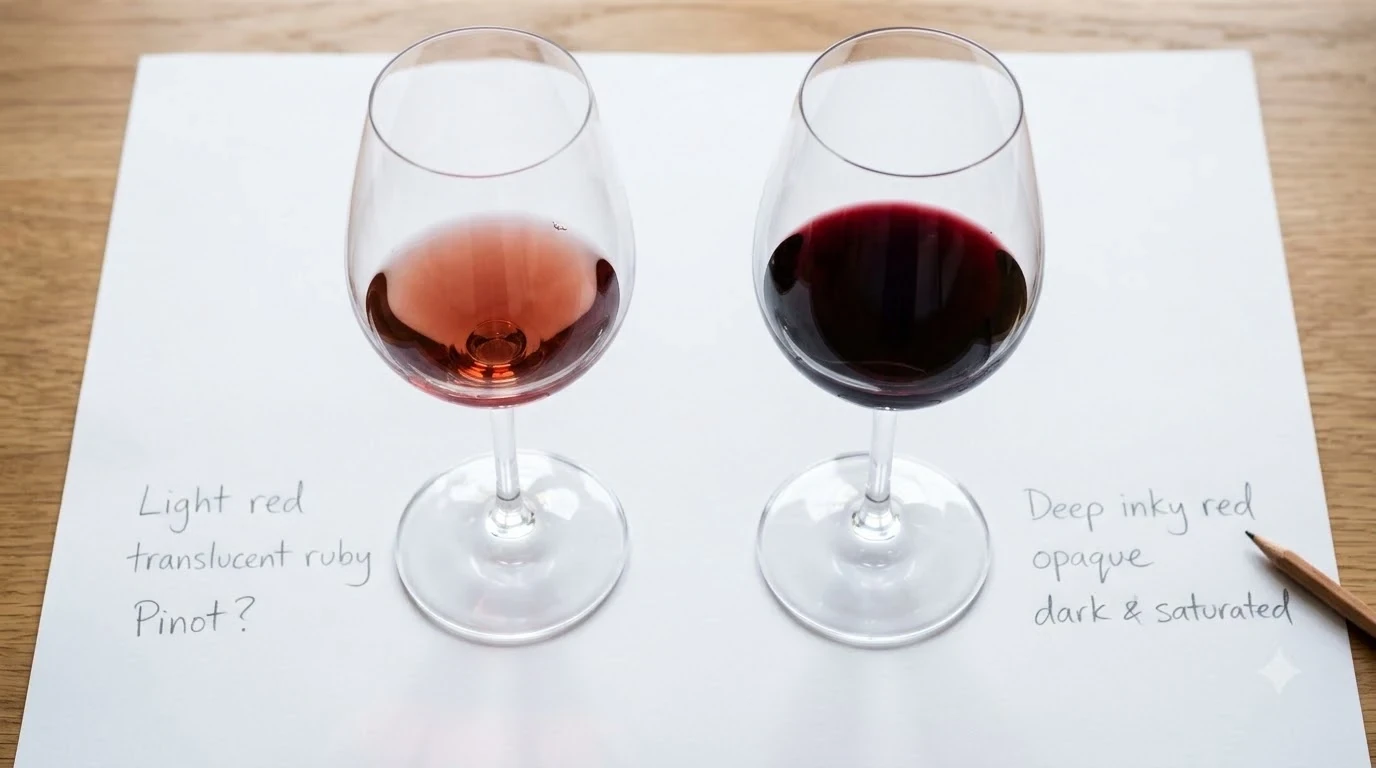
The oyster bay pinot noir price typically falls between $13 and $20 for a 750 ml bottle in the United States, depending on the retailer, vintage, and location. This New Zealand red wine comes from Marlborough and offers cherry, red berry, and black plum flavors with a smooth texture and gentle tannins. It is an approachable option for everyday Pinot Noir drinkers who want a cool-climate wine without moving into more expensive Burgundy or premium New Zealand bottlings.
Oyster Bay Pinot Noir occupies a useful position in the American wine market: it offers recognizable Pinot Noir characteristics at a relatively accessible retail price. However, shoppers can encounter noticeable differences between stores, and the vintage, local alcohol regulations, shipping costs, and retailer availability all influence the final amount. Understanding the wine’s style and what constitutes a reasonable purchase price makes it easier to decide whether a particular bottle represents good value.
Who This Wine Is For
Oyster Bay Pinot Noir is a practical choice for drinkers who enjoy light-to-medium-bodied red wines with bright fruit, fresh acidity, and restrained tannins. Its Marlborough origin and approachable character make it particularly suitable for people exploring New Zealand Pinot Noir without committing to an expensive bottle.
The producer describes its Pinot Noir through dark cherry, juicy black plum, and a soft, silky texture. Independent wine critic Marnie Old also identifies strawberry, red cherry, and subtle earthy aromas in her assessment of the wine. These characteristics give the bottle a combination of fresh fruit and savory detail rather than the heavy, concentrated profile associated with some fuller-bodied reds.
Its relatively moderate structure also makes it versatile at the dinner table. Pinot Noir generally has lower tannin than Cabernet Sauvignon and Syrah, allowing its acidity and fruit character to remain noticeable alongside poultry, pork, mushrooms, and moderately rich dishes. Someone who regularly drinks heavily oaked Cabernet Sauvignon may find Oyster Bay comparatively delicate, but that lighter character is part of its appeal.
Buyers considering their first bottle should also understand that Oyster Bay is designed around regional fruit expression rather than extended aging. The producer emphasizes fresh fruit, careful parcel selection, and French oak maturation. The result is an accessible interpretation of Marlborough Pinot Noir rather than a wine intended to imitate an expensive, highly concentrated red.
Key Factors to Compare When Buying
Three factors matter most when evaluating Oyster Bay Pinot Noir: the bottle’s retail price, the vintage being offered, and the retailer’s actual product details. Comparing these points helps distinguish a normal shelf price from an unusually expensive listing.

Retail pricing information provides a useful starting point. VinoAlert’s tracked US offers show an average of $17.71 per 750 ml bottle across 69 listings, with individual offers varying by vintage and retailer. Its tracked listings include a 2023 bottle from Marketview Liquor and non-vintage bottles from other stores. These figures illustrate why shoppers should compare more than one retailer before purchasing.
Retailer examples also demonstrate the differences between local markets. VinoAlert lists a non-vintage bottle at approximately $13 to $20 across tracked retailers, with a 2023 bottle listed at $12.49 and a non-vintage bottle at $12.97. The Inquirer also reported listings from several Pennsylvania and Delaware retailers in the approximately $15 to $20 range. These are examples of retail variation rather than guaranteed national prices. Prices vary by state and retailer, and shipping, sales tax, local availability, and delivery charges can change the final amount.
| Buying factor | What to look for | Why it matters |
|---|---|---|
| Typical bottle price | About $13–$20 per 750 ml | Provides a practical comparison range based on tracked US retail listings. |
| Average tracked price | $17.71 per 750 ml | VinoAlert’s average across 69 offers. |
| Lowest tracked example | $12.49 per 750 ml | VinoAlert’s listed 2023 Marketview Liquor offer. |
| Bottle size | 750 ml | The standard full-size wine bottle. |
| Alcohol content | 13.5% ABV | Useful for comparing the wine’s strength with other Pinot Noir options. |
| Origin | Marlborough, New Zealand | Identifies the wine’s regional style. |
Vintage is another consideration. Oyster Bay’s producer information includes separate technical descriptions for its 2022, 2023, and 2024 Pinot Noir vintages. A newer vintage may be easier to find in some stores, while an older bottle might be available through a retailer with remaining inventory. Older does not automatically mean better or more valuable for this particular wine.
For most shoppers, a sensibly priced current-release bottle is the straightforward choice. Paying substantially more than the typical retail range deserves additional consideration, particularly if the store is not offering a distinctive vintage or another verifiable reason for the difference.
Step-by-Step: How to Buy Oyster Bay Pinot Noir
A simple purchasing process helps you compare bottles consistently and avoid paying more than necessary. Start with the standard 750 ml format, establish a realistic price range, and then consider whether the particular vintage and retailer meet your expectations.
- Identify the correct wine. Look for Oyster Bay Marlborough Pinot Noir from New Zealand. Oyster Bay also produces Sauvignon Blanc and other wines, so the brand name alone is not enough to confirm that you have selected the red Pinot Noir.
- Confirm the bottle size. A 750 ml bottle is the normal retail format. It provides approximately five standard 5 oz wine servings, making it suitable for a small dinner or sharing between two or three people.
- Establish a reasonable spending range. Use approximately $13 to $20 as a practical US retail comparison range. VinoAlert’s tracked offers and its $17.71 average provide useful market context, although local retailer listings can differ.
- Compare at least two retailers. Check the listed bottle size, vintage, availability, and delivery terms. A retailer advertising a lower shelf price may charge additional shipping or have limited local inventory.
- Compare vintage information. The producer provides information about its 2024, 2023, and 2022 releases. Choose a bottle that suits your intended drinking date rather than assuming the oldest available vintage is the most desirable.
- Consider how you will serve it. Pinot Noir is generally more expressive when served slightly cool. Plan for a serving temperature of approximately 55–60°F rather than treating it like a full-bodied red that should be served warm.
- Match the purchase to your meal. If you are serving roast chicken, pork, mushroom dishes, or a cheese board, the wine’s fresh fruit and moderate tannins make it a useful pairing option.
This process also helps distinguish a genuine difference in product value from a temporary retailer pricing variation. If two stores carry the same bottle size and vintage, the final checkout cost is a more useful comparison than the advertised shelf price alone.
Tip: Before paying a premium, compare the bottle’s vintage and final checkout cost with another retailer. A higher shelf price does not necessarily indicate a more carefully made or better-tasting bottle.
For additional context on the brand’s different wine styles, the Wine Brands resource can help distinguish individual bottlings and understand what to expect from established wine producers.
Oyster Bay Pinot Noir: Types and Styles Explained
Oyster Bay Pinot Noir is a Marlborough red wine made from Pinot Noir grapes, but its character is influenced by climate, vineyard selection, fermentation, and maturation. Understanding these elements helps explain why it has a relatively fresh, fruit-forward style.
Marlborough Pinot Noir
Marlborough is one of New Zealand’s recognized wine regions, and its warm days and cool nights provide conditions suitable for growing Pinot Noir. This combination supports fruit development while helping retain freshness in the finished wine.
Oyster Bay describes its Pinot Noir as fragrant and soft, with dark cherry and black plum characteristics. Independent commentary on the wine also identifies strawberry, red cherry, and subtle earthy aromas. These descriptions suggest a wine that combines accessible fruit with the savory character associated with the Pinot Noir grape.
French Oak Influence
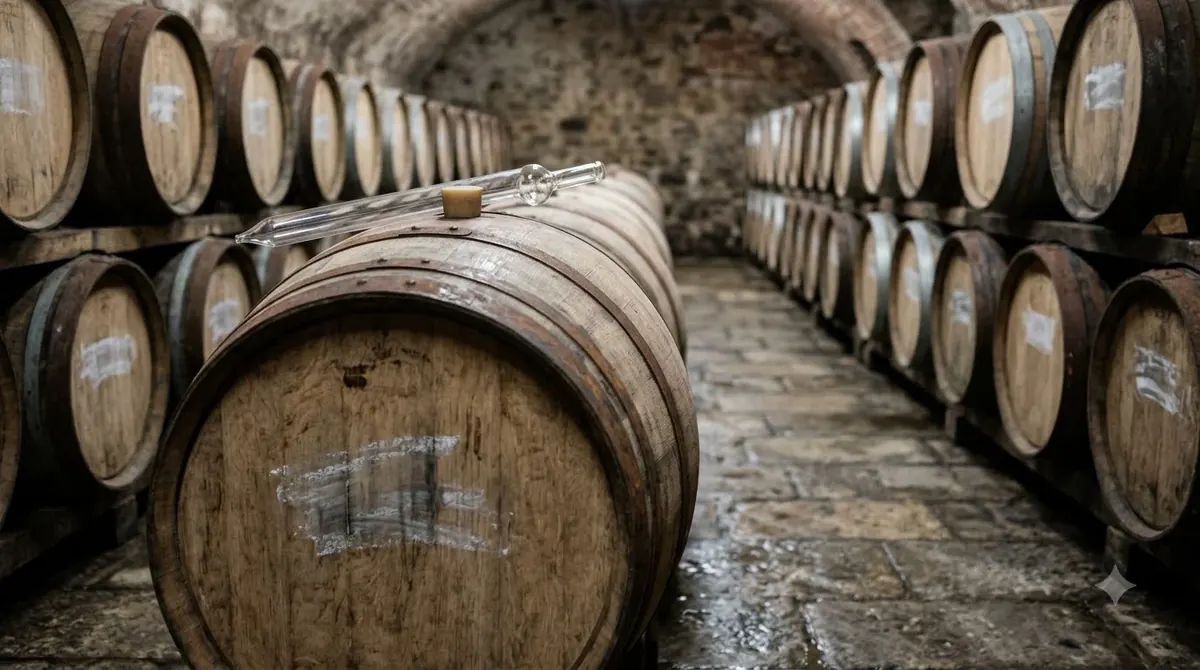
Oak maturation contributes another dimension to the wine. According to the producer, Oyster Bay uses a combination of new and older French oak barrels. The winery also combines barrel and tank fermentation rather than relying on a single fermentation method.
This approach gives the winemaking team flexibility when working with individual vineyard parcels. The use of older and newer oak can provide additional complexity without necessarily making oak the dominant feature of the finished wine. The intended character remains centered on fruit, freshness, and a smooth texture.
Understanding the Vintage
Vintage describes the harvest year associated with the wine. It matters because weather conditions, grape development, and growing-season differences can affect the final result. Oyster Bay’s published information distinguishes its 2022, 2023, and 2024 releases, and the producer lists separate competition results for several of these vintages.
The 2024 technical information provides additional detail about the winemaking process, including 11 months of maturation and an alcohol level of 13.5% ABV. These production details help buyers understand the particular release, although they do not establish that one vintage will necessarily taste better than another.
How It Compares With Other Pinot Noir Styles
Not every Pinot Noir tastes alike. A bottle from Burgundy can emphasize earthy, mineral, and savory characteristics, while some California examples offer riper fruit and a fuller impression. New Zealand Pinot Noir frequently combines bright fruit with refreshing acidity.
Oyster Bay sits comfortably within the accessible, fruit-focused side of that spectrum. Drinkers who prefer more powerful, darker, and fuller-bodied reds may want to compare it with a different grape variety. Those who appreciate fresh cherry, red berry, and restrained tannin are more likely to enjoy its style.
For shoppers comparing the producer’s red and white wines, Oyster Bay Sauvignon Blanc provides a useful contrast. Its Sauvignon Blanc is a white wine with a different aromatic profile and a crisper presentation, while the Pinot Noir offers red fruit, moderate structure, and a more savory dimension.
Oyster Bay’s 2024 Marlborough Pinot Noir technical information provides further details about vineyard selection, fermentation, French oak, and the wine’s regional characteristics.
Common Mistakes When Comparing Prices
The most common buying mistake is assuming that every Oyster Bay Pinot Noir listing represents the same product and purchasing conditions. Bottle size, vintage, local retail availability, and additional charges all affect whether a listing offers reasonable value.
Confusing different Oyster Bay wines: Oyster Bay has multiple grape varieties in its range. Sauvignon Blanc, Chardonnay, Pinot Gris, and Pinot Noir are different products with different characteristics. A low-priced Oyster Bay white wine is not a meaningful price comparison for the red Pinot Noir.
Ignoring bottle size: Comparing a 750 ml bottle with a smaller format can make one retailer appear more expensive than another. Always calculate the equivalent cost per standard bottle before making a decision.
Assuming an older vintage is automatically superior: Pinot Noir can develop with bottle age, but aging potential depends on the wine’s structure, vintage, and intended style. Oyster Bay’s approachable fruit-forward profile is designed primarily for enjoyment relatively young. Paying more for an older bottle without knowing its storage history is not necessarily sensible.
Taking awards as a guarantee: Competition medals and critic scores provide information about particular wines and vintages. They are not a promise that the wine will suit every palate. Someone who dislikes bright acidity or delicate tannins may prefer a different red even if a particular Oyster Bay vintage has received strong recognition.
Overlooking retailer charges: Online prices can exclude shipping, taxes, or delivery fees. Local stores may also have different inventory and pricing arrangements. Compare the final amount payable rather than relying exclusively on the first number displayed on a product listing.
Expecting a premium Burgundy experience: Oyster Bay is an accessible Marlborough Pinot Noir. Its appeal lies in fresh fruit, gentle tannins, and easygoing drinkability. It should be evaluated within that category rather than against expensive wines made for long-term cellaring.
Care, Serving, and Storage Tips
Good serving conditions help preserve the freshness and aromatic character of Oyster Bay Pinot Noir. A temperature around 55–60°F, appropriate glassware, and sensible storage are more useful than complicated preparation techniques.
Serve Slightly Cool
Light-bodied red wines such as Pinot Noir generally benefit from serving temperatures around 55–60°F. A bottle stored in a relatively warm room can taste less balanced because the alcohol and fruit seem more pronounced. Brief refrigeration before serving can help bring the wine into a more suitable range.
Use a standard red wine glass with enough room to swirl the wine gently. A moderately wide bowl helps release aromas of cherry, strawberry, plum, and subtle earthiness. You do not need specialized or unusually expensive glassware to enjoy the wine.
Decanting and Opening
Oyster Bay Pinot Noir generally does not require extensive decanting. Unlike a young, highly structured Cabernet Sauvignon, a fruit-focused Pinot Noir usually benefits more from an appropriate serving temperature and a little time in the glass.
Open the bottle shortly before serving and allow the aromas to develop naturally. If the wine seems initially restrained, give it a few minutes in the glass. This is usually sufficient for an approachable red intended for relatively early enjoyment.
Storage Before Opening
Store unopened bottles in a cool, dark place with relatively stable temperatures. A storage temperature near 55°F is a useful target for longer-term wine storage. Avoid placing bottles near ovens, heating equipment, sunny windows, or locations with frequent temperature fluctuations.
For bottles with natural cork closures, horizontal storage helps keep the cork from drying out. Also avoid unnecessary movement and strong vibration. Oyster Bay’s screw-cap availability can vary by market and bottling, so storage arrangements should suit the closure actually supplied.
Keeping Leftovers Fresh
If you do not finish the bottle, close it securely and refrigerate it. Most opened still wines remain in reasonable drinking condition for approximately three to five days, although freshness gradually declines as the wine contacts oxygen.
Bring a refrigerated glass closer to its preferred serving temperature before drinking. Avoid leaving the bottle open on a kitchen counter for several days, especially in a warm room. Smaller airtight containers can also reduce the amount of air remaining above the wine.
Food Pairings
Oyster Bay Pinot Noir works particularly well with roast chicken, grilled pork, mushroom dishes, and moderately rich cheeses. Its acidity provides freshness, while its relatively gentle tannins make it less demanding than many fuller-bodied reds.
For a simple meal, pair it with roast chicken, sautéed mushrooms, and herbs. The savory mushroom flavors complement Pinot Noir’s earthy aromas, while the chicken provides enough richness without overwhelming the wine. Pork tenderloin with a mild fruit sauce is another suitable option.
Cheese boards featuring Brie, Camembert, and mild semi-soft cheeses can also work well. Avoid extremely hot chili dishes or strongly bitter preparations that can make the wine seem less balanced. For oily fish, a crisp white wine may be a more reliable choice than a tannic red, although the producer also suggests rich fish as a possible pairing for its particular Pinot Noir.
Frequently Asked Questions
Is Oyster Bay Pinot Noir considered a dry red wine?
Yes, Oyster Bay Pinot Noir is generally presented as a dry red wine rather than a sweet dessert-style wine. Its ripe cherry and plum aromas can create an impression of sweetness even though fruit aromas do not necessarily indicate residual sugar. The 2024 technical information lists residual sugar at 3 g/L, consistent with a dry style.
How many calories are in a glass of Oyster Bay Pinot Noir?
The exact calorie count depends on the finished wine’s alcohol and residual sugar content. A standard 5 oz serving of a typical 13.5% ABV dry red wine often contains approximately 120–130 calories. This is an estimate for the general wine style rather than a verified nutritional value for every Oyster Bay vintage.
Does Oyster Bay Pinot Noir use a screw cap?
Closure type can vary with market and bottling, so it is best to examine the specific bottle rather than assume every release uses the same closure. A screw cap is a practical alternative to cork and does not automatically indicate lower wine quality. Either closure can protect a wine when handled and stored appropriately.
Can Oyster Bay Pinot Noir be used for cooking?
Yes, its fresh red-fruit character can work in sauces for chicken, pork, and mushroom dishes. Use a small quantity in a pan sauce or reduction, allowing the alcohol to cook off and the flavors to concentrate. Avoid using a bottle that has developed unpleasant oxidation or vinegar-like aromas.
How long can an unopened bottle of Oyster Bay Pinot Noir be kept?
Storage potential depends on the vintage, closure, and conditions. The producer’s approachable style is primarily intended for relatively early enjoyment, rather than decades of cellaring. A cool, dark storage environment is preferable to a warm kitchen cupboard, and prolonged storage should not be assumed to improve the wine.
Oyster Bay Pinot Noir is a sensible choice for shoppers seeking approachable Marlborough red wine with fresh cherry, berry, and plum characteristics. A typical US retail comparison range of approximately $13 to $20 for a 750 ml bottle provides a useful starting point, although actual prices vary by state and retailer. Compare the vintage, bottle size, and final checkout cost, then serve the wine slightly cool with poultry, pork, mushrooms, or cheese for an enjoyable everyday pairing.
More in Wine Brands
 Smoking Loon Wine Price: What to Expect From Each BottleUpdated Nov 21, 2026
 Silver Oak Cabernet Review: Choose the Right California RedUpdated Nov 21, 2026
 Robert Mondavi Private Selection Wine Price: What to Budget by StyleUpdated Nov 21, 2026
 Schloss Johannisberg Wine Price: How to Choose the Right StyleUpdated Nov 21, 2026
 Scarecrow Wine Review: What Makes This Napa Cabernet SpecialUpdated Nov 21, 2026
 Sassicaia Wine Review: How to Choose, Serve, and Store This Tuscan RedUpdated Nov 21, 2026