

We may earn a commission when you buy through links on this page, at no extra cost to you. Learn more.
This estancia wine review finds that Estancia is a practical California wine brand for everyday drinking, with approachable Cabernet Sauvignon, Pinot Noir, Merlot, Chardonnay, and other familiar varieties. Its main appeal is a versatile lineup that offers different grape styles rather than a single signature wine. Cabernet Sauvignon suits drinkers who enjoy darker fruit and oak, Pinot Noir offers a softer, brighter red, and the white wines provide alternatives for lighter meals. The best bottle depends on your preferred grape, food pairing, and desired level of body.
Estancia has been producing California wines since 1986, building its reputation around wines sourced from vineyards across the state. Its range includes recognizable varietals that make choosing a bottle relatively straightforward, whether you are planning a casual dinner, serving guests, or looking for a dependable wine for a weeknight meal. However, the differences between individual bottles matter. A Monterey Pinot Noir and a Paso Robles Cabernet Sauvignon offer distinctly different drinking experiences, even though they share the same producer name.
Who Should Consider Estancia Wine?
Estancia is worth considering for wine drinkers who prefer familiar grape varieties, approachable flavors, and bottles suited to ordinary meals rather than elaborate tasting occasions. Its range covers several major red and white styles, making it possible to select a bottle based on food and personal preference.
The brand was founded in 1986, and its name comes from the Spanish word for estate. According to its official winery history, Estancia sources wines from vineyards throughout California, with the intention of expressing the defining qualities of different growing locations. That statewide sourcing approach helps explain why its portfolio includes multiple grape varieties and regional expressions rather than concentrating on one narrow style.
For someone who is still learning about wine, the familiar varietal names are a useful starting point. Cabernet Sauvignon generally provides more tannin and structure, while Merlot tends to feel softer. Pinot Noir is typically lighter in tannin and more noticeable for its acidity and red-fruit character. On the white side, Chardonnay offers a broader range of possible textures, while Sauvignon Blanc and Pinot Grigio generally suit people who prefer fresher, lighter profiles.
Estancia can also suit households that serve different foods throughout the week. A bottle of Cabernet Sauvignon can accompany a grilled steak, while Pinot Noir works with roast chicken or mushrooms. Chardonnay provides another option for poultry and creamy dishes, and Sauvignon Blanc can accompany salads and seafood.
There are some limitations to keep in mind. Estancia is not a single-style wine, so an enthusiastic response to one bottle does not automatically mean every other variety will match the same preferences. Vintage, regional sourcing, grape composition, and winemaking choices can all affect the finished wine. Buyers seeking highly distinctive vineyard expressions or collectible wines should compare individual bottles rather than relying on the brand name alone.
Key Factors to Compare When Choosing Estancia
The most useful comparison points are grape variety, growing region, body, acidity, tannin, and alcohol content. Looking at these characteristics before choosing a bottle makes it easier to match the wine to a meal and avoid buying a style that feels too heavy or too light.
| Wine or category | Typical characteristics | Useful serving temperature | Food direction |
|---|---|---|---|
| Cabernet Sauvignon | Full-bodied, high tannin, dark fruit | 60–65°F | Steak, burgers, hard cheese |
| Merlot | Medium-bodied, softer tannins | 60–65°F | Roast pork, meatloaf, mushrooms |
| Pinot Noir | Light to medium-bodied, bright acidity | 55–60°F | Salmon, roast chicken, duck |
| Chardonnay | Medium acidity, adaptable texture | 50–55°F | Chicken, seafood, creamy pasta |
| Sauvignon Blanc | High acidity, fresh character | 45–50°F | Salads, shellfish, goat cheese |
| Pinot Grigio | Light-bodied, refreshing acidity | 45–50°F | Light seafood, vegetables, appetizers |
These are general varietal guidelines rather than claims that every Estancia bottle has identical characteristics. The producer offers multiple varieties, and individual wines can vary in richness, oak influence, and intensity. The regional origin is another useful distinction: Total Wine identifies Estancia Cabernet Sauvignon with Paso Robles and its Pinot Noir with Monterey, two California areas associated with different wine-growing conditions.
Alcohol content deserves attention as well. Wine Enthusiast lists 14.5% ABV for its reviewed 2023 Estancia Cabernet Sauvignon. That figure gives buyers a useful indication of the wine’s strength, particularly when comparing it with lighter white wines or lower-alcohol alternatives. It also helps explain why a full-bodied red may feel more substantial alongside dinner.
When comparing bottles, consider whether you prefer fruit-forward flavors, noticeable oak, fresh acidity, or softer tannins. These characteristics influence the drinking experience more directly than broad descriptions such as smooth, balanced, or versatile. A Cabernet drinker may appreciate dark fruit and a firm structure, while someone who prefers lighter reds may find Pinot Noir a better match.
Tip: Start with the grape variety you already enjoy. If you regularly drink Cabernet Sauvignon, compare Estancia Cabernet with its Merlot before exploring Pinot Noir. If you usually choose crisp white wines, begin with Sauvignon Blanc or Pinot Grigio rather than assuming Chardonnay will offer the same freshness.
Step-by-Step: How to Choose an Estancia Bottle
Choosing the right bottle is easier when you work from the occasion and meal toward the grape variety. A few simple decisions can narrow the selection without requiring detailed knowledge of California wine regions.
-
Decide whether you want red or white wine.
Start with the meal and the drinking occasion. Choose a red for dishes such as grilled beef, roast pork, or mushroom-based meals. For seafood, lighter appetizers, and warm-weather gatherings, consider a white wine such as Pinot Grigio or Sauvignon Blanc.
-
Choose the body you prefer.
People who enjoy concentrated flavors and a substantial mouthfeel may prefer Cabernet Sauvignon. Those who want a softer red can consider Merlot, while Pinot Noir is a useful option for someone who prefers a more delicate texture and brighter acidity.
-
Consider the regional origin.
Estancia’s Cabernet Sauvignon is associated with Paso Robles in Total Wine’s product information, while its Pinot Noir is identified with Monterey. Regional origin can provide helpful context, although the specific grape and winemaking style remain important.
-
Think about the main food pairing.
For steak, burgers, or grilled lamb, Cabernet Sauvignon is a natural starting point. For salmon, poultry, or roasted mushrooms, Pinot Noir offers a different balance. Chardonnay works with richer poultry dishes, while Sauvignon Blanc is useful for acidic salads and seafood.
-
Compare alcohol content and bottle size.
A 750 ml bottle is the standard format and provides approximately five 5-ounce servings. Total Wine also lists larger 3-liter formats within its Estancia red wine selection. Larger containers can be useful for gatherings, but the smaller bottle is generally more convenient when choosing an unfamiliar wine.
-
Choose according to the drinking occasion.
For an informal dinner, a familiar varietal such as Merlot or Pinot Noir may be sufficient. For a steak-focused meal, consider Cabernet Sauvignon. If guests have different food preferences, having a red and a white available provides greater flexibility.
-
Serve the wine at an appropriate temperature.
Temperature affects how fruit, acidity, tannin, and alcohol are perceived. Refrigerate whites before serving, and allow reds to cool slightly if they have been stored in a warm room. Proper serving temperature can make a meaningful difference to the final experience.
This process also helps prevent a common purchasing mistake: selecting wine based entirely on the familiar producer name. The variety and intended food pairing should guide the final decision. For a closer look at the red lineup, the Estancia wine selection provides a useful starting point for comparing the brand’s different expressions.
Estancia Wine Types and Styles Explained
Estancia’s portfolio includes six familiar varieties, each offering a different combination of fruit, acidity, body, and structure. Understanding those differences is more useful than treating all bottles from the producer as interchangeable.
Estancia Cabernet Sauvignon
Cabernet Sauvignon is a strong starting point for people who enjoy full-bodied red wines. Total Wine describes Estancia’s Paso Robles Cabernet with aromas of black cherry, chocolate, currant, pepper, and toasted sweet oak. Its product description also mentions jammy dark fruit and soft, velvety tannins, followed by a long finish.
Wine Enthusiast’s review of the 2023 California Cabernet Sauvignon provides another perspective. The publication awarded the wine 88 points and identified blackberry, cassis, vanilla bean, dark berries, coffee, green herbs, and an earthy finish. The reviewed bottle was listed at 14.5% ABV and 750 ml. These tasting notes suggest a dark-fruited style with noticeable richness rather than a particularly delicate red.
Cabernet Sauvignon generally has high tannin, so it pairs well with foods that have sufficient fat and protein. Grilled steak, beef burgers, short ribs, and aged cheddar are useful choices. People who prefer light-bodied reds or very low tannin may find this variety more structured than they want.
For additional information on this particular style, the Estancia Cabernet selection is the most relevant place to compare the grape’s characteristics and intended food pairings.
Estancia Pinot Noir
Pinot Noir offers a different experience from Cabernet Sauvignon. Total Wine describes the Monterey expression with berries, baking spices, and cherries, along with a soft, silky finish and enough crispness to balance its fruit. This makes it an appealing alternative for people who want red wine without the heavier tannic structure associated with Cabernet.
Pinot Noir typically has low to medium tannin and relatively high acidity. Those characteristics make it versatile with foods that can be difficult to pair with strongly tannic reds. Roast chicken, salmon, pork tenderloin, mushroom risotto, and duck are all useful options. Its freshness also makes it suitable for meals that include herbs and lighter sauces.
Serve this style slightly cooler than a full-bodied red, around 55–60°F. A brief period in the refrigerator can help if the room is warm. Excessive chilling, however, may mute the wine’s aromas and make its texture seem less expressive.
Estancia Merlot
Merlot is a practical choice for drinkers who like red wine but want a softer profile than Cabernet Sauvignon. Total Wine describes Estancia Merlot as a medium-bodied, dry red with black cherry, plum, chocolate, and a round mouthfeel. These characteristics provide a useful indication of its general style.
Merlot usually has medium tannin, making it approachable with a broad range of foods. Roast pork, meatloaf, grilled sausages, mushroom dishes, and moderately rich pasta sauces can all work well. It can also be a suitable introduction to red wine for someone who finds more tannic varieties too drying.
Although Merlot and Cabernet Sauvignon can share dark-fruit and chocolate-like characteristics, they do not necessarily feel the same. Cabernet typically offers firmer tannins and a more structured impression. Merlot often feels rounder and softer, making it an appealing alternative for less formal meals.
Estancia Chardonnay
Chardonnay is the most adaptable of the familiar white-wine varieties in Estancia’s lineup. Depending on its production style, Chardonnay can show citrus, apple, pear, tropical fruit, creamy textures, and oak-derived flavors. The grape itself does not guarantee a buttery or heavily oaked profile.
Estancia’s official portfolio identifies Chardonnay as one of its principal California offerings. Wine Enthusiast also lists an Estancia 2024 Chardonnay among the additional wines associated with its Cabernet review. However, buyers should distinguish between general grape characteristics and verified tasting details for a particular bottle.
Chardonnay generally has medium acidity and works with roast chicken, grilled seafood, creamy pasta, and dishes featuring butter-based sauces. Serve fuller expressions around 50–55°F. If the wine feels too cold, allow it to warm slightly in the glass so its aromas and texture become easier to appreciate.
Estancia Sauvignon Blanc
Sauvignon Blanc generally appeals to drinkers who enjoy freshness and pronounced acidity. Depending on the growing conditions and winemaking choices, it can show citrus, green apple, herbs, and tropical fruit. Its sharper acidity makes it a natural companion for dishes containing fresh herbs, citrus, and seafood.
Estancia lists Sauvignon Blanc among its six core varieties. Wine Enthusiast also identifies a 2025 Estancia Sauvignon Blanc in its additional-wines section, although a specific tasting description should not be assumed from the grape name alone.
Serve Sauvignon Blanc around 45–50°F. It is particularly useful with oysters, grilled shrimp, fresh salads, goat cheese, and lightly seasoned fish. Its acidity can complement acidic foods better than a softer, lower-acid white wine.
Estancia Pinot Grigio
Pinot Grigio is a useful option for people who prefer a lighter and generally refreshing white wine. It commonly emphasizes citrus, pear, green apple, and subtle floral notes. Its approachable profile makes it suitable for casual lunches, appetizers, and meals where a more intensely flavored wine might dominate the food.
Estancia’s official website includes Pinot Grigio in its main portfolio. The grape is particularly suitable for light seafood, grilled vegetables, simple pasta dishes, and fresh salads. Serve it around 45–50°F to preserve its refreshing character without suppressing its aromas.
Among Estancia’s whites, Pinot Grigio is a sensible starting point for someone who wants an uncomplicated accompaniment to food. Sauvignon Blanc is a stronger option for those who enjoy sharper acidity and more pronounced herbal characteristics, while Chardonnay is generally better suited to richer dishes.
Common Mistakes When Buying Estancia Wine
The most frequent mistakes involve confusing grape varieties, overlooking regional differences, and assuming that every bottle from the same producer has the same flavor profile. Avoiding these errors makes it easier to choose a wine that fits both your preferences and your meal.
Assuming every red tastes alike
Cabernet Sauvignon, Merlot, and Pinot Noir are not interchangeable. Cabernet generally has higher tannin and a fuller structure, Merlot tends to be softer, and Pinot Noir offers greater freshness and a lighter tannic profile. Choosing a bottle simply because it is red ignores the differences that have the greatest effect on the drinking experience.
For example, a Cabernet Sauvignon may be an excellent match for a fatty grilled steak but less suitable for a delicate salmon dish. Pinot Noir is often more versatile for poultry and oily fish because its tannins are lower and its acidity is higher.
Expecting Chardonnay to have one fixed flavor
Chardonnay is particularly variable. Some examples emphasize fresh apple and citrus, while others develop creamy textures, vanilla, and toasted notes through winemaking choices. Buyers who expect every Chardonnay to taste buttery may be disappointed by a fresher style, while drinkers who dislike oak should investigate the particular wine rather than assuming its production method.
Serving red wine too warm
Room temperature is not always the ideal serving temperature, especially in a warm climate. Full-bodied reds generally show better around 60–65°F than at temperatures substantially above that range. Excessive warmth can make alcohol seem more prominent and reduce the balance between fruit and structure.
Light reds such as Pinot Noir are generally better served around 55–60°F. A short period in the refrigerator can help bring a bottle closer to its intended serving temperature.
Pairing wine without considering acidity and tannin
Food pairing is not simply a matter of matching red wine with meat and white wine with fish. The weight of the dish, its sauce, acidity, fat, salt, and seasoning all influence how a wine tastes alongside it.
High-acid wines such as Sauvignon Blanc and Pinot Noir can work with foods that contain acidity. Salt and fat can soften the perception of tannin, which helps explain why Cabernet Sauvignon can be particularly satisfying with steak and aged cheese. Conversely, strongly tannic reds can clash with oily fish, making a lighter red or white wine a more sensible option.
Choosing wine only by producer reputation
Estancia has a recognizable portfolio, but that does not mean every bottle is appropriate for every occasion. A buyer looking for a crisp white wine should not automatically select Chardonnay just because the brand is familiar. Likewise, someone who enjoys soft reds should not assume Cabernet Sauvignon will provide the same experience as Merlot.
Think about the specific wine first. Its grape, alcohol content, region, and intended food pairing are more useful selection criteria than the producer name alone.
Estancia Wine Care, Serving, and Storage Tips
Proper storage and serving temperatures help preserve the wine’s intended balance. Even a familiar everyday bottle benefits from a little attention to temperature, opening time, and storage conditions.
Serve each variety at the right temperature
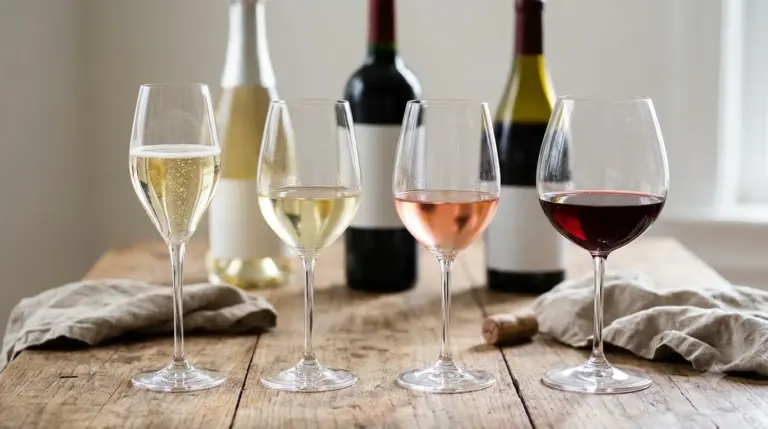
Temperature influences how aromas develop and how acidity, alcohol, and tannin are perceived. A white wine served too cold may seem muted, while a red served too warm can feel heavy and alcoholic.
Use these general temperature ranges as a starting point:
- Pinot Grigio and Sauvignon Blanc: 45–50°F.
- Chardonnay: 50–55°F.
- Pinot Noir: 55–60°F.
- Merlot and Cabernet Sauvignon: 60–65°F.
These ranges are useful for everyday serving, but individual preferences can vary. If a white wine seems too cold and lacks aroma, let it sit briefly in the glass. If a red feels overly alcoholic, a little cooling may improve its balance.
Store unopened bottles properly
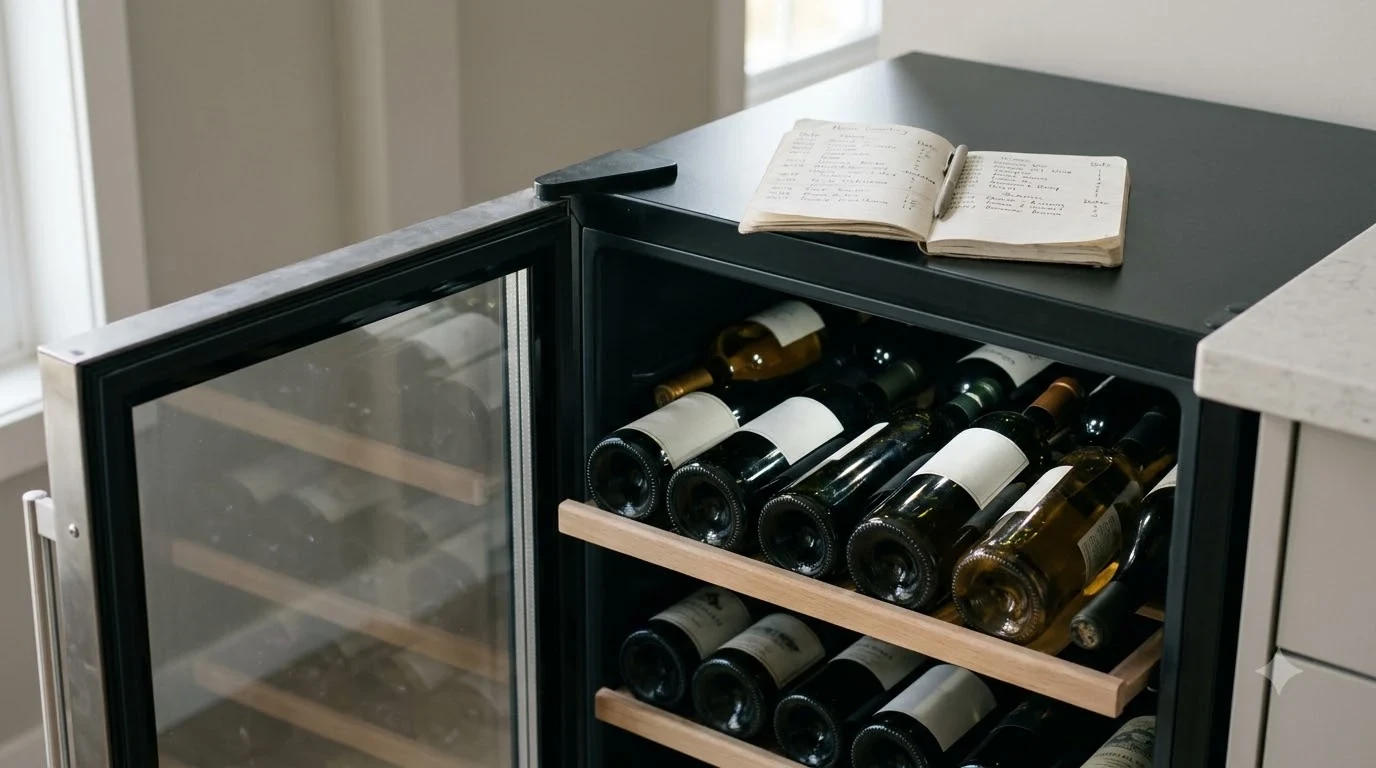
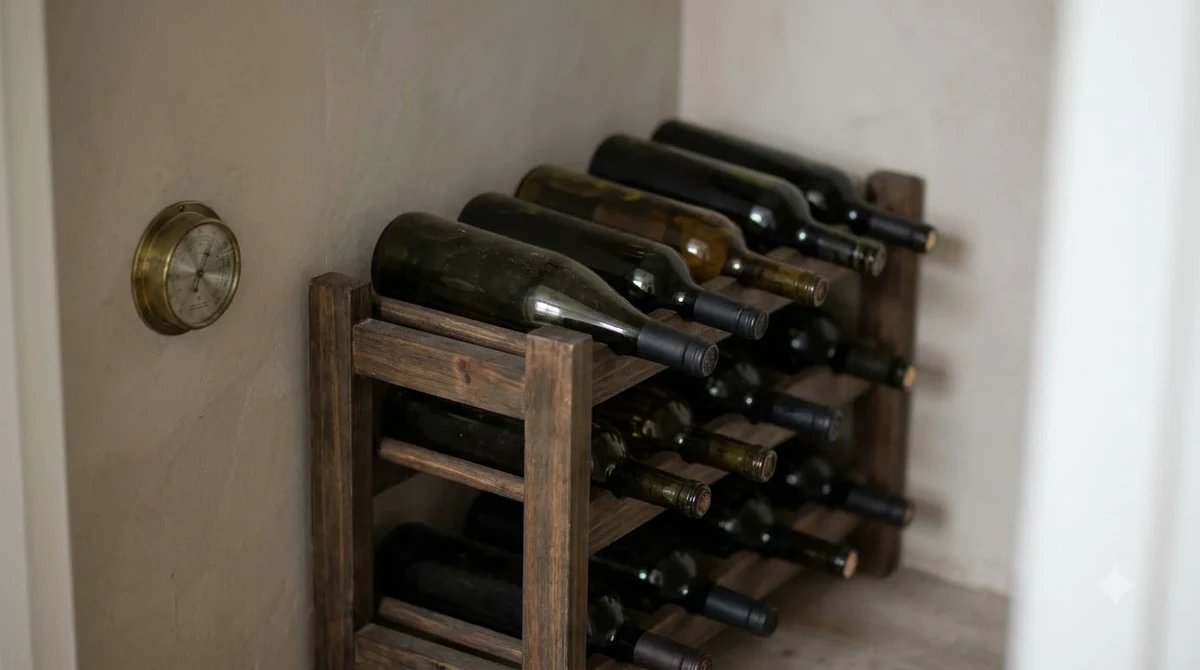
Wine should be kept away from direct sunlight, temperature fluctuations, and excessive heat. A consistent storage temperature near 55°F is a useful target for longer-term storage. Bottles with natural cork closures should generally be stored on their sides to keep the cork from drying out.
For ordinary drinking bottles, there is no need to build an elaborate cellar. A cool, dark storage location with relatively stable conditions is preferable to a kitchen shelf exposed to sunlight or a cabinet above an oven.
Handle opened bottles carefully
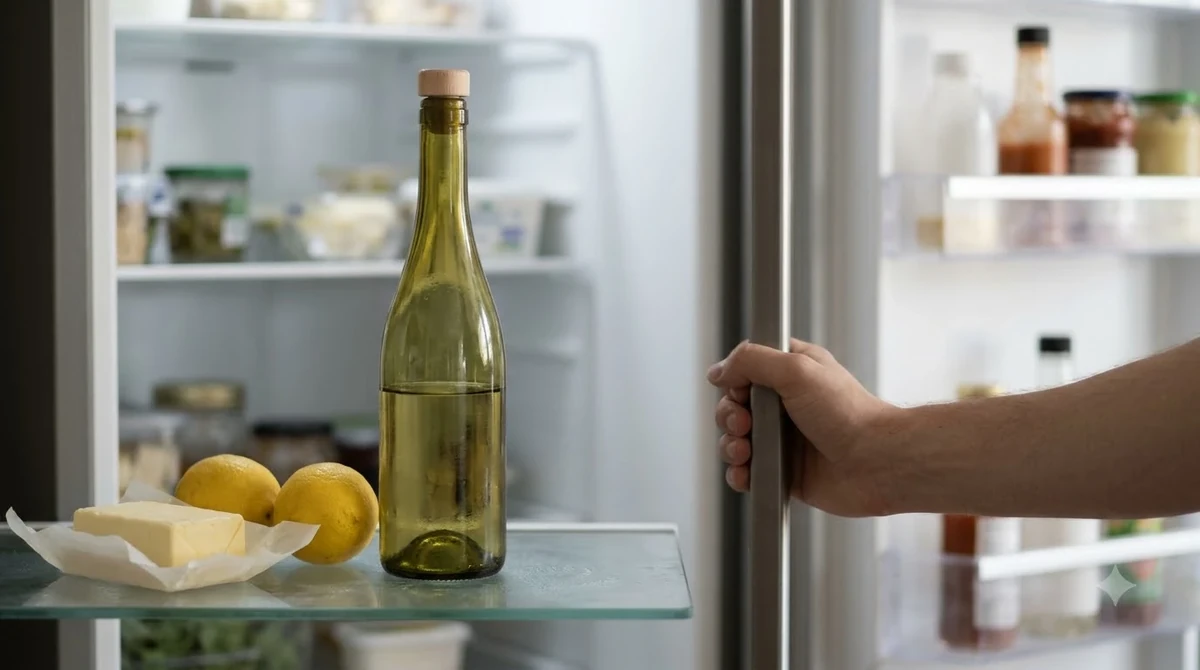
Once opened, still wines generally retain their best quality for approximately three to five days when properly resealed and refrigerated. This applies to both red and white wines, although individual results depend on the wine’s structure, exposure to oxygen, and storage conditions.
Replace the cork or use an appropriate wine stopper after pouring. Refrigerate the remaining wine, including red wine, to slow oxidation. Allow red wine to warm slightly before serving it again if necessary.
Decanting and glassware
Young, full-bodied red wines can benefit from 30–60 minutes of decanting before serving. This gives the wine additional exposure to oxygen and can make its aromas easier to appreciate. Cabernet Sauvignon is a more likely candidate for this treatment than a delicate Pinot Noir.
For ordinary Estancia bottles, decanting is optional rather than essential. A clean wine glass with enough room to swirl the liquid is generally sufficient. A larger glass can help fuller reds release their aromas, while a smaller white-wine glass helps maintain a cooler serving temperature.
For gatherings, remember that a standard 750 ml bottle provides approximately five servings when each pour is 5 ounces. Planning around that serving size helps estimate how many bottles are appropriate without excessive leftovers.
Frequently Asked Questions
Is Estancia wine suitable for beginners?
Yes. Its portfolio includes familiar grape varieties that make it relatively easy to compare different styles. Someone new to wine can start with Pinot Grigio for a lighter white, Merlot for a softer red, or Cabernet Sauvignon for a more structured option. Comparing these varieties is a practical way to discover personal preferences.
Is Estancia wine dry or sweet?
Estancia’s principal varietal lineup is generally oriented toward dry table wines rather than dessert wines. Total Wine specifically describes its Merlot as dry. Individual sweetness impressions can still vary because ripe fruit flavors may make a dry wine seem sweeter than it actually is.
Does Estancia wine need to breathe before drinking?
Most everyday Estancia wines can be enjoyed shortly after opening. A young, full-bodied Cabernet Sauvignon may benefit from 30–60 minutes of aeration, while Pinot Grigio and Sauvignon Blanc generally do not require decanting. If a wine initially seems closed or overly intense, allowing it to sit in the glass can help its aromas develop.
How many servings are in an Estancia wine bottle?
A standard 750 ml bottle contains approximately 25.4 US fluid ounces. At a standard 5-ounce pour, that works out to approximately five servings, with a small amount left over. Larger 3-liter formats contain the equivalent of four standard bottles and can provide approximately 20 standard servings.
Can Estancia wine be used for cooking?
Yes. Dry Estancia Cabernet Sauvignon and Merlot can be used in beef braises, pan sauces, and other savory preparations. Chardonnay can work in creamy sauces and chicken dishes, while Sauvignon Blanc is useful in seafood preparations. Use wine that is suitable for drinking rather than relying on heavily salted cooking wine.
Estancia is a versatile California wine brand worth considering for familiar red and white varieties, particularly when choosing a bottle for everyday meals. Cabernet Sauvignon is the natural starting point for fuller red wines, while Merlot and Pinot Noir offer softer or brighter alternatives. Compare the grape, regional origin, and food pairing before choosing, and serve each bottle at an appropriate temperature to get the most from its style.
More in Wine Brands
 Lussory Wine Price: Compare Bottles, Styles and Buying OptionsUpdated Nov 21, 2026
 Laurent Perrier Rose Review: Taste, Quality and Buying TipsUpdated Nov 21, 2026
 Louis Jadot Wine Review: How to Choose the Right Burgundy BottleUpdated Nov 21, 2026
 Llano Estacado Wine Price: Compare Bottles and Find Your Best FitUpdated Nov 21, 2026
 Luigi Bosca Wine Price: Compare Bottles and Find Your Best ValueUpdated Nov 21, 2026
 Kirkland Signature Prosecco Review: What Buyers Should KnowUpdated Nov 21, 2026