

We may earn a commission when you buy through links on this page, at no extra cost to you. Learn more.
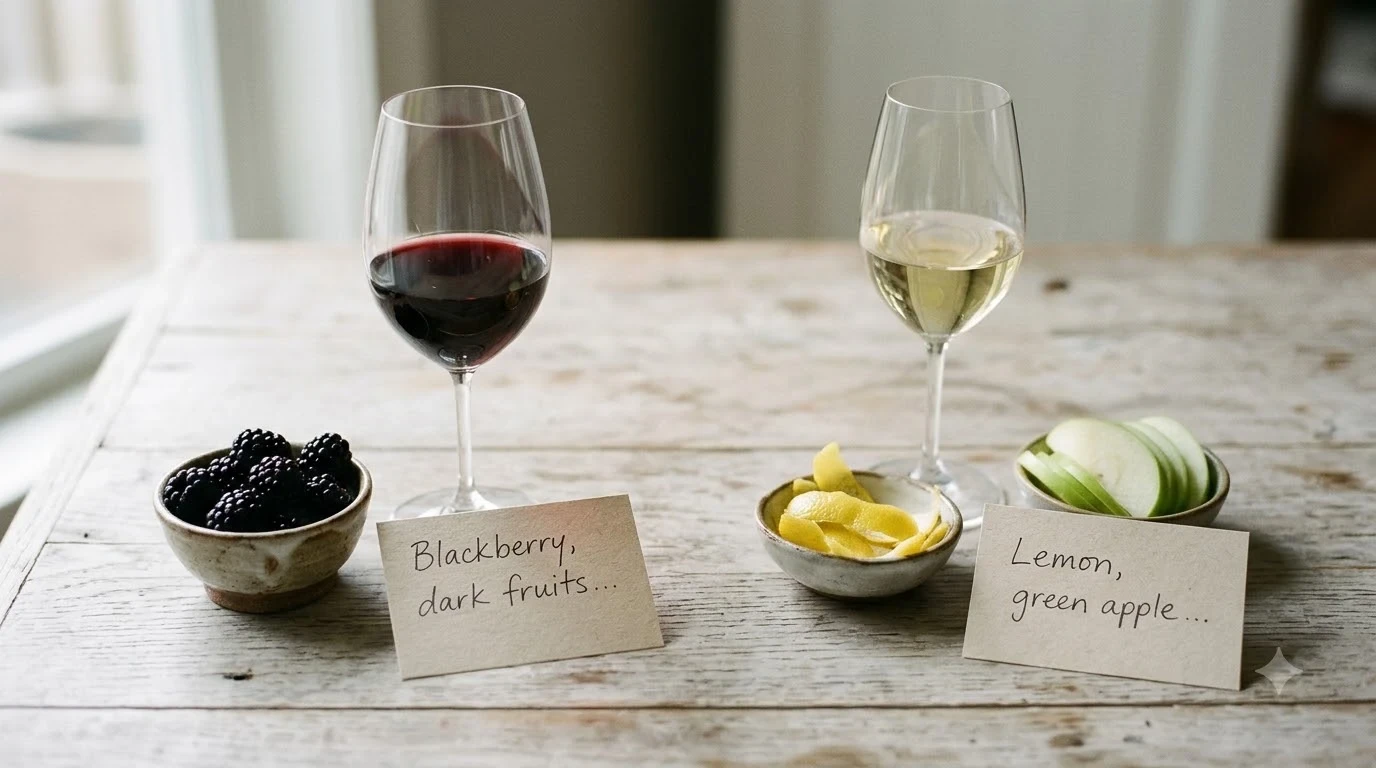
The best cabernet sauvignon at total wine depends on your preferred style, but Napa Valley, Sonoma County, Paso Robles, and Bordeaux are excellent places to start. Napa offers concentrated dark fruit and powerful tannins, Sonoma tends toward brighter fruit and a smoother structure, and Paso Robles is a good choice for ripe, generous flavors. Comparing the region, grape composition, oak influence, and alcohol level will help you find a bottle that suits your palate and the occasion.
Total Wine & More carries Cabernet Sauvignon from established California regions and international producers, giving shoppers plenty of styles to consider. However, a familiar label or a prominent shelf position does not automatically make a wine the right choice. Understanding what the region and winemaking approach contribute can make the selection process much easier. This guide explains how to compare bottles, recognize quality indicators, choose a suitable style, and serve your purchase properly.
Who This Is For
Cabernet Sauvignon is particularly suitable for shoppers who enjoy full-bodied red wine, pronounced dark-fruit flavors, and a firm tannin structure. The best starting point is a bottle whose regional character and overall intensity match the food, occasion, and drinking preferences of the people sharing it.
First-time Cabernet buyers should start with the distinction between fruit-forward and structured styles. A ripe California Cabernet can offer approachable blackberry, black cherry, and vanilla flavors, while a more traditional Bordeaux-inspired wine can emphasize blackcurrant, tobacco, cedar, and earthy notes. Neither style is inherently superior; they simply provide different drinking experiences.
Cabernet enthusiasts looking for something more substantial may prefer wines from Napa Valley or particular subregions of Bordeaux. These wines can have concentrated fruit, substantial tannins, and the structure to develop additional complexity with bottle age. Shoppers who prefer less aggressive tannins may find Sonoma County or a Cabernet blend more appealing.
This guide is also useful for people purchasing wine for dinners, celebrations, gifts, or everyday meals. A Cabernet selected for grilled ribeye does not necessarily need the same characteristics as one intended for a casual weeknight dinner. Matching the wine to its purpose is more useful than choosing solely by reputation.
Key Factors to Compare
The most useful comparisons involve the wine’s growing region, fruit character, tannin level, oak influence, and grape composition. These characteristics provide a more reliable basis for choosing than relying on a label’s marketing language alone.
| Factor | What to Look For | Expected Character |
|---|---|---|
| Napa Valley | California appellation | Concentrated dark fruit, fuller body, firm tannins |
| Sonoma County | California appellation | Brighter acidity, red fruit, smoother structure |
| Paso Robles | California appellation | Ripe blackberry, generous fruit, rounder impression |
| Bordeaux | French wine region | Blackcurrant, earth, cedar, structured blends |
| Chile | Maipo or Colchagua Valley | Blackberry, black cherry, herbal notes |
| Alcohol | Approximately 13.5%–15% ABV | Common range for many full-bodied examples |
| Serving temperature | 60–65°F | Balanced aromas and tannin perception |
| Decanting | 30–60 minutes | Useful for young, structured examples |
Region is an especially useful first filter. Total Wine’s regional Cabernet guide distinguishes bold Napa wines from smoother Sonoma examples and ripe, jammy Paso Robles wines. That distinction gives shoppers a practical way to narrow the shelf before comparing individual producers. Bordeaux and Chile provide additional alternatives for people interested in more savory or internationally influenced expressions.
Tannin is another important consideration. Cabernet Sauvignon naturally has substantial tannin, which creates a drying sensation around the gums and cheeks. Oak maturation can contribute vanilla, cedar, and clove, while aging can introduce more developed tobacco, leather, and chocolate characteristics. A bottle with pronounced oak and firm tannins will generally feel more structured than a softer, fruit-led example.
Alcohol content can provide another clue about the wine’s general style. Many Cabernet Sauvignons fall between 13.5% and 15% ABV, according to Wine Folly. A higher figure can accompany a riper, fuller impression, although alcohol alone does not determine quality or balance. Consider it alongside the region, fruit character, and tannin.
Finally, distinguish a varietal Cabernet Sauvignon from a Bordeaux-style blend. A blend may contain Merlot or Cabernet Franc, which can change its texture and aromatic profile. Merlot commonly contributes softer tannins and additional red-fruit character, making a blend a sensible alternative for people who find straight Cabernet too firm.
Step-by-Step: How to Choose a Bottle
A simple selection process makes a large retail wine department less intimidating. Start with your preferred flavor profile, narrow the region, compare the producer and vintage information, and finish by considering how and when the wine will be served.
-
Decide how bold you want the wine to taste.
If you enjoy concentrated blackberry, black cherry, and firm tannins, begin with Napa Valley Cabernet Sauvignon. For a smoother and somewhat brighter style, compare Sonoma County. If you prefer ripe, generous fruit, look at Paso Robles.
-
Choose a regional starting point.
California is a useful starting point for shoppers who want recognizable Cabernet flavors. Napa Valley offers a more powerful profile, Sonoma can provide a more restrained alternative, and Paso Robles is known for ripe fruit character. Chile is another worthwhile region to explore.
-
Read the appellation information.
Look beyond the producer’s name to identify the wine’s origin. Napa Valley, Oakville, Rutherford, Sonoma County, and Paso Robles are useful geographical clues. A specific subregion can offer additional information about where the grapes were grown.
-
Compare the grape composition.
Check whether the wine is a Cabernet Sauvignon varietal or a blend. A Cabernet-dominant Bordeaux blend may contain Merlot and Cabernet Franc. These varieties can soften the overall impression or introduce additional red-fruit and herbal characteristics.
-
Consider the alcohol and oak profile.
Look at the ABV percentage and the producer’s description of maturation. Oak-aged wines may show vanilla, cedar, and clove. If you prefer fresh fruit and less obvious wood influence, seek a description emphasizing fruit purity rather than heavy oak.
-
Compare vintages and intended drinking windows.
A younger Cabernet may show primary fruit and firm tannins, while a mature bottle can develop tobacco, leather, and more integrated flavors. For immediate drinking, prioritize a wine described as approachable in its youth rather than purchasing solely for its aging potential.
-
Check availability at your chosen store.
Total Wine’s online selection can help narrow the options before visiting a location. Inventory and available vintages can differ between stores, so confirm that the particular bottle is available where you intend to shop.
-
Make the final decision based on the occasion.
Choose a structured Napa Cabernet for a rich steak dinner, a smoother Sonoma example for a relaxed meal, or a Bordeaux-style blend for someone who appreciates savory, traditional red wine. The best selection is the one that suits the occasion rather than simply having the most impressive-sounding label.
Tip: If two bottles seem equally appealing, compare their growing regions and producer descriptions before considering their label design. Regional information usually tells you more about the likely drinking experience than decorative packaging.
For additional shopping guidance, the wine buying guide provides a useful foundation for comparing labels, wine styles, and purchasing decisions. It is particularly helpful if you are still learning the difference between appellations, grape varieties, and blends.
Types and Styles Explained
Cabernet Sauvignon is not a single uniform style of wine. Growing conditions, blending decisions, and oak maturation produce noticeable differences, even when two bottles feature the same primary grape variety.
Napa Valley Cabernet Sauvignon is a strong choice for people who enjoy bold, concentrated red wine. The warmer growing conditions can produce ripe black fruit, fuller body, higher alcohol, and pronounced tannins. Common tasting notes include blackcurrant, blackberry, dark cherry, and vanilla. More developed examples may show cedar, tobacco, and dark chocolate.
Sonoma County Cabernet Sauvignon offers another California interpretation. Total Wine describes Sonoma examples as generally smoother and more medium-bodied than the bolder Napa style. Brighter acidity and additional red-fruit character can make these wines appealing to people who enjoy Cabernet but do not want the most powerful expression available.
Paso Robles Cabernet Sauvignon is worth exploring if ripe fruit is your priority. The region is associated with generous, jammy fruit characteristics. Blackberry, black cherry, and plum are useful reference flavors. These wines can work particularly well with grilled meats, barbecue, and dishes with concentrated savory sauces.
Bordeaux-style Cabernet blends provide a different approach. Bordeaux wines commonly combine Cabernet Sauvignon with Merlot and Cabernet Franc. The proportions vary by producer and appellation, so the resulting wines can differ considerably. Cabernet contributes structure and dark-fruit character, while Merlot can bring softness and additional fruit.
Chilean Cabernet Sauvignon deserves attention from shoppers interested in international alternatives. Wine Folly identifies Maipo, Aconcagua, Cachapoal, and Colchagua as important Chilean Cabernet-growing areas. Maipo Valley wines can offer black cherry, blackberry, and baking-spice characteristics, while some examples also show herbal notes.
Australian Cabernet Sauvignon provides another recognizable style. South Australia’s Coonawarra region is associated with Cabernet featuring black plum, pepper, chocolate, and bay-leaf characteristics. Its wines can have substantial depth and powerful tannins, making them interesting choices for people who enjoy structured reds.
These regional differences are useful starting points, not guarantees. Producer decisions, vineyard conditions, weather, fermentation, and maturation all influence the finished wine. For a broader understanding of regional flavor differences, consult Wine Folly’s Cabernet Sauvignon overview.
Sweetness is another distinction worth understanding. Most Cabernet Sauvignon is dry rather than sweet, although ripe fruit flavors can create an impression of sweetness. If you prefer a wine with noticeable residual sugar, explore the differences between sweet Cabernet Sauvignon and dry Cabernet Sauvignon before choosing.
Common Mistakes When Buying Cabernet Sauvignon
Several common buying mistakes can lead to a disappointing bottle, even when the wine comes from a respected region. Understanding the difference between price, reputation, flavor, and structure helps prevent unnecessary purchases.
Choosing Napa automatically. Napa Valley has a strong reputation for Cabernet Sauvignon, but its wines are not automatically the best match for every palate. Some drinkers prefer the brighter acidity and softer tannin associated with Sonoma. Others may enjoy the ripe, generous fruit of Paso Robles more. Choosing a region based on taste is more practical than assuming one appellation is always superior.
Confusing fruitiness with sweetness. Cabernet Sauvignon can taste rich and ripe without containing substantial residual sugar. Black cherry, blackberry, and plum are fruit aromas and flavors, not proof that a wine is sweet. A dry Cabernet can still taste generous because ripe fruit and oak create a rounded impression.
Assuming more oak means better wine. Vanilla, clove, and cedar are common oak-related characteristics, but heavy oak can overwhelm the fruit and make the wine feel less balanced. A well-made Cabernet should have a coherent relationship between its fruit, acidity, tannins, and oak influence.
Ignoring tannin. Cabernet Sauvignon naturally has substantial tannin, and this can be a problem for people who prefer light, soft red wines. If a drying mouthfeel is not appealing, compare a Merlot or a softer Cabernet blend instead. A wine’s popularity does not mean its structure will suit everyone.
Buying based entirely on an impressive label. Attractive packaging, prestigious-sounding names, and regional references are not substitutes for useful wine information. The producer, appellation, vintage, and style description provide better starting points. A lesser-known producer from a suitable region may be more satisfying than a famous label that does not match your preferences.
Expecting every vintage to taste identical. Growing-season conditions influence grape ripeness, acidity, and concentration. A producer may maintain a recognizable house style, but different vintages can still show differences in fruit intensity and structure. This is especially relevant when comparing bottles from different years.
Ignoring food compatibility. Cabernet’s high tannin can work beautifully with rich, fatty foods, but it can overwhelm delicate dishes. Oily fish can clash with tannic red wines, while spicy chili-based meals can make alcohol and tannin feel more aggressive. Consider the menu before selecting a particularly powerful Cabernet.
For shoppers comparing another major retailer, the best Cabernet Sauvignon at Costco guide provides an additional point of comparison. Retailer selection, regional availability, and producer representation can vary, so it is useful to compare the actual wine rather than assuming the same selection exists everywhere.
Care, Serving, and Storage Tips
Proper serving and storage can make a meaningful difference to Cabernet Sauvignon’s aroma, texture, and overall presentation. Temperature, exposure to air, and bottle position are particularly important for preserving the wine and allowing its flavors to develop in the glass.
Serve full-bodied Cabernet Sauvignon at approximately 60–65°F. Although some general wine references provide a wider serving range, this slightly cooler target is practical for many full-bodied examples. Excessive warmth can make alcohol seem more prominent, while serving the wine too cold can mute its aromas and make tannins seem harsher.
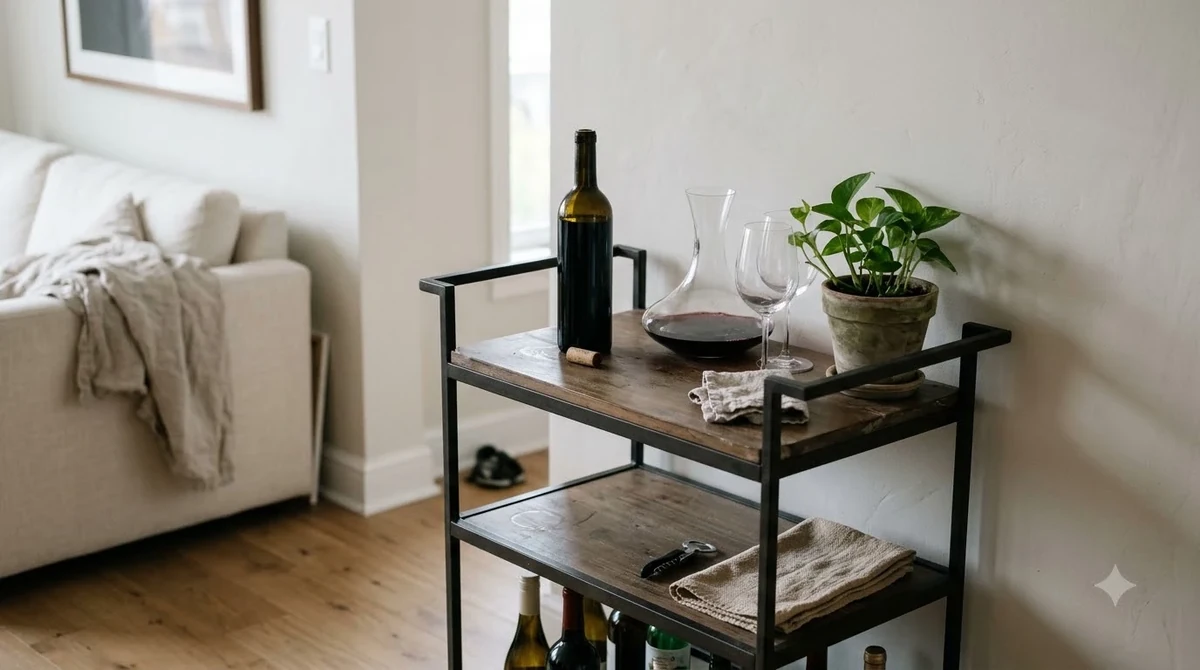
A young, tannic Cabernet can benefit from decanting for 30–60 minutes. Pouring the wine into a decanter exposes it to oxygen and can help open up its aromas. This is particularly useful for a structured young Napa Cabernet or a firm Bordeaux-style blend. Older wines require more care because prolonged oxygen exposure can cause delicate aromas to fade.
Choose a large-bowled red wine glass to provide room for swirling. A standard serving is approximately 5 ounces, and a 750 ml bottle contains roughly five such glasses. Avoid filling the glass to the rim; leaving sufficient room makes it easier to assess the wine’s aroma.
For longer-term storage, keep bottles in a dark, cool environment near 55°F with minimal temperature fluctuations and vibration. Bottles sealed with natural cork should generally be stored horizontally to keep the cork from drying out. Avoid leaving wine near direct sunlight, heating equipment, or warm kitchen appliances.
Once opened, reseal the bottle and refrigerate it. Most opened still wines are best consumed within approximately 3–5 days, although the wine’s condition, storage method, and exposure to oxygen affect how well it keeps. Allow refrigerated Cabernet to warm slightly before serving so its aromas are not muted.
Food pairing can also improve the drinking experience. Cabernet’s tannins interact with proteins and fats, making the wine a natural match for ribeye steak, lamb chops, short ribs, and grilled burgers. Aged cheddar and other flavorful hard cheeses are useful alternatives for a cheese course. For vegetarian meals, grilled portobello mushrooms and dishes with rich mushroom sauces can complement the wine’s earthy and savory characteristics.
When serving a Cabernet with a spicy dish, consider the alcohol level and intensity of the seasoning. High alcohol and firm tannins can amplify chili heat, making the wine feel harsher. Rich, savory meals with moderate seasoning are generally easier matches for a full-bodied Cabernet Sauvignon.
Frequently Asked Questions
Is Cabernet Sauvignon the same as Cabernet?
In ordinary wine retail terminology, Cabernet usually refers to Cabernet Sauvignon. Cabernet Franc is a separate grape variety, although it is closely related and commonly used in Bordeaux blends. The distinction matters because Cabernet Franc often displays more red-fruit and herbal characteristics.
Can Cabernet Sauvignon be made without oak aging?
Yes. Oak aging is common but not compulsory for Cabernet Sauvignon. Some producers use stainless steel, neutral vessels, or other maturation approaches to preserve primary fruit character. An unoaked Cabernet can emphasize fresh black fruit and grape-derived characteristics rather than vanilla and cedar.
Does Cabernet Sauvignon contain sulfites?
Most commercially produced wines contain sulfites, either naturally produced during fermentation or added during winemaking for preservation. The amount varies by producer and wine style. Sulfite labeling requirements also differ between countries and markets.
What does Cabernet Sauvignon’s color tell you?
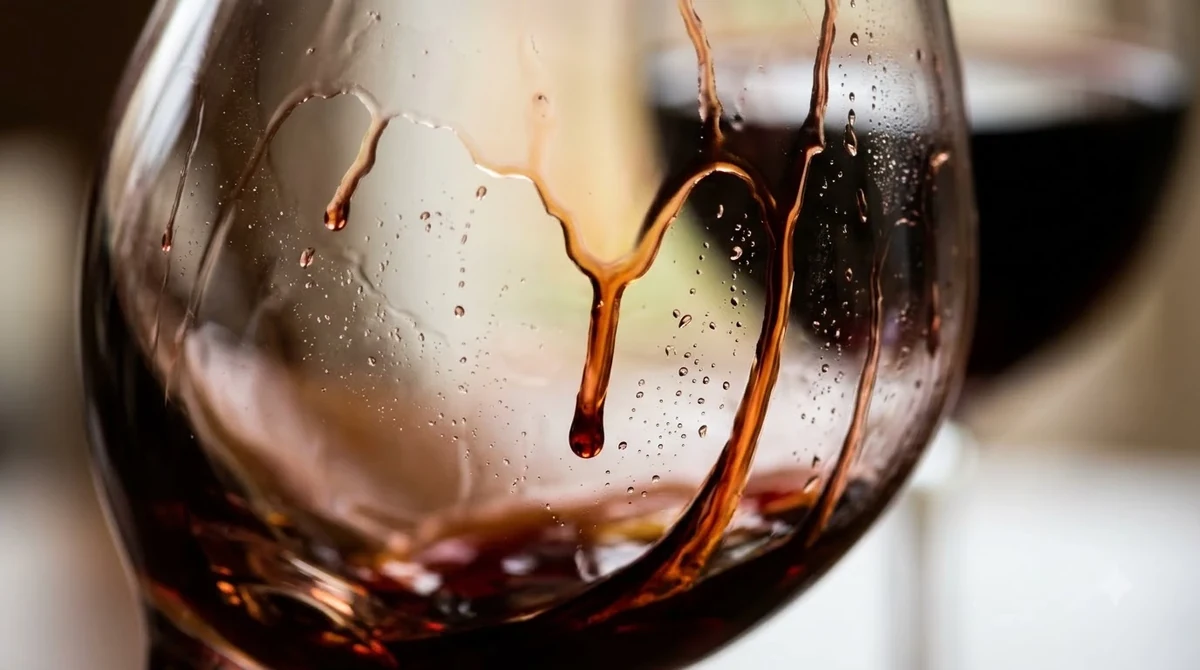
Cabernet Sauvignon commonly produces deeply colored red wines because its grape skins contain substantial pigment. Color can offer clues about the wine’s concentration and development, but it cannot independently establish quality. Age, grape-growing conditions, extraction, and winemaking techniques also influence appearance.
Is a Cabernet Sauvignon blend still considered Cabernet?
Yes, a blend can still be labeled Cabernet Sauvignon when it satisfies the applicable regional labeling requirements. In the United States, a wine generally needs at least 75% of the named grape variety to use that varietal designation, subject to applicable rules. The remaining portion can include compatible varieties such as Merlot or Cabernet Franc.
The best Cabernet Sauvignon at Total Wine is the bottle that matches your preferred combination of fruit, tannin, acidity, and oak influence. Start with Napa, Sonoma, or Paso Robles if you want to explore different California expressions, then compare Bordeaux and Chile for international alternatives. With a little attention to regional character and serving conditions, choosing a satisfying Cabernet becomes a much more straightforward experience.
More in Wine Buying Guides
 Cheap Red Blend: How to Find a Flavorful Bottle for LessUpdated Nov 20, 2026
 Pinot Grigio Gift: How to Choose a Bottle They’ll EnjoyUpdated Nov 20, 2026
 Best White Wine at Total Wine for Every MealUpdated Nov 20, 2026
 Wine Fridge Replacement Shelves: Find the Right FitUpdated Nov 20, 2026
 Best Sparkling Wine Under 20: Find Bubbles Worth BuyingUpdated Nov 20, 2026
 Best Wine For Birthday Celebrations With Perfect Party PairingsUpdated Nov 20, 2026