

We may earn a commission when you buy through links on this page, at no extra cost to you. Learn more.
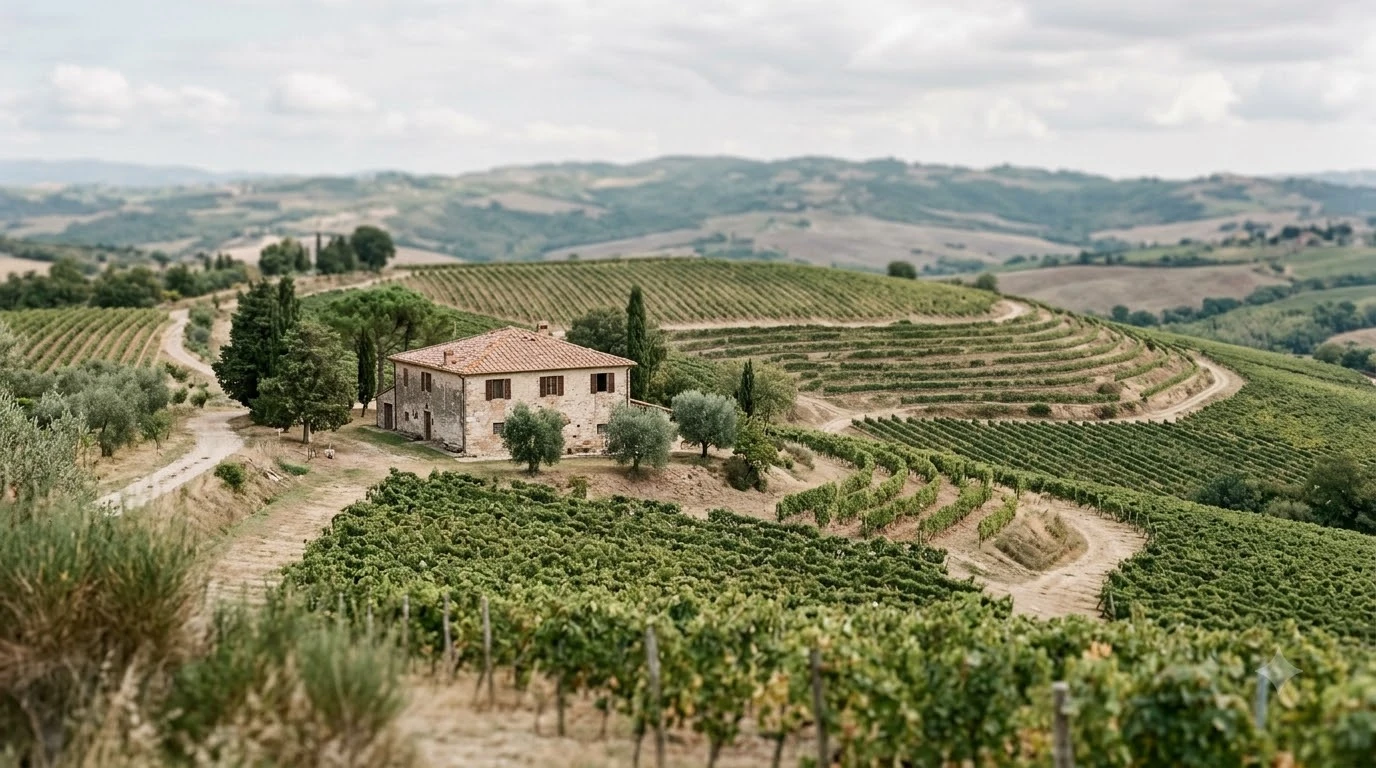
Maipo Valley wine is a full-bodied, structured style of Chilean wine—most famously Cabernet Sauvignon—produced in the historic Central Valley appellation surrounding Santiago. Located between the Andes Mountains and the Pacific coastal range, this Mediterranean-climate region accounts for roughly 11,000 hectares under vine and is widely regarded as the birthplace of modern Chilean winemaking. While red grapes represent around 85 percent of plantings, distinct elevation and coastal shifts allow the valley to produce everything from mint-tinged mountain Cabernet to crisp coastal white wines.
Often called the Bordeaux of South America, this region sits just outside Chile’s capital city and anchors the country’s fine-wine reputation. Whether you are exploring Wine Regions across the Southern Hemisphere or comparing high-elevation red appellations, understanding how Maipo’s geography shapes its bottles makes choosing and serving them much easier.
Overview of Maipo Valley Wine
Maipo Valley is the northernmost subregion of Chile’s Central Valley and the country’s oldest commercial winemaking zone, with viticultural roots stretching back more than 450 years to Spanish colonial plantings. Despite being smaller in total vineyard area than southern neighbors like Maule or Colchagua, it holds unmatched historical prestige and houses many of Chile’s most celebrated estates.
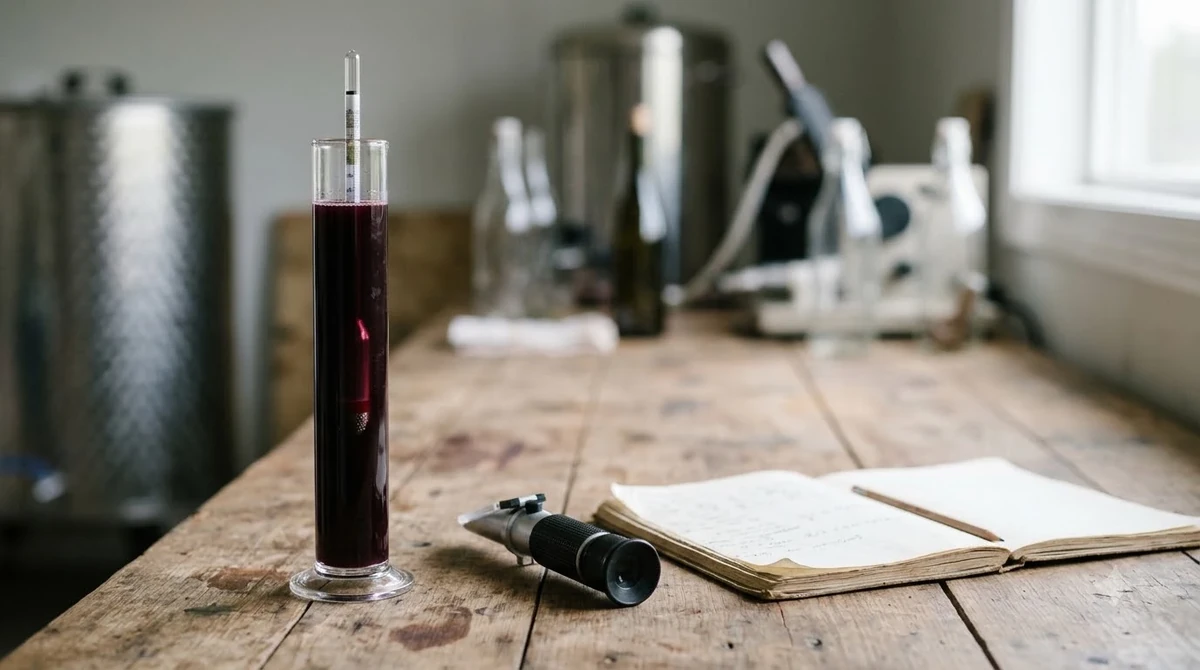
The valley enjoys a warm, dry Mediterranean climate with low annual rainfall averaging around 315 millimeters (12.4 inches), which falls mostly during the winter months. During the summer growing season, warm daytime sunshine ripens thick-skinned red grapes thoroughly, while cool air descending from the Andes Mountains triggers sharp diurnal temperature swings. This nightly drop in temperature preserves natural acidity in the fruit and prevents the wines from tasting heavy or jammy.
Soil composition shifts dramatically from east to west along the Maipo River basin. Near the Andean foothills, ancient alluvial fans deposit rocky, sandy gravel with low fertility and rapid drainage, forcing vines to dig deep for water and producing concentrated berries. Closer to the valley floor and riverbanks, soils transition into richer clay and loam, yielding plumper, more approachable fruit profiles.
Another defining advantage of the region is its isolation. Protected by the towering Andes to the east, the Pacific Ocean to the west, the Atacama Desert to the north, and Patagonian ice fields to the south, Chile escaped the 19th-century phylloxera louse epidemic. As a result, many older blocks in the Maipo Valley still grow on original, ungrafted European rootstocks, a rarity among major global wine regions.
Sub-Regions of the Maipo Valley
Winemakers and regulators divide the appellation into three distinct geographic zones—Alto Maipo, Central Maipo, and Pacific Maipo—each defined by elevation, soil drainage, and proximity to ocean breezes. Recognizing these sub-zones on a bottle label gives you immediate insight into the structure and flavor profile inside.
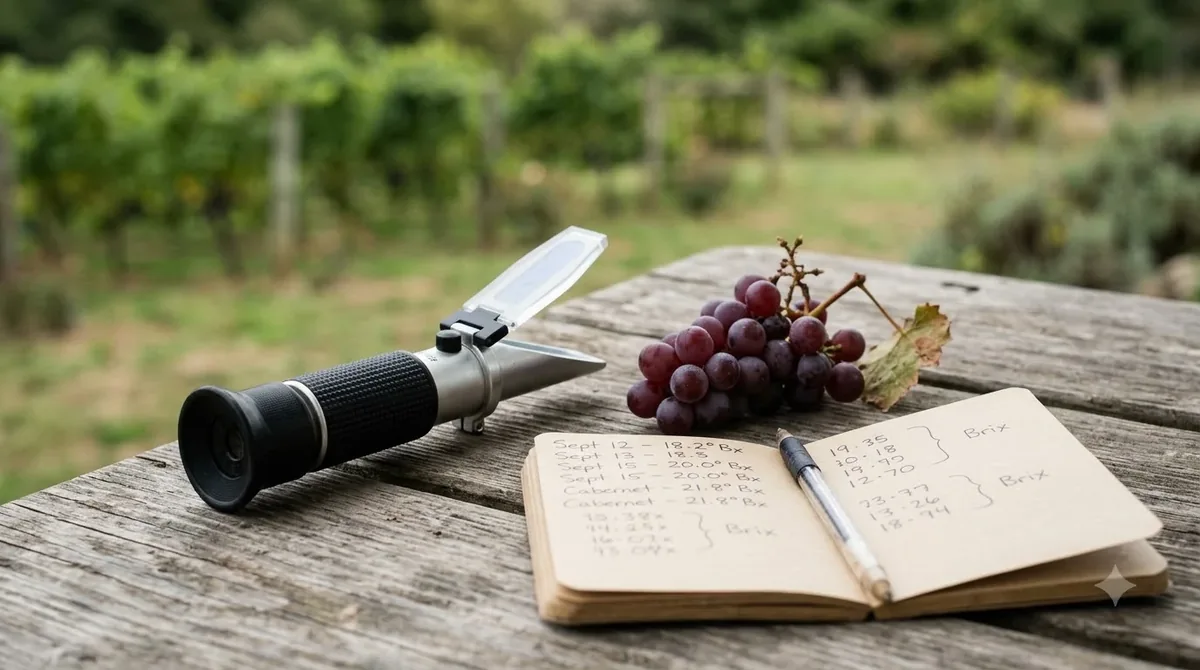
Alto Maipo sits against the western foothills of the Andes at elevations ranging from 400 to 700 meters (roughly 1,300 to 2,300 feet) above sea level. encompassing famous communes such as Puente Alto, Pirque, and Alto Jahuel, this is the valley’s premier fine-wine territory. The rocky alluvial soils and cold mountain nights produce small, thick-skinned grapes with firm, fine-grained tannins, bright acidity, and a signature herbal note of eucalyptus or fresh mint.
Central Maipo occupies the warmer, lower-lying basin around towns like Buin, Paine, and Isla de Maipo. With deeper alluvial clay soils and higher daytime temperatures than the foothills, this zone ripens fruit earlier and produces broader, plush-textured red wines. Bottles from Central Maipo typically emphasize ripe blackberry, dark plum, and sweet spice with softer tannins, making them accessible shortly after release.
Pacific Maipo stretches westward toward the coastal hills around Talagante and Melipilla, where the Maipo River funnels cool maritime breezes and morning mist inland. Because temperatures rarely spike to extreme highs here, the growing season is moderated, allowing aromatic white varieties and fresher-styled reds to retain crisp natural tension.
| Sub-Region | Geography & Climate | Primary Soils | Signature Wine Style |
|---|---|---|---|
| Alto Maipo | Andean foothills (400–700 m); high diurnal temperature swings | Rocky gravel and poor alluvial stones | Structured, age-worthy Cabernet Sauvignon with firm tannins and herbal lift |
| Central Maipo | Warm valley floor; dry Mediterranean heat | Deeper alluvial clay and loam | Plush, fruit-forward Cabernet Sauvignon and spicy Carménère |
| Pacific Maipo | Coastal hills; cooling ocean breezes and morning mist | Granitic clay and sandy river deposits | Crisp Sauvignon Blanc, textured Chardonnay, and lighter reds |
Key Grapes and Styles
Red varieties dominate roughly 85 percent of Maipo Valley vineyards, led overwhelmingly by Cabernet Sauvignon, which accounts for more than half of all plantings in the region. While Bordeaux-style reds define the appellation’s global identity, winemakers also craft expressive Carménère, Syrah, and small-batch coastal whites.
Cabernet Sauvignon is the undisputed benchmark of the region. Reviewers at Decanter note that while Maipo was once pigeonholed for purely mint-driven reds, modern bottlings showcase remarkable depth, balancing blackcurrant, cassis, and dark cocoa with graphite, cedar, and fine-grained tannins. Depending on sub-region and winemaking style, alcohol levels typically sit between 13 percent and 14.5 percent ABV, offering both immediate richness and multi-decade cellar potential.
Carménère and Bordeaux Blends thrive in the warmer pockets of Central Maipo and lower Pirque. Originally transplanted from Bordeaux before vanishing there, Carménère ripens late and develops plush blackberry fruit layered with roasted red pepper, black peppercorn, and dark chocolate. Top estates frequently blend Cabernet Sauvignon with Carménère, Cabernet Franc, Merlot, or Petit Verdot to add mid-palate silkiness and aromatic complexity.
Syrah and White Varieties round out the valley’s modern portfolio. Syrah flourishes on hillside parcels in Alto and Central Maipo, delivering savory notes of smoked meat, violet, and cracked black pepper. Meanwhile, white grapes make up roughly 15 percent of plantings, concentrated near the cooler riverbanks of Pacific Maipo, where Sauvignon Blanc yields zesty citrus and herbal character and Chardonnay offers bright acidity alongside ripe stone fruit.
Notable Producers
The Maipo Valley is home to both nineteenth-century heritage estates that built Chile’s export industry and smaller, terroir-focused producers championing organic and biodynamic viticulture. Exploring the region’s roster of maipo valley wineries reveals how traditional family bodegas operate right alongside modern international joint ventures.
Historic pillars established in the mid-to-late 1800s still anchor the valley today. According to Wine Enthusiast, heritage estates such as Cousiño Macul (founded in 1856), Viña Carmen (1850), Viña Tarapacá (1874), Santa Carolina (1875), Santa Rita (1880), and Concha y Toro (1883) helped pioneer European vine selections in Santiago’s outskirts. Many of these legacy houses still maintain historic underground brick cellars and single-vineyard flagship bottlings, such as Santa Rita’s Casa Real and Concha y Toro’s Don Melchor.
In the modern era, high-profile collaborations and boutique pioneers have elevated the valley’s critical standing. Almaviva, established in Puente Alto in 1996 as a partnership between Concha y Toro and France’s Baron Philippe de Rothschild, set a global benchmark for Chilean Bordeaux-style blends. Alongside it, estates like Viña Aquitania, Perez Cruz, De Martino, and biodynamic pioneer Antiyal focus on low-intervention farming and site-specific expressions of Alto and Central Maipo.
How to Serve and Pair Maipo Valley Wine
Because Maipo Valley reds combine ripe dark fruit with firm structural tannins, proper serving temperature and aeration make a noticeable difference in the glass. Serving full-bodied Cabernet Sauvignon or Bordeaux blends slightly below room temperature—between 60°F and 68°F (16°C to 20°C)—keeps the alcohol feeling fresh and prevents oak spice from overwhelming the fruit.
For younger, tannic bottlings from Alto Maipo, decanting for 45 to 60 minutes softens the grip and opens up secondary aromas of cedar, tobacco leaf, and crushed herbs. Mature bottles aged ten years or longer need gentler handling: stand the bottle upright a few hours before opening to let sediment settle, then decant briefly just before pouring. If you are pouring a coastal Sauvignon Blanc or Chardonnay from Pacific Maipo, chill the bottle to 45°F to 50°F (7°C to 10°C) to highlight its crisp acidity.
At the dinner table, Maipo’s signature reds are natural companions for rich, savory proteins. Grilled ribeye steak, slow-roasted lamb shoulder, and charcoal-seared short ribs match the wine’s tannic backbone, while fat and char smooth out any astringency on the palate. For non-meat pairings, try aged hard cheeses like Manchego or aged Gouda, roasted portobello mushrooms, or lentil stews seasoned with rosemary and smoked paprika.
Tip: If a young Alto Maipo Cabernet feels overly firm right after opening, pour a small splash into your glass, swirl vigorously for 30 seconds, and let the open bottle rest on the counter for 30 minutes before dinner.
How to Buy Maipo Valley Wine
Shopping for Maipo Valley bottles becomes straightforward once you know how to read Chilean geographic designations and quality tiers on the front label. Look first for the Denominación de Origen (D.O.) statement: a broad “Valle del Maipo” designation indicates fruit sourced across the valley, while specific commune names like Puente Alto, Pirque, Buin, or Isla de Maipo signal tighter site selection and clearer terroir character.
Pay attention to traditional Chilean aging terms as well, though keep in mind they are style cues rather than strict legal minimums. Bottles labeled Reserva typically see brief oak contact and emphasize bright, everyday fruit, while Gran Reserva and single-vineyard bottlings spend longer in French or American oak barrels, offering deeper structure and cellar longevity. If you enjoy structured New World Cabernet from regions like knights valley wine or suisun valley wine in California, Alto Maipo bottlings deliver a remarkably similar balance of ripe black fruit and mountain freshness.
Vintage variation in Maipo is gentler than in Europe thanks to reliable sunshine, though cooler coastal years produce leaner, more herbal reds with brisk acidity, while warmer vintages yield lush, dark-fruited bottles. Most Reserva reds drink well within three to five years of vintage, whereas top Puente Alto flagships easily reward ten to twenty years in a cool cellar.
Frequently Asked Questions
What is Maipo Valley wine best known for?
Maipo Valley is best known for full-bodied, structured Cabernet Sauvignon and Bordeaux-style red blends grown just outside Santiago, Chile. Its top hillside vineyards in Alto Maipo produce concentrated reds marked by blackcurrant fruit, firm tannins, and subtle notes of mint or eucalyptus.
Why is Maipo Valley called the Bordeaux of South America?
The region earned this nickname in the nineteenth century when wealthy Chilean landowners imported noble French grape varieties—led by Cabernet Sauvignon, Merlot, and Carménère—and hired French winemakers to establish estates near Santiago. Its Mediterranean climate and gravelly alluvial soils proved ideally suited to classic Bordeaux grapes.
Does Maipo Valley make white wine?
Yes, roughly 15 percent of Maipo Valley’s vineyard acreage is planted to white grapes, primarily Sauvignon Blanc and Chardonnay. Most white wine production is concentrated in the cooler western sub-region of Pacific Maipo, where ocean breezes from the Maipo River preserve crisp acidity.
How long can you age Maipo Valley Cabernet Sauvignon?
Entry-level and Reserva Maipo Valley Cabernets are crafted for enjoyment within three to six years of the vintage date. However, top single-vineyard and flagship bottlings from rocky Alto Maipo communes like Puente Alto and Pirque can age gracefully for 15 to 25 years or more.
From approachable Central Valley reds to collector-grade hillside Cabernet Sauvignon, Maipo Valley offers a clear window into Chile’s winemaking heritage. Use the sub-region cues on the label to match the bottle’s structure to your meal, chill it lightly before pouring, and let its mountain-cooled balance shine.
More in Wine Regions
 Willcox Wine Trail: Discover Arizona’s High-Elevation Wine CountryUpdated Nov 20, 2026
 Yakima Valley Wine Region: Find the Best Styles to TryUpdated Nov 20, 2026
 Vosne Romanee Wine Tasting: Identify Aromas and Choose Better PairingsUpdated Nov 20, 2026
 Yakima Valley Wine Festival: Find the Best Seasonal Wine EventsUpdated Nov 20, 2026
 Wales Vineyards: Discover Cool-Climate Wines and Where to VisitUpdated Nov 20, 2026
 Yountville Wine Festival: Discover Napa Wines and Local FoodUpdated Nov 20, 2026