

We may earn a commission when you buy through links on this page, at no extra cost to you. Learn more.
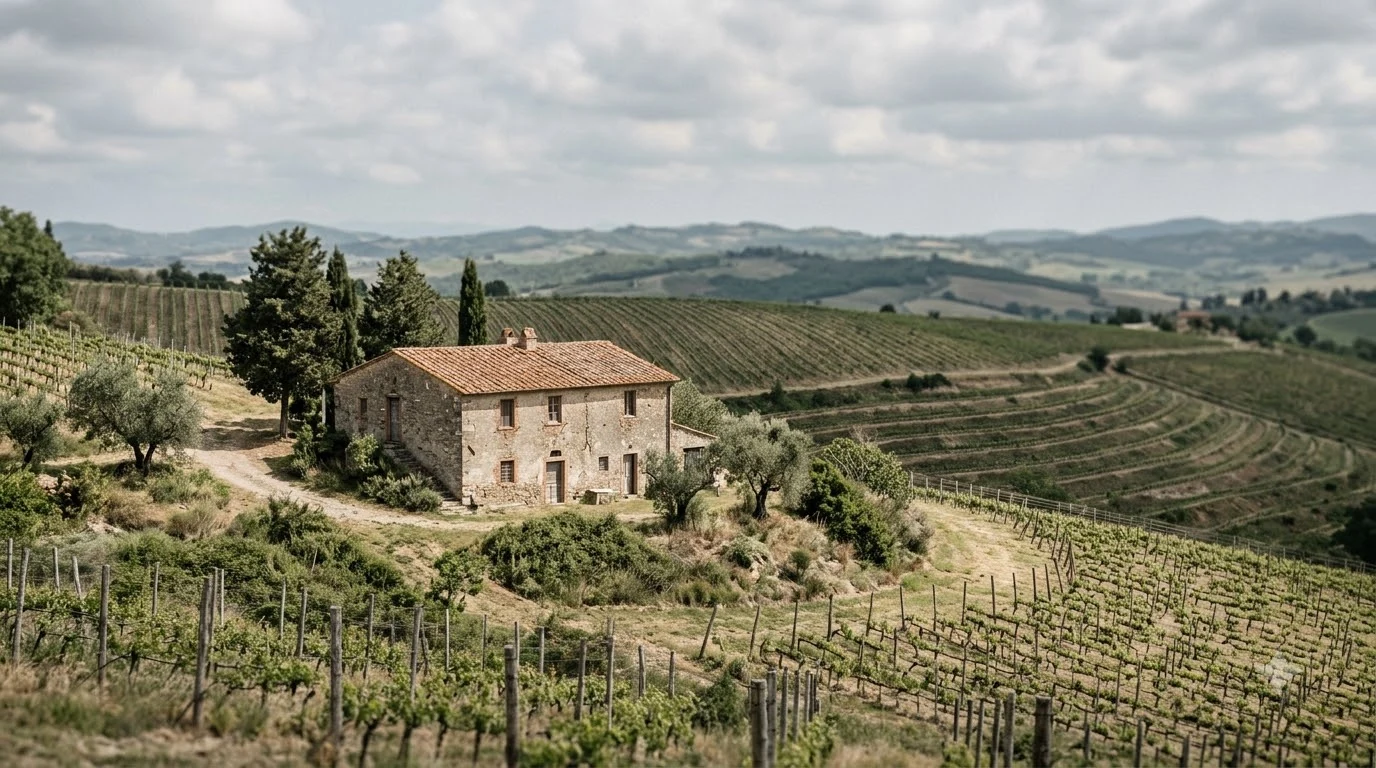
Maipo Valley wineries are clustered just south of Santiago, Chile, forming the country’s oldest and most historically significant commercial wine region. Situated at the northern tip of Chile’s Central Valley between the Andes Mountains and the Pacific Coastal Range, these estates are famous for structured, fruit-driven Cabernet Sauvignon often compared to fine Bordeaux. Visitors can explore both nineteenth-century historic cellars and modern biodynamic vineyards within a 30-to-60-minute drive from the capital.
Because Santiago’s southern suburbs border the region’s northern edge, Maipo Valley offers unmatched accessibility for travelers and wine enthusiasts alike. From legendary grand estates established during Chile’s nineteenth-century mining boom to boutique producers farming on ungrafted rootstocks, the valley showcases how elevation and coastal air shape Chilean winemaking.
Overview of Maipo Valley Wineries
Commercial winemaking in the Maipo Valley began in the 1540s alongside the founding of Santiago, though the region’s modern prestige took root in the 1800s when wealthy Chilean families imported French grape varieties and winemaking expertise. Today, the valley serves as the historic heart of maipo valley wine, balancing centuries-old cellars with contemporary sustainable viticulture.
The valley occupies a narrow basin framed by two dramatic mountain barriers. To the east, the snow-capped Andes rise abruptly, separating Maipo from Argentina’s Mendoza region and sending cool mountain breezes down into the foothills at night. To the west, the Coastal Range blocks much of the direct Pacific moisture, creating a dry Mediterranean climate with generous sunshine during the growing season.
One of Chile’s most notable viticultural advantages is its isolation from phylloxera, the microscopic root louse that devastated European and North American vineyards in the nineteenth century. Because natural barriers kept the pest out, many older vines in Maipo still grow on their original ungrafted rootstocks, contributing to the concentrated character of the region’s top bottlings.
Sub-Regions of the Maipo Valley
Winemakers and wine authorities divide Maipo Valley into three distinct east-to-west zones—Alto Maipo, Central Maipo, and Maipo Bajo—each defined by elevation, soil composition, and proximity to mountain or coastal cooling influences. Understanding these sub-regions clarifies why bottles from the same valley can taste remarkably different.
Alto Maipo (Upper Maipo) sits along the rocky, alluvial foothills of the Andes at the eastern edge of the valley and holds the highest reputation for fine red wine. Encompassing prized communes such as Puente Alto and Pirque, Alto Maipo experiences dramatic diurnal temperature swings of 15 to 20 degrees Celsius between warm afternoons and chilly Andean nights. These cool nights slow down grape ripening, preserving natural acidity and producing structured, age-worthy reds with firm tannins and subtle herbal or minty notes.
Central Maipo (Maipo Medio) stretches across the warmer, flatter valley floor between the foothills and the coastal hills. With deeper, more fertile alluvial soils and less intense mountain cooling, this central zone yields riper, fuller-bodied red wines with softer tannins and generous dark fruit flavors. Many of Chile’s dependable, everyday Cabernet Sauvignon and Carménère bottlings originate in these sun-drenched vineyards.
Maipo Bajo (Lower Maipo) lies furthest west toward the Pacific Coastal Range, centered around towns like Isla de Maipo and Talagante. Here, cooling sea breezes and morning coastal mists funnel along the Maipo River corridor, moderating afternoon heat. While several large wineries maintain production cellars here to vinify fruit from across Chile, local vineyards near the riverbanks also excel at crisp white varieties like Sauvignon Blanc and Chardonnay alongside fresher styles of red wine.
| Sub-Region | Geographic Position | Climate & Terroir | Signature Wine Style |
|---|---|---|---|
| Alto Maipo | Eastern Andean foothills (Puente Alto, Pirque) | Rocky alluvial soils; large day-to-night temperature swings | Structured, age-worthy Cabernet Sauvignon and Bordeaux blends |
| Central Maipo | Central valley floor (Maipo Medio) | Warmer, drier climate; deeper fertile soils | Plush, fruit-forward Cabernet Sauvignon and Carménère |
| Maipo Bajo | Western edge near Coastal Range (Talagante, Isla de Maipo) | Cooling river breezes and coastal morning mist | Crisp Sauvignon Blanc, bright Chardonnay, lighter-framed reds |
Key Grapes and Wine Styles
Cabernet Sauvignon dominates Maipo Valley vineyards, accounting for roughly 60 percent of plantings according to Decanter’s regional coverage, though Carménère, Syrah, Cabernet Franc, and coastal-influenced white grapes play increasingly important roles. This stylistic range has earned the valley its longstanding nickname as the Bordeaux of South America.
Maipo Cabernet Sauvignon typically displays deep aromas of black currant, dried blackberry, and black cherry layered with graphite, cedar, dark chocolate, and a signature touch of dried herbs or green peppercorn. Wines from higher Andean slopes lean toward savory restraint and firm, grippy tannins that can evolve for 20 to 30 years in bottle, whereas valley-floor expressions feel rounder, lusher, and approachable shortly after release.
Beyond Cabernet, Carménère thrives in Maipo’s warm, dry pockets, delivering plush plum and raspberry fruit accented by milk chocolate and cracked peppercorn. Syrah and Cabernet Franc have also gained momentum on steeper hillside sites, offering energetic acidity and smoky spice. On the white wine front, Chardonnay from cooler river-influenced sites shows vibrant apple and fig notes with crisp acidity, while Sauvignon Blanc emphasizes citrus and fresh herbal aromatics.
Notable Producers in Maipo Valley
The roster of Maipo Valley wineries spans nineteenth-century founding estates, high-profile international joint ventures, and small-scale organic and biodynamic pioneers. As highlighted by Wine Folly’s guide to Chilean Cabernet, both historic giants and boutique estates shape the valley’s modern identity.
Historic Founding Estates: Concha y Toro, founded in 1883 in Pirque, stands as Chile’s largest wine producer and crafts its flagship Don Melchor Cabernet Sauvignon in Puente Alto. Nearby, Cousiño Macul (founded in 1856) remains one of the original family-owned estates still operating in the Santiago metropolitan area, while Santa Rita (founded in 1880), Viña Carmen (founded in 1850), Santa Carolina (1875), and Viña Tarapacá (1874) anchor the valley’s nineteenth-century heritage.
Iconic Single-Vineyard and Joint-Venture Wineries: Viña Almaviva in Puente Alto represents a landmark Franco-Chilean partnership that produces one of South America’s most celebrated Bordeaux-style blends. Viñedo Chadwick, established by Viña Errazuriz on a former polo field in Puente Alto, and Domus Aurea by Viña Quebrada de Macul demonstrate the international pedigree of Alto Maipo terroir, while Viña Aquitania—founded by prominent French winemakers in the foothills—crafts refined, European-styled Cabernet Sauvignon.
Boutique and Biodynamic Innovators: Smaller producers have redefined Maipo’s range through organic and biodynamic farming. Antiyal, led by winemaker Álvaro Espinoza, pioneered biodynamic viticulture in Chile with small-lot blends from Alto Maipo. De Martino (founded in 1934 in Isla de Maipo), Odfjell Vineyards, Perez Cruz, and Haras de Pirque—famous for combining thoroughbred horse breeding with organic winemaking—round out the valley’s dynamic contemporary scene.
Tips for Visiting Maipo Valley Wineries
Because most Maipo Valley wineries sit within an hour’s drive of central Santiago, the region is ideal for half-day or full-day wine excursions, provided you plan reservations and transportation ahead of time. Unlike walk-in tasting rooms found in some North American wine countries, Chilean estates operate primarily by scheduled tour and tasting appointment.
Booking tours at least one to two weeks in advance ensures access to English-speaking guides, underground historic cellars, and vineyard lunches. Many travelers pair a morning visit to a grand historic estate such as Cousiño Macul, Concha y Toro, or Santa Rita with an afternoon tasting at a smaller hillside producer like Perez Cruz, Haras de Pirque, or Antiyal to experience contrasting winemaking philosophies in a single day.
Tip: Arrange a private driver, hired car, or organized small-group tour from Santiago rather than driving yourself, as Chile enforces strict zero-tolerance drinking-and-driving laws and winery gates can be spread across suburban and rural roads.
Timing your trip between October and April offers warm, dry weather and clear views of the Andes, with the grape harvest running from late February through April. Even in summer, mornings and late afternoons in Alto Maipo can feel brisk due to mountain air, so packing a light jacket is practical when stepping into cool underground barrel cellars.
How to Buy Maipo Valley Wines
When shopping for Maipo Valley wines at a retail shop or restaurant, reading the label carefully helps match the bottle to your palate and occasion. Look first for sub-regional designations: bottles labeled Alto Maipo, Puente Alto, or Pirque generally indicate higher-elevation fruit with greater structure, firmer tannins, and stronger aging potential than broader Valle del Maipo or Central Valley bottlings.
Understanding Chilean quality tiers also provides helpful context, even though terms like Reserva, Gran Reserva, and Icon are driven largely by producer standards rather than strict legal aging minimums. Entry-level and Reserva bottlings emphasize fresh, juicy dark fruit and smooth texture suited for immediate weeknight enjoyment, while Gran Reserva and single-vineyard releases spend longer in French oak barrels and reward decanting for an hour or two before serving.
Comparing Maipo Valley bottles alongside other celebrated Wine Regions highlights why Chilean Cabernet remains a staple for collectors and casual drinkers alike. While Napa sub-regions like knights valley wine lean toward plush, sun-drenched richness and Australian destinations such as mclaren vale wineries showcase velvety Shiraz, Maipo Valley carves out a distinct middle ground between New World fruit purity and Old World herbal restraint.
Frequently Asked Questions
What grape is Maipo Valley most famous for?
Maipo Valley is most famous for Cabernet Sauvignon, which makes up roughly 60 percent of the region’s vineyard plantings. The valley’s warm days, cool Andean nights, and alluvial soils produce structured, age-worthy Cabernets showing black currant, cedar, and subtle herbal notes.
How far are Maipo Valley wineries from Santiago?
Most Maipo Valley wineries are located 30 to 60 minutes south of downtown Santiago by car. A few historic estates, such as Cousiño Macul and Viña Aquitania, sit directly inside Santiago’s southeastern suburbs along the foothills of the Andes.
What is the difference between Alto Maipo and Central Maipo?
Alto Maipo sits in the higher, rockier Andean foothills on the eastern side of the valley, where cool night breezes yield structured, aromatic, and long-lived red wines. Central Maipo lies on the warmer, more fertile valley floor to the west, producing riper, softer, and more fruit-forward reds.
Do you need reservations to visit wineries in Maipo Valley?
Yes, nearly all Maipo Valley wineries require advance reservations for tours and tastings. Booking online or by email at least one to two weeks ahead is recommended, especially if you want an English-language guide or a vineyard lunch pairing.
Whether you are planning an afternoon tasting itinerary out of Santiago or selecting a bottle of Alto Maipo Cabernet Sauvignon for dinner, Maipo Valley wineries offer an accessible window into Chile’s winemaking heritage. Exploring the contrast between its mountain foothills and coastal-cooled riverbanks reveals why this historic valley remains South America’s benchmark for classic red wine.
More in Wine Regions
 Willcox Wine Trail: Discover Arizona’s High-Elevation Wine CountryUpdated Nov 20, 2026
 Yakima Valley Wine Region: Find the Best Styles to TryUpdated Nov 20, 2026
 Vosne Romanee Wine Tasting: Identify Aromas and Choose Better PairingsUpdated Nov 20, 2026
 Yakima Valley Wine Festival: Find the Best Seasonal Wine EventsUpdated Nov 20, 2026
 Wales Vineyards: Discover Cool-Climate Wines and Where to VisitUpdated Nov 20, 2026
 Yountville Wine Festival: Discover Napa Wines and Local FoodUpdated Nov 20, 2026