

We may earn a commission when you buy through links on this page, at no extra cost to you. Learn more.
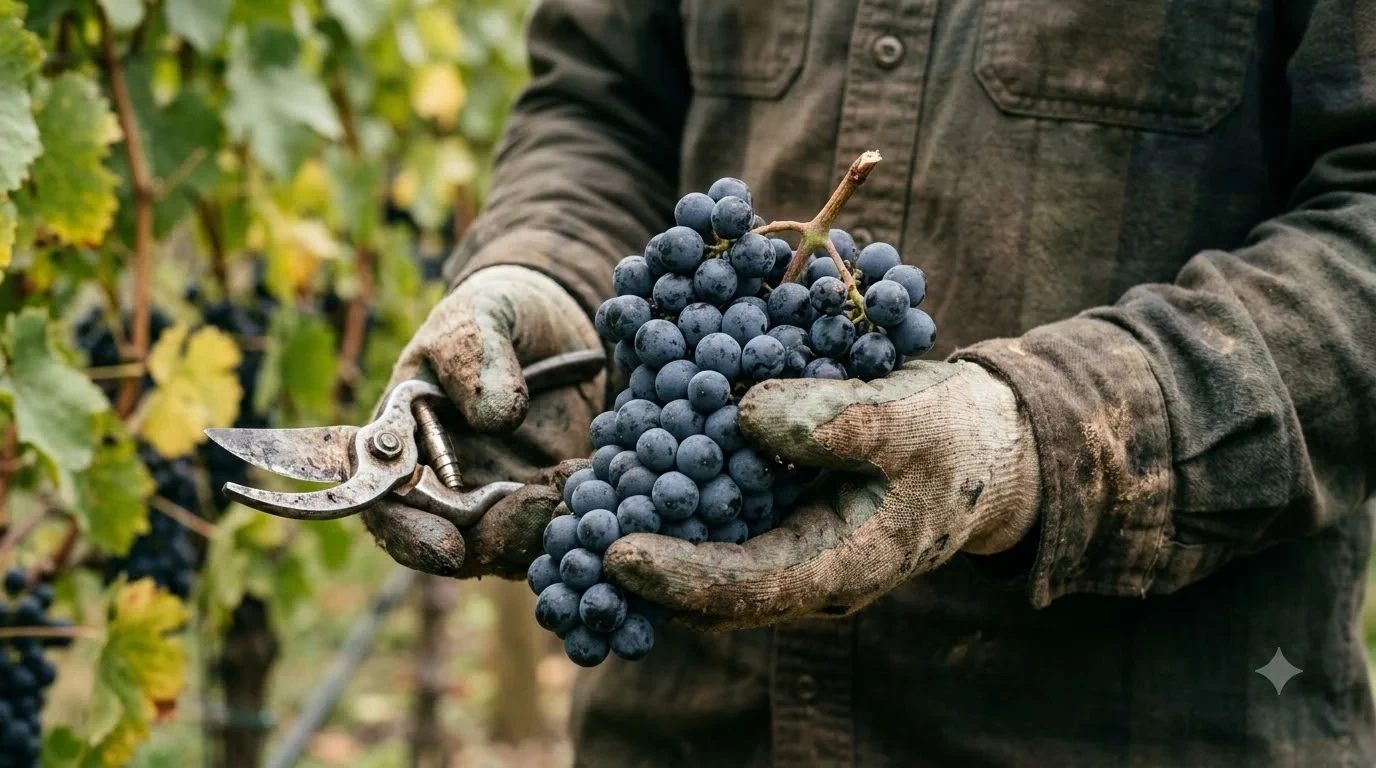
McLaren Vale wineries sit along the Fleurieu Peninsula in South Australia, roughly 22 miles south of Adelaide, where a warm Mediterranean climate meets cooling afternoon breezes from Gulf St Vincent. Founded in 1838 when John Reynell planted the state’s first commercial vines, the region spans over 7,300 hectares under vine and includes more than 80 cellar doors. Red varieties make up roughly 90 percent of total plantings, led by concentrated Shiraz, fragrant old-vine Grenache, structured Cabernet Sauvignon, and Mediterranean grapes like Fiano, Tempranillo, and Sangiovese.
Sandwiched between the Mount Lofty Ranges and the white-sand beaches of the Gulf St Vincent coastline, McLaren Vale offers an unusually compact viticultural landscape with more than 40 distinct geological units. Exploring the producers across this historic district reveals how ancient soils, dry summers, and sustainable farming shape everything from plush, collectible reds to crisp coastal whites. For readers mapping out classic Wine Regions across the Southern Hemisphere, few districts pack so much geological contrast and tasting-room accessibility into a single valley.
Overview of McLaren Vale Wineries
McLaren Vale is the birthplace of South Australia’s wine industry and remains one of the country’s most accessible, quality-driven coastal wine districts. Bounded by Hallett Cove to the north, Clarendon to the east, the Willunga foothills to the south, and Sellicks Beach along the coast, the Geographical Indication gained official recognition in 1997.
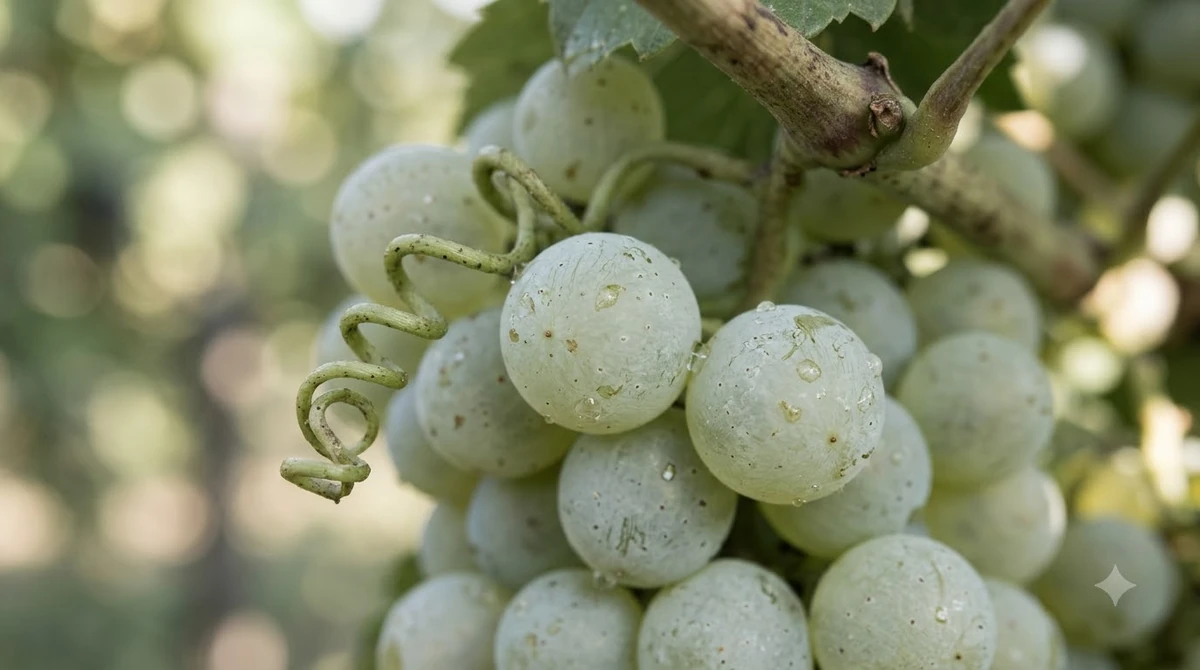
Commercial viticulture began here in 1838, just two years after the colony of South Australia was established, when English farmer John Reynell planted vine cuttings and later hired a young Thomas Hardy to work the land. During the early twentieth century, much of the valley’s production centered on fortified wines built for export. After the 1960s, winemakers shifted decisively toward dry table wines, turning old bush-vine parcels into single-vineyard bottlings that drew international attention.
Today, the McLaren Vale Grape Wine & Tourism Association represents roughly 170 wine brands, 82 cellar doors, and more than 530 independent grape growers. According to Wine Australia, the region holds the highest concentration of certified organic and biodynamic vineyards in the country, supported by strict water management and reclaimed wastewater networks that reduce reliance on river irrigation.
Sub-Regions and Geological Districts
Rather than dividing into rigid political sub-appellations, McLaren Vale is defined by elevation shifts and more than 40 geological formations ranging in age from 15,000 years to over 650 million years. Producers routinely bottle single-vineyard wines to highlight how sandy ridges, alluvial valley flats, and ironstone slopes alter tannin grip and aromatics.
Along the higher eastern and northeastern edges, districts like Blewitt Springs and Clarendon sit at elevations around 210 to 220 meters above sea level near the Onkaparinga Gorge. In Blewitt Springs, deep Maslin sands over clay and ironstone combine with cooler afternoon breezes to delay harvest by two to three weeks compared with the valley floor, yielding lifted, floral Grenache and refined Shiraz. Clarendon’s ancient loams and red-brown clays produce structured, savory reds from century-old bush vines.
Closer to the center of the valley and toward the Willunga foothills, alluvial clays, Blanche Point limestone, and Pirramimma sandstone support richer, broader-shouldered fruit. Vineyards near Seaview and the southern foothills catch cool winds descending from the Sellick Hill Range, preserving natural acidity during dry summers when temperatures climb.
| District / Zone | Dominant Soils & Geology | Key Microclimate Trait | Signature Wine Style |
|---|---|---|---|
| Blewitt Springs | Deep South Maslin sand over clay and ironstone | Higher elevation, delayed harvest by 2–3 weeks | Perfumed, medium-bodied Grenache and bright Shiraz |
| Clarendon | Ancient loam over red-brown clay and bedrock | Cool gully air near Onkaparinga Gorge | Structured, age-worthy old-vine Grenache and Shiraz |
| Central Valley & Seaview | Alluvial clay, Pirramimma sandstone, limestone | Warm days moderated by Gulf St Vincent sea breezes | Plush, full-bodied Shiraz and Cabernet Sauvignon |
| Willunga Foothills | Eroded clay, silt, and gravel fans | Cool evening drafts off the Sellick Hill Range | Savory reds and crisp Mediterranean whites |
Key Grapes and Wine Styles
Red grapes account for roughly 90 percent of McLaren Vale’s vineyard acreage, anchored by Shiraz, Cabernet Sauvignon, and Grenache, alongside a fast-growing wave of Italian and Spanish varieties. The region’s dry summers and mild, wet winters keep fungal pressure low and allow grapes to reach full phenolic ripeness without losing freshness.
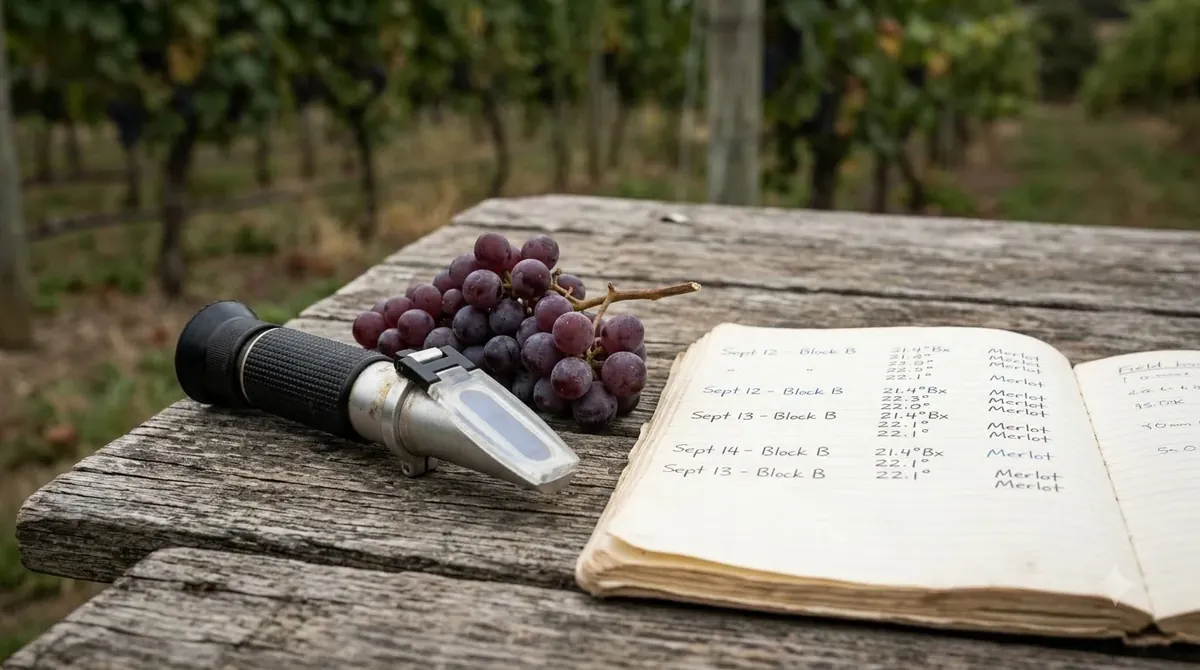
Shiraz is the undisputed flagship, covering nearly 45 percent of plantings. Classic McLaren Vale Shiraz is generous and plush, layered with blackberry, dark plum, licorice, cocoa, and cracked black pepper, yet framed by fine-grained tannins rather than heavy astringency. Many producers also co-ferment Shiraz with small amounts of Viognier skins or craft GSM blends—combining Grenache, Shiraz, and Mourvèdre—for added aromatic lift and mid-palate spice.
Old-vine Grenache has experienced a major renaissance across the district. Grown largely on dry-farmed bush vines planted in the early-to-mid twentieth century, modern McLaren Vale Grenache favors gentle extraction, whole-bunch fermentation, and neutral French oak puncheons, resulting in translucent ruby wines bursting with red cherry, cardamom, and dried herbs. Alongside Cabernet Sauvignon—known here for cassis, mint, and supple tannins—winemakers increasingly champion climate-appropriate grapes such as Fiano, Vermentino, Tempranillo, Sangiovese, and Nero d’Avola.
Notable Producers to Know
McLaren Vale’s winery landscape balances multi-generational family estates founded in the nineteenth century with small, minimalist winemakers working leased old-vine blocks. Reviewers at Wine Enthusiast and Decanter consistently highlight both historic houses and contemporary Grenache specialists when assessing the region’s benchmark bottles.
Among the heritage names, d’Arenberg—led by fourth-generation winemaker Chester Osborn—remains an icon for old-vine reds, Rhône whites, and its five-story Rubik’s-Cube-inspired tasting room. Kay Brothers Amery Vineyards, established in 1890, farms ancient South Maslin sand blocks and produces the collectible Block 6 Shiraz alongside traditional fortifieds. Hardys Tintara, Wirra Wirra, and Coriole—founded in 1967 and an early pioneer of Australian Sangiovese—likewise anchor the region’s historic core.
On the contemporary and single-vineyard front, Yangarra Estate Vineyard and Willunga 100 have earned acclaim for site-specific, organic and biodynamic Grenache bottlings from Blewitt Springs and Clarendon. Other widely recognized labels include Paxton Wines, known for biodynamic farming over ancient rock formations, as well as Chapel Hill, Gemtree Wines, Two Hands, Mollydooker, and SC Pannell.
Tips for Visiting McLaren Vale Cellar Doors
Located roughly a 40-minute drive south of downtown Adelaide, McLaren Vale is compact enough to explore in a single day yet varied enough to reward a multi-day stay. Most cellar doors sit within a 10-to-15-minute drive of one another along tree-lined country roads between Reynella, McLaren Vale township, and Willunga.
Spring (September through November) and autumn (March through May) bring mild daytime temperatures, active vineyard canopies, and harvest energy without peak summer heat. Because many smaller estates—such as Willunga 100’s Grenache Room or boutique single-vineyard producers—offer seated, structured tastings rather than walk-up bar pours, reserving appointments several days ahead is essential, especially on weekends.
Tip: Pair your cellar-door route with a stop at the Saturday morning Willunga Farmers Market, and download the official geology map from the regional wine association to visit excavated soil pits at estates like Paxton, Maxwell, and d’Arenberg.
Visitors can also follow the Shiraz Trail, a paved cycling and walking path running along a former railway line between McLaren Vale and Willunga that passes several tasting rooms and olive groves. Post-war Italian immigration shaped the valley’s food culture, so regional winery restaurants focus heavily on seasonal Fleurieu Peninsula produce, local olive oil, and coastal seafood.
How to Buy and Enjoy McLaren Vale Wines
In the United States, McLaren Vale bottles appear most reliably in independent fine-wine shops and specialty Australian sections, where labels clearly state the McLaren Vale Geographical Indication. Checking the back label for sub-regional names like Blewitt Springs or Clarendon helps narrow down style, signaling brighter, more aromatic reds compared with richer valley-floor bottlings.
When shopping for reds, look at vintage notes and oak descriptions: wines aged in older French oak puncheons or stainless steel emphasize pure red fruit and spice, while new American or French barriques add vanilla, mocha, and denser structure. For whites, Fiano and Vermentino from recent vintages deliver crisp citrus, almond, and saline minerality suited to warm-weather drinking.
Serve McLaren Vale Grenache and GSM blends slightly cool at 58 to 62 degrees Fahrenheit to keep their red-berry aromatics sharp, and decant full-bodied Shiraz or Cabernet Sauvignon for 30 to 60 minutes before pouring at 62 to 65 degrees Fahrenheit. Like the full-bodied reds found among piedmont wineries or maipo valley wineries, structured single-vineyard Shiraz and Cabernet from McLaren Vale easily reward 8 to 15 years of cellar aging, while entry-level blends and Mediterranean whites shine within two to five years of release. Those who enjoy classic fortified expressions from douro wineries can also seek out aged Tawny and Muscat bottlings produced by historic estates in the valley.
Frequently Asked Questions
Where are McLaren Vale wineries located?
McLaren Vale wineries are located on the Fleurieu Peninsula in South Australia, about 22 miles (35 kilometers) south of Adelaide. The wine region stretches from the coastal cliffs of Gulf St Vincent inland toward the Mount Lofty Ranges and Willunga foothills.
What wine is McLaren Vale most famous for?
McLaren Vale is most famous for rich, velvety Shiraz and old-vine Grenache, along with GSM (Grenache-Shiraz-Mourvèdre) blends. According to Wine Australia, red grapes account for roughly 90 percent of the region’s vineyard plantings, complemented by Mediterranean varieties such as Fiano, Vermentino, and Tempranillo.
How many wineries and cellar doors are in McLaren Vale?
The McLaren Vale Grape Wine & Tourism Association represents around 170 wine brands and 82 public cellar doors across more than 7,300 hectares of vineyards. Because many small producers share winemaking facilities or operate by-appointment tasting rooms, checking opening hours in advance is recommended.
Are McLaren Vale wines organic or sustainable?
McLaren Vale holds the highest concentration of certified organic and biodynamic vineyards in Australia. Many estates also participate in Sustainable Winegrowing Australia and rely on recycled water pipelines and low-intervention soil management to protect vineyard health.
Whether you are uncorking an old-vine Blewitt Springs Grenache at home or planning a coastal tasting itinerary south of Adelaide, McLaren Vale rewards curiosity with distinct site character and approachable hospitality. Paying attention to soil districts, grape varieties, and vintage styles makes it easy to find bottles that match your table.
More in Wine Regions
 Willcox Wine Trail: Discover Arizona’s High-Elevation Wine CountryUpdated Nov 20, 2026
 Yakima Valley Wine Region: Find the Best Styles to TryUpdated Nov 20, 2026
 Vosne Romanee Wine Tasting: Identify Aromas and Choose Better PairingsUpdated Nov 20, 2026
 Yakima Valley Wine Festival: Find the Best Seasonal Wine EventsUpdated Nov 20, 2026
 Wales Vineyards: Discover Cool-Climate Wines and Where to VisitUpdated Nov 20, 2026
 Yountville Wine Festival: Discover Napa Wines and Local FoodUpdated Nov 20, 2026