

We may earn a commission when you buy through links on this page, at no extra cost to you. Learn more.
Comparing nero d avola vs sangiovese comes down to plush dark fruit and fuller body against tart red cherry and brisk acidity. Nero d’Avola, Sicily’s flagship red grape, delivers ripe blackberry, black plum, and soft-to-medium tannins with a warm Mediterranean finish. Sangiovese, the backbone of Tuscan reds like Chianti Classico and Brunello di Montalcino, brings higher acidity, firmer grippy tannins, and savory notes of sour cherry, dried oregano, and tomato leaf.
Both grapes sit at the center of Italian wine culture, yet they reflect two contrasting climates and winemaking traditions. Choosing between them depends on whether a meal calls for sun-drenched fruit richness or mouthwatering, palate-cleansing structure.
Side-by-Side Comparison: Nero d’Avola vs Sangiovese
Nero d’Avola generally leans darker, rounder, and slightly higher in alcohol, while Sangiovese stands out for crisp acidity and firmer tannic grip. The table below outlines how standard dry expressions of each grape compare across key tasting and serving metrics.
| Attribute | Nero d’Avola | Sangiovese |
|---|---|---|
| Primary Region | Sicily (Sicilia DOC, Noto DOC) | Tuscany (Chianti Classico, Montalcino) |
| Body | Medium-plus to full | Medium to full |
| Acidity | Medium to medium-plus | High |
| Tannins | Medium (ripe and rounded) | Medium-plus to high (grippy) |
| Typical ABV | 13.5% to 14.5% | 13% to 14.5% |
| Core Fruit Flavors | Black cherry, blackberry, black plum | Sour cherry, red currant, cranberry |
| Savory & Oak Notes | Licorice, cocoa, espresso, Mediterranean scrub | Dried oregano, tomato leaf, leather, tobacco |
| Serving Temperature | 60 to 65°F (15 to 18°C) | 55 to 60°F (13 to 16°C) |
| Cellar Potential | 3 to 10 years (top oak-aged up to 15+) | 5 to 25 years (Brunello and Riserva tiers) |
These structural differences explain why the two wines behave so differently on the palate even when bottled at similar alcohol levels. A 14% ABV Nero d’Avola feels velvety and generous because its ripe dark fruit cushions the tannins. A 14% ABV Sangiovese feels taut and linear because its naturally high acidity and fine-grained tannins pull moisture from the palate.
Price-to-quality ratios also diverge across American retail shelves. Entry-level Sicilia DOC Nero d’Avola frequently offers plush, ready-to-drink depth without requiring years of bottle rest, whereas classic Tuscan Sangiovese spans everything from crisp weeknight Chianti to collectible Brunello di Montalcino that demands extended cellar aging.
Origins and Growing Regions in Italy
Nero d’Avola originated in southeastern Sicily, while Sangiovese is anchored in central Italy, most famously across the rolling hills of Tuscany. Geography, latitude, and soil composition shape how each grape ripens and expresses regional character.
Sicily and the Home of Nero d’Avola
Named after the coastal town of Avola near Syracuse, Nero d’Avola translates literally to “black grape of Avola,” according to VinePair’s Sicilian wine coverage. It is Sicily’s most widely planted red grape variety and thrives in the island’s arid Mediterranean heat. Large diurnal temperature swings between hot afternoons and cool coastal or hillside nights allow the grape to build deep sugar ripeness while preserving essential freshness.
Soil type creates noticeable stylistic splits across Sicily. Vineyards planted on white limestone soils in the southeast, particularly around Noto and Eloro, yield Nero d’Avola with brighter red-berry lift and brisker acidity. Plantings on heavier clay soils further inland and toward western Sicily produce denser, darker, and more full-bodied wines. Beyond Italy, small documented plantings also exist in California’s Mendocino County, where warm days mirror Sicilian conditions.
Tuscany and Central Italy’s Sangiovese Heartland
Sangiovese is the most widely cultivated red grape in all of Italy and has been documented in Tuscany since at least 1600. Its name derives from the Latin sanguis Jovis, meaning “blood of Jove.” Unlike Nero d’Avola, Sangiovese shows dramatic intra-varietal variability, mutating into distinct local clones adapted to specific hillsides.
In Tuscany, poor, rocky galestro marl and sandstone soils keep Sangiovese’s naturally vigorous canopy in check, forcing the vine to concentrate flavor in smaller yields. Beyond Tuscany, Sangiovese is a cornerstone grape in Umbria, Emilia-Romagna, and Le Marche. Outside Italy, however, Sangiovese has struggled to match its homeland benchmark, making Italian bottles the primary standard for American wine shoppers.
Flavor Profile, Acidity, and Tannin Structure
Nero d’Avola tastes like ripe dark stone fruit and berries wrapped in soft spice, whereas Sangiovese tastes like tart red fruit layered with dried herbs and earthy minerality. Understanding their sensory anatomy makes it easy to predict how a bottle will perform before pulling the cork.
Fruit Spectrum and Aromatic Signatures
In the glass, Nero d’Avola pours a deep, opaque ruby-purple color. Young, unoaked bottlings fermented in stainless steel or concrete burst with blackberry, black plum, mulberry, and ripe black cherry, accented by wild Mediterranean scrub, black pepper, and subtle licorice. When matured in oak barrels, Nero d’Avola takes on warm secondary notes of dark chocolate, roasted espresso, vanilla, and cedar.
Sangiovese displays a noticeably lighter, more translucent ruby-garnet hue that often bricks toward orange at the rim as it ages. Its primary fruit leans tart rather than jammy: sour Morello cherry, red currant, cranberry, and blood orange peel dominate the nose. Beneath the fruit sits an unmistakable savory core of dried thyme, oregano, roasted tomato, iron, and crushed clay. Readers exploring how dark Sicilian reds compare to other structured northern Italian varieties can see similar contrasts in a nebbiolo vs nero d avola breakdown.
Acidity, Tannins, and Mouthfeel
Acidity is Sangiovese’s defining structural signature. Even in warm vintages, Sangiovese maintains high natural acidity that creates a mouthwatering, juicy sensation from front to finish. Its tannins are medium-plus to high and distinctly grippy, lending a drying texture reminiscent of steeped black tea.
Nero d’Avola sits a notch lower in acidity—typically medium to medium-plus—and carries medium, well-rounded tannins. While its deep purple color can trick first-time drinkers into expecting Cabernet-level astringency, Nero d’Avola feels plush and velvety across the mid-palate. That softer tannic frame makes it closer in texture to sun-ripened southern reds, a trait examined further in our nero d avola vs primitivo comparison.
Tip: Do not judge either grape by color alone. Sangiovese looks pale ruby in the glass yet packs firm tannins and high acid, while opaque purple Nero d’Avola drinks much smoother and softer than its dark appearance suggests.
Key Appellations and Label Styles to Know
Reading Italian wine labels becomes simple once a few regional designations are tied to each grape. Neither grape always appears in large type on the front label, because Italian wine laws classify top bottles by place rather than variety.
Decoding Nero d’Avola Labels
Most single-varietal bottlings from Sicily carry the island-wide Sicilia DOC designation, which allows producers to blend fruit from multiple hillsides or highlight single-estate vineyards. For more concentrated, terroir-driven expressions, look for Noto DOC or Eloro DOC in southeastern Sicily, where limestone slopes yield aromatic, age-worthy reds.
Sicily’s sole DOCG appellation, Cerasuolo di Vittoria DOCG, blends 50% to 70% Nero d’Avola with 30% to 50% Frappato, a light-bodied, floral local grape. The resulting wine bridges the gap between Sicily and Tuscany, offering bright red-berry crunch, lifted aromatics, and refreshing medium body.
Decoding Sangiovese Labels
Sangiovese anchors several of Italy’s most famous DOCG appellations, each governed by strict blending and aging rules:
- Chianti DOCG: Covers a broad zone across northern and central Tuscany and requires at least 70% Sangiovese. Most bottles are bright, medium-bodied, and meant for early drinking.
- Chianti Classico DOCG: Represents the historical heartland between Florence and Siena, requiring at least 80% Sangiovese and prohibiting white grape additions. Bottles carry the black rooster (Gallo Nero) neck seal and ascend through three aging tiers: Annata (12 months), Riserva (24 months), and Gran Selezione (30 months).
- Pick Nero d’Avola if: The menu features grilled meats, smoky barbecue, spicy sausage, or roasted vegetables, or if drinkers prefer rounder reds similar to Merlot, Syrah, or Zinfandel.
- Pick Sangiovese if: Dinner centers on tomato-based pasta, pizza, rich marbled steak, or aged cheeses, or if drinkers favor high-acid, earthy wines.
- Pick a middle-ground bottle if: The table is split between light and heavy dishes—reach for Cerasuolo di Vittoria DOCG from Sicily or Morellino di Scansano DOCG from coastal Tuscany for juicy, medium-bodied versatility.
Food Pairing: Matching Nero d’Avola and Sangiovese to Meals
Sangiovese excels alongside high-acid tomato sauces, rich meats, and aged hard cheeses, while Nero d’Avola shines with grilled sausages, roasted eggplant, spiced meats, and barbecue glazes. Matching each wine’s acid and tannin balance to the dish prevents either the food or the wine from tasting harsh.
Best Dishes for Sangiovese
Because acidic food requires a wine with equal or higher acidity to avoid tasting flat, Sangiovese is the gold standard for classic Italian red-sauce cooking. Dishes built around San Marzano tomatoes, balsamic reductions, and fresh basil mirror the grape’s tart cherry and herbal profile. Pair Chianti Classico or Rosso di Montalcino with spaghetti alla Bolognese, Margherita pizza, eggplant Parmesan, or lasagna.
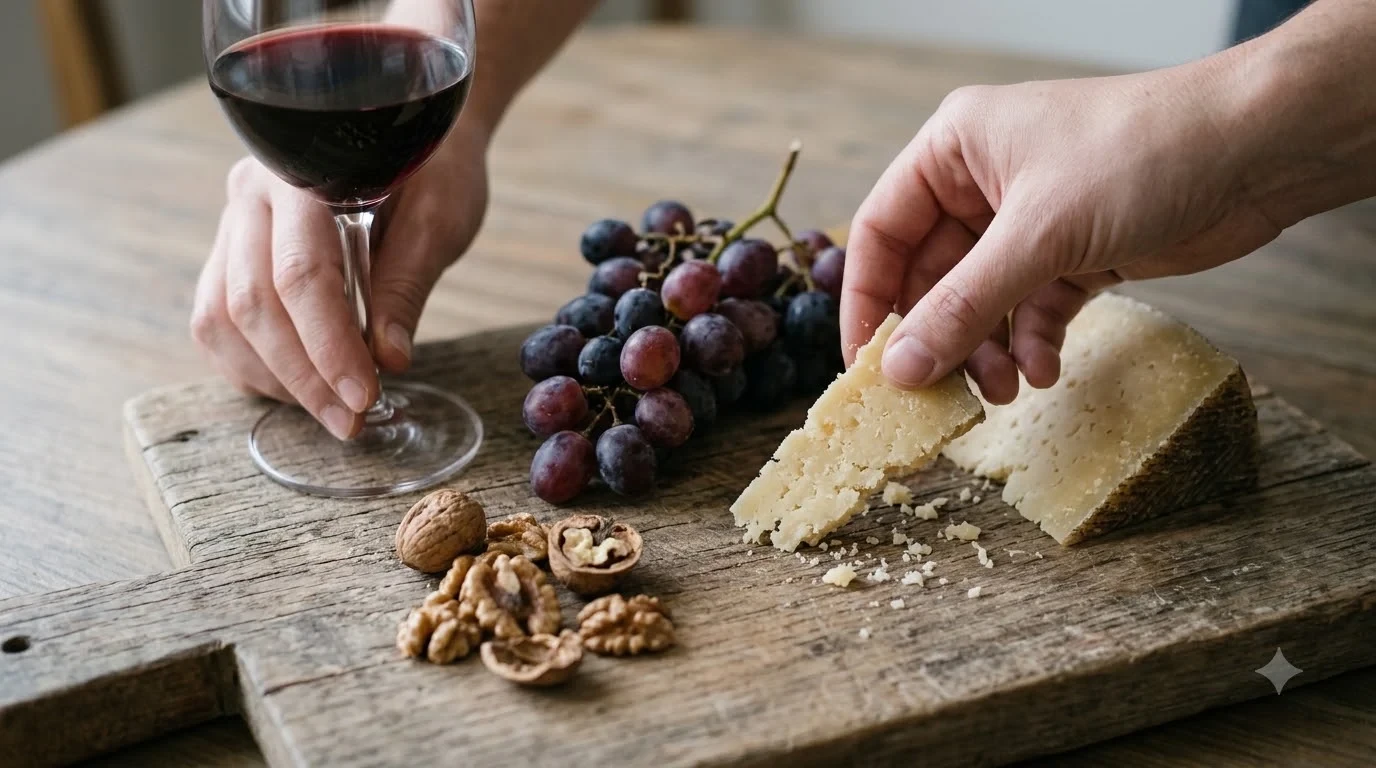
Sangiovese’s firm, drying tannins also require salt and fat to soften on the palate. A thick-cut Tuscan bistecca alla fiorentina (chargrilled T-bone steak), roasted pork loin with rosemary, or a wedge of aged Parmigiano-Reggiano or Pecorino Toscano bonds with the wine’s tannins and brings out sweet red-berry fruit.
Best Dishes for Nero d’Avola
Nero d’Avola’s plush dark fruit and softer tannic frame handle sweet-savory glazes, smoky char, and warm spices better than high-acid Tuscan reds. Traditional Sicilian pairings include pasta alla Norma (fried eggplant, ricotta salata, and tomato), grilled fennel sausage, slow-braised lamb shanks, and stuffed bell peppers.
For weeknight American menus, an oak-aged Sicilia DOC or Noto DOC Nero d’Avola pairs naturally with bacon cheeseburgers, Memphis-style dry-rubbed ribs, brisket, and mushroom risotto. Avoid pairing either heavy red with delicate oily fish like salmon or mackerel, as red wine tannins clash with fish oils and create a metallic aftertaste.
Serving Temperature, Decanting, and Storage
Serve lighter to medium-bodied Sangiovese slightly cooler at 55 to 60°F (13 to 16°C) to keep its brisk acidity crisp, and serve full-bodied Nero d’Avola and structured Sangiovese at 60 to 65°F (15 to 18°C) so dark fruit aromas open fully. Proper temperature control and aeration make a measurable difference in how balanced both wines taste.
Chilling and Glassware Tips
Room temperature in most American homes sits near 70 to 72°F, which makes both wines taste overly alcoholic and muddled. Place a bottle of everyday Sangiovese in a standard kitchen refrigerator for 20 to 25 minutes before pouring to bring it into a 55 to 60°F range, while Wine Enthusiast notes that fuller-bodied examples show best closer to 60 to 65°F. Full-bodied, oak-aged Nero d’Avola needs only 10 to 15 minutes in the fridge to reach 60 to 65°F, while lighter Cerasuolo di Vittoria blends benefit from a slightly cooler 55 to 58°F chill.
Pour standard 5-ounce servings—about five glasses per 750-milliliter bottle—into a large-bowled Bordeaux or universal red wine glass. The wide bowl gives Sangiovese’s savory herbal aromatics and Nero d’Avola’s dark spice room to collect below the rim.
Decanting and Short-Term Storage
Young, structured bottlings such as Chianti Classico Riserva, Brunello di Montalcino, and small-cask aged Nero d’Avola benefit from 30 to 60 minutes in a decanter before dinner. Oxygen softens Sangiovese’s youthful grip and blows off any tight reduction in dense Sicilian reds. Unoaked, everyday Sicilia DOC and basic Chianti DOCG only need 15 minutes of breathing time in the glass.
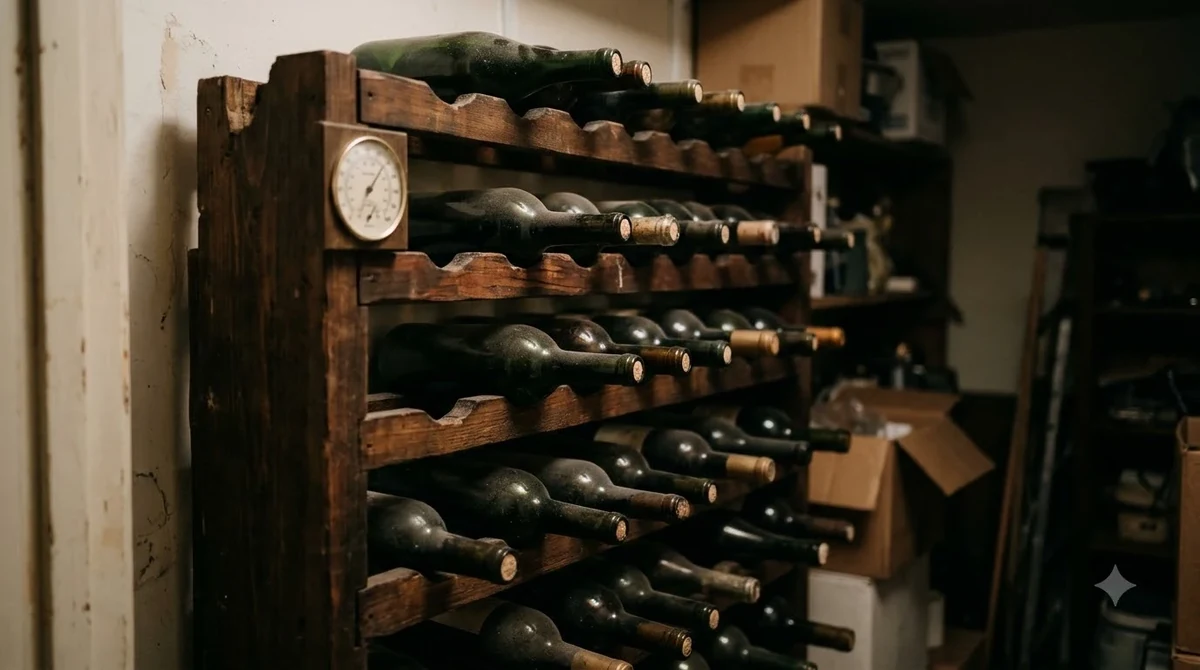
For unopened bottles, store wine horizontally on its side near 55°F with steady humidity so corks remain moist and airtight. Once opened, recork the bottle tightly and place it upright in the refrigerator; still red wines stay fresh for 3 to 5 days when chilled between pours.
How to Choose Between Nero d’Avola and Sangiovese
Choose Nero d’Avola for a smooth, fruit-forward red with plush body and gentle tannins, and choose Sangiovese for a crisp, savory, food-driven red with brisk acidity and firmer structure. Both grapes deliver standout value across wine lists and retail shops once matched to the occasion.
Shoppers comparing lighter, red-fruited profiles against Sicilian warmth can also check a nero d avola vs pinot noir breakdown, or explore more head-to-head grape matchups in the Wine vs Wine guide collection.
Frequently Asked Questions
Is Nero d’Avola sweeter than Sangiovese?
Both Nero d’Avola and Sangiovese are typically vinified as dry table wines. Nero d’Avola often tastes perceived as sweeter on the mid-palate because its riper blackberry fruit, lower acidity, and slightly higher glycerol weight create a rounder fruit impression than tart Sangiovese.
Which wine has more tannins, Nero d’Avola or Sangiovese?
Sangiovese has higher, more noticeable tannins than Nero d’Avola, especially in structured appellations like Brunello di Montalcino and Chianti Classico Riserva. According to Decanter, Nero d’Avola builds noticeable tannic depth primarily when matured in small oak casks, whereas unoaked versions rely more on lush fruit than astringency.
Can Nero d’Avola be made into white, rosé, or sparkling wine?
Yes, although Nero d’Avola is famous for deep red wines, Wine Enthusiast notes that Sicilian winemakers also vinify the grape into crisp rosés, sparkling wines, and even white wines. Producers make white and sparkling styles by pressing the dark-skinned berries gently and separating the clear juice from the skins before color extraction occurs.
What is the difference between Prugnolo Gentile, Brunello, and Sangiovese?
All three names refer to Sangiovese, known by distinct regional clonal names across Tuscany. Brunello is the thick-skinned clone grown in Montalcino, while Prugnolo Gentile is the local name used in Montepulciano to produce Vino Nobile di Montepulciano DOCG.
Does Nero d’Avola or Sangiovese pair better with spicy food?
Neither high-tannin Sangiovese nor high-alcohol Nero d’Avola is ideal for fiery chili heat, because both alcohol and tannins amplify capsaicin burn on the palate. If serving mildly spiced dishes like Calabrian chili pasta or spiced lamb, choose a lower-alcohol, unoaked Nero d’Avola or a lighter Cerasuolo di Vittoria served at 55°F to minimize heat.
Comparing nero d avola vs sangiovese highlights the remarkable range of Italian red wine from north-central hills to southern Mediterranean coastlines. Stocking one bottle of each gives any home cellar both a plush, dark-fruited crowd-pleaser and a bright, savory partner for classic Italian cooking.
More in Wine vs Wine
 Chenin Blanc vs Pinot Gris: Acidity, Body, and Pairing DifferencesUpdated Nov 20, 2026
 Chianti vs Lambrusco: How Tuscany and Emilia-Romagna Reds CompareUpdated Nov 20, 2026
 Chianti vs Primitivo: Key Differences in Taste, Body, and PairingUpdated Nov 20, 2026
 Chianti vs Rioja: Key Differences in Taste, Aging, and PairingUpdated Nov 20, 2026
 Chianti vs Shiraz: How Acidity, Body, and Food Pairings CompareUpdated Nov 20, 2026
 Chianti vs Syrah: Key Differences in Taste, Body, and Food PairingUpdated Nov 20, 2026