

We may earn a commission when you buy through links on this page, at no extra cost to you. Learn more.
Nero d Avola wine is a dry, full-bodied red made mainly from the Nero d’Avola grape, Sicily’s flagship red variety. It typically shows black cherry, black plum, licorice, and tobacco, with firm tannins and a body that many drinkers compare to Cabernet Sauvignon. It is a good everyday red for rich meat dishes and a useful introduction to Italian wine from the south.
Nero d Avola wine is the signature red of Sicily, and it is the variety most people mean when they ask about Italian reds from the island. If you have seen the name on a shelf and wondered what to expect, this guide covers the flavor, the styles, how to serve the wine, and which foods work best with it. It also explains how it differs from other dark Italian and New World reds, and it offers a few practical tips for buying a bottle that suits your meal and your budget.
What Nero d’Avola Wine Tastes Like
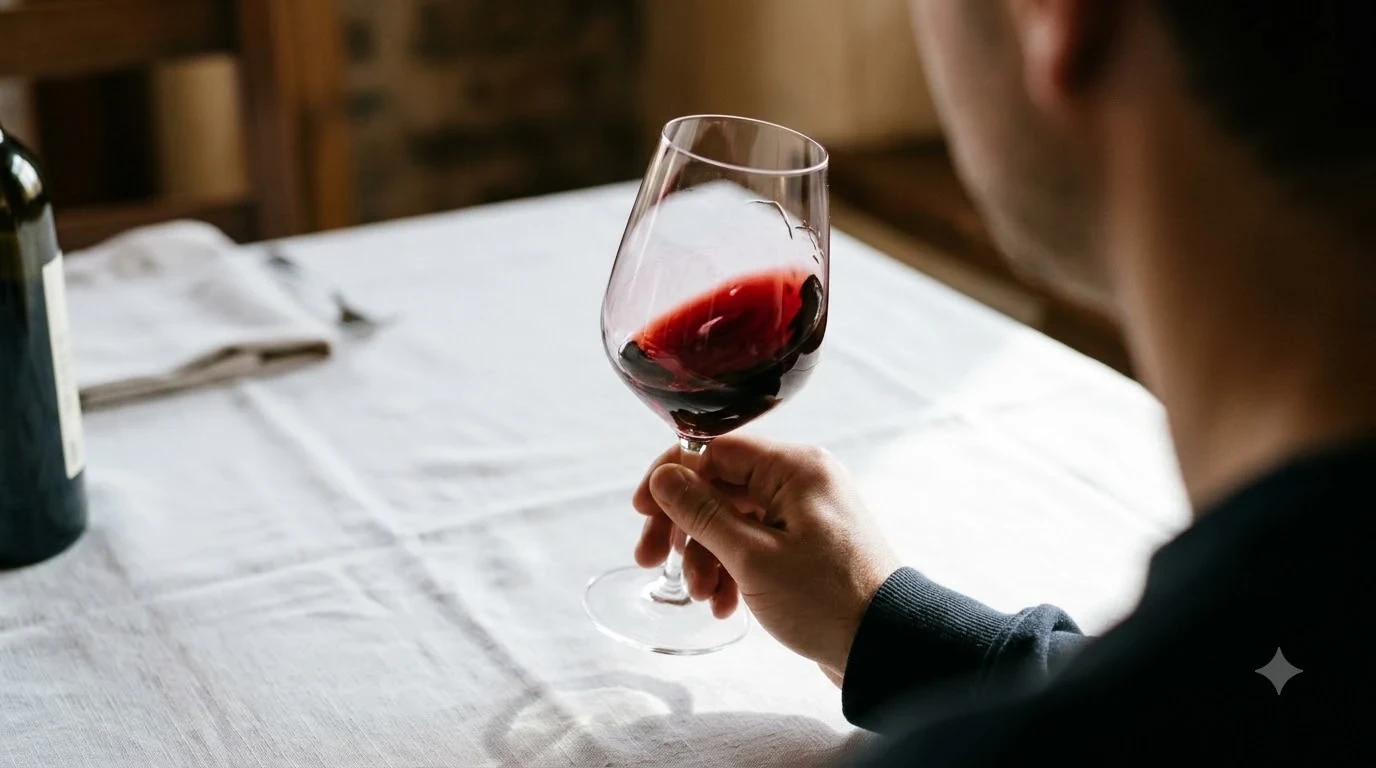
Nero d’Avola is a dark, fruit-forward red. Reviewers commonly describe ripe black cherry and black plum at the core, with savory notes of licorice, leather, and tobacco that show up as the wine opens. Some bottles add a hint of chili pepper or dried herbs. The fruit tends to be generous rather than delicate, which is why the wine feels so direct on the palate.
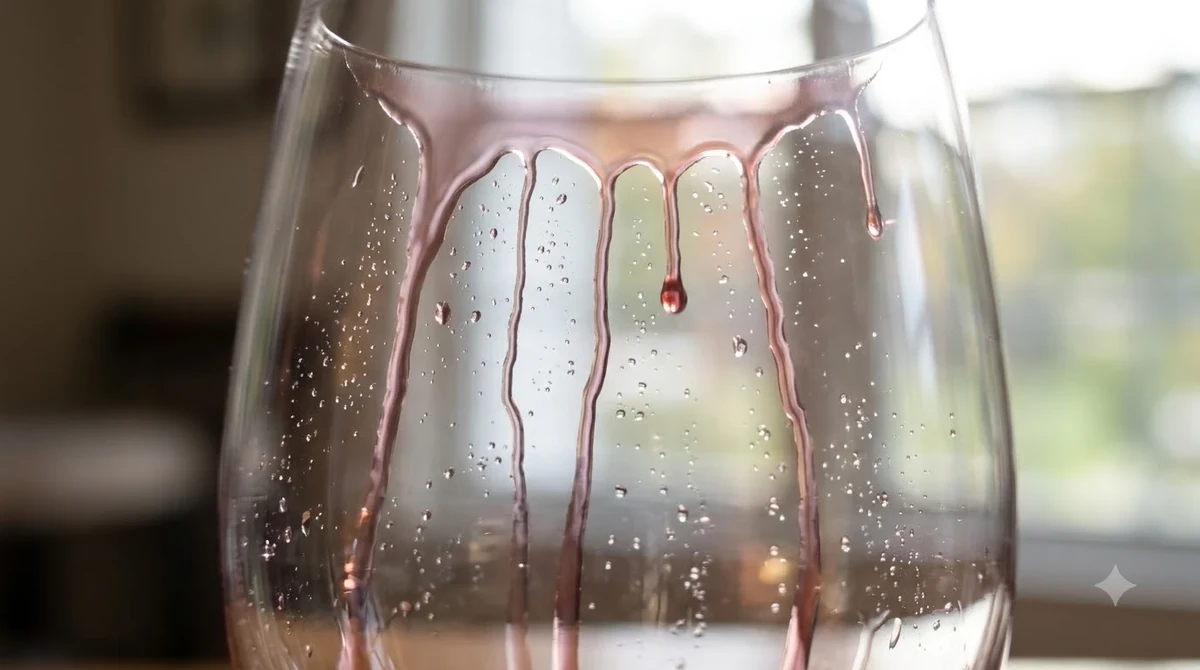
The structure is what sets it apart. The wine is dry with a medium-full body, medium-high tannins, and medium acidity. That combination gives it weight and grip, similar in feel to a warm-climate Cabernet Sauvignon, but usually with a softer, rounder finish. Because the acidity is moderate, the wine can seem heavier than a Chianti even when the alcohol levels are close.
Where Nero d’Avola Grows
Nero d’Avola is closely tied to Sicily, where it is the primary red grape planted on the island. Growers there work in a hot, dry climate, and the grape ripens well in that sun, which helps explain its bold fruit and full body. Sicily has produced both single-varietal Nero d’Avola and blends that combine it with other local or international grapes. Wine Folly describes it as the island’s flagship red and notes that it is the primary grape planted there, which matches what most Sicilian labels show (Wine Folly’s Nero d’Avola grape guide).
Outside Sicily, the grape appears in smaller amounts in other parts of Italy and in a few warm regions abroad. Most bottles you will find in a US wine shop are from the island, so the name on the label is a good clue to the style you are buying.
Styles You Will See
Nero d’Avola is made in several styles, and the differences matter when you shop. A straightforward bottling tends to be fruity and approachable, with less oak and a lighter touch. Versions aged in oak take on more vanilla, spice, and toast, and they usually cost more and need a bit more time in the glass.
Rosé and lighter-bodied versions also exist. These show brighter red fruit and less tannin, so they suit warm-weather meals better than the darker reds do. Lighter bottlings are also the easiest way to see whether the grape’s fruit appeals to you before you commit to a fuller, oak-aged red.
When you compare styles, look at the words on the back label as well as the front. Descriptions such as fresh, fruity, or easy-drinking usually point to a younger wine, while terms like reserve, riserva, or barrel-aged suggest more time in wood and a more structured wine. Neither style is better in general, but they suit different meals and occasions.
| Feature | Typical Nero d’Avola | Comparison point |
|---|---|---|
| Body | Medium-full | Heavier than Pinot Noir, close to Cabernet Sauvignon |
| Tannins | Medium-high | Firmer than most Sangiovese |
| Acidity | Medium | Softer than a typical Chianti |
| Alcohol | About 13.5% to 15% ABV | Similar to many New World reds |
| Serving temperature | 60 to 68 F (15 to 20 C) | Slightly cooler than a full-bodied Bordeaux |
How to Serve Nero d’Avola
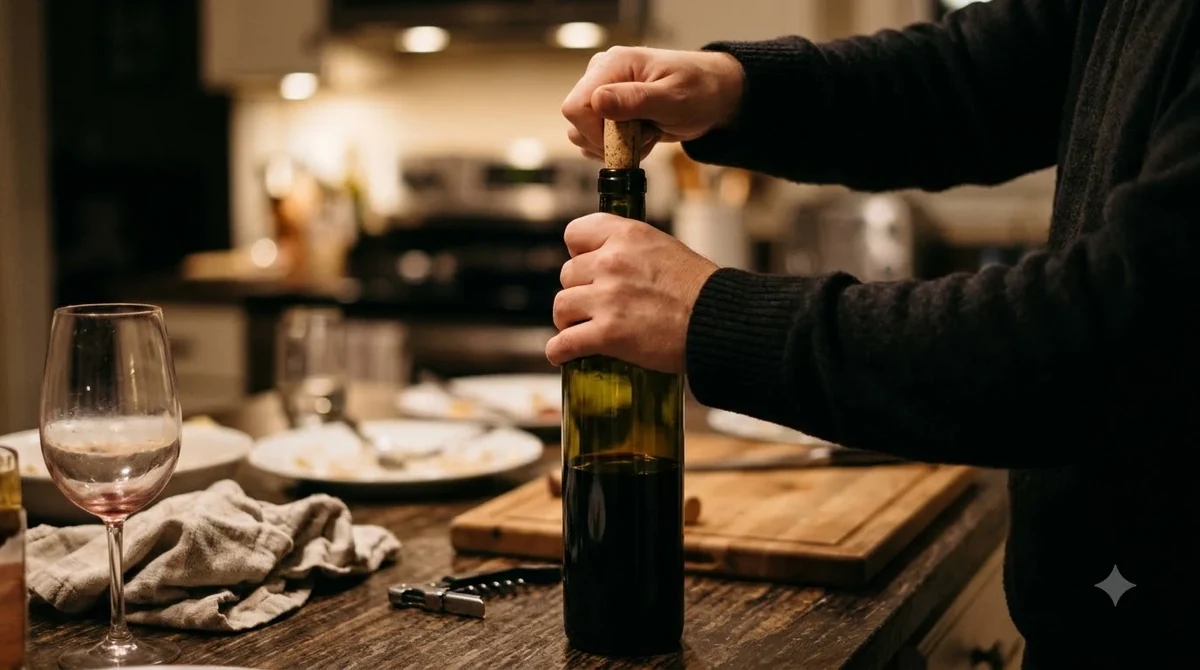
Serve Nero d’Avola slightly cooler than room temperature, around 60 to 68 F (15 to 20 C). At that range the fruit stays lively and the tannins feel smoother. A large glass gives the aromas room to open, and a short decant of 20 to 30 minutes helps younger bottles soften.
Because the wine is strong and fruit-driven, it can taste hot if it is served too warm. Keep an eye on the label, since higher-alcohol bottles benefit from a slightly cooler glass.
Tip: If a bottle tastes flat or sharp when first poured, give it 15 minutes in the glass. The fruit and tannins usually settle into balance.
Food Pairings That Work Well
Nero d’Avola is built for hearty food. Its tannins and body stand up to braised and slow-cooked meats, so it pairs well with oxtail soup, beef stew, short ribs, and lamb ragu. Grilled sausages and roasted pork shoulder are also natural matches, especially when the dish has herbs or a little heat.
For vegetarian meals, try it with mushroom pasta, eggplant parmigiana, or a bowl of lentils seasoned with smoked paprika. The wine’s savory edge helps those dishes feel complete.
How to Choose a Bottle
When you shop, read the label for the producer and the vintage. Younger bottles from recent years are usually fresher and fruitier. Bottles labeled as oak-aged or reserve will be richer and more structured, and they are better for long dinners or for cellaring for a few years.
If you are new to the grape, start with a single-varietal Nero d’Avola from Sicily and compare it with a Cabernet Sauvignon or Zinfandel. That comparison shows you what makes the Sicilian red distinct, and it helps you decide how much oak and tannin you want in your next bottle. For more context on how Italian reds fit into the wider wine map, see the Wine by Type section.
Frequently Asked Questions
Is Nero d’Avola a red or white wine?
Nero d’Avola is a red wine grape, and most bottles are dry reds. Lighter rosé versions also exist, but the grape is best known for its deep color and full flavor.
What does Nero d’Avola taste like?
Expect black cherry, black plum, licorice, and tobacco, with firm tannins and a medium-full body. Many people compare it to a warm-climate Cabernet Sauvignon.
Is Nero d’Avola sweet?
No. Standard Nero d’Avola is dry. The fruit can read as ripe, but there is no residual sugar in typical bottlings.
Can you drink Nero d’Avola on its own?
Yes. Its bold fruit makes it enjoyable without food, especially in a large glass at a slightly cool serving temperature. It also works well as a dinner wine with hearty dishes, and many people like it as a relaxed red for a weeknight meal at home.
Many people find that Nero d Avola wine is the easiest way into Sicilian reds. Its fruit is clear, its structure is familiar to anyone who has tried a Cabernet-style red, and it works with a wide range of hearty dishes. If you enjoy it, the next step is to try an oak-aged version side by side with a younger bottling, which makes the effect of oak and time easy to taste.
Nero d’Avola is a good place to start if you like full, fruit-forward reds and want to explore Sicily. Pick a bottle from a producer you trust, serve it cool, and pair it with a rich meal. For more on the grapes behind your favorite bottles, browse the assyrtiko grape guide or the cabernet franc wine overview.
More in Wine Types & Grapes
 Zinfandel Sugar Content: Dry Red vs. White Zinfandel GramsUpdated Nov 21, 2026
 Best Zinfandel Substitute Options for Sipping and CookingUpdated Nov 21, 2026
 Zweigelt Food Pairing: Best Dishes, Cheeses, and Serving TipsUpdated Nov 21, 2026
 Zinfandel Tannins Explained: How Structure Shapes Every BottleUpdated Nov 21, 2026
 Zinfandel Sweetness Level: Dry Red vs. Sweet White Zin ExplainedUpdated Nov 21, 2026
 Xinomavro Food Pairing: Best Dishes, Styles, and Serving TipsUpdated Nov 21, 2026