

We may earn a commission when you buy through links on this page, at no extra cost to you. Learn more.
Piedmont wineries occupy the fog-draped hillsides of northwestern Italy, producing structured red wines from Nebbiolo alongside everyday favorites made from Barbera, Dolcetto, and Moscato. Most estates are family-owned operations concentrated in the Langhe, Roero, and Monferrato hills around Alba and Asti. Together, these producers craft wines across 19 DOCG and 41 DOC appellations—making Piedmont the only Italian wine region without an IGT tier.
Located at the foot of the Alps—the literal meaning of Piemonte—this region pairs a cool alpine backdrop with warm Mediterranean air currents. The clash between mountain chill and coastal warmth creates wide diurnal temperature swings and dense autumn morning fog known locally as nebbia, giving the region’s signature grape its name and shaping how local wineries farm, harvest, and ferment across steep slopes.
Overview of Piedmont Wineries
Unlike regions dominated by massive corporate estates, Piedmont’s wine culture is defined by small, multi-generational family cellars and historic village cooperatives. Over 75 percent of total wine volume falls under strict DOC or DOCG rules, reflecting an intense focus on indigenous varieties and single-hillside identity.
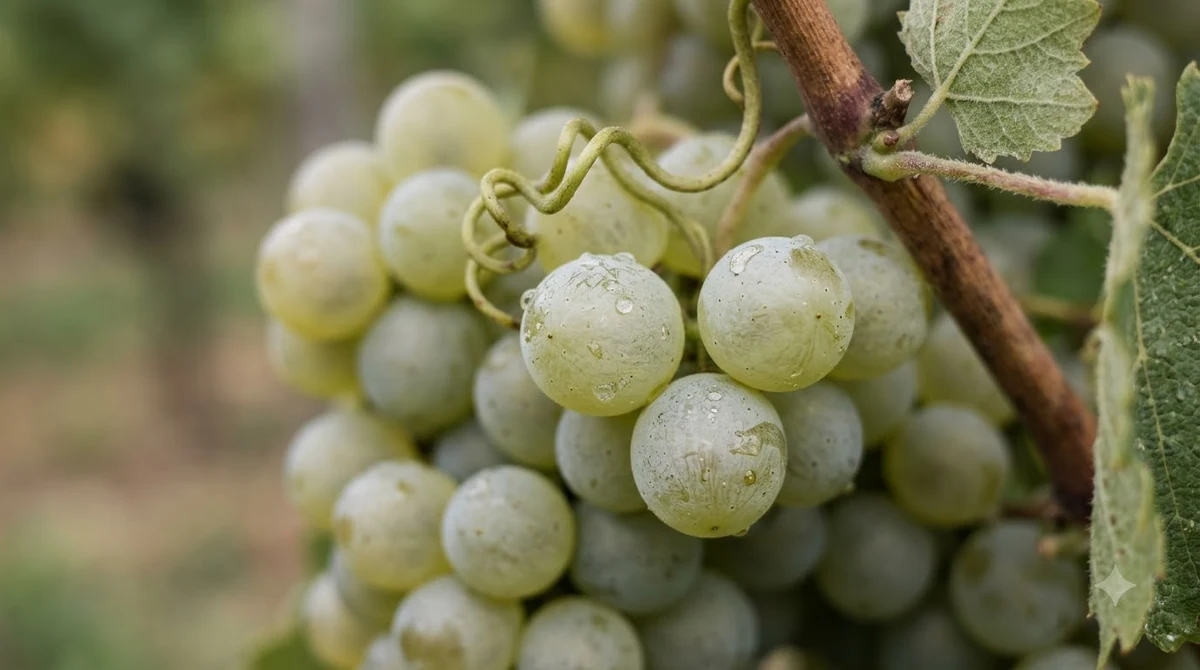
According to Wine Enthusiast’s Piedmont wine guide, the region’s devotion to single-vineyard bottlings and terroir-driven winemaking frequently earns comparisons to France’s Burgundy. Vineyard holdings are often fragmented across steep slopes, meaning a single winery may bottle several distinct expressions from plots separated by only a few hundred yards. Family growers pass parcels down through generations, often tending small rows of vines alongside hazelnut groves or orchards on the same property.
While international collectors focus heavily on Barolo and Barbaresco, those prestigious denominations account for roughly three percent of Piedmont’s overall wine output. The remaining ninety-seven percent spans crisp mountain whites, lightly sparkling sweet reds, traditional-method sparkling wines, and juicy midweek reds that keep local trattorias supplied year-round. Understanding this broader spectrum helps explain why Piedmont wineries maintain such varied cellars, bottling both age-worthy collectors’ wines and approachable daily drinkers from the same hills.
Key Wine Sub-Regions
Piedmont’s vineyards stretch from the Swiss border near Lake Maggiore south toward the Ligurian Apennines, dividing into distinct zones with contrasting soils and microclimates. Each area favors specific grapes and yields a noticeably different style in the glass.
The Langhe hills south of the Tanaro River form the region’s historic heartland, enclosing the UNESCO-recognized vineyards of Barolo and Barbaresco around the truffle-trading town of Alba. Within Barolo alone, soil shifts dramatically from calcareous marl in La Morra and Barolo—yielding more perfumed, supple reds—to iron-rich sandstone in Serralunga d’Alba and Monforte d’Alba, where wines develop firmer structure and longer aging arcs. Just northeast of Alba, Barbaresco’s slightly warmer microclimate and four communes (Barbaresco, Neive, Treiso, and San Rocco Seno d’Elvio) produce Nebbiolo that typically opens up a few years earlier while retaining floral lift and fine-grained tannins.
Across the Tanaro River to the north lies Roero, where ancient sandy seabed soils yield softer, fruit-forward Nebbiolo alongside crisp Arneis whites. Further east, the rolling Monferrato hills surrounding Asti and Alessandria serve as the stronghold for Barbera and aromatic Moscato Bianco, where gentle slopes catch steady sun. Meanwhile, southeastern hills around Gavi and Colli Tortonesi specialize in mineral-driven whites, and northern Alpine foothills in Alto Piemonte—including Gattinara and Ghemme—craft high-acid, savory expressions of Nebbiolo known locally as Spanna on volcanic and glacial soils.
| Sub-Region | Signature Appellations | Primary Grapes | Typical Wine Style |
|---|---|---|---|
| Langhe | Barolo DOCG, Barbaresco DOCG, Alta Langa DOCG | Nebbiolo, Barbera, Dolcetto, Pinot Nero, Chardonnay | Age-worthy structured reds; traditional-method sparkling |
| Roero | Roero DOCG, Roero Arneis DOCG | Nebbiolo, Arneis | Supple, floral reds; fresh, almond-scented dry whites |
| Monferrato | Barbera d’Asti DOCG, Moscato d’Asti DOCG, Brachetto d’Acqui DOCG | Barbera, Moscato Bianco, Brachetto, Ruché | Bright, cherry-driven reds; low-alcohol fragrant sparkling wines |
| Southeastern Hills | Gavi DOCG, Colli Tortonesi DOC | Cortese, Timorasso | Crisp citrus whites and textured, age-worthy whites |
| Alto Piemonte | Gattinara DOCG, Ghemme DOCG, Erbaluce di Caluso DOCG | Nebbiolo (Spanna), Vespolina, Erbaluce | High-acid, savory alpine reds and zesty whites |
Signature Grapes and Wine Styles
Nebbiolo, Barbera, and Dolcetto form the red-wine triad at most Piedmont wineries, complemented by expressive native whites like Cortese, Arneis, and Moscato Bianco. Each grape occupies a distinct elevation and role on the dinner table.
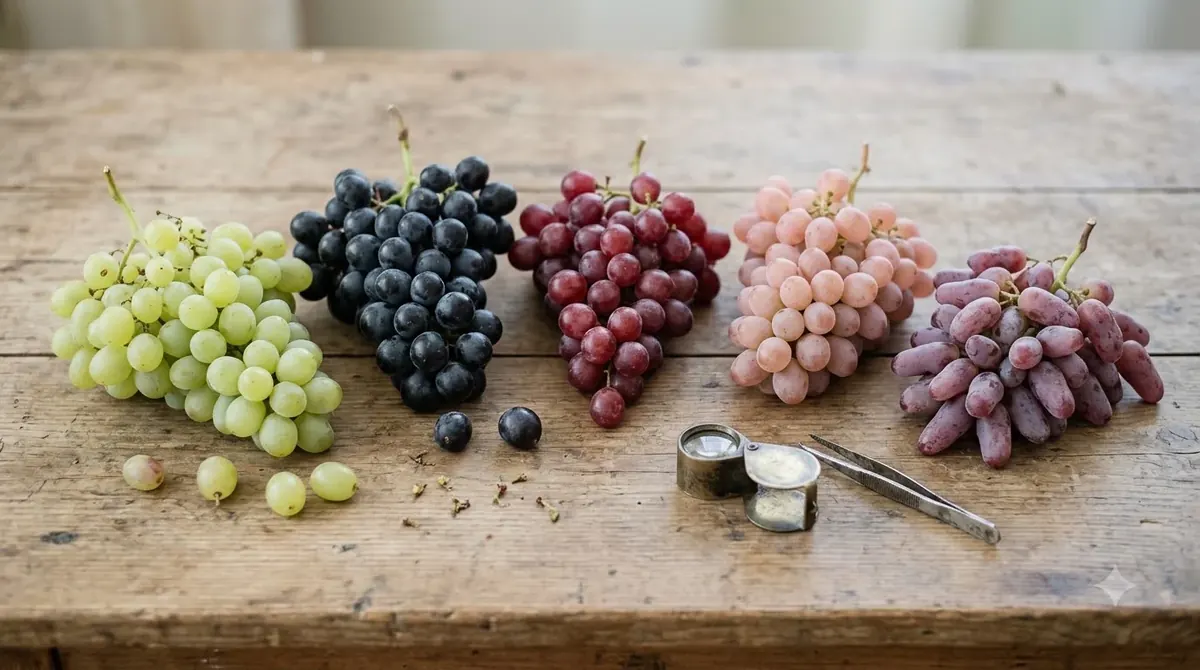
As detailed in Wine Folly’s overview of Piedmont wines, Nebbiolo produces pale ruby or brick-hued reds packed with grippy tannins, bright acidity, and aromas of sour cherry, dried rose petals, leather, and tar. Under DOCG regulations, Barolo must age at least three years (with 18 months in wood) and reach a minimum of 13 percent ABV, whereas Barbaresco requires 26 months of aging (at least nine months in barrel). Because Nebbiolo skins stay thick and tannic, winemakers often adjust maceration lengths and cask sizes to balance structure with aromatic clarity.
Because top Nebbiolo often needs a decade in bottle to soften, Piedmontese families drink Barbera and Dolcetto on weeknights. Barbera delivers deep color, tart cherry fruit, low tannins, and mouthwatering acidity—especially in Barbera d’Alba and Barbera d’Asti—while Dolcetto offers early-drinking black plum and violet notes with a slightly bitter almond finish. On the white and sparkling side, dry Gavi and Roero Arneis pair easily with seafood and antipasti, while lightly fizzy Moscato d’Asti clocks in around 5 percent ABV with sweet peach and orange-blossom aromatics, and Alta Langa offers crisp, bottle-fermented bubbles.
Notable Piedmont Producers
Piedmont’s winery landscape balances centuries-old family dynasties with benchmark cooperatives and innovative single-vineyard pioneers. Wine critics and regional directories frequently cite several cornerstone estates when mapping out the region’s stylistic spectrum.
In Barolo and Barbaresco, traditionalist benchmarks such as Giacomo Conterno, Bruno Giacosa, Borgogno, Oddero, and GB Burlotto have shaped classic large-cask aging, while producers like Gaja, Paolo Scavino, Ceretto, Vietti, and GD Vajra helped modernize vineyard selection and international visibility. In Barbaresco specifically, the quality-focused cooperative Produttori del Barbaresco—founded in 1958—remains a benchmark for single-cru Nebbiolo crafted from member growers’ fruit across nine historic vineyards in years when harvests meet strict standards.
Beyond the Langhe’s Nebbiolo specialists, several estates anchor Piedmont’s other flagship categories. Braida in Rocchetta Tanaro transformed Barbera’s reputation with single-vineyard bottlings like Bricco dell’Uccellone, showing that the grape could handle oak aging and serious structure, while historic houses such as Pio Cesare, Fontanafredda, Michele Chiarlo, and Coppo in Canelli span multiple appellations across Langhe and Monferrato and help carry Piedmontese wines to global tables.
Practical Tips for Visiting Piedmont Wineries
Visiting Piedmont wineries requires advance planning because most estates are working family farms without drop-in tasting counters. Scheduling appointments weeks ahead—and building in buffer time between hillside villages—is essential for a smooth trip.
Unlike New World destinations such as McLaren Vale wineries or Maipo Valley wineries, where many cellar doors welcome walk-in guests throughout the day, Piedmontese winemakers often work directly in the vines or cellar and open their tasting rooms only for confirmed reservations. Plan on two to three winery visits per day maximum, leaving at least two hours around midday to respect the traditional Italian lunch break between 12:30 p.m. and 2:30 p.m., when cellars and kitchen doors close for lunch.
Renting a car or hiring a local driver is practically mandatory, as winding ridge roads connect hilltop towns like La Morra, Barbaresco, and Canelli with limited public transit. Between appointments, stop into village enoteche regionali (regional wine shops), where you can sample dozens of local producers by the glass before deciding which cellars to visit next, and pack sturdy shoes for steep vineyard paths and cool underground cellars.
Tip: Ask your host “What is drinking best right now?” rather than asking for their favorite wine—most family winemakers treat every single-vineyard bottling like a member of the family and prefer recommending bottles currently in their prime.
How to Buy Piedmont Wines at Home
Shopping for Piedmont bottles outside Italy becomes much easier once you learn to read appellation tiers and producer styles on the front label. Paying attention to village names, aging designations, and vintage conditions helps match a bottle to your timeline and budget.
If you want the classic rose-and-cherry perfume of Nebbiolo without waiting ten years for tannins to resolve, look for bottles labeled Langhe Nebbiolo DOC, Nebbiolo d’Alba DOC, or Roero DOCG. These wines often come from younger vines or declassified Barolo and Barbaresco barrels, offering immediate drinkability and strong value. When buying Barolo or Barbaresco for tonight’s dinner, check whether the estate favors shorter macerations and smaller oak barrels—which yield softer textures earlier—or extended maceration in large Slavonian oak casks, which rewards years in a cellar.
For everyday versatility, Barbera d’Asti Superiore and Dogliani DOCG (made from Dolcetto) pair well with tomato-based pastas, roasted meats, and aged cheeses. Exploring these regional tiers alongside Douro wineries and other classic Wine Regions highlights how local soils, climate, and cellar traditions shape every bottle.
Frequently Asked Questions
Do you need reservations to visit Piedmont wineries?
Yes, advance appointments are required at nearly all Piedmont wineries. Most producers are small, family-run estates without dedicated walk-in tasting room staff, so booking via email or phone two to four weeks ahead—especially during the autumn white truffle and harvest season—is strongly recommended.
What is the difference between Barolo and Barbaresco?
Both wines are made entirely from Nebbiolo in neighboring Langhe zones, but Barolo requires at least 38 months of aging compared to 26 months for Barbaresco. Barbaresco’s slightly warmer microclimate and nutrient-rich soils generally produce softer tannins and a more approachable profile in its youth, whereas Barolo tends to be firmer and longer-lived.
When is the best time of year to visit Piedmont wine country?
Spring (April through June) and autumn (September through November) offer the most rewarding weather and vineyard scenery. October and November bring harvest energy, golden foliage, and Alba’s famous white truffle season, though tasting appointments and hillside restaurants book up earliest during those months.
What wines do Piedmont wineries make besides red wine?
Piedmont produces vibrant dry white wines from Cortese (Gavi), Arneis (Roero Arneis), Timorasso, and Erbaluce. The region is also famous for lightly sparkling, low-alcohol Moscato d’Asti and Brachetto d’Acqui, as well as dry, traditional-method Alta Langa sparkling wines aged on their lees.
Whether you are planning an appointment-filled tour through the hills of Alba and Asti or picking out a single-vineyard bottle at your local wine shop, Piedmont wineries reward curiosity beyond their flagship labels. Start with approachable bottles like Barbera d’Alba, Roero Arneis, or Langhe Nebbiolo to learn each sub-region’s voice before laying down cellar-worthy Barolo and Barbaresco.
More in Wine Regions
 Willcox Wine Trail: Discover Arizona’s High-Elevation Wine CountryUpdated Nov 20, 2026
 Yakima Valley Wine Region: Find the Best Styles to TryUpdated Nov 20, 2026
 Vosne Romanee Wine Tasting: Identify Aromas and Choose Better PairingsUpdated Nov 20, 2026
 Yakima Valley Wine Festival: Find the Best Seasonal Wine EventsUpdated Nov 20, 2026
 Wales Vineyards: Discover Cool-Climate Wines and Where to VisitUpdated Nov 20, 2026
 Yountville Wine Festival: Discover Napa Wines and Local FoodUpdated Nov 20, 2026