

We may earn a commission when you buy through links on this page, at no extra cost to you. Learn more.
If you are wondering where is sauvignon blanc from, the grape traces its roots to western France, specifically the Loire Valley and Bordeaux. First documented in the Loire Valley in 1534, this green-skinned variety later migrated around the globe and now thrives in cool-climate regions such as New Zealand’s Marlborough, California, Chile, and South Africa. Its birthplace gives the wine its benchmark profile of brisk acidity, citrus zest, and signature herbal aromatics.
Walking down a wine aisle today, you are just as likely to see bottles from New Zealand’s South Island or Napa Valley as you are from France. Understanding how a wild French vine became one of the world’s most widely planted white grapes makes it much easier to pick a bottle that matches your palate.
What Is Sauvignon Blanc?
Sauvignon Blanc is an aromatic, green-skinned wine grape native to western France that produces dry, crisp white wines with pronounced acidity. Its name comes from the French words sauvage (wild) and blanc (white), a nod to its early days growing freely in the French countryside.
According to Wine Folly’s grape guide, the earliest written reference to the variety dates back to 1534, when French writer François Rabelais mentioned it in the Loire Valley under the local name “Fiers.” Ampelographers and grape geneticists also link its family tree to Savagnin, an ancient grape still cultivated in eastern France’s Jura region. Over the following centuries, Sauvignon Blanc spread southwest into Bordeaux, where an accidental 18th-century cross with Cabernet Franc gave birth to a famous red offspring—a story we explore further in our guide on where Cabernet Sauvignon is from.
By the late 1800s, vineyard pioneers had carried cuttings far beyond Europe. Charles Wetmore, founder of Cresta Blanca Winery, brought Sauvignon Blanc vines from Bordeaux’s Château d’Yquem to California’s Livermore Valley in the 1880s. In the 1960s, Napa Valley winemaker Robert Mondavi famously labeled his dry, oak-aged version “Fumé Blanc” to distinguish it from sweeter styles popular at the time. New Zealand planted its first experimental vines in the 1970s, setting the stage for Marlborough’s meteoric rise in the international wine market during the 1980s and 1990s.
Most dry bottles fall into a moderate alcohol range, typically sitting between 11.5 percent and 13.5 percent ABV depending on local sunshine and harvest timing. Because winemakers usually ferment nearly all of the natural grape sugar, a standard five-ounce pour contains roughly 120 calories and between zero and four grams of carbohydrates. If you track macros closely, check out our breakdown of Sauvignon Blanc carbs for more details across dry and off-dry styles.
Flavor and Styles
Sauvignon Blanc is defined by razor-sharp acidity and a spectrum of flavors that runs from fresh-cut grass and lime to ripe passionfruit and toasted oak. What sets it apart from almost every other white grape is a group of aromatic compounds called pyrazines, which deliver unmistakable green, herbal notes.
In cooler growing regions, those pyrazines take center stage, bringing aromas of green bell pepper, jalapeño, tomato leaf, crushed herbs, and tart gooseberry. Alongside the greenery, you will notice bright citrus notes of lime, Meyer lemon, and pink grapefruit, backed by a stony or chalky mineral finish. Reviewers at Wine Enthusiast note that this zesty, mouthwatering tension is what makes the grape so refreshing on a warm afternoon.
As climates warm up or winemakers adjust cellar techniques, the wine shifts toward riper orchard and tropical fruit. Bottles from sunnier vineyards show white peach, honeydew melon, kiwi, guava, and passionfruit. While the vast majority of Sauvignon Blanc is fermented in stainless steel or concrete vats to preserve crispness, some producers ferment and age the juice in oak barrels—often blended with Sémillon—to create a rounder, creamier texture with notes of beeswax, honeysuckle, and lemon curd.
Where It Grows
While France remains its ancestral home, Sauvignon Blanc is now cultivated across dozens of countries, with each region putting a distinct climatic stamp on the glass. Comparing the major regions side by side shows just how dramatically soil and sunshine reshape the same grape.
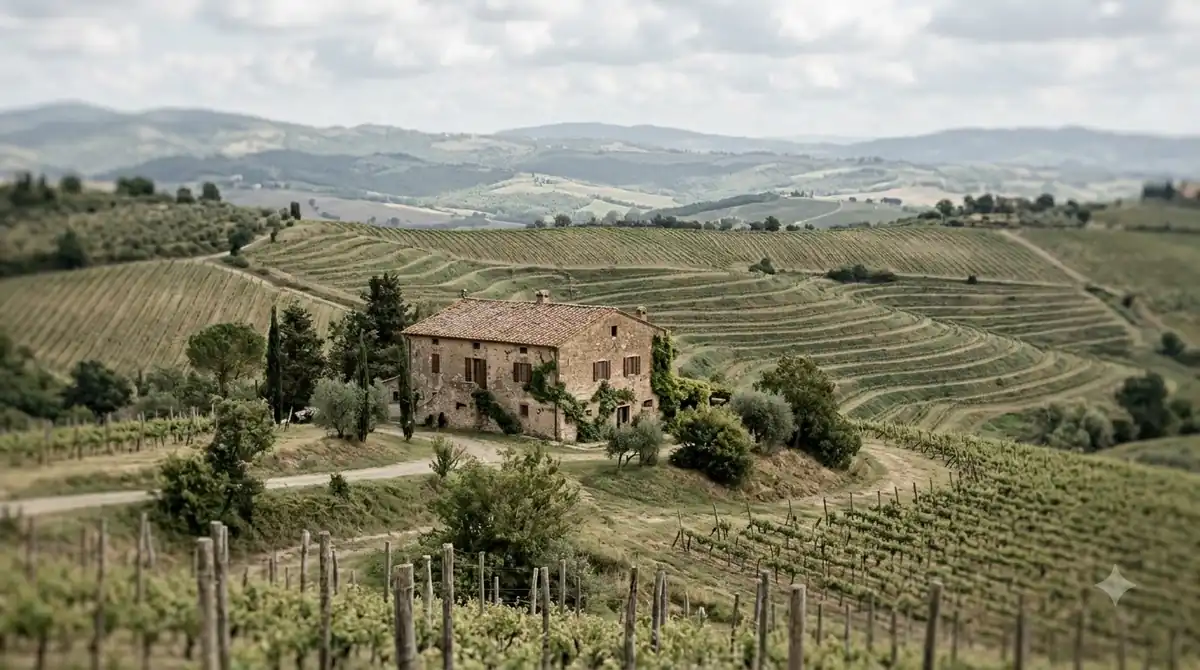
In France’s Loire Valley, appellations like Sancerre and Pouilly-Fumé set the gold standard for mineral-driven, citrus-focused Sauvignon Blanc. Vineyards planted on flint (silex) and limestone soils yield lean, structured wines with vibrant acidity and subtle smoky undertones. Southwest in Bordeaux, winemakers rarely bottle the grape alone; instead, they blend it with Sémillon and Muscadelle to craft both dry white Bordeaux (such as Pessac-Léognan) and golden, botrytis-affected dessert wines like Sauternes.
Halfway around the world, New Zealand’s Marlborough region on the northern tip of the South Island has become synonymous with modern Sauvignon Blanc. High ultraviolet sunlight paired with cool maritime breezes produces intensely aromatic wines bursting with passionfruit, lime, gooseberry, and freshly snipped grass. Further north, California’s Napa Valley and Sonoma County craft riper, medium-bodied bottles with melon and stone fruit character, while Washington’s Columbia Valley leans crisper and more citrus-driven.
Other standout regions include Chile’s coastal Casablanca and Leyda valleys, where Pacific fog preserves brisk acidity, and South Africa’s cool-climate pockets around Cape Town, known for zesty grapefruit and herbal complexity. Even Spain’s Rueda region and northeastern Italy’s Friuli-Venezia Giulia turn out lively, food-friendly expressions that sit comfortably alongside the classics in our broader overview of wine by type.
| Region | Climate | Dominant Flavors | Body & Style |
|---|---|---|---|
| Loire Valley, France (Sancerre) | Cool continental | Lime, green apple, chalk, wet stone | Light-bodied, bone-dry, mineral |
| Bordeaux, France (Pessac-Léognan) | Moderate maritime | White peach, honeysuckle, beeswax, lemon | Medium-bodied, often oak-aged blend |
| Marlborough, New Zealand | Cool maritime | Passionfruit, gooseberry, grapefruit, cut grass | Light-to-medium, intensely aromatic, zesty |
| Napa & Sonoma, California | Warm Mediterranean | Honeydew melon, white peach, citrus zest | Medium-bodied, rounder, sometimes oaked |
| Casablanca Valley, Chile | Cool coastal | Lime zest, green bell pepper, white grapefruit | Light-bodied, crisp, herbal |
How to Serve
Sauvignon Blanc should always be served chilled, ideally between 46°F and 55°F, to keep its vibrant acidity lively and its delicate aromatics open. Serving it straight from a standard refrigerator can dull the nose, while letting it warm up too much makes the alcohol stand out.
According to Wine Enthusiast’s serving guidelines, placing a room-temperature bottle in the refrigerator for roughly two hours—or submerging it in an ice-water bath for 30 to 40 minutes—brings it right into the sweet spot. Lean, stainless-steel styles from the Loire Valley or Marlborough shine toward the cooler end of that range (around 46°F to 50°F), whereas richer, barrel-aged Bordeaux blends or California Fumé Blancs open up nicely closer to 55°F.
Use a standard white wine glass with a medium-sized bowl that tapers slightly toward the rim; this shape funnels the citrus and herbal aromatics toward your nose while directing the wine to the center of your palate. Unlike age-worthy reds, most Sauvignon Blancs are meant to be enjoyed within one to three years of the vintage date while their fruit is fresh. Once opened, re-cork the bottle and store it in the refrigerator, where it will stay crisp for two to four days.
Tip: If your bottle has been sitting in the fridge overnight, pull it out 15 minutes before pouring so the citrus and herbal aromas can wake up in the glass.
Food Pairing
Because Sauvignon Blanc packs bright acidity and herbal aromatics, it acts like a squeeze of fresh lemon juice on food—cutting through richness and echoing green ingredients on the plate. Sommeliers often sum up the pairing strategy in three words: when in doubt, go green.
The single most famous regional match comes straight from the Loire Valley, pairing Sancerre with tangy goat cheese such as Crottin de Chavignol. The wine’s sharp acidity slices cleanly through the creamy, chalky paste of the cheese while its herbaceous notes mirror the grassy character of goat’s milk. Fresh feta, ricotta, and burrata dressed with olive oil and flaky salt work just as well.
At the dinner table, look toward seafood, poultry, and herb-forward dishes. Raw oysters, ceviche, grilled shrimp, pan-seared sea bass, and sushi all benefit from the wine’s brisk citrus core. Roast chicken with tarragon or rosemary, pesto pasta, asparagus risotto, and vibrant Southeast Asian dishes—like Vietnamese spring rolls or Thai green papaya salad loaded with cilantro, mint, and lime—match the grape’s natural zest without feeling heavy. Avoid pairing dry Sauvignon Blanc with sweet desserts, as sugar on the plate makes high-acid dry wine taste sour.
How to Choose a Bottle
Selecting a great Sauvignon Blanc comes down to reading the region and winemaking clues on the front label rather than relying on the grape name alone. Because French wines are labeled by place rather than varietal, knowing a few key appellations opens up the best bottles on the shelf.
If you want crisp minerality and restrained fruit, look for French labels reading Sancerre, Pouilly-Fumé, or Touraine from the Loire Valley. If you prefer bold, aromatic bursts of passionfruit, lime, and fresh herbs, reach for a bottle from Marlborough, New Zealand, or Chile’s Casablanca Valley. Shoppers looking for a fuller, creamier white wine should seek out white Bordeaux (often labeled Pessac-Léognan or Graves) or a California bottle labeled Fumé Blanc, both of which frequently see oak aging.
Finally, check the vintage year and the back label before heading to the register. For unoaked, crisp styles, pick the most recent vintage available—usually within the last one to two years—so you get peak freshness. If you enjoy comparing distinct regional classics from around the world, you might also enjoy learning where Lambrusco is from and how Italian geography shapes another food-friendly favorite.
Frequently Asked Questions
Is Sauvignon Blanc originally from France or New Zealand?
Sauvignon Blanc is originally from western France, with historical records placing it in the Loire Valley as early as 1534 and longstanding roots in Bordeaux. New Zealand did not plant the grape commercially until the 1970s, though its Marlborough region quickly became famous for producing a bold, tropical style.
Why does French Sauvignon Blanc taste different from New Zealand Sauvignon Blanc?
Climate, soil, and sunlight exposure drive the difference between the two styles. Cool continental weather and limestone or flint soils in France’s Loire Valley produce leaner, mineral-driven wines with subtle citrus, while Marlborough’s intense UV sunlight and maritime breezes amplify passionfruit, gooseberry, and fresh-cut grass aromatics.
Is Sauvignon Blanc a dry or sweet wine?
Almost all Sauvignon Blanc is made as a crisp, bone-dry white wine with zero to four grams of carbohydrates per five-ounce glass. A few producers leave a tiny amount of residual sugar to balance razor-sharp acidity, and in Bordeaux’s Sauternes region, the grape is blended with Sémillon to make rich, sweet dessert wines.
What is the difference between Sauvignon Blanc and Fumé Blanc?
They are made from the exact same grape variety. California winemaker Robert Mondavi coined the term Fumé Blanc in the late 1960s as a nod to France’s Pouilly-Fumé, typically indicating a style of Sauvignon Blanc that has been aged in oak barrels for added body and subtle vanilla or spice notes.
Knowing where Sauvignon Blanc comes from turns a crowded wine shelf into an easy roadmap for flavor. Whether you reach for a flinty Loire Valley classic, a zesty Marlborough pour, or an oak-kissed California Fumé Blanc, every bottle traces its lineage back to those wild green vines of western France.
More in Wine Types & Grapes
 Zinfandel Sugar Content: Dry Red vs. White Zinfandel GramsUpdated Nov 21, 2026
 Best Zinfandel Substitute Options for Sipping and CookingUpdated Nov 21, 2026
 Zweigelt Food Pairing: Best Dishes, Cheeses, and Serving TipsUpdated Nov 21, 2026
 Zinfandel Tannins Explained: How Structure Shapes Every BottleUpdated Nov 21, 2026
 Zinfandel Sweetness Level: Dry Red vs. Sweet White Zin ExplainedUpdated Nov 21, 2026
 Xinomavro Food Pairing: Best Dishes, Styles, and Serving TipsUpdated Nov 21, 2026