

We may earn a commission when you buy through links on this page, at no extra cost to you. Learn more.
Is sauvignon blanc sweet or dry? Almost always dry. According to Wine Folly, sauvignon blanc is typically listed as dry, with high acidity and no tannins. Most bottles from New Zealand, Chile, South Africa and the Loire Valley taste crisp and clean, with little or no perceptible sweetness. A few regions and dessert-style bottles are the exceptions, so check the label if you want a specific style.
Sauvignon blanc is one of the most recognizable white wines, known for its green herb, citrus and grapefruit notes. People often assume that a fruity or aromatic wine must be sweet, but sauvignon blanc is usually dry. This guide explains why, where the rare sweeter styles come from, and how to read a label so you get the taste you want.
Why Sauvignon Blanc Tastes Dry
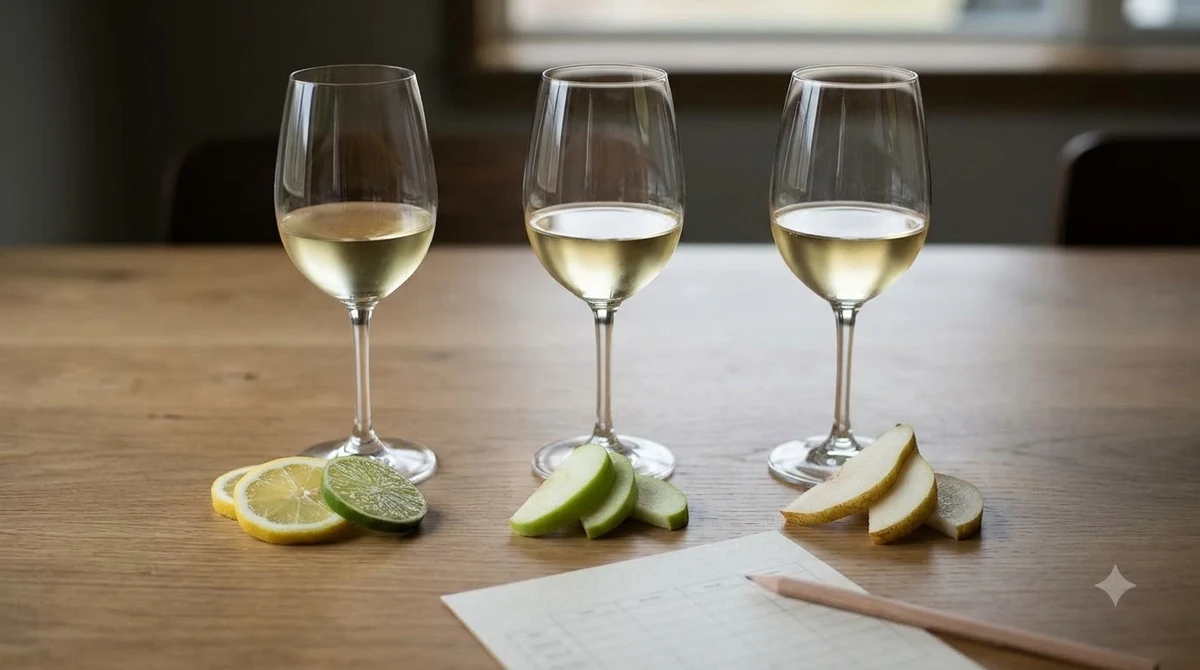
Sweetness in wine comes from residual sugar, the grape sugar left after fermentation. Most sauvignon blanc is fermented until nearly all of that sugar turns to alcohol, which is why the wine tastes dry. Its high natural acidity also makes sugar hard to notice, so even a wine with a little residual sugar can taste crisp rather than sweet.
The grape’s aroma profile adds to the impression. Sauvignon blanc often shows grassy, herbal, citrus and tropical fruit notes, and those aromas can read as fresh rather than sugary. That is why many drinkers who prefer dry wine choose sauvignon blanc without checking the sweetness level on the label.
What the Sugar Levels Look Like
Wine Folly’s sauvignon blanc guide notes that the grape is dry, but it does not give a general residual-sugar range for the grape. For Marlborough in New Zealand, the guide says it is normal to see a gram or two of residual sugar, because the acidity is so high that the wine still tastes dry. That example shows how small amounts of sugar can sit comfortably in a bottle that tastes bone dry.
In practice, most sauvignon blanc on shelves falls in the dry category. The few sweeter examples are usually labeled as such, or they come from specific production methods rather than the standard style. If you are watching sugar for a diet or a health reason, the producer’s technical sheet is more useful than a general grape guide.
Where Dry Sauvignon Blanc Comes From
New Zealand’s Marlborough region is the best-known source of bright, aromatic sauvignon blanc with grassy and tropical notes. Chile, South Africa and Australia also produce dry styles, often with a similar fresh profile. In the Loire Valley of France, sauvignon blanc tends to be crisp and mineral-driven, with less tropical fruit.
In Bordeaux, the picture is more mixed. Wine Folly notes that in Pessac-Léognan and Graves, a few wineries make dry sauvignon blanc, often blended with Sémillon and occasionally Muscadelle. Those wines are less common than Marlborough or Loire bottles, but they show that the grape can be dry in very different styles.
| Style | Typical character | Where to look |
|---|---|---|
| Bright, aromatic dry | Grass, citrus, tropical fruit | Marlborough, New Zealand |
| Crisp, mineral dry | Lemon, flint, lean body | Loire Valley, France |
| Dry, blended | Richer, with Sémillon texture | Pessac-Léognan and Graves, Bordeaux |
| Dessert or late harvest | Honey, apricot, sweet finish | Labeled sweet bottlings only |
How to Read a Label for Sweetness
Sauvignon blanc labels rarely state sweetness in a standard format, so a few clues help. Words such as dry or sec are common on French bottles. Terms like late harvest, dessert or botrytis usually mean the wine is sweet. If the label gives no sweetness information, the producer’s website or technical sheet often lists residual sugar or describes the style.
Price and region can also guide you. Bottles from the main dry regions are usually plentiful and clearly described. A sweet sauvignon blanc is less common, so if you find one, the label usually says so.

Serving and Pairing Dry Sauvignon Blanc
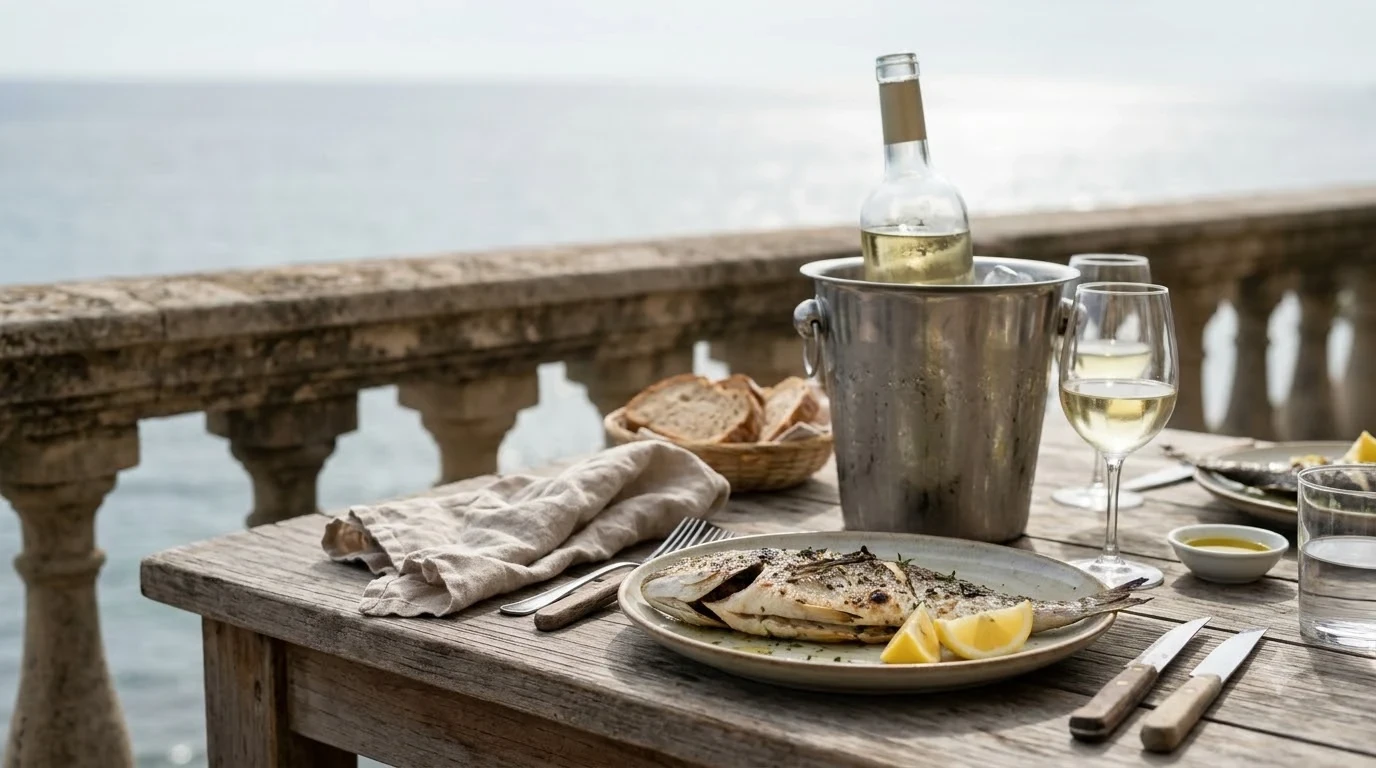
Serve dry sauvignon blanc well chilled, in a standard white wine glass. Chilled wine keeps the acidity lively and the aromas fresh. Pair it with goat cheese, seafood, salads with citrus dressings and green vegetables, since the herbal and citrus notes match those foods well.
Sweeter sauvignon blanc suits lighter desserts and fruit. Dry styles work best with food that has some acidity or herbal character, so think about the dish before choosing the bottle. For a related question about another white grape, the chenin blanc sweet or dry guide compares how sugar and acidity balance in a different variety.
Sweetness Versus Fruitiness
Many drinkers confuse sweetness with fruitiness. A wine can taste fruity and still be dry, and sauvignon blanc is a good example. Tropical fruit and citrus aromas make the wine feel rich, but the sugar level is low. If you prefer a softer, rounder white, look for a labeled dry style from a warmer region rather than assuming a sweet wine.
If you want to compare sugar content directly, the sauvignon blanc sugar content article goes deeper into what the numbers mean. For a broader list of wine categories, the Wine by Type guide is a useful starting point.
Blends and Sweet Sauvignon Blanc Styles
Sauvignon blanc is often blended with other white grapes, and the blend changes the sweetness picture. In Bordeaux, it is commonly paired with Sémillon, which adds weight and a softer texture. In other regions, small amounts of different white grapes may be used to round out the fruit. A blend can taste fuller than a straight sauvignon blanc without being sweet, so the word on the label matters more than the blend itself.
True sweet styles are less common. Dessert-style and late-harvest bottlings concentrate the grape’s sugar, either by letting the grapes hang on the vine or by encouraging noble rot. These wines usually taste of honey, apricot and dried fruit, which is very different from the grassy character of a dry bottle. If you see a late harvest or dessert wording on the label, expect a sweet glass.
Sparkling sauvignon blanc is another category to note. Sparkling styles are usually made dry, and the bubbles can make a crisp wine feel lighter. Check the bottle’s sweetness term before choosing, since sparkling wines sometimes carry sugar in the dosage.
Common Mistakes When Choosing Sauvignon Blanc
The most common mistake is buying a sweet wine by accident because the label mentions tropical fruit or a rich aroma. Those words describe flavor, not sugar. A second mistake is assuming that all New Zealand bottles are the same. Marlborough sauvignon blanc is vivid and dry, but other New Zealand regions and producers may take different approaches.
A third mistake is serving sauvignon blanc too warm. Warm wine tastes flatter, and the acidity that makes it feel dry can seem muted. Chill the bottle before serving, and the wine will taste sharper and more refreshing, which is the balance most people expect from a dry white.
Finally, do not let the price guide you alone. Inexpensive sauvignon blanc can be very good when it is fresh, and it is usually intended to be drunk young. Choose a bottle with a recent vintage and a clear description of its style.
Frequently Asked Questions
Is sauvignon blanc sweet?
Usually not. Sauvignon blanc is typically dry, with high acidity that makes any residual sugar hard to notice. Sweeter bottles are rare and are normally labeled as dessert or late harvest.
Why does sauvignon blanc taste fruity if it is dry?
The grape produces strong citrus, grass and tropical aromas. Those flavors read as fruity even when the wine has little residual sugar.
Is New Zealand sauvignon blanc sweet?
Marlborough sauvignon blanc is dry, though Wine Folly notes that it may carry a gram or two of residual sugar, which the high acidity balances.
How can I find a dry sauvignon blanc?
Look for dry or sec on the label, choose a bottle from a main dry region such as Marlborough or the Loire, and check the producer’s technical sheet if you need the exact sugar level.
Sauvignon blanc is almost always dry, and its fruit and herbal notes are what make it taste lively rather than sweet. Use the region and the label to confirm the style, and you will know what to expect before you pour.
More in Wine Types & Grapes
 Zinfandel Sugar Content: Dry Red vs. White Zinfandel GramsUpdated Nov 21, 2026
 Best Zinfandel Substitute Options for Sipping and CookingUpdated Nov 21, 2026
 Zweigelt Food Pairing: Best Dishes, Cheeses, and Serving TipsUpdated Nov 21, 2026
 Zinfandel Tannins Explained: How Structure Shapes Every BottleUpdated Nov 21, 2026
 Zinfandel Sweetness Level: Dry Red vs. Sweet White Zin ExplainedUpdated Nov 21, 2026
 Xinomavro Food Pairing: Best Dishes, Styles, and Serving TipsUpdated Nov 21, 2026