

We may earn a commission when you buy through links on this page, at no extra cost to you. Learn more.
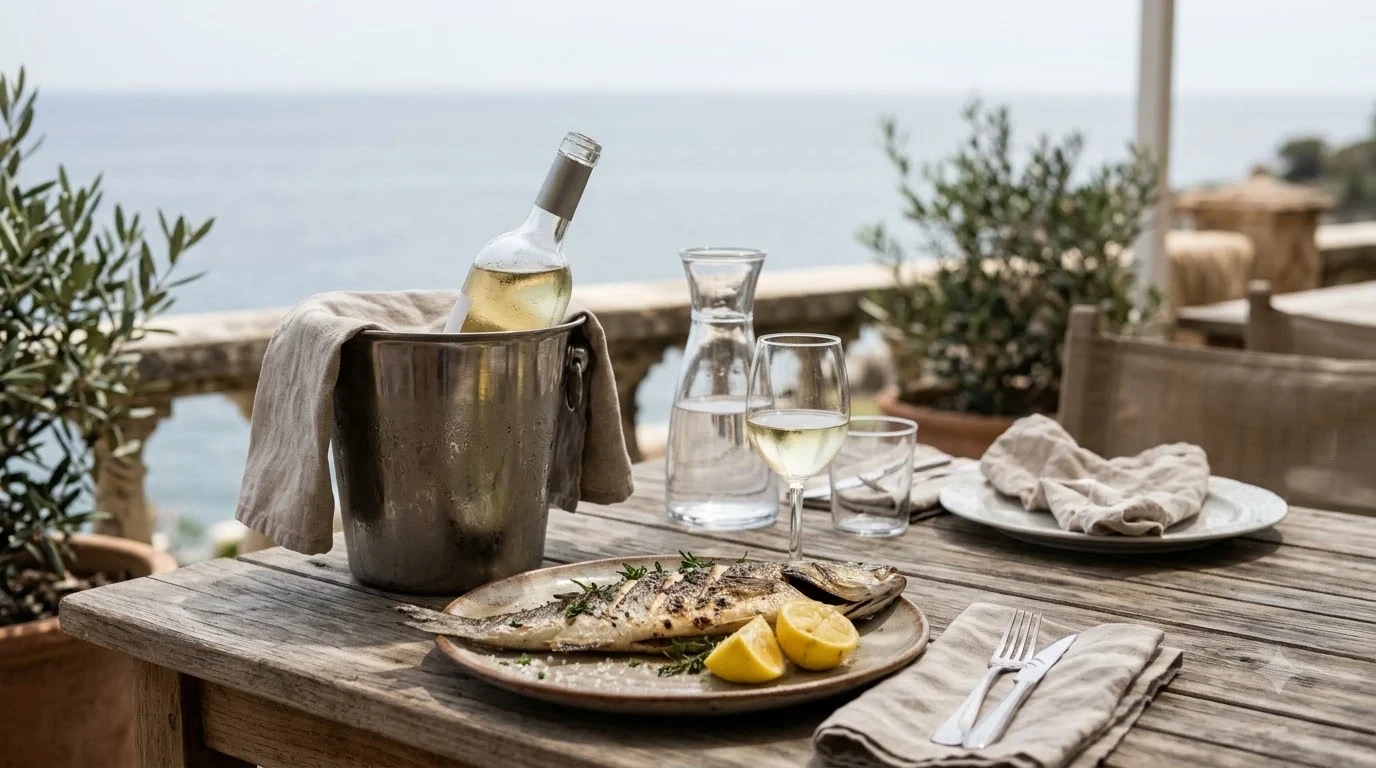
Sauvignon blanc sugar content is low, because the wine is a dry white that usually carries only a gram or two of residual sugar per liter. Its high acidity makes the wine taste crisp even when sugar is present in small amounts. This guide explains where that sugar comes from, how it changes by region, and how to read a label if you want to know how sweet a bottle will taste.
Sauvignon blanc is one of the most recognizable white wines in the United States, with bright citrus, green herb, and tropical fruit flavors. Many drinkers ask whether it is sweet, mainly because the fruit aromas are so strong. The short answer is that the grape ferments almost completely dry, so the sugar that remains is tiny. The details below show why that is, and what to expect from different styles.
What residual sugar means in sauvignon blanc
Residual sugar is the grape sugar that is left in the wine after fermentation ends. Yeast converts most of the sugar in the juice into alcohol, so the amount left over depends on how far the winemaker lets fermentation run and whether any juice is added back later. In dry wines, the leftover amount is small enough that the palate does not register it as sweetness.
Sauvignon blanc is almost always made in a dry style. The Wine Folly grape guide to sauvignon blanc describes the taste profile as dry, with high acidity and no tannins. It notes that in Marlborough, New Zealand, a gram or two of residual sugar is considered normal because the acids are so high. That figure is a useful starting point for most bottles, though it is not a legal standard that applies to every label.
Why sauvignon blanc tastes dry even with fruit
Sauvignon blanc often shows ripe notes of passion fruit, guava, and grapefruit, and those flavors can make a wine seem sweet. Sweetness on the palate, however, depends on the balance between sugar and acid. Sauvignon blanc has racy acidity, and that acidity cuts through any remaining sugar and leaves a clean, dry finish.
This is why a wine can be described as fruit-forward without being sweet. The grape has a natural tartness, and VinePair describes it as tasting of tart green apple and freshly cut grass in cooler regions. In warmer sites the flavor shifts toward riper fruit, but the acidity usually stays high enough to keep the wine dry.
How winemakers control sugar in sauvignon blanc
Winemakers decide how much sugar remains by managing fermentation. Yeast eats sugar and produces alcohol, and it works until the sugar runs low, the temperature drops, or the winemaker stops the process early by chilling the tank or adding sulfur dioxide. Stopping fermentation early leaves more sugar in the wine, but for sauvignon blanc the usual goal is a dry finish, so most producers let the yeast finish the job.
Harvest timing also plays a part. Grapes picked later develop more sugar, which yields a wine with more alcohol unless the winemaker adjusts the process. Picking earlier keeps the sugar and alcohol lower and preserves the green, herbal character that many drinkers associate with the grape. Both choices produce dry wines, but the style and weight differ noticeably.
How sugar levels change by region
Growing region affects ripeness, acidity, and style, which in turn shapes how much sugar a winemaker leaves in the bottle. Cool climates tend to produce lean, high-acid wines, while warmer sites yield riper fruit and sometimes a softer impression on the palate. Oak aging can also add richness that some drinkers mistake for sweetness.
| Style or region | Typical character | Sweetness on the palate |
|---|---|---|
| Loire Valley, France | Lean, crisp, green herbal notes | Bone dry |
| Marlborough, New Zealand | Aromatic, fruit-forward, high acid | Dry, with a gram or two of residual sugar |
| Warm-climate versions | Riper tropical fruit, rounder texture | Dry, but fuller |
| Oak-aged versions | Creamier, with a fuller palate | Dry, often blended with Sémillon |
Tip: If a bottle is described as aromatic and generous, that usually refers to fruit intensity, not sugar. Check the producer’s tasting notes for the word dry before you buy.
How to read a label for sweetness
Most sauvignon blanc labels do not list residual sugar in grams, so the wording on the front and back of the bottle is the main clue. Terms such as dry, crisp, and zesty describe the expected taste, while off-dry or semi-sweet signal a noticeable amount of sugar. Many producers also list alcohol by volume, which gives a partial sense of body.
Typical sauvignon blanc sits between 11.5 and 13.5 percent alcohol by volume, according to one wine reference. Wines near the top of that range tend to feel fuller, but a higher alcohol number does not by itself mean more sugar. Acidity and fermentation style matter more for the final taste.
How to serve sauvignon blanc for the best balance
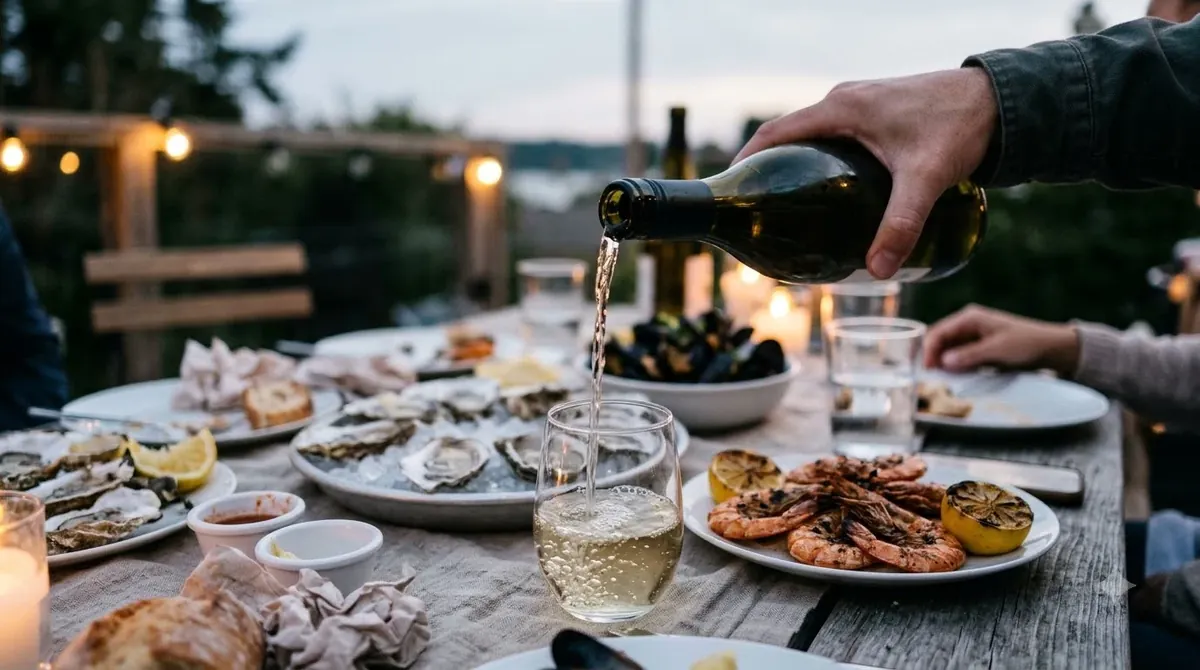
Serving temperature changes how sweet or sharp a wine seems. Sauvignon blanc tastes best when it is cool but not icy. The recommended serving range is about 45 to 55 degrees Fahrenheit, or 7 to 12 degrees Celsius. Serving it colder can mute the aromas, while serving it too warm can make the wine taste flabby and a little sweeter than it is.
Pour the wine into a glass with a moderate bowl so the aromas can open. Give the bottle a few minutes out of the refrigerator if it has been chilled hard, and keep the cork or cap on between pours to protect freshness.
Food pairing with a dry sauvignon blanc
Because the wine is dry and acidic, it pairs well with foods that need a bright counterpoint. Goat cheese, shellfish, citrus-dressed salads, and herb-driven dishes all suit it. A sweeter wine would overwhelm many of these foods, so the dry style is part of why sauvignon blanc is so versatile at the table.
For a broader look at how this grape compares with other white wines, see what sauvignon blanc is and the guide to wine by type. Rich or oak-aged bottles can handle heavier dishes, while lean Loire-style bottles work best with light seafood.
Common myths about sauvignon blanc sweetness
One common belief is that any white wine with strong fruit must be sweet. Sauvignon blanc shows how misleading that assumption can be. Its passion fruit and citrus notes are loud, yet the wine finishes dry because the acidity is so pronounced. A palate that expects fruit to mean sugar may read the wine as sweet at first, then notice the sharp, clean finish after a few sips.
Another myth is that a cheaper or fruitier bottle must contain added sugar. Dry wines are the norm for this grape at almost every price point, and fruit character comes from the grape and fermentation rather than from sugar added after the fact. If a label clearly says off-dry or sweet, the producer is telling you the style has changed, and the description will say so.
Frequently Asked Questions
Is sauvignon blanc a sweet wine?
No. Sauvignon blanc is normally made in a dry style. It has high acidity and very little residual sugar, so it tastes crisp rather than sweet.
How much sugar is in a typical bottle of sauvignon blanc?
A dry sauvignon blanc usually carries only a gram or two of residual sugar per liter. Producers rarely print the exact figure, so the style description on the label is the most practical guide.
Why does sauvignon blanc taste fruity if it is dry?
The grape produces strong aromas of passion fruit, guava, citrus, and green herbs. Fruit flavor and sweetness are different things, and the wine’s acidity keeps the finish clean.
Does oak aging make sauvignon blanc sweeter?
Oak does not add sugar, but it can make the texture richer and creamier. That fuller feel is sometimes read as sweetness, although the wine is still dry.
Sauvignon blanc is a dry white with very little residual sugar, and its acidity is what gives it the crisp, lively character most drinkers expect. To choose a bottle, read the style descriptions on the label, serve it cool, and match it with bright, fresh food. For more on how this grape compares with other varieties, browse the wine by type section.
More in Wine Types & Grapes
 Zinfandel Sugar Content: Dry Red vs. White Zinfandel GramsUpdated Nov 21, 2026
 Best Zinfandel Substitute Options for Sipping and CookingUpdated Nov 21, 2026
 Zweigelt Food Pairing: Best Dishes, Cheeses, and Serving TipsUpdated Nov 21, 2026
 Zinfandel Tannins Explained: How Structure Shapes Every BottleUpdated Nov 21, 2026
 Zinfandel Sweetness Level: Dry Red vs. Sweet White Zin ExplainedUpdated Nov 21, 2026
 Xinomavro Food Pairing: Best Dishes, Styles, and Serving TipsUpdated Nov 21, 2026