

We may earn a commission when you buy through links on this page, at no extra cost to you. Learn more.
The best cabernet sauvignon at Costco is usually a full-bodied bottle from a warm region such as Napa Valley, Sonoma County, Paso Robles, or the Chilean valleys, chosen for black fruit, cedar, and firm tannins. Warehouse stock changes by location and season, so the most useful skill is reading the region and style on the label and comparing what is on the shelf during your visit.
This guide is for shoppers who want a dependable cabernet sauvignon from a large warehouse and need a simple way to choose among the bottles in front of them. Wine Folly’s cabernet sauvignon grape guide calls it the world’s most popular red wine grape, so the category is deep, and a few label details go a long way.
What Cabernet Sauvignon Usually Tastes Like
Cabernet sauvignon is a cross of cabernet franc and sauvignon blanc that developed in Bordeaux. According to Wine Folly, its main flavors are black cherry, black currant, cedar, baking spices, and graphite, and some bottles show green notes such as bell pepper or green peppercorn.
Most examples are full-bodied, with medium-high tannins and medium-high acidity. Alcohol usually falls between 13.5 and 15 percent, which explains why a good bottle feels structured and warm on the palate and why a rich steak is such a common match.
Read the Region on the Label
Region is the fastest clue to style. Cooler sites tend to give leaner, more herbal wines, while warmer sites produce riper fruit and higher alcohol. General references on the grape describe the patterns below, and they are a useful checklist when a bottle’s origin is printed on the back label.
| Region | Common flavors | Typical feel |
|---|---|---|
| Bordeaux, France | Blackcurrant, cedar, graphite | Firm tannins, roughly 12 to 13 percent alcohol |
| Napa Valley, California | Ripe black fruit | Often above 14 percent alcohol |
| Coonawarra, South Australia | Blackcurrant, sometimes mint or eucalyptus | Structured, with noticeable acidity |
| Maipo and Colchagua, Chile | Black cherry, and olive in warmer sites | Full-bodied and fruit-forward |
Regional names can mislead if you read them only as a place. A bottle labeled with a famous district may come from a large blend of vineyards across that wider area, while a smaller designation can point to a more focused style. The general pattern is a useful guide, but the vintage and producer still shape what ends up in the glass.
Bordeaux-style blends deserve a look as well. Cabernet sauvignon there is usually blended with merlot and cabernet franc, and in the United States a Bordeaux-style blend may be labeled Meritage. When a blend is on the shelf, the grape list on the label tells you how much of the wine’s character comes from cabernet sauvignon itself.
How to Shop the Cabernet Shelf
Costco’s selection changes from one warehouse to another, and a bottle that sold out last month may not return. Shoppers who approach the shelf with a short checklist usually leave with a better bottle than those who pick by label design alone.
- Check the region first and match it to the style you want: cooler regions for leaner, herbal wines, and warmer regions for riper fruit.
- Look at the alcohol percentage on the label. Higher numbers usually mean more ripeness and more body.
- If the bottle is a structured wine meant to age, avoid the very youngest vintages, because cabernet can taste tight and sharp before it settles.
- Compare two or three bottles from different regions side by side at home rather than judging one bottle on its own.
Keep a note of what you liked. Over a few purchases, that record will tell you more about your own preferences than any ranking can. Write down the region, vintage, alcohol level, and the foods you served, so the next visit starts from your own experience rather than from a general list.
On a busy day, the wine section may be stocked in a different order than usual, so scanning the whole cabinet, not just the front row, usually turns up a second option from the same region.
Serving and Decanting at Home
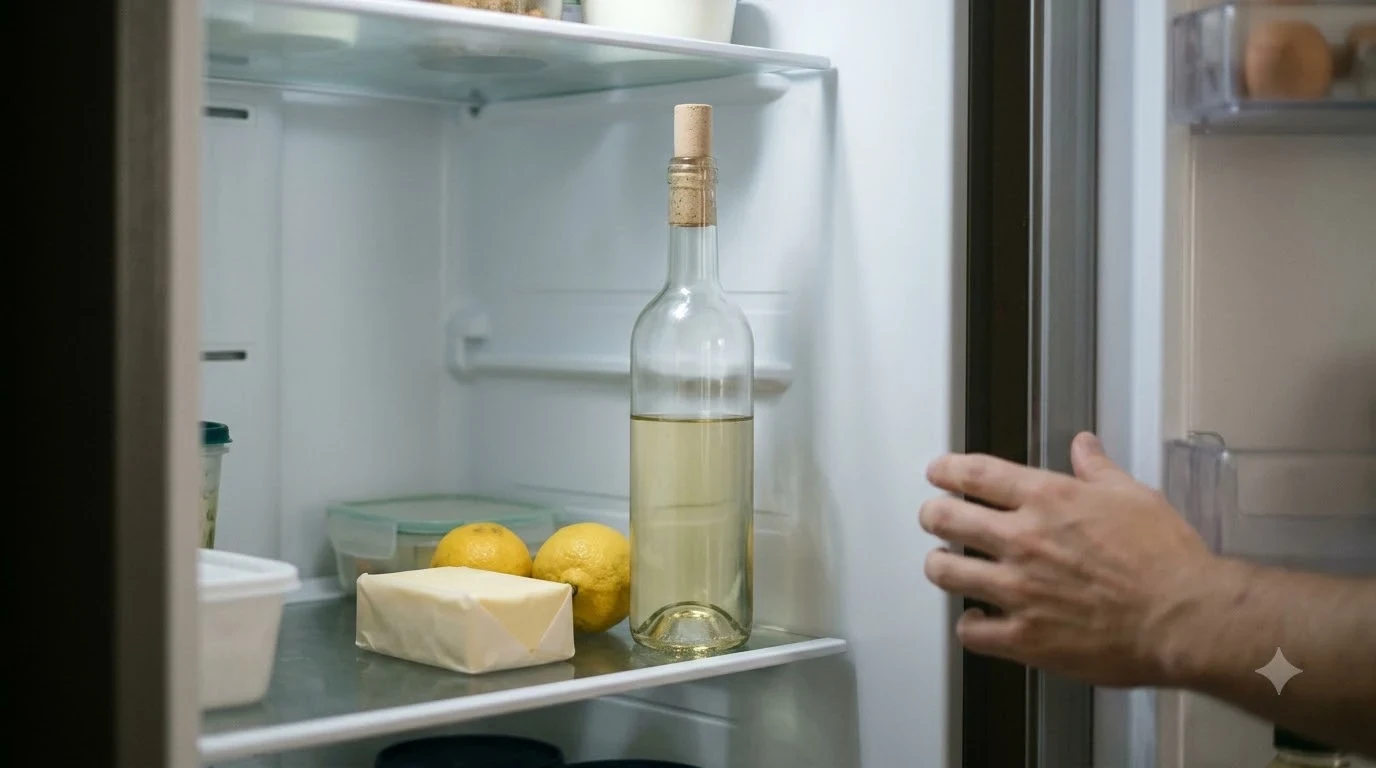
Serving temperature changes how a cabernet tastes. Wine Folly recommends serving red wine between 60 and 68 degrees Fahrenheit (15 to 20 Celsius), and a bottle served warm can taste hot and heavy. A short time in the refrigerator before pouring is often enough to bring a bold red into that range.
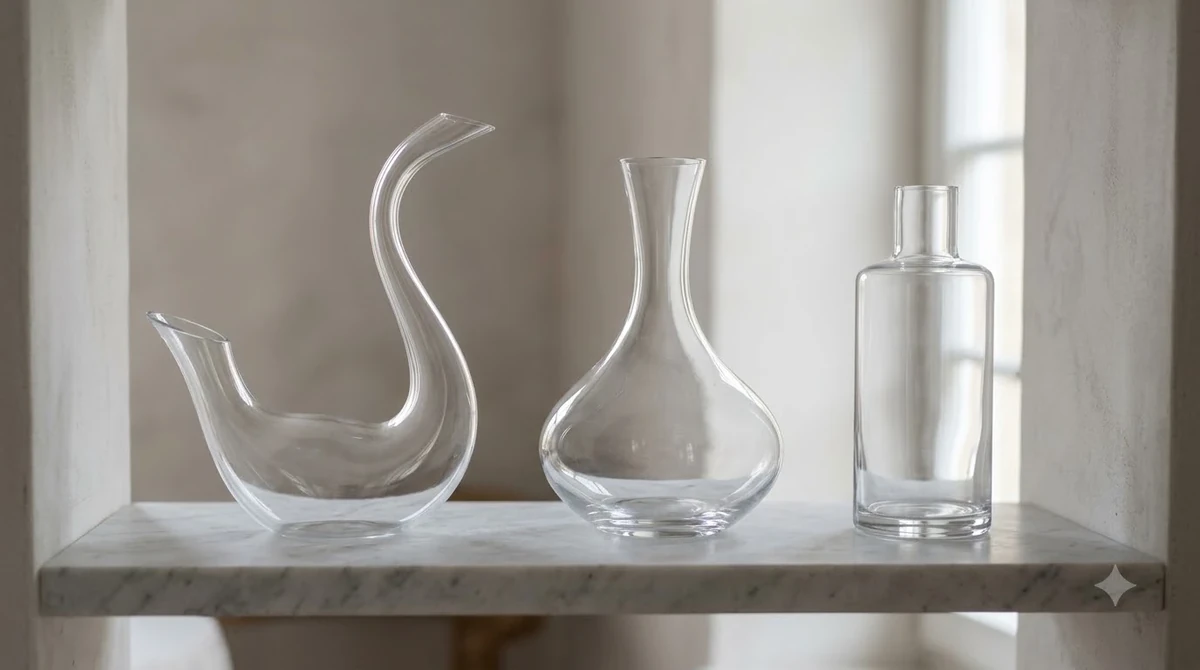
Decanting helps young, tannic bottles open up. The same grape guide notes that cabernet sauvignon is typically decanted for about one hour, and a large glass gives the aromas room to develop.
After opening, cabernet is best kept at a cool room temperature with the cork or stopper replaced, and it is usually at its best within a day or two. Larger bottles and older vintages may hold up longer, but the freshest fruit appears in the first hours after pouring.
Common Mistakes When Buying Cabernet at Costco
Most buying errors come from expecting a bottle to behave like a brand instead of a region. The same name can taste different from one vintage to the next, and the shelf may hold several labels that look alike.
- Choosing by the name on the front without checking the region or vintage on the back.
- Serving a high-alcohol bottle warm, which can make the finish feel hot.
- Opening a very young, tannic bottle without any air, so the wine tastes closed and drying.
- Assuming a favorite bottle will still be on the shelf on the next trip.
Pairing Ideas for a Costco Cabernet
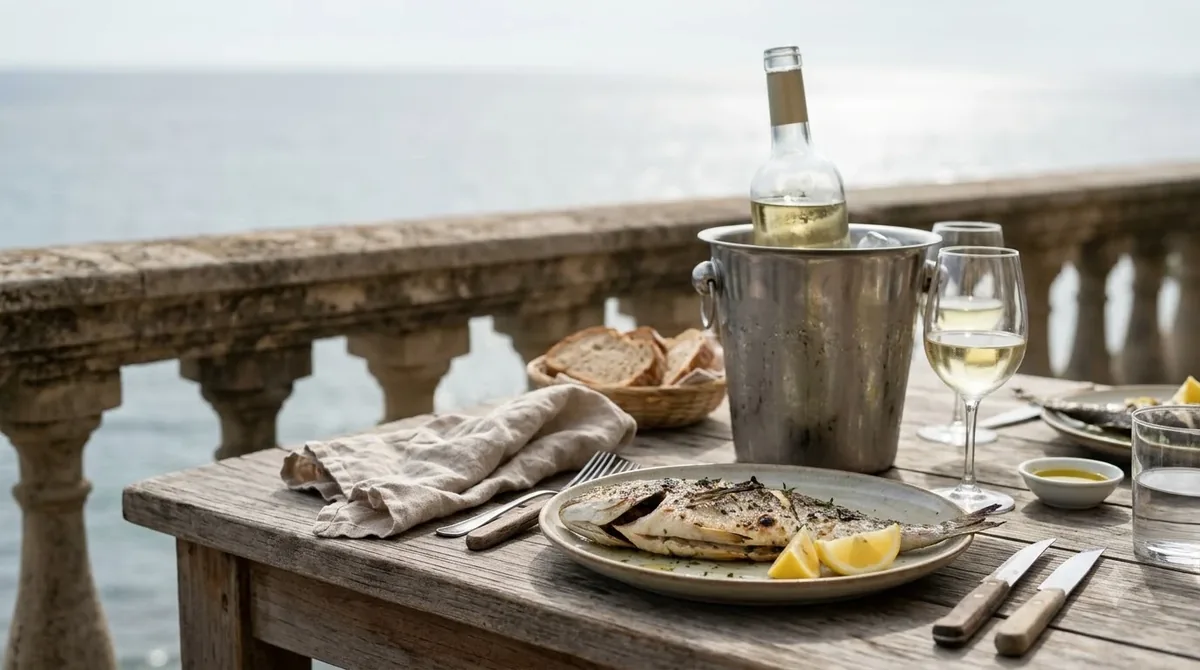
Cabernet sauvignon pairs most naturally with foods that have enough fat and savory depth to balance firm tannins. Grilled red meat, roasted lamb, and aged cheeses are classic choices, because the fat softens the tannins and lets the black fruit come forward. A cabernet from a warm region can also handle barbecue sauce or a mushroom dish with some char.
Lighter bottles from cooler sites suit roast chicken, duck, or a tomato-based pasta. Those wines are usually less tannic, so they work with dishes that would overwhelm a bold Napa bottle. Matching the body of the wine to the weight of the food is a simple rule that holds up across most dinners, and it is the easiest way to decide between two bottles on the same shelf.
Frequently Asked Questions
Is cabernet sauvignon at Costco always full-bodied?
Most cabernet sauvignon is full-bodied, with medium-high tannins and acidity. Lighter styles exist, especially from cooler sites, but a typical bottle from a warm region will feel rich and structured.
Should I decant cabernet sauvignon before dinner?
Decanting helps young, tannic bottles open up. A common practice described in grape guides is decanting cabernet for about one hour before serving, though an older, softer bottle may need less time.
What alcohol level should I expect?
Most cabernet sauvignon falls between 13.5 and 15 percent alcohol. Bordeaux bottles tend to sit lower, while many California bottles are above 14 percent.
Does the Costco selection stay the same?
No. Stock varies by warehouse and season, so use the label details rather than expecting one specific bottle to remain on the shelf. When a favorite is gone, look for another bottle with the same region and alcohol level, since those two clues predict style better than the brand name does.
Once you know the region and style you want, the cabernet shelf becomes much easier to read. For more ideas on other red picks, see the guide to red wine at Costco, or browse the broader wine buying hub before your next trip. Enjoy responsibly.
More in Wine Buying Guides
 Riesling Gift: Choose a Bottle They’ll LoveUpdated Nov 21, 2026
 Sweet Red Wine Gift: Choose a Bottle They’ll LoveUpdated Nov 21, 2026
 Malbec Gift: How to Choose a Memorable Bottle for Any OccasionUpdated Nov 21, 2026
 Sherry Gift Ideas That Match Every Wine LoverUpdated Nov 21, 2026
 Moscato Gift: How to Choose a Sweet Wine They’ll LoveUpdated Nov 21, 2026
 Merlot Gift: How to Choose a Bottle They’ll AppreciateUpdated Nov 21, 2026