


We may earn a commission when you buy through links on this page, at no extra cost to you. Learn more.
This chateau ste michelle wine review finds that Chateau Ste. Michelle is a strong choice for approachable Washington wines, particularly Riesling, Chardonnay, Cabernet Sauvignon, and Merlot. Its Columbia Valley collection offers several recognizable grape varieties and different sweetness levels, while Indian Wells and Eroica provide options for drinkers seeking richer or more distinctive styles. The best bottle depends on whether you prefer crisp acidity, softer fruit, noticeable oak, or a fuller-bodied red.
Based in Woodinville, Washington, Chateau Ste. Michelle has played an important role in establishing the state’s reputation for quality wine. Its range covers casual weekday bottles, food-friendly whites, structured reds, and more specialized releases. Rather than treating every bottle as interchangeable, buyers should compare grape variety, sweetness, acidity, oak influence, and the occasion before choosing. This guide explains the major collections and provides a practical way to find a suitable bottle.
Who This Is For: Chateau Ste. Michelle Wine Buyers
Chateau Ste. Michelle is particularly suitable for drinkers who want recognizable grape varieties and accessible Washington wine styles without having to understand complicated regional classifications. Its Columbia Valley collection includes familiar choices such as Riesling, Chardonnay, Sauvignon Blanc, Cabernet Sauvignon, and Merlot. That variety makes the brand a useful starting point for households with different preferences.
Riesling deserves particular attention because it has been central to the winery’s identity for decades. Its 1972 Johannisberg Riesling won a Los Angeles Times-sponsored blind tasting in 1974, helping establish the winery’s reputation beyond Washington. Today, the Riesling selection includes multiple sweetness expressions, while the Eroica partnership with German winemaker Ernst Loosen offers another level of complexity.
Chardonnay drinkers also have a clear starting point. The standard Columbia Valley bottling combines fresh apple and citrus character with restrained spice and oak nuances. It is a sensible option for someone who wants a recognizable Chardonnay without automatically choosing a heavily oaked style.
Red wine drinkers can explore Cabernet Sauvignon and Merlot, while those who prefer a richer profile can consider the Indian Wells collection. The brand also has Sauvignon Blanc and Rosé for lighter meals and warm-weather occasions.
There are a few situations where buyers should be more selective. Someone who strongly dislikes sweetness should distinguish Dry Riesling from the standard medium-dry Riesling. A drinker seeking a powerful, heavily tannic Cabernet should also compare individual bottlings rather than assuming every red in the portfolio has the same structure.
For shoppers comparing several producers, the broader Wine Brands category provides a useful starting point for understanding how winery portfolios differ in style and intended audience.
Key Factors to Compare Before Buying
The most useful comparison points are grape variety, sweetness, acidity, body, and oak treatment. These characteristics have a greater influence on drinking experience than the winery name alone, particularly when choosing between a crisp Riesling, a fresh Chardonnay, and a structured Cabernet Sauvignon.
The following table uses published producer information for the two core white wines and the winery’s stated collection characteristics. These figures are useful reference points rather than guarantees that every vintage will be identical.
| Wine or collection | Key characteristics | Published figures or distinction | Suitable occasion |
|---|---|---|---|
| Columbia Valley Riesling | Medium-dry, apple, white peach, mineral notes | 100% Riesling; 12% ABV | Spicy food, seafood, casual dinners |
| Columbia Valley Chardonnay | Citrus, apple, subtle spice, oak | 100% Chardonnay; 13.5% ABV | Roast chicken, creamy pasta |
| Columbia Valley Dry Riesling | Fresher, drier expression with bright acidity | Separate dry-style bottling | Seafood, salads, light meals |
| Indian Wells | Richer, rounder, fuller-bodied profile | Cabernet Sauvignon, Chardonnay, Merlot | Grilled dishes, richer meals |
| Columbia Valley Sauvignon Blanc | Fresh white-wine alternative | Standard varietal collection | Salads, vegetables, seafood |
| Columbia Valley Merlot | Fruit-led red with softer tannin expectations | Standard varietal collection | Roast poultry, pasta, burgers |
| Columbia Valley Cabernet Sauvignon | More structured red-wine style | Standard varietal collection | Steak, lamb, grilled beef |
| Light Chardonnay and Sauvignon Blanc | Lighter-alcohol alternatives | 9% ABV; 80 calories; zero sugar, according to the producer | Casual occasions and lighter drinking preferences |
Sweetness is an especially important distinction. The standard Columbia Valley Riesling is medium-dry, meaning it retains some perceptible sweetness while maintaining refreshing acidity. Dry Riesling is a different option for drinkers who prefer a less sweet impression. Neither should be confused with a dessert wine simply because Riesling can also be made in very sweet styles.
Oak treatment is another useful comparison. The producer states that 50% of its Columbia Valley Chardonnay undergoes five months of sur lie aging in a combination of neutral oak and 5% new oak, while the other 50% is fermented in stainless steel. This split approach helps explain its combination of fresh fruit and subtle oak character rather than an exclusively buttery or heavily toasted profile.
Acidity and tannin also influence food compatibility. Sauvignon Blanc and Riesling generally offer high acidity, making them useful with acidic sauces and fresh seafood. Cabernet Sauvignon has higher tannin, while Merlot tends to have softer, medium tannin. These differences help determine which bottle will work best with a particular dinner.
Tip: If sweetness is your main concern, start with the Dry Riesling rather than assuming every bottle labeled Riesling tastes the same. For Chardonnay, choose the standard Columbia Valley expression if you want fruit, freshness, and restrained oak rather than a strongly oaked style.
The producer’s Columbia Valley Riesling wine information provides additional details about its blend, fermentation temperature, and published wine analysis.
Step-by-Step: How to Choose a Chateau Ste. Michelle Bottle
A simple buying process makes it easier to narrow down the portfolio. Start with your preferred wine color and sweetness, then match the bottle to the meal, serving temperature, and level of complexity you want.
-
Decide whether you want white, red, or Rosé.
Begin with Riesling, Chardonnay, or Sauvignon Blanc for whites. Choose Cabernet Sauvignon or Merlot for reds. Rosé is a practical alternative when you want something lighter than a traditional red but different from a conventional white wine.
-
Determine your preferred sweetness.
Choose Columbia Valley Riesling for a medium-dry profile or Dry Riesling for a drier experience. If you prefer fruit without noticeable residual sweetness, Sauvignon Blanc or Chardonnay may be more appropriate starting points.
-
Match the wine’s structure to your meal.
Riesling works well with spicy Asian dishes, grilled fish, pork, or moderately sweet sauces. Chardonnay is suitable for roast chicken, creamy pasta, and richer seafood. Cabernet Sauvignon is better suited to grilled beef and lamb because its higher tannin benefits from protein and fat.
-
Choose the appropriate collection.
The standard Columbia Valley range is a practical entry point. Consider Indian Wells if you want a richer, fuller-bodied expression. Explore Eroica if Riesling is your preferred grape and you want to move beyond the standard bottling.
-
Compare the vintage and bottle details.
Different harvest conditions can change acidity, fruit concentration, and balance. Review the current bottle’s tasting description and alcohol percentage instead of assuming that every release tastes exactly like an earlier vintage.
-
Plan the serving temperature.
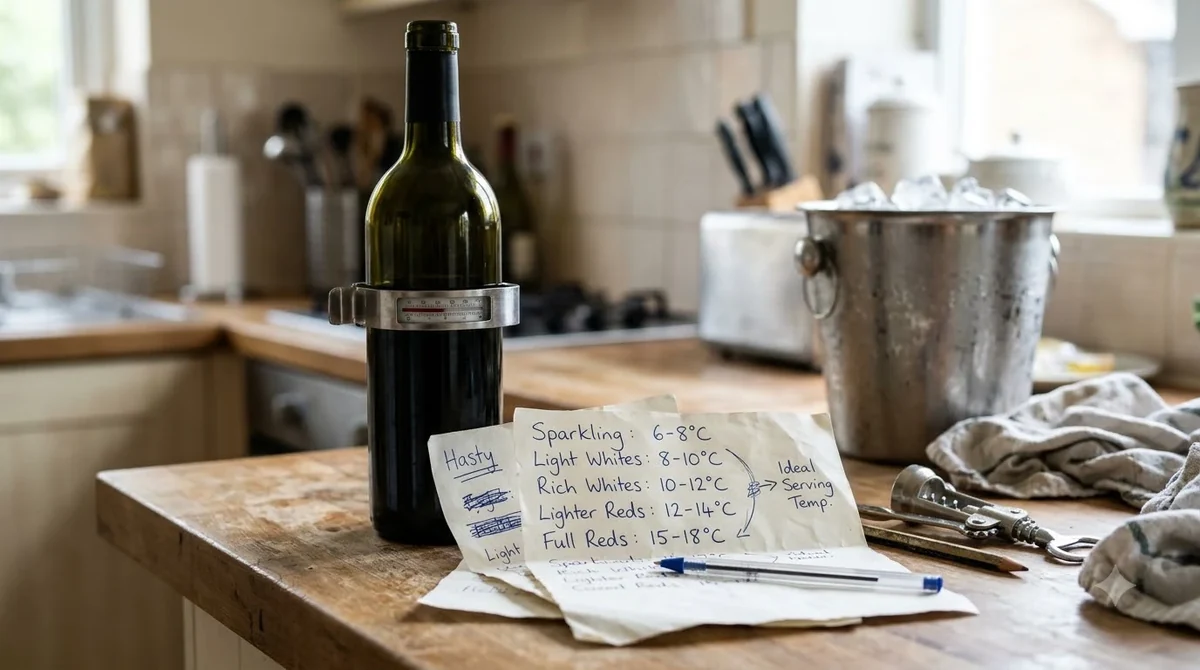
Chill sparkling wine to 40-50 degrees Fahrenheit, light whites and Rosé to 45-50 degrees, and fuller whites to 50-55 degrees. Serving temperature can noticeably change how fruit, acidity, and oak are perceived.
-
Consider the number of guests.
A standard 750 ml bottle provides approximately five 5-ounce glasses. For a dinner with six adults, two bottles provide a more practical starting point if everyone plans to have a glass or two.
This process is especially useful when buying wine for a mixed group. A medium-dry Riesling can appeal to guests who enjoy fruit-forward whites, while Chardonnay provides a different flavor profile for people who prefer less obvious sweetness. Offering one red and one white also gives guests more flexibility without requiring a large selection.
Types and Styles Explained Across the Portfolio
The winery’s portfolio is organized around familiar varietals and distinct collections rather than a single house style. The standard Columbia Valley range emphasizes approachable wines, Indian Wells focuses on richer expressions, and Eroica gives Riesling drinkers a more specialized alternative.
Columbia Valley Riesling
This is one of the most recognizable wines in the portfolio. The producer describes it as medium-dry, with crisp apple, white peach, and mineral notes. Its published analysis lists 100% Riesling, 12% alcohol, and fermentation at 55-60 degrees Fahrenheit.
Independent tasting notes offer further context. Wine Enthusiast’s review of the 2024 bottling identifies peach, mango, mint, lime zest, lychee, pear, and honey alongside its medium-dry character. That combination makes it particularly useful for people who want a white wine with both fruit sweetness and refreshing acidity.
Food pairing is relatively flexible. Try it with Thai curry, lightly spiced noodles, pork, grilled fish, or mild cheeses. Its acidity helps balance richer sauces, while a little residual sweetness can soften the perception of moderate chili heat.
Columbia Valley Dry Riesling
Dry Riesling is the better starting point for drinkers who enjoy citrus and orchard-fruit character but do not want the more noticeable sweetness of a medium-dry wine. Its profile can include green apple, lemon, herbs, and floral notes.
Wine Enthusiast’s review of the 2024 Dry Riesling identifies white clover, fresh-cut grass, yellow apple, thyme, and lemon-drop flavors. This gives a useful picture of the difference between the two Riesling expressions: the dry version emphasizes freshness and a less sweet overall impression, while the standard bottling leans more toward ripe fruit.
Pair Dry Riesling with shellfish, grilled chicken, fresh salads, or dishes with citrus-based sauces. It is also a practical choice for an outdoor meal where a refreshing white wine is preferable to something richer.
Chardonnay
Columbia Valley Chardonnay provides a different experience from the winery’s Riesling. The producer describes juicy citrus and apple fruit with subtle spice and oak nuances. Its combination of stainless-steel fermentation and partial sur lie aging gives it a balance between fresh fruit and additional texture.
According to the published wine analysis, the Chardonnay contains 100% Chardonnay grapes and has 13.5% ABV. Half of the wine is aged sur lie for five months in neutral oak and a small proportion of new oak, while the remaining half is fermented in stainless steel.
This makes it a reasonable choice for someone who enjoys Chardonnay but does not necessarily want a strongly buttery or heavily toasted style. Serve it with roast chicken, grilled prawns, mushroom pasta, or mild cheeses. For a closer look at its characteristics, see this Chateau Ste Michelle Chardonnay overview.
Sauvignon Blanc and Rosé
Sauvignon Blanc is a useful alternative for people who prefer a brighter, more citrus-driven white wine. Its naturally high acidity makes it a good companion for goat cheese, salads, fresh vegetables, and seafood prepared with lemon or herbs.
Rosé offers another flexible option. Its lighter structure makes it suitable for casual lunches, grilled vegetables, seafood appetizers, and simple summer meals. It can also work as an aperitif before a more substantial dinner.
Cabernet Sauvignon and Merlot
Cabernet Sauvignon is the more structured red-wine direction in the standard collection. Its naturally high tannin makes it a better partner for beef, lamb, and other protein-rich dishes. The wine’s structure can also work with hard cheeses and grilled meats.
Merlot generally offers a softer alternative. With medium tannin and a rounder fruit profile, it can be easier to pair with roast poultry, burgers, tomato-based pasta, and moderately seasoned dishes. Buyers who dislike the drying sensation of a strongly tannic red may prefer starting with Merlot.
Indian Wells and Eroica
Indian Wells is the winery’s richer, fuller-bodied collection, with Cabernet Sauvignon, Chardonnay, and Merlot among its offerings. It is a useful direction for drinkers who prefer more concentrated fruit and a rounder mouthfeel than the standard Columbia Valley wines.
Eroica occupies a different position. Created through the collaboration between Chateau Ste. Michelle and German Riesling specialist Ernst Loosen, it is intended for people who want to explore a more distinctive Riesling expression. Its connection to the Mosel wine tradition gives the partnership an interesting stylistic context.
For shoppers who want to understand the core Riesling range before considering more specialized expressions, the Chateau Ste Michelle Riesling selection is a useful next comparison.
Common Mistakes When Buying These Wines
The most frequent buying mistake is treating every bottle from the same winery as though it has the same sweetness, acidity, body, or oak influence. Chateau Ste. Michelle makes wines across several distinct styles, so the grape variety and collection name matter more than the brand name alone.
One common example is confusing standard Riesling with Dry Riesling. The standard Columbia Valley expression is medium-dry, while the separate Dry Riesling bottling is intended for people seeking a drier profile. Someone who strongly dislikes sweetness should not choose between them based only on the word Riesling.
Another mistake is assuming Chardonnay must be heavily oaked or buttery. The Columbia Valley version combines stainless-steel fermentation with partial aging in neutral and limited new oak. That treatment produces a different result from a Chardonnay made entirely in new barrels.
Red wine buyers sometimes make the opposite mistake by choosing Cabernet Sauvignon for every hearty meal. Although Cabernet works well with steak and lamb, Merlot can be a better match for dishes with lighter sauces, roast poultry, and moderately seasoned burgers. The difference in tannin is important, particularly when the food contains little fat.
Food temperature and preparation also matter. A heavily chilled red can seem harder and less expressive, while a warm white can appear flatter and more alcoholic. Similarly, oily fish generally works better with a high-acidity white than with a strongly tannic red, which can produce an unpleasant flavor combination.
Another issue is pairing sweetness with spicy food. A dry wine with high alcohol can make chili heat feel stronger, particularly when the dish is already heavily seasoned. A medium-dry Riesling can be more comfortable with moderate spice because its sweetness and acidity help balance the overall flavor experience.
Buyers should also avoid assuming that the winery’s collections are interchangeable. Indian Wells is presented as a richer, fuller-bodied range, while standard Columbia Valley wines offer more approachable everyday styles. Choosing between them should depend on the desired drinking experience rather than the assumption that a higher-tier collection is automatically the right choice for every occasion.
Finally, do not rely exclusively on an old tasting description. Wine varies by vintage, and a bottle from a different harvest can show different levels of fruit ripeness, acidity, and balance. A previous favorable experience is a useful starting point, but it should not replace checking the current release’s characteristics.
Care, Serving, and Storage Tips
Correct serving temperature and storage help preserve the character of Chateau Ste. Michelle wines. White wines generally benefit from chilling, while reds are better served slightly cooler than many household room temperatures.
For Riesling, a serving temperature of approximately 45-50 degrees Fahrenheit works well. This range keeps the fruit refreshing without making the wine seem excessively sharp. Dry Riesling can be served at a similar temperature, particularly when paired with seafood or fresh salads.
Chardonnay generally benefits from a slightly warmer range of 50-55 degrees Fahrenheit. Excessive chilling can suppress its apple, citrus, and oak characteristics. Allowing the wine to warm slightly in the glass can make its texture and subtle spice more noticeable.
For red wines, light-bodied styles are generally served at 55-60 degrees Fahrenheit, while fuller-bodied Cabernet Sauvignon is better around 60-65 degrees. These temperatures help preserve freshness while allowing the wine’s fruit and tannin to remain balanced.
Storage conditions are equally important. Keep unopened bottles in a cool, dark location near 55 degrees Fahrenheit, away from direct sunlight and significant temperature changes. Bottles with natural cork closures should generally be stored on their sides to help keep the cork from drying out.
Opened bottles should be resealed and refrigerated, including red wines. Most opened still wines remain suitable for approximately three to five days under proper refrigeration, although their aromas and freshness can gradually decline. A vacuum stopper can help reduce oxidation, while sparkling wines benefit from a dedicated sparkling-wine stopper.
For everyday serving, a standard 5-ounce pour is a practical reference. A 750 ml bottle contains approximately five such servings, making it easy to estimate quantities for dinner parties. If guests are drinking several styles, smaller pours also make it easier to compare the differences between Riesling, Chardonnay, and red wines.
Decanting is not necessary for every bottle. A young, full-bodied red may benefit from approximately 30-60 minutes of aeration, while fresh Riesling, Sauvignon Blanc, and most approachable Chardonnay bottlings can generally be served directly from the bottle after chilling.
Good storage practices are especially important if a bottle is being saved for a later occasion. Avoid keeping wine in a kitchen cabinet beside an oven, near a sunny window, or in a location where daily temperature changes are substantial. Consistent conditions are more useful than elaborate storage equipment for someone maintaining a small collection.
Frequently Asked Questions
Is Chateau Ste. Michelle considered a good winery?
Yes. Chateau Ste. Michelle has been an important part of Washington’s wine industry since its premium-wine identity began in 1967. Its influence extends beyond its own portfolio, particularly through its historical contribution to the development of Washington grape growing, winemaking, and wine tourism.
Does Chateau Ste. Michelle produce wines from organic grapes?
The wines discussed in this guide should not automatically be considered certified organic. Organic certification is a specific production and labeling designation, and a winery’s general sustainability activities do not establish that every bottle meets organic requirements. Buyers seeking certified organic wine should look for the relevant certification on the specific product.
Where is the Chateau Ste. Michelle winery located?
The winery is located at 14111 NE 145th Street in Woodinville, Washington. Its estate is approximately 118 acres according to the winery’s corporate estate description, and the location is also associated with wine tourism and summer concert events. Visitors should confirm current tasting arrangements and reservation requirements before traveling.
Can Chateau Ste. Michelle Riesling be aged for several years?
Some Rieslings can develop additional complexity with bottle age, particularly wines made with the balance of acidity and sweetness needed for development. However, the standard Columbia Valley bottling is generally best approached as a fresh, fruit-forward wine rather than automatically treated as a long-term cellar candidate. Storage conditions and the individual release are important considerations.
What does Eroica mean in the Chateau Ste. Michelle portfolio?
Eroica is the winery’s collaborative Riesling project with German producer Ernst Loosen. The partnership began in 1999 and connects Washington-grown Riesling with the expertise of a winemaker associated with Germany’s Mosel region. It is a distinct portfolio offering rather than simply another label for the standard Columbia Valley Riesling.
Chateau Ste. Michelle is a worthwhile winery to explore if you enjoy accessible Washington wines with recognizable varietal character. Columbia Valley Riesling and Chardonnay are sensible starting points, while Indian Wells, Cabernet Sauvignon, Merlot, and Eroica offer different directions as your preferences develop. Choose according to sweetness, acidity, body, and the food you plan to serve, and the portfolio becomes much easier to understand.
More in Wine Brands
 Underwood Wine Price: Compare Bottles, Cans, and Pack SizesUpdated Nov 21, 2026
 Zenato Wine Price: Compare Styles and Choose the Right BottleUpdated Nov 21, 2026
 Zuccardi Wine Price: Compare Bottles and Find the Right RangeUpdated Nov 21, 2026
 Yellow Tail Moscato Review: Taste, Sweetness and Serving TipsUpdated Nov 21, 2026
 Wolf Blass Yellow Label Review: Choose Your Best StyleUpdated Nov 21, 2026
 Wolffer Estate Rose Review: Choose the Right Bottle for Your TableUpdated Nov 21, 2026