

We may earn a commission when you buy through links on this page, at no extra cost to you. Learn more.
Merlot with lamb is an excellent pairing because the wine’s soft tannins, dark-fruit flavors, and rounded texture complement lamb’s savory richness without overpowering the meat. A medium- to full-bodied Merlot works particularly well with roast leg of lamb, grilled chops, herb-crusted rack, and slow-cooked shoulder. Choose a more structured Bordeaux Merlot for rosemary-seasoned roasts or a ripe California Merlot for richly flavored grilled and braised preparations.
Lamb has enough flavor and richness to stand up to red wine, but its different cuts and cooking methods call for different approaches. A tender rack with a herb crust is not the same pairing challenge as a slowly braised shoulder, a smoky lamb chop, or a tomato-rich shepherd’s pie. Merlot offers useful flexibility because its dark fruit, moderate acidity, and softer tannins can complement several of these preparations. The key is to match the wine’s body, fruit intensity, and structure with the meat, seasoning, and sauce.
Why Merlot Works With Lamb
Merlot works with lamb because its supple texture complements the meat’s richness while its fruit flavors balance savory and roasted notes. Its moderate tannins also make it less aggressive than many heavily structured red wines.
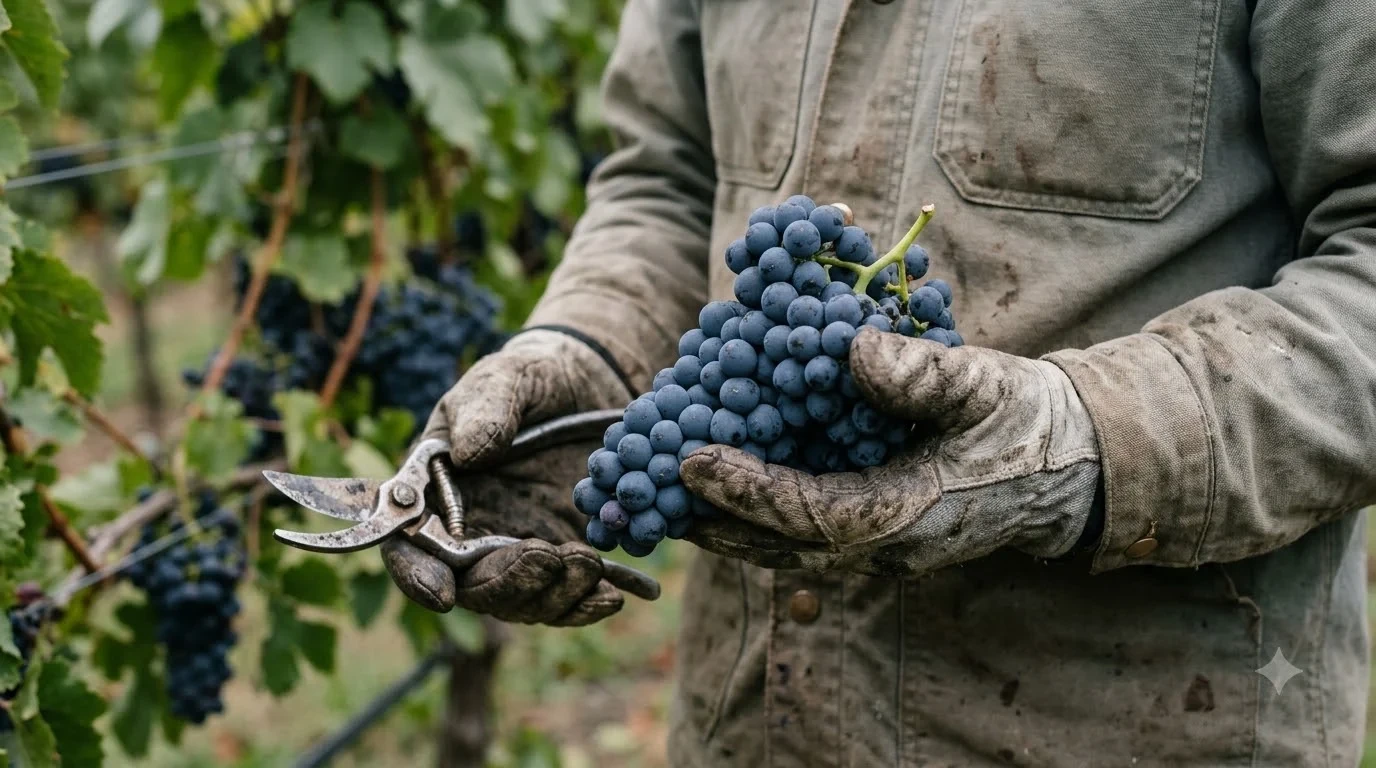
Lamb has a distinctive savory flavor, particularly when roasted or grilled. Its natural fat contributes richness, while browning during cooking produces caramelized, roasted flavors. Merlot has enough body and dark-fruit character to stand alongside these qualities. Flavors such as plum, blackberry, black cherry, and cocoa create a satisfying contrast with the meat’s savory depth.
The wine’s tannin structure is another important advantage. Tannins create a drying, sometimes gripping sensation in the mouth. Lamb’s fat and protein-rich texture can soften that impression, making the combination feel rounder. Merlot generally has softer tannins than Cabernet Sauvignon, so it can complement lamb without making the meal feel excessively drying or heavy. This is particularly useful with tender cuts that have less pronounced char or crust.
Merlot also has enough variation to accommodate different preparations. A cooler-climate bottle can offer dried herbs, tobacco, cherry, and earthy characteristics, while a warmer-climate version may emphasize ripe plum, blackberry, and chocolate. The former can complement rosemary and thyme, while the latter can stand alongside grilled meat, roasted garlic, and concentrated pan juices.
The International Wine & Food Society includes Merlot among its recommended wines for roast lamb, grilled lamb, and herb-crusted rack of lamb. Its pairing guidance also includes Merlot with lamb stew and shepherd’s pie. These examples demonstrate that the grape is not limited to one particular cut or cooking technique.
For a broader introduction to the principles behind matching wine and food, see our Grape x Food resource. The same fundamentals apply here: balance the intensity of the wine with the intensity of the dish, and consider the influence of fat, acidity, herbs, and sauces.
Choosing a Merlot Style for Different Cuts
The best bottle depends on the cut, cooking method, and seasoning. Tender lamb generally benefits from a balanced, medium-bodied wine, while fatty, slow-cooked, or heavily charred preparations can handle a fuller-bodied Merlot with more concentrated fruit.
For a rack of lamb, choose a Merlot with refined tannins and enough fruit concentration to match the meat’s richness. Rack is naturally tender and often served medium-rare, so an excessively heavy wine can overwhelm its delicate texture. Saint-Émilion and Pomerol are useful Bordeaux reference points because Merlot plays a major role in many wines from these Right Bank appellations. Look for plum, cherry, herbal notes, and a smooth finish.
Leg of lamb can support a slightly more substantial wine, particularly when roasted with garlic, rosemary, and black pepper. A medium- to full-bodied Merlot from California or Washington can offer the ripe fruit and body needed for the caramelized exterior and savory juices. A Bordeaux blend with Merlot as a significant component is another sensible option if you prefer more structure.
For lamb chops, the amount of char and fat matters. Grilled chops with a simple salt-and-pepper seasoning can work with a medium-bodied Merlot, while heavily charred chops benefit from a more concentrated style. Shoulder is generally richer and more intensely flavored after slow cooking, making a fuller Merlot a natural choice.
The following guide provides a practical starting point for matching the cut with the wine.
| Lamb preparation | Recommended Merlot style | Flavor characteristics to seek |
|---|---|---|
| Herb-crusted rack | Medium-bodied Bordeaux Merlot | Cherry, plum, dried herbs |
| Roast leg | Medium- to full-bodied Merlot | Black cherry, plum, cedar |
| Grilled chops | Fuller California or Washington Merlot | Blackberry, cocoa, spice |
| Slow-cooked shoulder | Full-bodied, concentrated Merlot | Dark plum, blackberry, savory notes |
| Lamb stew | Medium-bodied, savory Merlot | Earth, cherry, dried herbs |
| Shepherd’s pie | Fruit-forward Merlot | Plum, black cherry, soft spice |
These are style recommendations rather than strict regional rules. A particularly ripe Bordeaux Merlot may work with grilled chops, while a restrained California bottling can be a good partner for roast leg. The important consideration is whether the wine has enough flavor and body to stand beside the preparation without dominating it.
If the meal centers on a traditional rack, our guide to what wine goes with rack of lamb provides additional pairing ideas for different sauces, herbs, and cooking styles.
Pairing Merlot With Roast, Grilled, and Braised Lamb
Cooking method changes lamb’s flavor and texture, so the same Merlot will not perform identically with every preparation. Roasting emphasizes caramelization, grilling adds smoke and char, and braising concentrates savory flavors while producing a softer texture.

Roast lamb
Roast lamb is one of the most straightforward matches for Merlot. During roasting, the exterior develops browned, savory flavors while the interior retains the meat’s natural richness. A medium- to full-bodied Merlot with plum, black cherry, and restrained oak can complement both elements.
Garlic and rosemary are particularly useful seasonings. Rosemary has a fragrant, slightly resinous quality that can echo the herbal notes found in cooler-climate Merlot. Garlic contributes savory depth, while black pepper provides a gentle spice that works with the wine’s fruit. A Bordeaux-style Merlot blend is an especially appealing choice when the roast is served with pan gravy and roasted root vegetables.
Grilled lamb
Grilling adds charred flavors and smoky aromas that call for a wine with enough fruit concentration to maintain its presence. A ripe California or Washington Merlot can be a good match for grilled lamb chops, skewers, and butterflied leg of lamb. Blackberry, black cherry, and cocoa notes provide a counterpoint to the browned exterior.
For simple grilled chops, keep the seasoning relatively straightforward. Salt, black pepper, garlic, and a small amount of rosemary allow both the meat and wine to remain recognizable. A rich barbecue glaze or sweet marinade changes the balance. If the sauce is noticeably sweet, select a Merlot with ripe fruit rather than a lean, strongly herbal style.
Braised lamb
Braising transforms tougher cuts into tender, deeply flavored dishes. Lamb shoulder and shanks are commonly cooked slowly with stock, onions, carrots, garlic, herbs, and sometimes tomatoes or wine. The resulting sauce is concentrated and savory, so a medium- to full-bodied Merlot can provide an appropriate match.
Choose a bottle with sufficient fruit intensity to balance the concentration of the sauce. A Merlot with dark plum, blackberry, and subtle earthy notes can complement the meat while echoing the flavors of the cooking liquid. Avoid a particularly delicate wine if the braising sauce is heavily reduced or contains strong spices.
Shepherd’s pie is another good candidate. Its ground lamb filling, browned mashed-potato topping, onions, and gravy create a comforting combination of savory and starchy flavors. A fruit-forward Merlot provides contrast without requiring the structure of a highly tannic Cabernet Sauvignon.
For additional perspectives on how preparation changes the ideal bottle, Decanter’s guide to wines with lamb discusses the differences between roast leg, rack, chops, and slow-cooked shoulder, including how richness and texture influence wine selection.
Herbs, Spices, and Sauces That Complement the Wine
Seasonings can make a successful lamb pairing even better, but some ingredients are more compatible with Merlot than others. Rosemary, thyme, garlic, black pepper, mushrooms, and savory pan sauces generally work well with the grape’s fruit and herbal characteristics.
Rosemary is a classic companion for lamb. Its aromatic, woody character can complement Merlot from cooler regions, especially bottles with bay leaf, tobacco, or dried-herb notes. Use rosemary in a marinade, rub, or roasting pan rather than relying on a heavily sweetened sauce. The herb should contribute fragrance without becoming so intense that it dominates the wine.
Thyme is another dependable option. Its earthy and slightly floral character works with both fruit-forward and more restrained Merlot styles. It is particularly useful in braised lamb, where thyme can infuse the cooking liquid and create a savory connection between the sauce and the wine.
Garlic is versatile because it can be roasted, minced into a rub, or incorporated into a sauce. Roasted garlic develops a softer, sweeter character that works with Merlot’s plum and black-cherry flavors. Raw garlic is sharper, so use it carefully in uncooked sauces.
Mushrooms can also reinforce the earthy side of the pairing. A mushroom pan sauce or sautéed cremini mushrooms served with lamb can complement Merlot’s savory complexity. For a richer preparation, add a little stock and the meat’s cooking juices to create a sauce that brings the components together.
Matching sauces with Merlot
Red wine reduction, mushroom gravy, rosemary jus, and garlic pan sauce are all practical options. These sauces emphasize savory flavors and help connect the wine with the lamb. A moderately rich sauce is generally preferable to one that is excessively sweet or acidic.
Mint sauce requires a little more care. Traditional mint sauce can be sharp and vinegar-forward, which may make a moderate-acidity Merlot seem less refreshing. A gentler mint preparation, especially one with fresh herbs and restrained vinegar, is easier to accommodate. Another option is a parsley-based salsa verde with controlled acidity and a modest amount of olive oil.
Tomato-based sauces can work as well, but their acidity needs attention. A bright tomato sauce can make a low- to moderate-acidity Merlot seem softer and less balanced. Choose a fruit-forward wine with sufficient freshness, and avoid adding excessive vinegar or lemon to the finished dish.
Regional Merlot Choices and Serving Temperature
Merlot from Bordeaux, California, Washington, and Chile can all work with lamb, but regional climate and winemaking influence the wine’s character. Serving temperature also matters: a red wine served too warm can seem alcoholic, while one served too cold may appear less expressive.
Bordeaux Merlot is a useful starting point for traditional roast lamb. Saint-Émilion and Pomerol are well-known Right Bank appellations where Merlot plays an important role. These wines can show plum, cherry, savory herbs, and earthy complexity. Their balanced structure makes them especially suitable for rack of lamb, roast leg, and dishes featuring rosemary or thyme.
California Merlot is worth considering for grilled chops and richer lamb preparations. Depending on the growing area and winemaking style, the wine may emphasize ripe plum, blackberry, black cherry, and chocolate. This fruit concentration can work particularly well with charred meat, roasted garlic, and concentrated sauces.
Washington Merlot can offer another useful balance, with dark fruit alongside freshness and savory characteristics. It can be an attractive choice for lamb served with mushrooms, roasted vegetables, or herb-seasoned potatoes. Chilean Merlot is another option when a juicy, approachable red is preferred, particularly with straightforward grilled or roasted preparations.
For a comparison of Merlot’s versatility across different meals, see our article on Merlot with chicken. The same grape can work with both lighter and richer proteins when the wine’s body is matched to the dish.
Serving temperature
Serve Merlot at approximately 60–65°F for a fuller-bodied style. This range allows its fruit, aroma, and structure to show without making the alcohol seem overly prominent. Lighter-bodied Merlot can be served closer to 55–60°F, particularly if the meal is served in a warm dining room.
Do not assume that room temperature is always appropriate. Modern indoor temperatures can be considerably warmer than the traditional cool cellar conditions associated with red wine service. If the bottle has been sitting in a warm kitchen, a brief period in the refrigerator can help bring it into a more suitable range.
Tip: Place a bottle of Merlot in the refrigerator for approximately 15–25 minutes before serving if it is warmer than the recommended range. Check the temperature rather than relying only on the time, since the bottle’s starting temperature and refrigerator conditions will affect how quickly it cools.
A standard 750 ml bottle provides approximately five 5-ounce glasses. For a dinner featuring lamb as the main course, this is a practical serving reference for planning the amount of wine. Opened still wine can generally be refrigerated and enjoyed over the following 3–5 days, although its aromas and freshness gradually change after exposure to air.
Common Pairing Mistakes and Better Alternatives
Most problems with Merlot and lamb come from mismatched intensity, excessive sweetness, or aggressive seasoning. The solution is usually to adjust the wine’s style or the preparation rather than abandon the pairing.
One common mistake is choosing a very light, uncomplicated Merlot for a heavily seasoned lamb shoulder. Slow cooking, concentrated stock, caramelized onions, and rich gravy create substantial flavor. A thin wine may disappear beside the dish. Choose a fuller style with more concentrated fruit and sufficient body instead.
The opposite problem can happen with delicate rack of lamb. A very ripe, high-alcohol Merlot with substantial oak can overwhelm the meat’s tender texture and subtle flavor. A more restrained Bordeaux-style bottle is often a better choice, especially when the rack is served medium-rare with a simple herb crust.
Another mistake is ignoring the influence of chili heat. Spicy lamb preparations, including heavily seasoned kebabs and hot curries, can make alcohol and tannin seem more aggressive. A high-alcohol, strongly structured red is therefore not always the best option. A softer, fruit-forward Merlot can be more comfortable with mildly spiced preparations, but particularly hot dishes may call for a different style of wine altogether.
Acidity is equally important. Tomato sauces, vinegar-based marinades, and sharp citrus dressings can make a moderate-acidity Merlot taste comparatively flat. Keep acidic components balanced, or choose a wine with enough freshness to hold its own against the dish. For preparations with substantial acidity, a higher-acid red may offer a more convincing match.
Finally, avoid assuming that every lamb dish requires the biggest red wine available. Tender spring lamb, simply seasoned chops, and delicate herb-roasted rack can be better with a medium-bodied Merlot than with an intensely tannic Cabernet Sauvignon. Merlot’s softer structure is one of its main advantages in these situations.
Frequently Asked Questions
Is Merlot better than Cabernet Sauvignon with lamb?
Neither grape is universally better. Merlot generally has softer tannins and a rounder texture, making it particularly suitable for tender rack of lamb and simply roasted cuts. Cabernet Sauvignon has higher tannin and can be a stronger choice for deeply browned, richly flavored leg of lamb or heavily seasoned grilled preparations.
Can you serve chilled Merlot with lamb?
Merlot should not be served refrigerator-cold like a crisp white wine. However, a slight chill can help a lighter-bodied bottling retain freshness, especially during warm-weather meals. Aim for approximately 55–60°F for lighter styles rather than serving them at typical refrigerator temperatures of around 35–40°F.
Does Merlot pair with lamb kebabs?
Yes, particularly when the kebabs contain grilled lamb, onions, peppers, and moderately seasoned herbs. A fruit-forward Merlot can complement the browned meat and vegetables. For a preparation with pronounced chili heat, a softer, lower-alcohol red may be more comfortable than a powerful, high-alcohol Merlot.
Should you decant Merlot before serving lamb?
Young, full-bodied Merlot can benefit from approximately 30–60 minutes of decanting before dinner. This gives the wine time to open and allows its aromas to become more expressive. Older bottles require more care because extended exposure to air can diminish their delicate aromas, so decant them mainly to separate any sediment.
Can Merlot pair with lamb cooked with dried fruit?
Yes, Merlot can complement lamb cooked with prunes, figs, or dried apricots, particularly when the fruit is used in a savory sauce rather than as a sugary glaze. Select a ripe, full-bodied style with dark-fruit flavors that can match the concentration of the preparation. If the finished dish is distinctly sweet, the wine should be at least as sweet as the food to avoid tasting sour or bitter by comparison.
Merlot is a versatile choice for lamb because its dark fruit, moderate acidity, and softer tannins complement the meat’s savory richness. Choose a restrained Bordeaux style for herb-crusted rack or traditional roast leg, and consider a fuller California or Washington Merlot for grilled chops and slow-cooked shoulder. With the right balance of wine, seasoning, and cooking method, this pairing can work beautifully across a wide range of lamb dishes.
More in Food & Wine Pairing
 Risotto With White Wine Recipe: Make a Creamy Dinner at HomeUpdated Nov 20, 2026
 Wassail With Wine Recipe for a Festive Spiced Holiday DrinkUpdated Nov 20, 2026
 Spritz Veneziano Recipe: Make a Classic Venetian Aperitivo at HomeUpdated Nov 20, 2026
 Summer Wine Punch Recipe for Easy Homemade EntertainingUpdated Nov 20, 2026
 Bishop Recipe: How to Make a Bright, Citrus-Forward Red Wine CocktailUpdated Nov 20, 2026
 Wine Cupcakes Recipe: Bake Rich Chocolate Cupcakes at HomeUpdated Nov 20, 2026