

We may earn a commission when you buy through links on this page, at no extra cost to you. Learn more.
The best El Dorado wineries cluster around Placerville, Camino, and Fair Play, where mountain vineyards between 1,200 and 3,500 feet produce bright, structured Rhône, Italian, and Zinfandel wines. Top stops include historic pioneers like Boeger Winery and Lava Cap Winery, Rhône specialists such as Holly’s Hill Vineyards and Skinner Vineyards, and high-elevation estates like Madroña Vineyards and Edio Vineyards at Delfino Farms. Choosing the right itinerary depends on whether you prefer crisp high-altitude whites, savory mountain Syrah, or bold volcanic-soil Zinfandel.
Located in California’s Sierra Foothills roughly 45 to 60 minutes east of Sacramento and 90 minutes southwest of Lake Tahoe, El Dorado County spans more than 70 wineries and over 2,000 acres of vines, according to the Sierra Highlands Vintner Group. Unlike warmer valley floors, steep Sierra Nevada slopes give local bottles fresh natural acidity and concentrated skin tannins, making a little advance planning essential before building a tasting route or buying cases for home storage.
Who This Guide Is For
This buying and tasting guide serves wine drinkers planning a day trip or weekend route through El Dorado County, as well as shoppers selecting Sierra Foothills bottles at retail. Whether building a mixed case of mountain Rhône blends or deciding between the Camino and Fair Play subregions, comparing elevation, grape focus, and reservation rules saves hours of driving on winding mountain roads.
Casual weekend visitors from Sacramento or Lake Tahoe often want scenic picnic grounds, walk-in tasting bars, and accessible white or rosé flights alongside bold reds. Properties like Boeger Winery in Placerville and Edio Vineyards at Delfino Farms in Camino combine family-friendly outdoor lawns, historic buildings, and bakery or farmstand food with approachable tasting menus. Travelers comparing California wine getaways will find El Dorado noticeably quieter and less commercialized than best Temecula wineries, with small family-run estates where owners frequently pour at the counter.
Dedicated collectors and varietal explorers benefit just as much from El Dorado’s unusual diversity, since growers cultivate between 80 and 100 distinct wine grape varieties across the county, according to El Dorado Wines and the Sierra Highlands Vintner Group. Buyers seeking structured Syrah, Mourvèdre, Barbera, or old-vine Zinfandel can target specific soil types—such as decomposed granite around Camino or ancient volcanic ash-flow formations in Fair Play—rather than guessing from generic regional labels.
Key Factors to Compare Across El Dorado Wineries
Comparing the best El Dorado wineries comes down to four practical variables: sub-AVA geography, vineyard elevation, core grape varieties, and tasting room logistics. Because driving between northern Apple Hill estates and southern Fair Play cellars takes 35 to 45 minutes along two-lane roads, grouping stops by corridor keeps tastings relaxed and safe.
| Winery | Town / Sub-AVA | Elevation | Signature Wines | Tasting Format & Amenities |
|---|---|---|---|---|
| Boeger Winery | Placerville (El Dorado AVA) | ~2,400 ft | Barbera, Merlot, Aglianico, Carignane | Walk-in & outdoor garden; 1872 historic cellar; picnic grounds |
| Lava Cap Winery | Placerville / Apple Hill (El Dorado AVA) | 2,700 ft | Cabernet Sauvignon, Old Vine Zinfandel, Chardonnay | Daily 10 am–5 pm; garden picnic area; volcanic soil estate |
| Madroña Vineyards | Camino / Apple Hill (El Dorado AVA) | ~3,000 ft | Dry Riesling, Gewürztraminer, Nebbiolo, Cabernet Franc | Forested picnic seating; tours by appointment; high-altitude estate |
| Edio Vineyards at Delfino Farms | Camino / Apple Hill (El Dorado AVA) | 3,000 ft | Mourvèdre, Albariño, Grenache, Rhône blends | Indoor/outdoor flights; on-site bakery, hard cider, summer concerts |
| Holly’s Hill Vineyards | Placerville / Pleasant Valley (El Dorado AVA) | ~2,700 ft | Mourvèdre, Grenache, Viognier, Roussanne, Syrah | 15-wine tasting menu; house-brewed craft beers on tap; picnic patio |
| Skinner Vineyards | Somerset & Rescue (Fair Play / El Dorado AVA) | 1,400–2,740 ft | Grenache, Syrah, Counoise, Blanc de Blancs, Angelica | Reservations required; balcony vineyard views; historic 1861 cellar |
| Toogood Estate Winery | Fair Play (Fair Play AVA) | ~2,200 ft | Port-style fortified wines (25+ styles), Zinfandel, Syrah | Subterranean cave tasting; direct-to-consumer club focus |
| David Girard Winery | Placerville (El Dorado AVA) | ~1,400 ft | Estate Rhône reds & whites (9 varieties) | Reservations required; European-style villa & courtyard pairings |
Elevation shapes both flavor and price-to-quality value in the glass. According to the Sierra Highlands Vintner Group, adiabatic cooling drops ambient air temperatures by roughly 4 degrees Fahrenheit for every 1,000 feet of elevation gain, keeping El Dorado 10 to 15 degrees cooler than the Central Valley floor. Spring budbreak arrives two to four weeks later than in coastal valleys, pushing harvest into cooler September and October weather so grapes reach full phenolic ripeness without losing crisp acidity.
Sunlight intensity matters just as much as temperature. Ultraviolet radiation rises by 3 to 4 percent per 1,000 feet of elevation, giving vineyards at 3,000 feet roughly 10 percent stronger UV exposure than sea-level sites, according to Sierra Highlands Vintner Group data. Vines respond by growing thicker skins and smaller berries with a higher skin-to-juice ratio, which translates into deeper color, firmer tannin structure, and aromatic complexity in red wines.
Tip: Group your route into one geographic cluster per day—either the Placerville and Camino Apple Hill corridor along Highway 50, or the southern Fair Play and Somerset ridge—to avoid spending half your afternoon on steep switchbacks.
Step-by-Step Guide to Planning an El Dorado Winery Route
A structured itinerary prevents palate fatigue and ensures you secure seats at small-production estates that limit daily walk-ins. Follow these six steps before heading into the foothills.
- Choose one primary subregion per day: Anchor your morning either around Placerville and Camino (off Highway 50 in the Apple Hill corridor) or south in Somerset and Fair Play (off Highway 49 and E16). Both clusters offer four to six strong wineries within a 15-minute radius.
- Book reservation-only estates first: Reserve morning or early afternoon slots at wineries that require appointments, such as David Girard Winery and Skinner Vineyards, both highlighted in Decanter’s El Dorado travel guide. Lock in a 11:00 am opening flight while your palate is fresh.
- Limit your schedule to three or four wineries: Most El Dorado tasting rooms pour five to seven wines per flight, and winemakers often share barrel samples or library pours. Three seated tastings with a 60-minute lunch break deliver a far better buying experience than rushing through five counters.
- Plan lunch around winery food programs or picnics: Many hillside estates lack full restaurants, though Miraflores Winery hosts seasonal chef-prepared lunches from June through October, Via Romano serves weekend patio pizza, and Element 79 Vineyards offers wine-country tapas. Otherwise, pack sandwiches and cheese for picnic-friendly grounds at Boeger Winery or Lava Cap Winery.
- Taste whites and lighter reds before high-tannin bottles: Ask hosts to start with high-acid Albariño, Vermentino, Viognier, or dry Riesling before moving into Barbera, Grenache, Syrah, and Fair Play Zinfandel. Keeping heavier reds for the final stop prevents tannin buildup from dulling delicate aromatics.
- Check shipping rules and pack an insulated trunk cooler: Daytime foothill temperatures regularly climb above 85 degrees Fahrenheit from June through September even when nights turn chilly. Bring a hard cooler or insulated wine tote so newly purchased bottles never sit in a hot car trunk between stops.
El Dorado Wine Styles and Subregions Explained
Understanding El Dorado’s three overlapping American Viticultural Areas—Sierra Foothills AVA, El Dorado AVA, and Fair Play AVA—makes bottle labels much easier to decode. While the vast Sierra Foothills AVA spans multiple counties, the El Dorado AVA (established in 1983) is defined specifically by its 1,200-to-3,500-foot elevation band, and the nested Fair Play AVA highlights decomposed granite and volcanic soils in the county’s southern hills.
Rhône Varieties and Mountain Blends
Common Mistakes When Visiting El Dorado Wineries or Buying Bottles
Even experienced wine travelers make avoidable mistakes in El Dorado County because mountain terrain, small-lot production, and cooler diurnal swings operate differently than coastal California regions. Avoiding four common missteps leads to smoother tastings and smarter bottle purchases.
First, many visitors underestimate drive times between Placerville and Fair Play. While two wineries may sit only 18 miles apart on a map, winding two-lane roads like E16 and Mount Aukum Road carry a 35-to-45-mph pace, turning a short hop into a 40-minute drive. Travelers used to dense highway corridors—such as the stretch along Highway 46 near best Paso Robles wineries—often overbook five or six stops and arrive late to afternoon reservations.
Second, buyers frequently assume Sierra Foothills Zinfandel and Syrah taste heavy, sweet, or jammy like warm Central Valley reds. Because El Dorado vineyards sit between 1,200 and 3,500 feet and experience wide day-to-night temperature drops, local reds retain brisk natural acidity and firm skin tannins. Pairing a high-acid Barbera or mountain Mourvèdre with sweet barbecue sauce or sugary desserts can make the wine taste sharp and astringent; instead, serve these structured reds alongside salted roasted meats, aged hard cheeses, or herb-rubbed pork.
Third, shoppers sometimes overlook low-intervention and extended-aging producers when scanning tasting menus. Estates such as Cantiga Wineworks in Somerset age non-malolactic, low-sulfite wines for more than five years inside insulated concrete cellars held between 55 and 70 degrees Fahrenheit before release. Tasting an older library vintage alongside a current-release bottle shows how El Dorado acidity softens into savory leather, dried cherry, and mineral notes over time.
Fourth, visitors traveling with non-wine drinkers often assume everyone in their group must sit through standard wine flights. Several El Dorado estates offer house-made alternatives right on property: Holly’s Hill Vineyards pours house-brewed craft beers on tap alongside its estate Rhône wine menu, while Edio Vineyards at Delfino Farms serves Henrietta Stich hard ciders and freshly baked apple pastries from the family’s Camino farmstead.
Serving, Pairing, and Storing El Dorado Wines at Home
Bringing high-elevation El Dorado bottles home requires proper serving temperatures, aeration, and cellar storage so bright mountain acidity and fine tannins show their best. A few simple habits preserve freshness from the first pour to the final glass.
Serve crisp mountain whites such as Camino dry Riesling, Albariño, Vermentino, and Viognier chilled between 45 and 50 degrees Fahrenheit, while fuller oak-aged Chardonnay or Roussanne opens up best around 50 to 55 degrees Fahrenheit. Light-to-medium reds like Barbera, Dolcetto, and Counoise taste freshest at 55 to 60 degrees Fahrenheit, whereas full-bodied Syrah, Mourvèdre, Cabernet Sauvignon, and Fair Play Zinfandel perform best between 60 and 65 degrees Fahrenheit—slightly below typical room temperature.
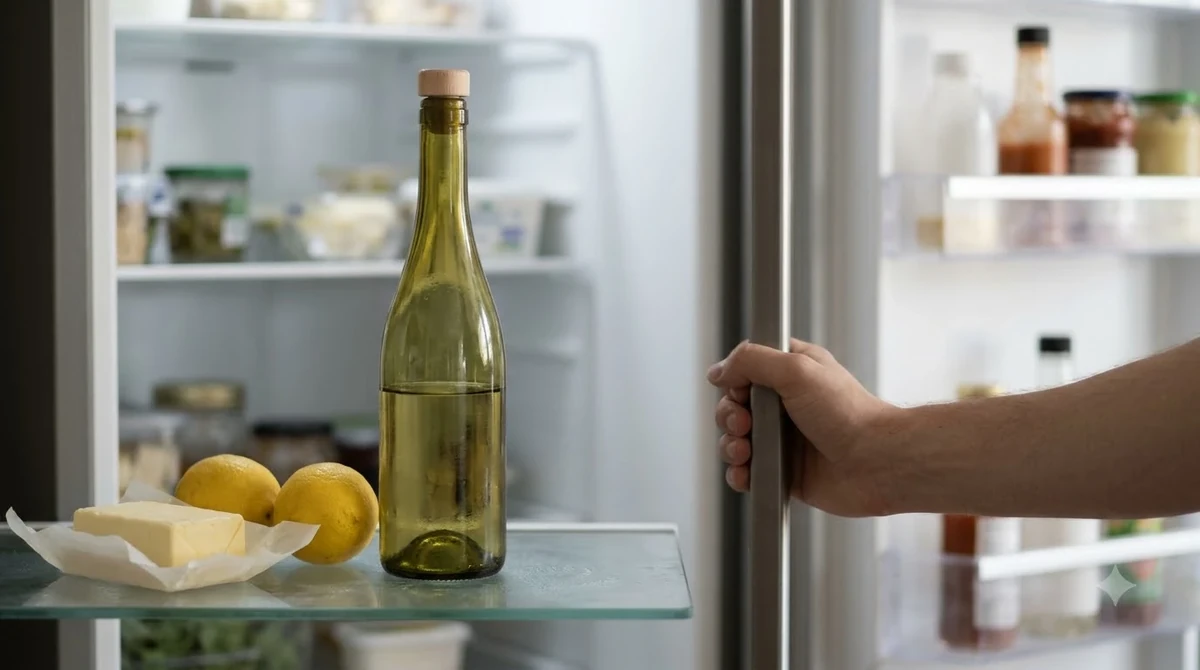
Give young, thick-skinned mountain reds 30 to 60 minutes in a decanter before dinner. Because 3,000-foot UV exposure thickens grape skins and raises tannin concentration, decanting young Syrah, Aglianico, or Petite Sirah softens grip and releases aromatics of crushed black pepper, wild herbs, and dark plum. Once opened, re-cork still reds and whites and store them upright in a refrigerator, where most bottles stay fresh for three to five days; fortified Port-style wines and historic Angelica from Fair Play hold their character for several weeks after opening.
For multi-year aging, store cork-finished El Dorado bottles horizontally in a dark, vibration-free space near 55 degrees Fahrenheit with 50 to 70 percent relative humidity. Readers building a mixed cellar collection from scratch can review practical storage and bottle-selection fundamentals in Routed from Learn before ordering full cases from winery clubs.
Frequently Asked Questions
When is the best time of year to visit El Dorado wineries?
Spring (April through May) and autumn (September through November) offer comfortable 65-to-75-degree daytime temperatures, blooming orchards, or active crush-pad harvests without peak summer heat. Visitors who come in September and October can also combine Camino winery tastings with Apple Hill’s seasonal apple harvest, though weekend traffic along Carson Road increases noticeably during peak orchard weeks.
Are El Dorado wineries pet-friendly and suitable for families?
Many El Dorado wineries welcome leashed dogs and children on outdoor lawns and picnic patios, including Boeger Winery, Lava Cap Winery, and Delfino Farms. However, indoor tasting rooms, subterranean caves such as Toogood Estate Winery, and formal seated tastings often restrict pets to exterior seating, so verify individual patio rules before traveling with animals.
How does Fair Play AVA differ from the wider El Dorado AVA?
Approved as a separate sub-AVA in 2001 within the southern foothills around Somerset and Fair Play, the Fair Play AVA sits on deeply weathered granitic and volcanic soils between roughly 2,000 and 3,000 feet. Compared to cooler northern Camino sites near Apple Hill that excel with Riesling and Pinot Noir, Fair Play produces riper, richer Zinfandel, Petite Sirah, Syrah, and fortified Port-style wines.
Can you join wine clubs or ship El Dorado wines out of state?
Many small-lot El Dorado wineries sell the majority of their production direct-to-consumer through tasting rooms and wine clubs, shipping to permitted US states during cooler spring and fall weather windows. Because extreme summer heat across the Central Valley and western deserts can damage wine in transit, wineries typically hold summer shipments until autumn weather cools.
Which El Dorado wineries focus on organic or sustainable farming?
Organic and sustainable viticulture is widespread across the county, including certified organic farming at Delfino Farms in Camino and David Girard Vineyard in Placerville. Boeger Winery also farms its estate acreage sustainably, while Starfield Vineyards and Holly’s Hill Vineyards emphasize low-impact hillside farming and native cover crops to prevent erosion on steep Sierra slopes.
Whether you spend a Saturday tasting Rhône blends on a Pleasant Valley patio or stock your cellar with high-elevation Barbera and Zinfandel, El Dorado County rewards travelers who plan by elevation and subregion. Start with one geographic corridor, book one or two appointment-only estates early, and bring an insulated cooler so every mountain bottle arrives home in cellar-ready condition.
More in Wine Buying Guides
 Riesling Gift: Choose a Bottle They’ll LoveUpdated Nov 21, 2026
 Sweet Red Wine Gift: Choose a Bottle They’ll LoveUpdated Nov 21, 2026
 Malbec Gift: How to Choose a Memorable Bottle for Any OccasionUpdated Nov 21, 2026
 Sherry Gift Ideas That Match Every Wine LoverUpdated Nov 21, 2026
 Moscato Gift: How to Choose a Sweet Wine They’ll LoveUpdated Nov 21, 2026
 Merlot Gift: How to Choose a Bottle They’ll AppreciateUpdated Nov 21, 2026