

We may earn a commission when you buy through links on this page, at no extra cost to you. Learn more.
El Dorado wine comes from the Sierra Foothills of California, where vineyards at 600 to 3,500 feet produce bold reds such as Zinfandel, Barbera and Cabernet Sauvignon along with a growing number of Rhône-style whites and reds. The El Dorado American Viticultural Area was established in 1983, and its cooling comes from elevation and warm-day, cool-night weather rather than the coastal fog that shapes wines closer to the ocean.
This guide explains what makes El Dorado wine different from the coastal regions of California, which grapes grow in the county, how the wines are best served, and what to look for when buying a bottle. It also covers what to expect when visiting the small wineries that make up most of the county’s wine industry.
Where El Dorado Wine Comes From
El Dorado County sits on the western slope of the Sierra Nevada, east of Sacramento. The vineyards are spread across a wide band of foothill country, and the elevation range is one of the defining features of the region. Reference sources describe most vineyards as falling between 600 and 3,500 feet above sea level, which places them in a very different climate from the valley floor below.
The area was established as an AVA on October 13, 1983, and an amendment followed in 1987. Its wine industry is built on small producers. Reference counts put the number of boutique or small-production wineries at roughly 50 to 60, and the vineyards cover more than 2,000 acres. Those numbers make the county a patchwork of family estates, custom-crush projects and a few larger operations.
Climate, Soils and Elevation
Because El Dorado is not cooled by coastal fog, its climate depends on elevation and the difference between day and night temperatures. Days are warm, and nights are cool enough to keep acidity in the grapes. The growing season often runs into October, and little rain falls until late October or November, which lets the fruit ripen fully before harvest.
The soils add another layer. Reference descriptions name three main types: fine-grained volcanic rock, decomposed granite and fine-grained shale. Each soil drains differently and affects vine vigor in its own way. Each soil type gives growers a different starting point, and the mix across the county is one reason the wines vary from one vineyard to the next.
For a comparison, the Wine Folly guide to Zinfandel notes that Sierra Foothills wines are often plush and fruit-forward, with raspberry, cherry, blackberry and baking spice, and that the cooler nights at elevation help preserve acidity. Those are the same qualities visitors notice when they taste El Dorado wines in the tasting rooms.
The Grapes Behind El Dorado Wine
Zinfandel is the county’s best-known grape, and it is often the first wine visitors taste. Reference sources list Zinfandel, Barbera, Cabernet Sauvignon, Merlot and Petite Sirah among the most notable varieties. Rhône grapes such as Viognier, Syrah, Mourvèdre and Grenache also have significant plantings, which gives the county a wider range of styles than many visitors expect.
Zinfandel in general is dry, with medium-full body and medium-high tannin. Its flavors lean toward blackberry, strawberry and cinnamon, and the wines often carry alcohol levels of 14 percent or higher. Barbera has a different profile, with tart cherry, dried herbs and black pepper, plus higher acidity and lower tannin, which makes it easier to pair with food.
| Grape | Typical profile | Good with |
|---|---|---|
| Zinfandel | Blackberry, strawberry, cinnamon; medium-full body | Ribs, pulled pork, burgers |
| Barbera | Tart cherry, dried herbs; high acidity, low tannin | Tomato pasta, pizza, roast chicken |
| Cabernet Sauvignon | Dark fruit, structure, oak notes | Grilled steak, lamb |
| Rhône whites and reds | Viognier florals, Syrah dark fruit and pepper | Roast poultry, grilled vegetables |
Serving and Pairing El Dorado Wine
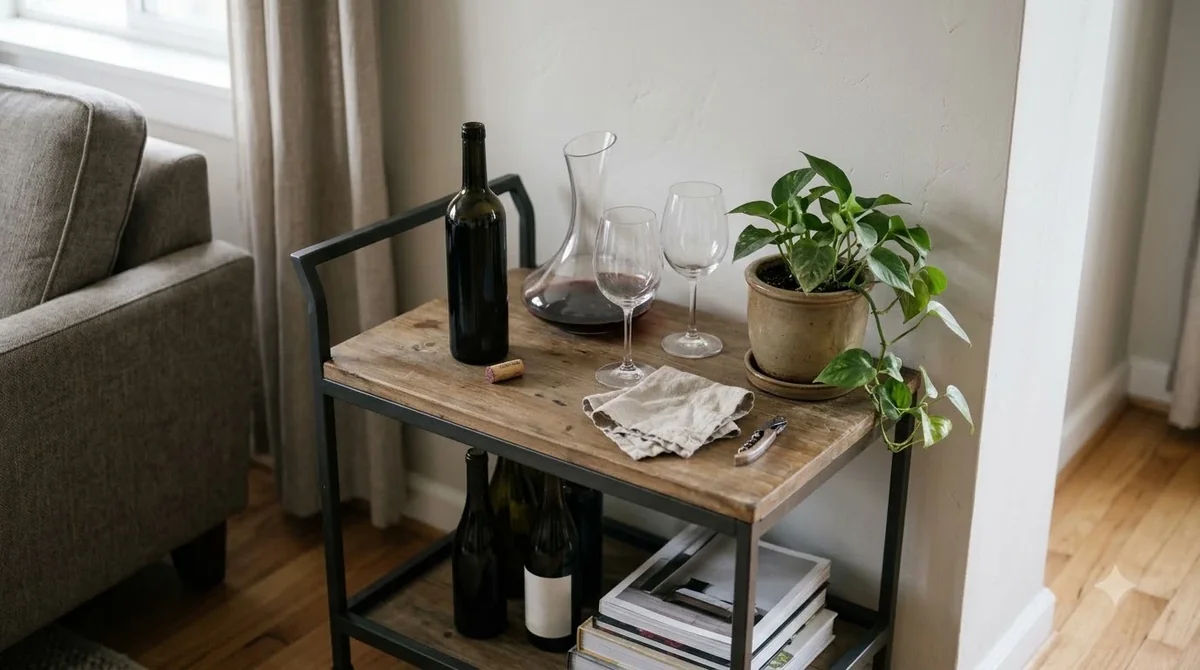
Reference guides suggest serving Zinfandel and Barbera at 60 to 68 degrees Fahrenheit, a little cooler than many people expect for red wine. Serving them too warm can make the alcohol stand out and hide the fruit, so a short time in the refrigerator before pouring can help. Decanting for about 30 minutes helps young, bold reds open up, and a universal or wide-bowled glass gives the aromas room. Barbera can also be cellared for five to ten years, though most bottles are ready to drink earlier.
The wines match well with barbecue and smoky food. Zinfandel is a natural partner for ribs, pulled pork, grilled chicken and burgers, because its ripe fruit and spice stand up to char and sauce. Sharp cheddar and smoked gouda work well too. Barbera suits tomato dishes, mushroom pizza and herb-roasted chicken, since its acidity cuts through rich sauces.
Tip: Serve a bold Zinfandel with a platter of grilled vegetables and roasted onions. The sweetness of the vegetables softens the wine’s tannin and brings out its fruit.
Buying and Visiting El Dorado Wineries
Many El Dorado wines are sold only at the winery, through a wine club or in small allocations, so visiting is often the best way to find a bottle you like. Small producers also release limited lots, so a favorite bottle may sell out before your next visit. Buy a second bottle to age or to share when you find one you like. Tasting rooms vary a great deal. Some are rustic farm settings with picnic tables, while others offer seated flights, food pairings and small events. Check each winery’s hours before you go, since many keep limited schedules outside weekends.
Plan a route around two or three stops. Distances between wineries can be long on mountain roads, and the elevation changes can make driving slower than the map suggests. If you want to compare styles, ask for a flight that includes both a red and a white from the same estate, since the contrast shows how the winemaker handles acidity and oak.
For a broader sense of how California’s regions differ, the wine regions guide compares cool coastal areas with warmer inland sites. For a wine region in a very different setting, the Mendoza wine tasting guide shows how a high-elevation vineyard area works for visitors.
Frequently Asked Questions
What is El Dorado wine best known for?
El Dorado wine is best known for bold Zinfandel and Barbera from the Sierra Foothills. The county also grows Cabernet Sauvignon, Merlot and a range of Rhône varieties.
Why are El Dorado wines different from coastal California wines?
El Dorado vineyards are cooled by elevation and by the gap between warm days and cool nights, not by coastal fog. That climate tends to keep acidity higher and produce fruit that is fuller and more concentrated than coastal Pinot Noir or Chardonnay.
How many wineries are in El Dorado County?
Reference counts put the number of boutique and small-production wineries at roughly 50 to 60. The total changes as new estates open, so check a current winery directory before planning a trip.
What temperature should El Dorado Zinfandel be served at?
Reference guides suggest serving it between 60 and 68 degrees Fahrenheit. Decanting for about 30 minutes can help soften the tannin and open the fruit in young bottles.
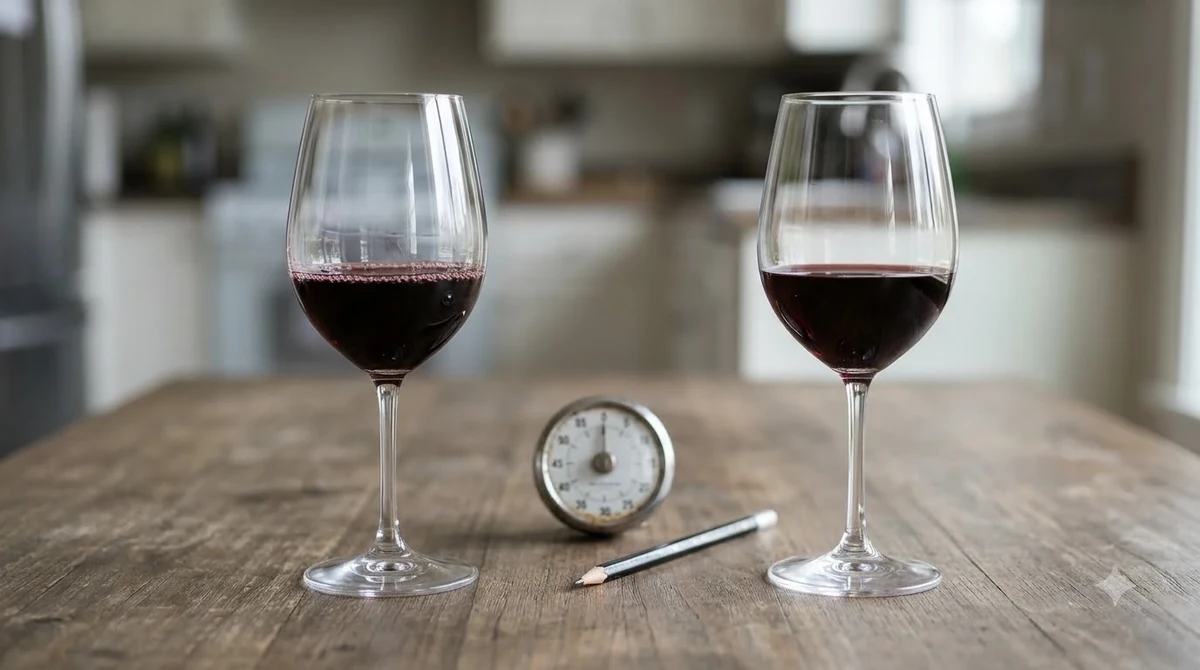
El Dorado wine is easiest to understand when you taste it side by side. Pick a Zinfandel and a Barbera from different wineries, serve them at the same temperature, and compare how the fruit, acidity and tannin differ. Then try a Rhône white to see the county’s range. Drink responsibly, and arrange a designated driver or a tour if you plan to visit several tasting rooms on the same day.
More in Wine Regions
 Willcox Wine Trail: Discover Arizona’s High-Elevation Wine CountryUpdated Nov 20, 2026
 Yakima Valley Wine Region: Find the Best Styles to TryUpdated Nov 20, 2026
 Vosne Romanee Wine Tasting: Identify Aromas and Choose Better PairingsUpdated Nov 20, 2026
 Yakima Valley Wine Festival: Find the Best Seasonal Wine EventsUpdated Nov 20, 2026
 Wales Vineyards: Discover Cool-Climate Wines and Where to VisitUpdated Nov 20, 2026
 Yountville Wine Festival: Discover Napa Wines and Local FoodUpdated Nov 20, 2026