

We may earn a commission when you buy through links on this page, at no extra cost to you. Learn more.
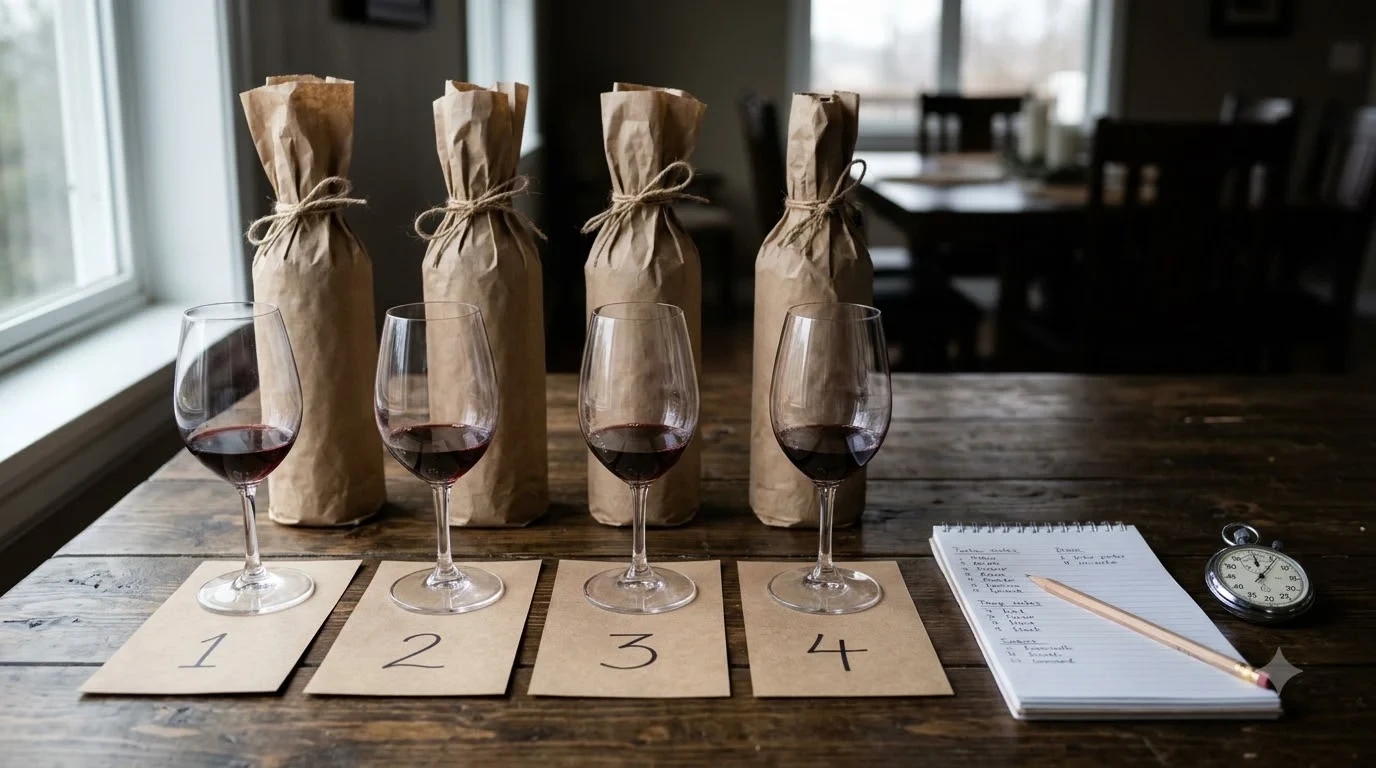
Mendoza wine tasting takes place in Mendoza Province in western Argentina, where many wineries run tours with tastings at the end. The province produces around 70% of Argentina’s wine, and Malbec is its signature grape. Most visits follow a simple pattern: book a winery, take a guided walk through the estate, then taste a short flight of reds and whites. Planning ahead by area and season makes the day far more rewarding.
This guide explains how a Mendoza tasting day works, which areas are worth visiting, what the wines taste like and how to plan your trip. It is written for people who want to understand the wines before they book. For a broader comparison of wine tourism destinations, the Wine Regions hub is a useful companion, and you can read about similar experiences in the cape may wine tasting guide.
What Makes Mendoza a Good Place for Wine Tasting
Mendoza is one of the most important wine regions in the Americas. According to Wikipedia’s entry on Mendoza Province, the province is famed worldwide for its viticulture and produces about 70% of Argentina’s wine. The same article cites a 2005 figure of around 1,200 wineries producing 1.1 billion liters, which gives a sense of how large the industry is, though the count has changed since then.
The region’s climate is a major part of its appeal. Wikipedia describes a continental climate with dry, sunny conditions and a large swing between day and night temperatures. Annual precipitation lies between 150 and 350 mm, which is low enough that vines depend on irrigation. Hail is a recognized risk for growers, so the harvest can vary from year to year.
That combination of sunshine, cool nights and mountain water is why the valley draws both tourists and serious buyers. Wine tourism, or enotourism, has grown alongside the industry, and many wineries now offer tours and tastings that are easy to book.
How a Mendoza Tasting Day Usually Works
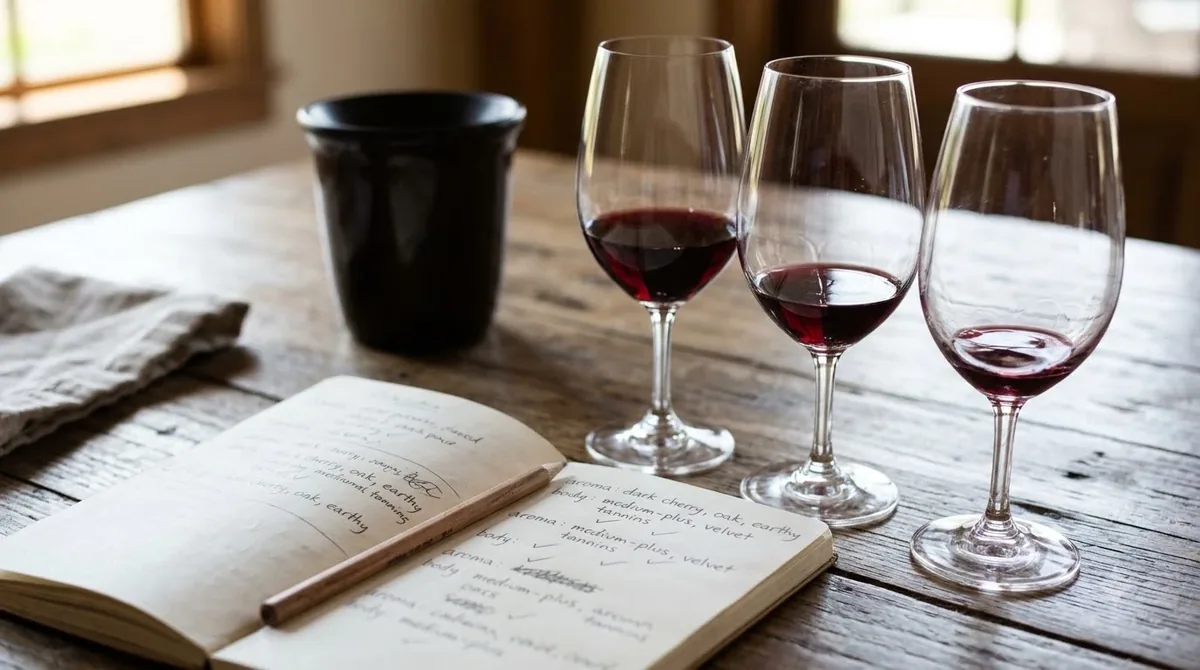
Most wineries in the province offer a standard visit: a guided walk through the property, sometimes including the production area or barrel room, and then a tasting of several wines. Wikipedia notes that wineries on the province’s wine route generally offer free tours of the premises, with tastings at the end of the tour. Paid tastings with food are also common at larger estates.
A typical visit lasts one to two hours. If you plan to visit two or three wineries in a day, space them out so you are not rushing between tastings. Book in advance, especially in the busy season, and ask the winery whether it offers a specific tasting menu or only standard pours.
The province also holds a major harvest festival, the Fiesta de la Vendimia, which Wikipedia describes as drawing many visitors in late February or early March. Timing a trip around the festival can be a good way to see the region at its most lively, but it also means more crowds and busier tasting rooms.
| Visit style | What to expect | Best for |
|---|---|---|
| Free tour with tasting | Guided walk, then a short set of pours | First-time visitors who want a relaxed introduction |
| Paid tasting with food | Longer visit, often with a meal or cheese pairing | Visitors who want to understand the wines in depth |
| Vineyard or estate tour | Focus on growing conditions and the vineyard itself | Wine lovers who want to see the terroir firsthand |
Tip: Ask the winery which bottles are made from its own vineyards and which are sourced from elsewhere. That answer tells you a lot about the estate’s style and helps you compare the tasting flight.
What to Taste: Malbec and Beyond
Malbec is the grape most visitors come to taste, and it is central to the province’s identity. According to Wine Folly, Malbec is dry and full-bodied, with medium tannins, medium-low acidity and 13.5–15% ABV. Typical flavors include red plum, blackberry, vanilla, sweet tobacco and cocoa, with a smooth, chocolatey finish.
The grape’s history in Mendoza is distinctive. Wine Folly notes that Malbec was a minor variety in southwest France, also known as Côt, before it was taken to Mendoza. French botanist Michel Pouget first planted it there in 1868. Today the page describes Malbec as Argentina’s most important grape, and it says 40% of the country’s red grape vineyards are Malbec.
Malbec is not the only option, though. Many estates also produce other red and white varieties, and tasting a range of styles can show you how the province’s terroir changes from one site to another. A flight that includes both a Malbec and a lighter wine is a useful way to compare.
Which Areas to Visit
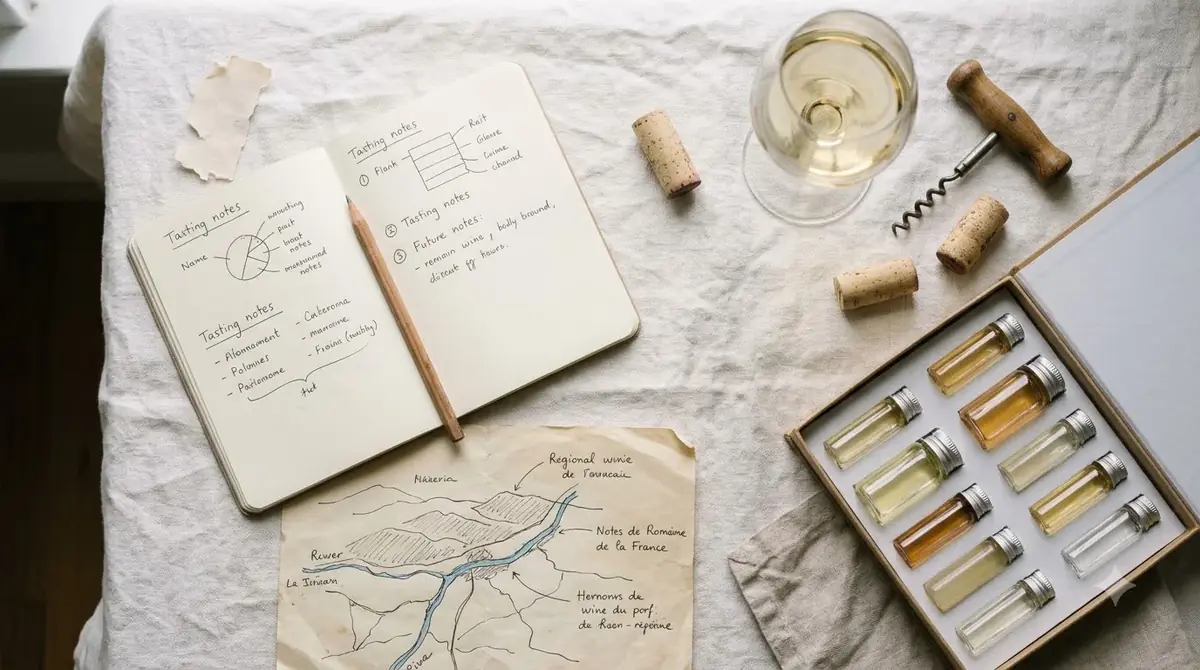
Within the province, the Uco Valley and Luján de Cuyo are often named as the source of top-rated Malbec, according to Wine Folly. Those areas sit at different elevations and have different soils, so a tasting route through both gives you a useful contrast. If you have only one day, choose one area and visit two or three wineries there rather than spreading your time too thin.
Distances between areas can be long, so plan transport carefully. Many visitors book a driver or a guided tour that covers several wineries in one day. A driver is also the safest choice, since tasting several wines and driving do not mix.
Serving and Enjoying Mendoza Malbec
Malbec tastes best when it is served at the right temperature. Wine Folly recommends 60–68°F (15–20°C) and suggests decanting for about 30 minutes before drinking. A wide glass lets the aromas open, which helps show the plum and cocoa notes that the grape is known for.
When you taste at a winery, pour a small amount first and let the wine warm slightly in the glass. Malbec often becomes more expressive as it opens. If the wine tastes sharp or hot, give it a few minutes and taste again before deciding.
Food Pairing for a Mendoza Tasting
Mendoza’s cuisine is built around grilled meats, empanadas and hearty sides, and Malbec suits those dishes. Its medium tannins and ripe fruit go well with grilled beef, roasted vegetables and rich sauces. A lighter white or rosé pairs better with fresh salads and seafood dishes.
Many estates offer a food pairing with their tasting, which is an easy way to see how the wine works with a meal. If you are choosing a restaurant to finish the day, look for dishes that match the wines you tasted rather than picking the most famous menu item.
How to Plan a Mendoza Wine Trip
Plan your trip around the season, the area and the number of wineries you want to visit. Harvest season in late February or early March brings festivals and busy tasting rooms, while quieter months can offer more time with the winemakers. Check each winery’s opening hours and tasting policy before you go, because some estates work by reservation only.
Think about how much you want to taste. A standard visit can include several pours, so pace yourself and plan to spit or leave a small amount in the glass if you are driving or visiting more than one estate. Drinking responsibly is part of enjoying the day, and it also keeps the trip comfortable.
Frequently Asked Questions
How much of Argentina’s wine comes from Mendoza?
According to Wikipedia’s entry on Mendoza Province, the province produces about 70% of Argentina’s wine. That makes it the center of the country’s wine industry, and most visitors come to taste Malbec there.
Do I need reservations for a Mendoza wine tasting?
It depends on the winery. Many estates accept walk-in visitors, but tours and paid tastings often need a booking, especially in busy periods. Check each winery’s website before you go.
What is the best area for Malbec tasting in Mendoza?
Wine Folly points to the Uco Valley and Luján de Cuyo as consistently producing top-rated Malbec. Tasting in both areas gives a useful contrast in style and elevation.
What temperature should Mendoza Malbec be served at?
Wine Folly recommends serving Malbec at 60–68°F (15–20°C) and decanting for about 30 minutes. Serving it at that range helps the fruit and tannins show their balance.
A Mendoza wine tasting rewards a little planning. Choose one area, book two or three wineries, taste a Malbec and one other style, and leave room for a good meal. That mix gives you a clear picture of why this province is central to Argentine wine.
More in Wine Regions
 Willcox Wine Trail: Discover Arizona’s High-Elevation Wine CountryUpdated Nov 20, 2026
 Yakima Valley Wine Region: Find the Best Styles to TryUpdated Nov 20, 2026
 Vosne Romanee Wine Tasting: Identify Aromas and Choose Better PairingsUpdated Nov 20, 2026
 Yakima Valley Wine Festival: Find the Best Seasonal Wine EventsUpdated Nov 20, 2026
 Wales Vineyards: Discover Cool-Climate Wines and Where to VisitUpdated Nov 20, 2026
 Yountville Wine Festival: Discover Napa Wines and Local FoodUpdated Nov 20, 2026