

We may earn a commission when you buy through links on this page, at no extra cost to you. Learn more.
The el dorado vineyards are high-elevation wine plantings in California’s Sierra Nevada foothills, where sunny days, cool nights, and varied mountain soils support expressive red and white wines. The El Dorado American Viticultural Area (AVA) lies east of Sacramento and west of Lake Tahoe, with vineyards from roughly 1,200 to 3,500 feet. Its range of elevations and exposures supports Zinfandel, Syrah, Barbera, Rhône varieties, and several aromatic white grapes.
El Dorado is not a region built around one signature grape. It is a collection of mountain sites, independent wineries, and distinct growing pockets, so the best way to understand it is to look at the landscape first, then compare grapes, producers, and tasting areas. That approach explains why two wines made from the same variety can show different personalities here.
Where El Dorado Vineyards Sit in the Sierra Foothills
El Dorado vineyards occupy the western slope of the Sierra Nevada in Northern California, within the larger Sierra Foothills wine region. The AVA is commonly described as about an hour east of Sacramento and an hour west of Lake Tahoe, making it accessible from both the state capital and the mountain recreation corridor.
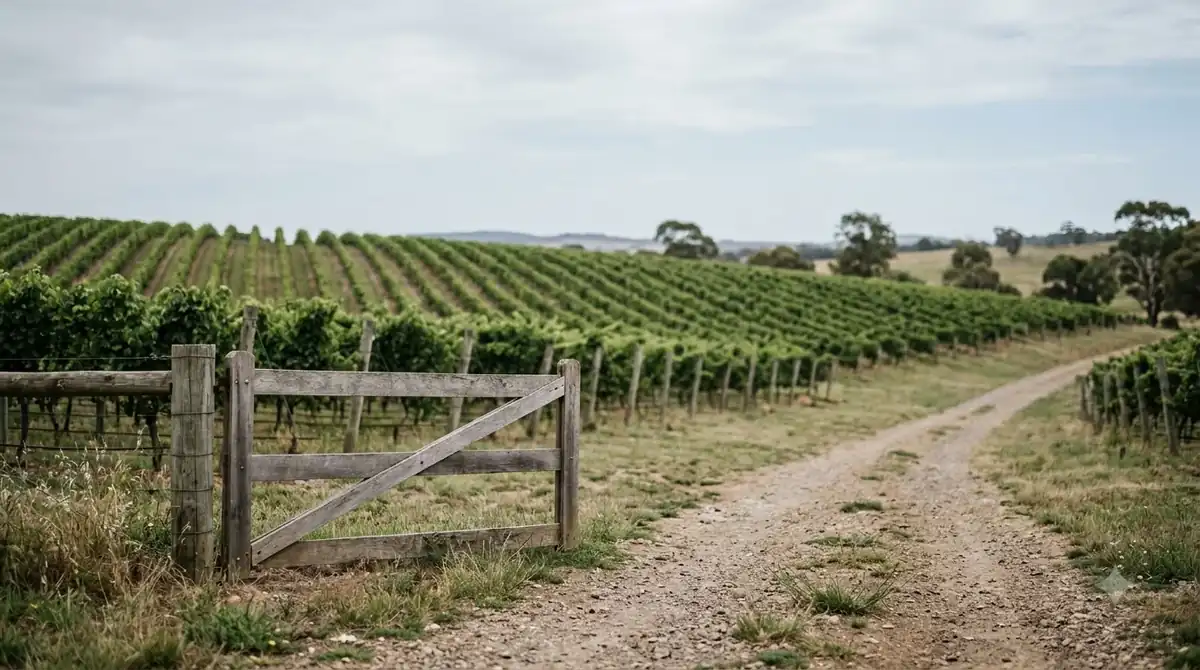
The Sierra Highlands vintner group describes the appellation as spanning 1,200 to 3,500 feet. This range includes lower foothill sites, steep mid-elevation slopes, and higher mountain blocks. Vineyards sit on ridges, benches, rolling hills, and valley pockets rather than on one continuous plain. Changes in slope direction and exposure can occur over short distances, so a north-facing row may receive less afternoon sun than a south-facing block nearby.
Placerville is a useful reference point for visitors, while Camino, Pleasant Valley, and Fair Play help describe the wider wine landscape. A town or subarea name, however, does not tell the whole story of a wine: elevation, soil, slope, and grape variety all matter. For boundaries and terminology, the guide to the el dorado wine region provides context alongside the AVA’s position in the Sierra Foothills. Roads can be winding, so plan around two or three nearby wineries instead of trying to cover the whole county in one afternoon.
How Elevation, Sunlight, and Soils Shape the Grapes
Elevation is the central growing condition in El Dorado, but it works together with sunshine, cool air, slope, and soil. These factors help grapes ripen while retaining freshness, and create meaningful differences between vineyard blocks.
According to the Sierra Highlands vintner group, the AVA’s 1,200-to-3,500-foot elevation range can produce ambient temperatures roughly 10 to 15 degrees Fahrenheit cooler than the Central Valley below. The group describes an average cooling effect of about 4 degrees Fahrenheit for every 1,000 feet of elevation gain as air rises against the Sierra Nevada. At higher sites, budbreak can be two to four weeks later than in warmer locations, and ripening can continue into September and October. The longer, cooler rhythm can help fruit develop flavor without accumulating sugar as quickly, although spring and autumn frost remain important risks.
Sunlight and geology add further variation. The same vintner group reports that ultraviolet radiation generally increases by 3 to 4 percent per 1,000 feet and is around 10 percent greater at 3,000 feet than at sea level. Greater light intensity can contribute to smaller berries and a higher skin-to-juice ratio in red grapes, helping explain the color and structure in some mountain-grown reds. The main vineyard soils include young volcanic material, granite, and slate, often with thin profiles and good drainage. Soil depth and water retention influence vine vigor and crop size, so a rocky slope and a deeper site may require different vineyard management.
These are regional patterns, not guarantees about every bottle. The Sierra Highlands geography overview lays out the local figures on elevation, temperature, UV exposure, and soils. For an individual wine, producer information about the vineyard site is more useful than assuming that every high-elevation block behaves alike.
The Main Grapes to Look for in El Dorado Wines
El Dorado is a multi-variety region rather than a place defined by one grape. Red varieties are prominent, while Chardonnay, Marsanne, Viognier, and Roussanne demonstrate the range of white-wine styles possible in the mountain climate.
Decanter’s regional profile lists more than 70 varieties in the AVA and describes 89 percent of plantings as red. It identifies Zinfandel, Cabernet Sauvignon, Syrah, and Barbera among the key red grapes, and Chardonnay, Marsanne, Viognier, and Roussanne among the leading whites. A mixed flight is an effective introduction: taste a familiar grape, then try a less familiar variety from another site or producer.
| Grape or group | Typical character to look for | Useful comparison |
|---|---|---|
| Regional mix | More than 70 varieties; 89% of plantings are red | Try a red and white flight to see the range |
| Zinfandel | Ripe berry fruit, spice, and varied body | Compare a fresher style with a more concentrated bottling |
| Syrah | Dark fruit, pepper, savory notes, and structure | Notice how site and harvest affect freshness |
| Barbera | Bright acidity and cherry or plum character | Try it with tomato-based food or grilled sausages |
| Cabernet Sauvignon | Firm tannin and dark-fruited structure | Compare its grip with softer Merlot |
| Chardonnay | Medium acidity and a range of textures | Ask whether it is steel-fermented or oak-aged |
| Marsanne, Viognier, Roussanne | Broad, aromatic white-wine expressions | Compare fragrance, weight, and acidity |
Zinfandel is a natural starting point because it has a long history in California and is one of El Dorado’s key red grapes. Depending on harvest decisions and cellar choices, it can lean toward fresh berry fruit and pepper or toward fuller flavors. Syrah offers dark fruit, pepper, and savory notes, with tannin that can range from medium-plus to high. Barbera makes a useful contrast with its bright acidity, while Cabernet Sauvignon generally has firmer tannin and Merlot tends to be softer.
The white grapes deserve equal attention. Chardonnay can be leaner or shaped by fermentation and aging in oak; Marsanne, Viognier, and Roussanne offer different combinations of aroma and texture. Sauvignon Blanc and Riesling are also worth watching for in a region with many grape options, as both are typically high in acidity. Use the table as a tasting checklist rather than a promise: vintage conditions, picking date, fermentation, aging vessel, and vineyard exposure all influence the finished wine.
Historic Vineyards and Producers That Shaped the Region
El Dorado’s modern wine revival is closely linked to a small group of producers who returned commercial winemaking to the foothills in the late twentieth century. Their work helped establish the present-day AVA and showed that the mountain landscape could support both familiar California grapes and varieties associated with Europe’s Rhône and Italian regions.
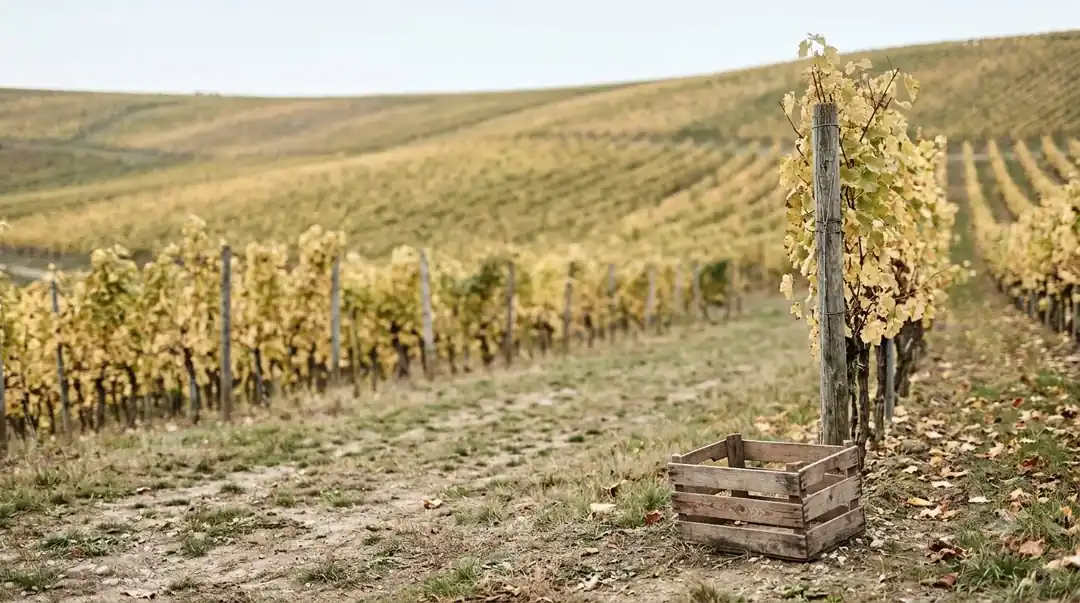
The region’s wine history reaches back to the Gold Rush. James Marshall’s 1848 discovery of gold at Sutter’s Mill brought settlers and commerce to El Dorado County, and wine production was important by 1870. The industry later declined, and Prohibition contributed to the near-disappearance of local viticulture through much of the twentieth century. The modern revival began in the late 1960s, with Boeger Winery and Madroña Vineyards opening in 1973. The El Dorado AVA received federal recognition in 1983.
Boeger and Madroña are useful names to remember because they represent the early modern chapter of the region. Madroña’s early plantings included Chardonnay, Riesling, and Gewürztraminer, while the region’s producers also explored Rhône styles and Italian grapes. That willingness to work with several European varieties helped establish a regional identity based on site and diversity rather than a single grape. The landscape still attracts producers interested in comparing vineyard elevations, exposures, and varieties.
These examples are starting points, not a definitive ranking. A historic producer can offer perspective on the region’s evolution, while a smaller or newer winery may focus on one grape, blend, or high-elevation parcel. The Decanter profile of the El Dorado AVA discusses these producers and gives examples of the variety of wines made in the area.
Planning a Vineyard Visit Around Placerville and Nearby Areas
A rewarding El Dorado visit is built around a manageable route and a clear tasting goal. Pick two or three wineries in the same general area, allow time between stops, and leave room for a meal or scenic break rather than racing from tasting room to tasting room.
Placerville is a practical base for exploring the county, with Camino, Pleasant Valley, and Fair Play among the names that help organize a day. Because the region includes mountain roads and vineyards spread across a broad elevation range, map distances can understate driving time. Confirm each winery’s current tasting arrangements before setting out; reservations, seating limits, and seasonal hours can vary. Decide whether your focus is a grape, a producer, or the landscape. A variety-led day might compare Zinfandel, Syrah, and Barbera, while a white-wine focus could include Chardonnay alongside Marsanne or Viognier.
Ask a few specific questions at the tasting bar: What is the vineyard’s elevation? Is the fruit estate-grown or sourced from another site? Which direction does the slope face? Was the wine fermented or aged in stainless steel, neutral oak, or new barrels? Those details connect the glass to its origin and help explain differences between wines made from the same grape. For trip ideas, start with el dorado wine country and review the regional calendar before choosing a weekend. The el dorado wine festival page can help identify event-led visits, while Wine Regions offers background for comparing this foothill area with other California appellations. Confirm event dates and participating wineries with the organizer before travel.
If the itinerary includes several tasting rooms, arrange a designated driver, hired transportation, or an overnight stay. Bring water and record the grape, producer, vintage, elevation, and details you enjoyed. A few short notes can make later bottle comparisons more meaningful and help you remember which sites showed the freshest whites or the most structured reds.
Serving and Pairing Mountain-Grown El Dorado Wines
Serve El Dorado wines according to their style rather than their county of origin. Temperature changes how acidity, fruit, alcohol, and tannin register, so a few degrees can make a noticeable difference in the glass.
For sparkling wine, aim for 40 to 50 degrees Fahrenheit. Light whites and rosé are best around 45 to 50 degrees, while fuller whites such as richer Chardonnay are generally served around 50 to 55 degrees. Light reds show well around 55 to 60 degrees; fuller reds such as Cabernet Sauvignon and Syrah are typically served around 60 to 65 degrees. Sweet whites are often most appealing around 43 to 50 degrees. These ranges are useful starting points, not rigid rules. Use a standard five-ounce pour when comparing wines; a 750-milliliter bottle holds about five such glasses. Store unopened bottles on their side near 55 degrees Fahrenheit, away from sunlight and large temperature swings. After opening, refrigerate still wines and aim to finish them within three to five days; sparkling wines generally keep for one to three days with a suitable closure.
Pairings work best when the wine and food balance one another. Barbera’s high acidity can match tomato sauce, roasted vegetables, or bright vinaigrettes. Zinfandel can work with grilled pork, barbecue, or sausages, especially when the sauce is not excessively sweet. Cabernet Sauvignon’s firmer tannin often suits beef or lamb, while salt and fat soften the impression of tannin. Syrah can pair with grilled mushrooms, lamb, braised beef, or dishes with black pepper and herbs.
Chardonnay can move in several directions: a fresher version pairs with roast chicken or shellfish, while a fuller oak-influenced style can suit richer poultry dishes. Keep the dish’s balance in mind: acidic food needs wine with equal or higher acidity, and wine served with dessert should be at least as sweet as the dessert. Chili heat is amplified by alcohol and tannin, so a high-alcohol Cabernet or tannic Syrah may make spicy food feel hotter. Oily fish can clash with tannic red wine, making a bright white or lighter red a better choice. Taste whites before reds, move from lighter-bodied wines toward fuller ones, and leave the sweetest wine until last.
Tip: Serve a light red slightly cool, around 55 to 60 degrees Fahrenheit, and let it warm gradually in the glass. A young, full-bodied red may benefit from 30 to 60 minutes in a decanter before serving.
Frequently Asked Questions
How old are some of the historic El Dorado vineyard plantings?
Decanter notes that Boeger Winery still has producing vines associated with an 1888 planting. That is a specific historic block, not a claim that every vine at the winery or throughout the AVA is that old. Ask the producer which bottlings, if any, come from older parcels.
What grapes are included in Boeger’s Migliore blend?
Decanter describes a reviewed Migliore bottling as a blend of Charbono, Refosco, Barbera, Carignan, Merlot, Cabernet Franc, and Primitivo. This seven-grape combination shows how some El Dorado producers work beyond familiar single-variety labels. The blend in a current release may differ from the example described in that review.
Which grapes make up Starfield Vineyards’ Big Canyon blend?
A Decanter profile of a Big Canyon bottling names Mourvèdre as the lead grape, with smaller amounts of Petite Sirah and Counoise. That combination is one example of the Rhône-influenced blends found in the region. It also shows why asking about a blend’s proportions can tell you more than the front label alone.
How far is El Dorado from Napa Valley’s St. Helena area?
Decanter places the El Dorado foothills about 180 kilometers east of St. Helena. The route crosses a different part of California’s wine geography, so visitors combining both areas should plan a separate travel day rather than treating them as neighboring tasting districts. Sacramento is the more practical western gateway for many El Dorado itineraries.
Does El Dorado have vineyards at true mountain elevations?
Yes. Decanter identifies Edio Vineyards as having estate vineyard blocks above 840 meters, which is more than 2,750 feet. Such a site sits near the upper portion of the AVA’s elevation range and helps explain why the area is often discussed in terms of mountain viticulture.
El Dorado is best understood through its contrasts: foothill and mountain sites, familiar grapes and less common varieties, historic vineyards and newer experiments. Taste across those differences, ask where the fruit was grown, and the character of this Sierra Foothills region becomes easier to recognize.
More in Wine Regions
 Willcox Wine Trail: Discover Arizona’s High-Elevation Wine CountryUpdated Nov 20, 2026
 Yakima Valley Wine Region: Find the Best Styles to TryUpdated Nov 20, 2026
 Vosne Romanee Wine Tasting: Identify Aromas and Choose Better PairingsUpdated Nov 20, 2026
 Yakima Valley Wine Festival: Find the Best Seasonal Wine EventsUpdated Nov 20, 2026
 Wales Vineyards: Discover Cool-Climate Wines and Where to VisitUpdated Nov 20, 2026
 Yountville Wine Festival: Discover Napa Wines and Local FoodUpdated Nov 20, 2026