

We may earn a commission when you buy through links on this page, at no extra cost to you. Learn more.
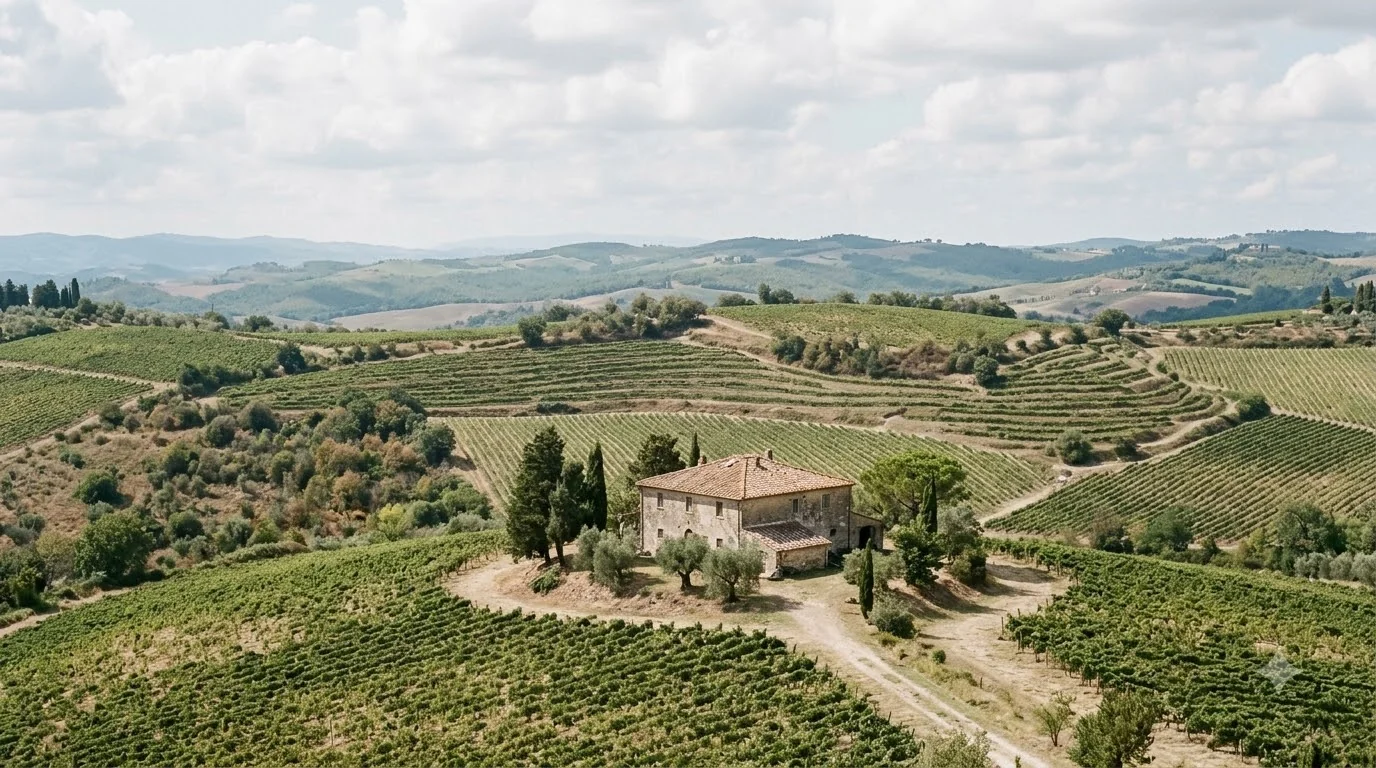
The el dorado wine region is a high-elevation wine-growing area in California’s Sierra Nevada foothills, known for diverse grape varieties, distinctive mountain vineyards, and fresh, expressive wines. Located east of Sacramento and west of Lake Tahoe, this historic appellation combines sunny growing conditions with cool mountain nights. Its vineyards produce everything from Zinfandel and Cabernet Sauvignon to Syrah, Barbera, Chardonnay, and Rhône-style white wines.
California wine is often associated with Napa Valley and Sonoma County, but some of the state’s most interesting bottles come from less familiar mountain appellations. El Dorado offers a different perspective on California winemaking, with steep hillsides, rocky soils, changing elevations, and producers willing to experiment with grapes from several European wine traditions. Understanding its geography, history, and grape varieties makes it easier to recognize what distinguishes these wines and which bottles are worth exploring.
Where the El Dorado Wine Region Is Located
The El Dorado wine region occupies the western slopes of the Sierra Nevada in eastern California. Its mountain setting, proximity to Sacramento, and position between the Central Valley and Lake Tahoe give it a distinctive identity within the state’s wine industry.

The El Dorado American Viticultural Area, or AVA, is part of the larger Sierra Foothills AVA. It lies in El Dorado County, where vineyards extend across mountainous terrain surrounding communities such as Placerville and Somerset. Sacramento is approximately an hour’s drive west of the principal wine-growing areas, while Lake Tahoe lies to the east. This location makes the region accessible as a wine-country destination while keeping it closely connected to the outdoor recreation and Gold Rush history of the Sierra Nevada.
Elevation is one of the appellation’s most important defining characteristics. According to the Sierra Highlands Vintner Group, vineyards in the El Dorado AVA range from approximately 1,200 to 3,500 feet above sea level. These elevations create meaningful differences in temperature, sunlight, and growing-season conditions over relatively short distances. A vineyard on a lower slope may experience different ripening conditions from one planted considerably higher on a nearby hillside.
The appellation is also geographically distinct from the broader Sierra Foothills wine region. The Sierra Foothills AVA covers a much larger area and includes six recognized subregions: El Dorado, Fair Play, Amador County, Fiddletown, California Shenandoah Valley, and North Yuba. The wider appellation was established in 1987, whereas El Dorado received its own AVA designation in 1983.
This distinction matters when reading wine labels. An El Dorado AVA designation identifies a more specific growing area than the broader Sierra Foothills designation. Both are useful geographic indications, but the smaller appellation gives buyers a clearer indication of the mountain-growing conditions associated with the wine.
For a broader introduction to the destination, explore El Dorado wine country, including its communities, vineyards, and regional attractions. Readers comparing American wine-growing areas can also explore our collection of Wine Regions.
A Gold Rush History That Shaped California Winemaking
El Dorado’s wine history began during the California Gold Rush of 1848, developed into a significant agricultural industry by 1870, and experienced a major revival during the 1970s. Its modern identity reflects both this historical foundation and the work of pioneering mountain wineries.
The area’s connection to California’s Gold Rush is central to its history. In 1848, James Marshall discovered gold at Sutter’s Mill in Coloma, in what is now El Dorado County. The discovery attracted thousands of prospectors, merchants, and settlers to the Sierra Nevada foothills. As communities developed, agriculture became increasingly important, and vineyards were planted to supply wine to the growing population.
By 1870, El Dorado County had become one of California’s largest wine-producing counties, ranking behind Los Angeles and Sonoma. Vineyards covered substantial areas of the foothills, and wine was an established part of the local agricultural economy. The industry continued to develop around the towns and settlements that had grown during the Gold Rush.
The introduction of Prohibition brought this early period of winemaking to a close. Between 1920 and 1960, viticulture virtually disappeared in the county. Many vineyards were abandoned, and commercial wine production lost much of its previous importance. The combination of changing agricultural priorities and restrictions on alcohol production made it difficult for the industry to maintain its position.
A revival began in the late 1960s, as California wine producers increasingly explored growing areas outside the established coastal regions. The modern El Dorado wine industry gained momentum in 1973 when the Boeger family established Boeger Winery and Madroña Vineyards began its operations. These producers helped demonstrate that the mountain environment could support quality wine production.
Boeger and Madroña also contributed to the region’s varied approach to grape growing. Rather than limiting production to a single internationally recognized variety, early producers explored several European grapes and different wine styles. This willingness to experiment remains an important characteristic of the appellation.
The modern AVA designation in 1983 gave the area a formal geographic identity. The Sierra Highlands Vintner Group describes a region with more than 2,000 acres of grapes, over 70 wineries, and approximately 80 grape varieties. These figures illustrate how dramatically the industry has developed since its revival.
Mountain Elevation, Climate, and Vineyard Soils
El Dorado’s high vineyards, Mediterranean climate, and varied rocky soils help explain its wine styles. Warm sunshine encourages ripening, while cooler mountain temperatures preserve freshness and create different growing conditions from one vineyard site to another.
Elevation affects temperatures throughout the growing season. According to the Sierra Highlands Vintner Group, rising air cools by approximately 4 degrees Fahrenheit for every 1,000 feet of elevation gained through orographic uplift. The resulting mountain environment is generally around 10 to 15 degrees Fahrenheit cooler than the Central Valley below.
This difference can be especially important during hot California summers. Lower-elevation vineyards may experience intense daytime heat, while mountain vineyards benefit from cooler air and changing hillside exposures. Warm summer days still provide the sunlight necessary for grape ripening, but cooler conditions can help fruit retain its natural acidity.
Nighttime temperatures are another important factor. Cool mountain air settles into lower pockets of the landscape after sunset, while slopes and hilltops can remain warmer. The result is a complicated network of small growing environments. Two vineyards separated by a relatively short distance may experience different nighttime temperatures and ripening patterns.
Higher elevations also influence the timing of the growing season. The Sierra Highlands Vintner Group reports that spring budbreak can occur two to four weeks later than in warmer California locations. Decanter also notes that vineyards at particularly high elevations can experience budbreak and flowering a month or more behind lower sites.
Later development can push ripening farther into the fall, when temperatures are often cooler. This can help grapes achieve flavor and phenolic maturity without accumulating excessive sugar or losing too much acidity. However, the extended growing season is not without challenges. Spring and autumn frosts can threaten vines, particularly at exposed or elevated sites.
Sunlight is equally important. Unlike coastal California vineyards that frequently receive cooling marine fog, El Dorado’s mountain vineyards generally experience substantial direct sunshine during the growing season. Higher ultraviolet exposure can influence grape skin development, color compounds, and phenolic structure, particularly in red varieties.
Three important soil types
The appellation’s soils are far from uniform. The Sierra Highlands Vintner Group identifies three important geological categories:
- Volcanic soils: Weathered volcanic material contributes to the region’s geological diversity and provides a distinctive growing environment.
- Decomposed granite: These soils are often relatively shallow and well-draining, creating different conditions for vine growth and water availability.
- Slate: Slate-derived soils add another geological variation to the mountain landscape and contribute to differences between vineyard sites.
Many of these soils have limited depth and do not contain a permanent water table. This gives growers opportunities to manage water availability during the growing season. Soil texture, slope, drainage, and vineyard exposure all influence how individual sites perform.
These variations are important because El Dorado does not have one uniform mountain terroir. Its many combinations of elevation, exposure, soil, and temperature create a collection of smaller vineyard environments, each potentially suited to different grapes.
Tip: When comparing two El Dorado wines made from the same grape, look at their vineyard elevations and producer information. Differences in altitude, hillside exposure, and soil can help explain why their aromas, acidity, and structure are not identical.
The Main Grape Varieties Grown in El Dorado
El Dorado is a diverse grape-growing region rather than an appellation dominated by one signature variety. Zinfandel, Cabernet Sauvignon, Syrah, and Barbera are important red grapes, while Chardonnay, Viognier, Marsanne, and Roussanne help shape its white-wine identity.
Decanter’s regional profile identifies more than 70 grape varieties in the appellation and describes approximately 89% of its listed varieties as red. The wide selection reflects the region’s changing elevations and its ability to support grapes with different temperature and ripening requirements.
Red wine grapes
Zinfandel is an important variety throughout the Sierra Foothills. It is capable of producing generous fruit flavors, moderate to high alcohol, and substantial body. In El Dorado, mountain growing conditions can provide a useful balance between ripe fruit and freshness. Depending on the vineyard and winemaking decisions, Zinfandel may show blackberry, raspberry, dark cherry, pepper, and baking spice.
Cabernet Sauvignon provides a more structured style. Its naturally high tannin can produce firm wines with blackcurrant, blackberry, cedar, and herbal characteristics. Mountain-grown Cabernet can be particularly interesting for drinkers who enjoy structured reds but want to explore California wine beyond Napa Valley.
Syrah is another significant red variety, especially for producers interested in Rhône-inspired wines. Typical flavors include blackberry, plum, black pepper, smoked meat, and savory herbs. Syrah generally has medium-plus to high tannin, making it suitable for richer dishes and substantial grilled foods.
Barbera adds an Italian influence to the region’s red-wine selection. It is known for bright acidity, generous red and dark fruit, and relatively moderate tannin. Cherry, plum, and lively acidity make it a flexible choice with food, particularly tomato-based dishes and grilled sausages.
Other varieties include Merlot, Grenache, Petite Sirah, Mourvèdre, and several less familiar European grapes. This range allows wineries to produce both single-variety bottlings and blends that combine different aromatic and structural characteristics.
White wine grapes
Chardonnay is one of the region’s established white varieties. Depending on vineyard conditions and cellar decisions, it can produce wines with apple, pear, citrus, and stone-fruit flavors. Oak treatment may contribute vanilla, toast, and a creamier texture, while stainless-steel fermentation can emphasize freshness and fruit.
Viognier offers a more aromatic alternative. It commonly displays peach, apricot, orange blossom, and floral notes. Its relatively moderate acidity and full texture make it particularly useful alongside aromatic foods and dishes with creamy sauces.
Marsanne and Roussanne are Rhône varieties that add further complexity to El Dorado’s white-wine selection. Marsanne commonly produces fuller-bodied wines with pear, citrus, and subtle nutty notes. Roussanne can bring floral aromas, stone fruit, and a textured finish.
Other white grapes, including Sauvignon Blanc, Riesling, and Gewürztraminer, demonstrate the range of styles that mountain vineyards can support. The result is a region where curious wine drinkers can move from familiar California varieties to less common grapes without leaving the same appellation.
| Grape variety | Wine type | Typical characteristics | Food pairing |
|---|---|---|---|
| Zinfandel | Red | Ripe berries, spice, generous body | Barbecue and pork ribs |
| Cabernet Sauvignon | Red | Blackcurrant, firm tannin, structure | Grilled steak |
| Syrah | Red | Blackberry, pepper, savory notes | Lamb and grilled beef |
| Barbera | Red | Cherry, plum, bright acidity | Tomato-based pasta |
| Chardonnay | White | Apple, pear, citrus, possible oak | Roast chicken |
| Viognier | White | Peach, apricot, floral aromas | Spiced chicken |
| Marsanne | White | Pear, citrus, rounded texture | Roasted fish |
| Roussanne | White | Stone fruit, floral notes, texture | Herb-roasted poultry |
What El Dorado Wines Taste Like
El Dorado wines can range from ripe, full-bodied reds to aromatic whites and lighter, fresher mountain-grown styles. Their shared characteristics often include expressive fruit, noticeable freshness, and a strong relationship between grape variety and vineyard location.
Red wines are an important part of the region’s production. Zinfandel, Cabernet Sauvignon, and Syrah offer different interpretations of California red wine, while Barbera and Grenache provide alternatives with different acidity and tannin profiles.
Many mountain-grown reds combine concentrated fruit with freshness. This balance can be particularly attractive to drinkers who enjoy ripe California flavors but prefer wines that do not feel excessively heavy. However, individual bottlings vary considerably according to grape variety, harvest timing, extraction, oak aging, and alcohol level.
Cabernet Sauvignon generally offers the firmest tannin structure among the region’s prominent red varieties. Syrah can provide a similarly substantial experience with more peppery and savory characteristics. Zinfandel often emphasizes ripe fruit and spice, while Barbera tends to offer brighter acidity and softer tannin.
White wines provide another perspective on the appellation. Chardonnay may range from crisp and fruit-driven to richer, oak-influenced expressions. Viognier, Marsanne, and Roussanne bring aromatic complexity and fuller textures that are especially interesting for people who enjoy Rhône-style whites.
Blends are also an important part of local winemaking. Producers can combine grapes such as Grenache, Syrah, and Mourvèdre to balance fruit, structure, and aroma. Italian varieties can also appear in distinctive blends, reflecting the influence of the region’s early modern producers.
Decanter’s examination of the appellation highlights the stylistic diversity created by its different grape varieties and vineyard conditions. Its producer profiles include examples of Rhône-inspired wines as well as blends involving Italian grapes. Read its El Dorado AVA regional profile for additional producer and wine examples.
It is important not to assume that every El Dorado wine tastes the same. A Zinfandel from a warmer, lower vineyard can have a different profile from one grown at a cooler, higher elevation. Similarly, Chardonnay made in stainless steel may taste very different from a barrel-fermented version.
Visiting El Dorado Vineyards and Planning a Wine Trip
Visiting El Dorado offers an opportunity to explore mountain wineries, historic communities, and vineyards spread across a varied landscape. A successful visit benefits from planning around winery locations, tasting appointments, and the distances between individual properties.
Placerville is a useful starting point for exploring the area’s wine country. Its Gold Rush heritage provides historical context for the region, while the surrounding countryside offers access to vineyards and agricultural communities. Somerset and the Fair Play area are also important reference points for visitors interested in the wider wine-growing landscape.
Unlike a compact wine district where several tasting rooms may be located along one short road, El Dorado’s wineries are distributed across mountain roads and different elevations. Driving times can therefore be longer than distances on a map suggest. Visitors should allow time for winding roads, vineyard scenery, and stops between tasting appointments.
Choosing wineries and tasting experiences
The best way to explore the appellation is to select producers according to the styles of wine they make. A visitor interested in classic California reds might prioritize wineries producing Cabernet Sauvignon and Zinfandel. Someone interested in unusual European varieties could look for Barbera, Grenache, Marsanne, or Roussanne.
Historic producers such as Boeger Winery and Madroña Vineyards are particularly relevant for understanding the region’s modern revival. Both date their modern winery beginnings to 1973 and helped establish the area’s reputation as a serious wine-growing destination.
Other producers featured in regional wine coverage include Lava Cap and Edio Vineyards. Edio is particularly interesting in discussions of mountain viticulture because its estate vineyards are located above 840 meters, according to Decanter’s regional profile.
Visitors should review winery websites before setting out. Opening days, appointment requirements, tasting availability, and seasonal schedules can differ from one property to another. Some smaller wineries have limited public hours, making advance planning particularly useful.
Beyond the tasting room
Wine is only one part of the experience. El Dorado County also offers Gold Rush landmarks, outdoor recreation, mountain scenery, and seasonal agricultural attractions. The proximity of Lake Tahoe makes it possible to combine a wine-country visit with a broader Sierra Nevada trip.
Spring and fall can be especially appealing for visitors interested in seeing vineyards during different stages of the agricultural year. Summer offers warm, sunny conditions for outdoor activities, although higher temperatures make hydration and sensible scheduling important. Fall brings harvest activity and changing colors across the foothills.
Regional events offer another way to discover local producers. The El Dorado wine festival is a useful starting point for readers interested in organized wine-country experiences and opportunities to explore the area’s producers. Visitors should verify individual event dates and participation details before making travel arrangements.
For a more detailed look at the area’s wine-growing properties, our overview of El Dorado vineyards provides another starting point for planning a visit.
Food Pairings and Serving El Dorado Wines
El Dorado wines pair well with a broad range of foods because the appellation produces both structured reds and fresh, aromatic whites. Matching the wine’s acidity, tannin, sweetness, and body with the dish is more useful than relying on grape variety alone.
For Zinfandel, consider grilled pork, smoked barbecue, beef ribs, and dishes with roasted peppers. Its ripe fruit and spice can complement smoky flavors, while the wine’s body provides enough presence for richer meats. If the barbecue sauce is particularly sweet, choose a fruit-forward wine that will not taste thin beside it.
Cabernet Sauvignon is a natural choice for grilled steak, roast beef, and lamb. Its high tannin can seem firm on its own, but protein and fat soften the perception of tannin. A well-marbled steak with a savory crust can therefore make a more balanced pairing than a delicate fish dish.
Syrah works particularly well with lamb chops, grilled sausages, braised beef, and mushroom dishes. Peppery seasoning and roasted herbs can complement its savory aromas. Barbera is a useful alternative for tomato-based pasta, pizza, and Italian-style sausages because its acidity can stand up to tomato sauce.
For white wines, Chardonnay is flexible with roast chicken, grilled vegetables, and seafood. An unoaked, fresher Chardonnay may work especially well with simply prepared fish, while a richer barrel-aged example can complement dishes with butter or cream.
Viognier is an interesting partner for aromatic poultry dishes, mildly spiced food, and roasted vegetables. Marsanne and Roussanne can work with roast chicken, seafood in creamy sauces, and dishes featuring fresh herbs.
One important consideration is acidity. Foods with strong acidity, such as tomato sauces or citrus-based dressings, generally need a wine with equal or higher acidity. A low-acid wine can seem flat beside a sharply acidic dish.
Sweetness also matters. A dessert wine should generally be at least as sweet as the dessert served alongside it. Salty and fatty foods can soften the perception of tannin, while chili heat is amplified by alcohol and tannin. Highly tannic red wines are also generally poor partners for oily fish.
Serving temperatures and storage
Temperature can change how a wine smells and tastes. El Dorado’s fuller reds should not automatically be served at warm room temperature, while aromatic whites benefit from enough chilling to preserve freshness without hiding their aromas.
- Light-bodied reds: Serve at 55 to 60 degrees Fahrenheit.
- Full-bodied reds: Serve at 60 to 65 degrees Fahrenheit.
- Light whites and rosé: Serve at 45 to 50 degrees Fahrenheit.
- Full-bodied whites: Serve at 50 to 55 degrees Fahrenheit.
- Sparkling wines: Serve at 40 to 50 degrees Fahrenheit.
Young, full-bodied reds such as structured Cabernet Sauvignon or Syrah may benefit from 30 to 60 minutes of decanting. This gives the wine time to aerate and can help soften the initial impression of concentrated tannin.
For storage, keep unopened bottles on their sides in a cool, dark location near 55 degrees Fahrenheit. Once opened, still wines generally keep for three to five days in the refrigerator, depending on their condition and storage method. Use a suitable closure to limit exposure to oxygen.
A standard 750-milliliter bottle provides approximately five servings when poured at 5 ounces per glass. This is a practical amount for comparing several El Dorado wines during a tasting without serving unnecessarily large portions.
Frequently Asked Questions
Is El Dorado an official California wine appellation?
Yes. El Dorado received federal American Viticultural Area recognition in 1983. The appellation’s geographic boundaries are distinct from those of the broader Sierra Foothills AVA, which was established in 1987.
Does El Dorado produce organically certified wines?
Organic certification is determined at the individual vineyard or winery level rather than by the appellation. Some producers may use organic or sustainable growing practices, but the El Dorado AVA designation itself does not guarantee certification. Visitors interested in certified wines should ask individual wineries about their farming and certification status.
Are El Dorado wines suitable for aging?
Some examples are. Structured Cabernet Sauvignon, Syrah, and carefully made red blends may develop additional complexity with bottle age. However, aging potential depends on the individual wine’s acidity, tannin, concentration, winemaking, and storage conditions rather than its appellation alone.
What does AVA mean on an El Dorado wine label?
AVA stands for American Viticultural Area, a federally recognized grape-growing region with defined geographic boundaries. Under US appellation labeling rules, a wine using an AVA name generally must contain at least 85% grapes grown within that appellation. The designation identifies geographic origin, not a required grape variety or specific wine style.
Can El Dorado grapes be used in wines labeled Sierra Foothills?
Yes. El Dorado is within the larger Sierra Foothills AVA, so grapes grown in El Dorado can contribute to wines labeled with the broader regional designation. Federal appellation rules generally require at least 85% of the grapes in a wine labeled with an AVA to come from that named area. The broader designation can also cover qualifying grapes from other Sierra Foothills subregions.
The El Dorado wine region deserves attention from anyone interested in California wines beyond the familiar coastal appellations. Its mountain vineyards, historic producers, varied soils, and impressive grape diversity create a distinctive selection of reds, whites, and blends. Whether exploring Zinfandel, discovering Rhône varieties, or planning a visit to Placerville and the surrounding foothills, El Dorado offers a rewarding introduction to mountain-grown California wine.
More in Wine Regions
 Willcox Wine Trail: Discover Arizona’s High-Elevation Wine CountryUpdated Nov 20, 2026
 Yakima Valley Wine Region: Find the Best Styles to TryUpdated Nov 20, 2026
 Vosne Romanee Wine Tasting: Identify Aromas and Choose Better PairingsUpdated Nov 20, 2026
 Yakima Valley Wine Festival: Find the Best Seasonal Wine EventsUpdated Nov 20, 2026
 Wales Vineyards: Discover Cool-Climate Wines and Where to VisitUpdated Nov 20, 2026
 Yountville Wine Festival: Discover Napa Wines and Local FoodUpdated Nov 20, 2026