

We may earn a commission when you buy through links on this page, at no extra cost to you. Learn more.
Is syrah full bodied? Yes, Syrah is generally a full-bodied red wine, known for its deep color, medium-plus to high tannins, concentrated dark-fruit flavors, and substantial texture. However, its weight can vary considerably depending on where the grapes grow and how the wine is made. Northern Rhône Syrah from France often feels more restrained and savory, while Australian Shiraz from warmer regions such as Barossa Valley is typically richer, riper, and more powerful.
If you enjoy red wines with blackberry, black pepper, smoke, and a firm finish, Syrah is a variety worth exploring. Understanding its body, tannins, acidity, and regional differences will help you choose a bottle that matches your preferred drinking style, whether you want an elegant dinner wine or a bold red for grilled meat.
What Makes Syrah a Full-Bodied Red Wine?
Syrah is generally classified as a full-bodied red because it combines concentrated fruit, substantial tannins, deep color, and a noticeable presence on the palate. It usually feels richer and more structured than lighter reds, although individual bottles can range from medium-bodied to very full-bodied.
Body describes the overall weight and texture of wine in your mouth. A light-bodied red feels relatively delicate, while a full-bodied wine feels broader, denser, and more substantial. Alcohol, tannin, extract, fruit concentration, and winemaking choices all influence this impression. Syrah often brings several of these elements together, creating a wine that feels substantial without necessarily being heavy or harsh.
One reason Syrah has such a recognizable structure is its combination of dark fruit and firm tannins. Blackberry, black cherry, blueberry, and plum provide concentrated fruit flavors, while tannins create a drying sensation along the gums and inside the cheeks. This structure can make the wine feel powerful even when its acidity keeps the finish fresh.
Alcohol also contributes to the impression of weight. Wine Enthusiast describes typical Syrah alcohol levels around 13–14.5% ABV, with warmer-climate Shiraz sometimes reaching 14.5–15.5%. Higher alcohol can create a fuller sensation, although alcohol percentage alone does not determine body.
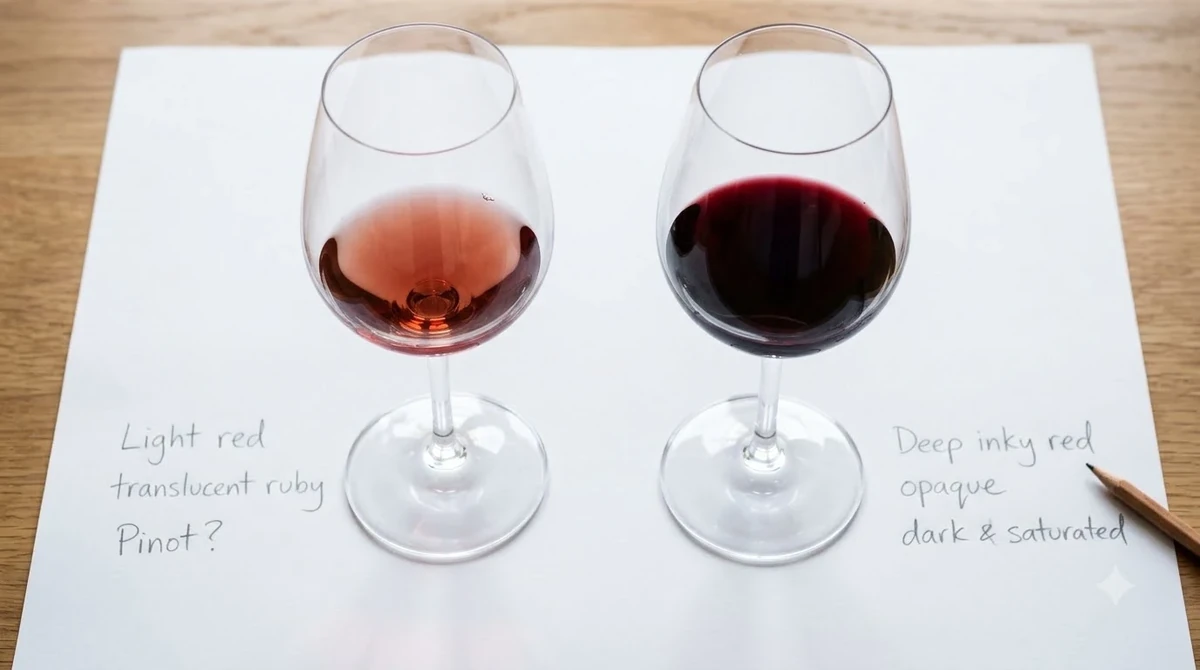
Syrah’s deep ruby or purple color provides another recognizable characteristic. Young examples can look almost opaque in the glass, reflecting the dark pigmentation of the grape skins. Color does not directly measure body, but it often accompanies the concentrated fruit and tannin structure that make Syrah feel substantial.
Tip: If you want a dependable starting point, choose a Syrah from a recognized Northern Rhône appellation for a structured but savory style, or an Australian Barossa Shiraz for a richer, more powerful experience.
How Syrah’s Body Compares With Its Tannins and Acidity
Syrah combines medium-plus to high tannins with medium acidity and concentrated fruit. This combination explains why it can feel both powerful and fresh, rather than simply heavy or soft.
Tannins are natural compounds extracted primarily from grape skins and seeds, with oak contributing additional tannin during maturation. They create the drying, slightly grippy sensation associated with many structured red wines. In Syrah, tannins provide a firm framework that supports its dark-fruit flavors and gives the wine a lasting finish.
Acidity plays a different role. It produces a mouthwatering sensation and keeps rich fruit flavors from feeling flat. Syrah generally has medium acidity, although cooler growing conditions can preserve more freshness. This balance is particularly noticeable in Northern Rhône wines, where black pepper, herbs, and savory flavors can appear alongside concentrated fruit.
These structural characteristics are useful when comparing Syrah with other popular red grapes. A wine can have substantial body without having the highest tannin level in the red-wine category.
| Red grape | Typical body | Tannin | Acidity |
|---|---|---|---|
| Syrah | Medium-full to full | Medium-plus to high | Medium |
| Cabernet Sauvignon | Full | High | Medium |
| Merlot | Medium to full | Medium | Medium |
| Pinot Noir | Light to medium | Low to medium | High |
| Malbec | Medium-full to full | Medium to high | Medium |
Compared with Cabernet Sauvignon, Syrah can have similarly substantial body but often presents a different combination of fruit and spice. Cabernet is particularly recognized for high tannins, while Syrah frequently emphasizes black pepper, smoke, and savory characteristics. The differences become easier to recognize when comparing the structure of Malbec and its full-bodied red-wine style with Syrah.
Merlot generally offers softer tannins and a rounder impression, making it an approachable alternative for someone who finds highly structured reds too firm. Pinot Noir takes a different direction, emphasizing acidity, delicate red fruit, and lighter tannin. For more comparisons, explore whether Merlot is full bodied and whether Pinot Noir is full bodied.
Remember that these are typical grape characteristics, not absolute rules. Growing conditions, grape ripeness, blending, extraction, and oak maturation can all change the finished wine’s texture.
Northern Rhône Syrah Versus Australian Shiraz
The biggest difference between many Syrah and Shiraz bottles is their regional style. Northern Rhône Syrah usually emphasizes freshness, savory complexity, and fine-grained tannins, while warmer-climate Australian Shiraz generally offers riper fruit, fuller body, and higher alcohol.
The Northern Rhône in France is the historic reference point for Syrah. Appellations such as Côte-Rôtie, Hermitage, Cornas, Saint-Joseph, and Crozes-Hermitage produce wines with different expressions of the grape. Although these wines are generally structured, they can feel more restrained than powerful Australian Shiraz. Decanter’s comparison of Syrah and Shiraz styles explains how climate and regional traditions contribute to these differences.
Hermitage is particularly associated with concentrated, deeply colored wines that can develop considerable complexity with age. Côte-Rôtie is often more perfumed and refined, with floral notes complementing its peppery and savory character. Saint-Joseph and Crozes-Hermitage also offer examples that can be approachable earlier, depending on the producer and vintage.
Australian Shiraz provides another important expression. Barossa Valley and McLaren Vale in South Australia are particularly associated with ripe, fruit-forward examples. These wines often show blackberry, blueberry, plum, licorice, chocolate, and baking spice, supported by substantial alcohol and tannin.
The difference is not simply a matter of grape identity. Syrah and Shiraz are the same variety, and the name on the label often reflects the producer’s intended style rather than a different grape. Some producers in Australia deliberately make cooler-climate wines and use Syrah to communicate a more restrained approach.
Climate helps explain the distinction. Grapes grown in warmer conditions generally achieve greater ripeness, which can produce richer fruit flavors and higher potential alcohol. Cooler growing conditions can preserve freshness and encourage more restrained fruit expression.
Winemaking also matters. Oak maturation, extraction techniques, fermentation choices, and blending can change how much structure and richness the finished wine displays. Two wines from the same region can therefore have noticeably different weights and textures.
For a first comparison, try one Northern Rhône Syrah and one Barossa Shiraz side by side. Look for the differences between peppery, savory fruit and ripe, concentrated blackberry, then compare how the alcohol, tannins, and finish feel in each glass.
What Syrah Tastes Like and Why It Feels So Rich
Syrah typically tastes of dark berries, black pepper, smoke, and savory herbs, with additional notes influenced by climate, oak, and bottle age. These concentrated flavors contribute to its impression of richness and help distinguish it from softer or more delicate red wines.
Blackberry and black cherry are common fruit characteristics. In cooler climates, the fruit can feel fresher and more restrained, with pepper, violet, olive, and herbal notes adding complexity. In warmer climates, blueberry, plum, licorice, and chocolate may become more prominent.
Black pepper is one of Syrah’s best-known aromatic characteristics. The compound rotundone is responsible for much of the distinctive peppery aroma associated with this grape. Its presence helps explain why Syrah can smell savory and spicy even when the wine has ripe fruit flavors.
Smoke and cured-meat aromas are also common descriptors. Some wines suggest bacon, smoked meat, olives, or tapenade, while others show dried herbs, leather, and earthy notes. These characteristics can make Syrah seem more complex and substantial than a red wine dominated primarily by fresh fruit.
Oak maturation can introduce another layer of flavor. Depending on the barrel and maturation approach, the wine may develop vanilla, toast, baking spice, or cocoa characteristics. Oak can also influence texture and tannin, although a wine’s body is not determined by oak alone. The Rhône Valley wine authority’s Syrah profile also describes the grape’s characteristic pepper, violet, licorice, and structured tannins.
As Syrah ages in the bottle, its fruit expression can become less overtly fresh. Notes of leather, truffle, dried fruit, and other savory aromas may emerge, while the tannins can become more integrated. The wine may feel smoother without losing its fundamental structure.
It is also important to distinguish ripe fruit flavors from sweetness. Syrah and Shiraz are generally dry red wines. A glass that tastes of sweet blackberry, blueberry, or chocolate does not necessarily contain significant residual sugar. These impressions usually come from ripe fruit aromas and flavor associations rather than actual sweetness.
How to Choose a Syrah That Matches Your Taste
The easiest way to choose Syrah is to decide how much richness, tannin, and alcohol you prefer. Cooler-climate examples are good starting points for drinkers who want structure and savory complexity, while warmer-climate Shiraz suits those who prefer concentrated fruit and a fuller sensation.
Start by considering the region. Northern Rhône appellations are useful choices if you enjoy pepper, herbs, blackberry, and a relatively restrained style. Look at Hermitage for more concentrated examples, Côte-Rôtie for a more aromatic expression, and Saint-Joseph or Crozes-Hermitage for additional options.
If you prefer richer reds, explore Barossa Valley and McLaren Vale. Their Shiraz wines often have concentrated dark fruit, noticeable alcohol, and generous texture. These styles are particularly appealing to drinkers who enjoy bold wines with grilled meat, barbecue, and deeply flavored dishes.
California and Washington State also offer interesting expressions of Syrah. Coastal and cooler-site examples can emphasize acidity, herbs, pepper, and savory character, while warmer locations can produce richer fruit and more substantial body. Producer decisions remain important, so region alone does not guarantee a particular style.
Consider the following practical guide when selecting a bottle:
| Your preference | Style to explore | What to expect |
|---|---|---|
| Fresh and savory | Northern Rhône Syrah | Pepper, herbs, fresh black fruit |
| Perfumed and refined | Côte-Rôtie | Violet, spice, elegant structure |
| Concentrated and structured | Hermitage | Dark fruit, firm tannins, depth |
| Rich and fruit-forward | Barossa Shiraz | Blackberry, plum, chocolate |
| Ripe and savory | McLaren Vale Shiraz | Dark fruit, spice, full texture |
| Fresh New World expression | Cool-climate Syrah | Pepper, acidity, restrained fruit |
Next, consider the producer’s approach. Some winemakers emphasize fruit concentration and extraction, while others focus on freshness, balance, and fine tannins. A heavily extracted wine may feel more muscular, whereas a restrained approach can produce a smoother and more elegant result.
Oak is another useful consideration. Wines with noticeable oak influence may show vanilla, toast, or baking spice. If you prefer the grape’s natural pepper and fruit characteristics, look for a producer whose winemaking approach does not allow oak flavors to dominate.
Finally, consider how you plan to drink the wine. A structured Syrah can be excellent alongside a substantial meal, while a fresher, less powerful example may work better for a casual dinner. Exploring different regional styles is one of the most useful ways to discover your preferred expression of this grape.
Serving Temperature and Food Pairings for Syrah
Syrah is best served slightly cool, generally around 60–65°F for fuller-bodied examples. Pair it with foods that can match its concentrated fruit and tannins, particularly grilled meats, lamb, duck, mushrooms, and dishes with smoky or savory flavors.
Temperature makes a meaningful difference to the drinking experience. Serving Syrah too warm can emphasize alcohol and make the wine seem hot, while excessive chilling can suppress its aromas and make its tannins seem firmer. A slight chill helps preserve balance and allows the wine’s fruit and spice to remain expressive.
If a bottle has been stored at typical room temperature, approximately 15 minutes in the refrigerator can help bring it closer to the preferred serving range. The exact time depends on the starting temperature and the refrigerator, so use the temperature of the wine rather than a fixed chilling time as your guide.
Young, full-bodied Syrah can also benefit from decanting. Allowing approximately 30–60 minutes of air exposure may help integrate firm tannins and release aromas that initially seem closed. Older bottles require more care because extended exposure to oxygen can diminish delicate aromas.
Best foods to serve with Syrah
Grilled beef is a natural match for full-bodied Syrah. Steak, short ribs, and roasted beef have enough flavor and texture to complement the wine’s dark fruit, pepper, and tannins. The fat in these dishes can soften the perception of tannin, making the combination feel more balanced.
Lamb is another excellent option. Grilled lamb chops, slow-roasted shoulder, and herb-seasoned lamb pair particularly well with Syrah’s savory characteristics. Rosemary, thyme, garlic, and black pepper can echo flavors already present in the wine.
For cooler-climate Syrah, consider duck, venison, mushrooms, and stews. The wine’s freshness and savory aromas complement the earthy and meaty characteristics of these dishes. A mushroom risotto or beef ragù can also make a satisfying pairing.
Barbecue works especially well with fruit-forward Shiraz. Smoked ribs, grilled burgers, and barbecue beef can match its ripe fruit concentration. However, be careful with very spicy sauces: chili heat can feel more intense alongside alcohol and tannin, particularly in powerful Shiraz.
Hard cheeses are another useful pairing. Aged cheddar and other firm, flavorful cheeses can work well with structured red wines because their fat and salt help soften the perception of tannin. Choose cheeses with enough flavor to stand alongside the wine rather than delicate varieties that could be overwhelmed.
For a simpler pairing rule, match the intensity of the dish to the intensity of the bottle. A concentrated Barossa Shiraz can overwhelm a delicate chicken salad, while a restrained Northern Rhône Syrah may be a better match for duck or mushroom dishes. This approach keeps the food and wine balanced rather than allowing one to dominate the other.
How to preserve an opened bottle
If you do not finish the bottle, replace the cork or closure and store the wine in the refrigerator. Most opened still wines retain their best qualities for approximately 3–5 days, although the exact result depends on the wine’s age, structure, and exposure to oxygen.
Before serving the remaining wine, allow it to warm slightly if necessary. A refrigerated red can taste muted straight from the refrigerator, so give it time to approach the recommended serving temperature. This simple step helps restore its aromas and texture.
For additional guidance on grape varieties and their typical characteristics, browse the Wine by Type learning section. Comparing different red-wine styles can help you recognize which characteristics matter most to your preferences.
Frequently Asked Questions
Is Syrah always heavier than Pinot Noir?
Syrah is generally heavier because it has more concentrated fruit and firmer tannins. However, some restrained Syrah bottlings can feel lighter than particularly ripe or oak-influenced Pinot Noir. The region, producer, and vintage all influence the comparison.
Is Petite Sirah the same as Syrah?
No. Petite Sirah, also known as Durif, is a distinct grape variety resulting from a crossing of Syrah and Peloursin. It is especially associated with California and is known for particularly dark color and substantial tannins. The similar names can cause confusion when choosing a bottle.
Can Syrah be made into rosé wine?
Yes. Syrah is a red-skinned grape that can produce rosé as well as dry red wine. Rhône producers make fruity Syrah-based rosés, which generally have a lighter texture and are served cooler than full-bodied red examples.
Does Syrah improve with bottle aging?
Some structured Syrah wines can develop positively over many years. Concentrated examples from Hermitage and other Northern Rhône appellations can develop more complex savory aromas as they mature. Lighter, fruit-focused bottles are often intended for earlier drinking rather than extended cellaring.
Why does Australian Shiraz sometimes taste sweeter than French Syrah?
Warmer Australian regions can produce grapes with riper fruit characteristics, creating pronounced blueberry, blackberry, and plum flavors. These aromas can suggest sweetness even when fermentation leaves very little residual sugar. French Syrah often emphasizes pepper, herbs, and fresher fruit instead.
Syrah is an excellent choice if you enjoy structured, flavorful red wines with dark fruit, pepper, and savory complexity. For a more restrained experience, explore Northern Rhône Syrah; for a richer and more powerful style, try Shiraz from Barossa Valley or McLaren Vale. Comparing these expressions is an easy way to discover how versatile the same grape can be.
More in Wine Types & Grapes
 What Does Mourvèdre Taste Like? Flavor Profile, Regions, and PairingsUpdated Nov 20, 2026
 What Does Marsanne Taste Like? Flavors, Styles, and Food PairingsUpdated Nov 20, 2026
 What Does Malvasia Taste Like? Styles, Flavors, and Food PairingsUpdated Nov 20, 2026
 What Does Grenache Blanc Taste Like? Flavor Profile, Styles, and PairingsUpdated Nov 20, 2026
 What Does Garnacha Taste Like? Key Flavors, Styles, and Pairing TipsUpdated Nov 20, 2026
 What Does Fruit Wine Taste Like? A Complete Flavor and Style BreakdownUpdated Nov 20, 2026